
Kamakura Temple Cuisine: Explore Local Delicacies
Kamakura temple cuisine offers a glimpse into Japan’s culinary heritage. Discover local dishes, hidden gems, and culinary experiences in this travel guide.
On this page
Kamakura temple cuisine is a delightful reflection of the city’s rich history and Buddhist traditions. Known for its serene temples and picturesque landscapes, Kamakura is also a food lover’s paradise. The city’s culinary scene is filled with unique local dishes that celebrate simplicity and seasonal ingredients, influenced by its spiritual culture. From traditional vegetarian fare served in temples to innovative street snacks, exploring Kamakura’s cuisine is a must for any traveler seeking an authentic taste of Japan.
Key Takeaways
- Kamakura temple cuisine is rooted in Buddhist traditions and emphasizes seasonal, vegetarian ingredients.
- Signature dishes like shojin ryori and local tofu highlight the area’s culinary uniqueness.
- From traditional sweets like mochi to hearty udon, Kamakura offers diverse flavors.
- Dining experiences range from temple lunches to vibrant street food, appealing to every palate.
1. Shojin Ryori: The Essence of Temple Cuisine
Shojin Ryori is a traditional Buddhist vegetarian cuisine that embodies the essence of Kamakura temple cuisine. This culinary art emphasizes using fresh, seasonal ingredients, presenting dishes that are not only delicious but also visually appealing. Typically served in a multi-course format, Shojin Ryori reflects the philosophy of mindfulness and respect for nature.
Moreover, each ingredient in Shojin Ryori holds importance. For example, tofu, seasonal vegetables, and pickles are often included to provide balance and harmony. Dishes are prepared with minimal seasonings to enhance the natural flavors of the ingredients, allowing diners to appreciate the simplicity of the meal.
Did you know? Shojin Ryori meals are usually enjoyed in peaceful temple settings, making the dining experience even more special.
In Kamakura, many temples offer visitors a chance to savor Shojin Ryori. This experience is perfect for those wanting to learn about Buddhist culture while enjoying a wholesome meal. Try it at the Hase-dera Temple, renowned for its traditional Shojin Ryori offerings.
2. Local Saitama Tofu Dishes in Kamakura
In Kamakura, local tofu dishes hold an esteemed place in the dining scene. Saitama, known for its high-quality soybeans, supplies the tofu found in many local dishes. Tofu prepared here often emphasizes the freshness and smooth texture, providing a delightful culinary experience.
One must-try dish is yudofu, a simple boiled tofu dish that is typically served with a dipping sauce. This dish showcases the tofu’s flavor and quality. Another popular option is tofu dengaku, grilled tofu topped with miso paste, which adds a savory sweetness when cooked.
Pro Tip: Pair these tofu dishes with local sake to enjoy a full flavor profile.
Where to eat: Seek out Oomasa for exceptional yudofu, or visit Tofuya Ukai for a variety of tofu specialties. Each restaurant highlights the local Saitama tofu, making it a must-try in your Kamakura culinary adventure.
3. Kamakura’s Unique Vegetable Delicacies
🎯 Insider Tip: Discover the best Kamakura experiences with Viator Tours!
Kamakura is not just about temple cuisine; it also offers a vast array of unique vegetable delicacies. The region’s rich soil and favorable climate produce a variety of fresh vegetables, making it a delight for vegetarians and food enthusiasts alike. Highlighted dishes often include seasonal vegetables, which play a crucial role in the local cuisine.
One popular preparation is the kamo nasu, or duck eggplant, known for its intense flavor and smooth texture. Additionally, bamboo shoots are seasonal favorites, often featured in soups and side dishes. These bouncy and crunchy delicacies enhance your meal, providing a refreshing experience.
Did you know? Local farmers’ markets in Kamakura highlight these vegetables, providing opportunities to taste and purchase fresh produce.
To taste these delicacies, consider dining at Komachi Shokudo, where the menu changes according to seasonal offerings, making every visit a new experience!
4. Traditional Mochi: Sweet Treats of Kamakura
🎯 Insider Tip: Discover the best Kamakura experiences with Viator Tours!
When exploring Kamakura temple cuisine, do not miss the chance to try traditional mochi. These delightful rice cakes are made from glutinous rice and have been a favorite sweet treat for centuries. The process involves steaming the rice and then pounding it until it becomes a smooth, sticky dough. Mochi can be enjoyed in various forms, either plain or filled with delicious fillings.
A popular variation in Kamakura is daifuku, which consists of mochi wrapped around sweet red bean paste. Furthermore, some shops experiment with seasonal flavors, such as matcha or chestnut, adding a local twist to this beloved treat. Be sure to also try kuzumochi, which is made with arrowroot starch, offering a unique texture and taste.
Pro Tip: Visit local shops like Higashiya for authentic mochi experiences that highlight traditional craftsmanship.
With its chewy texture and subtle taste, mochi encapsulates the essence of Japanese sweets, making it a perfect souvenir from Kamakura.
5. Kamakura Sushi: A seafood Lover’s Paradise
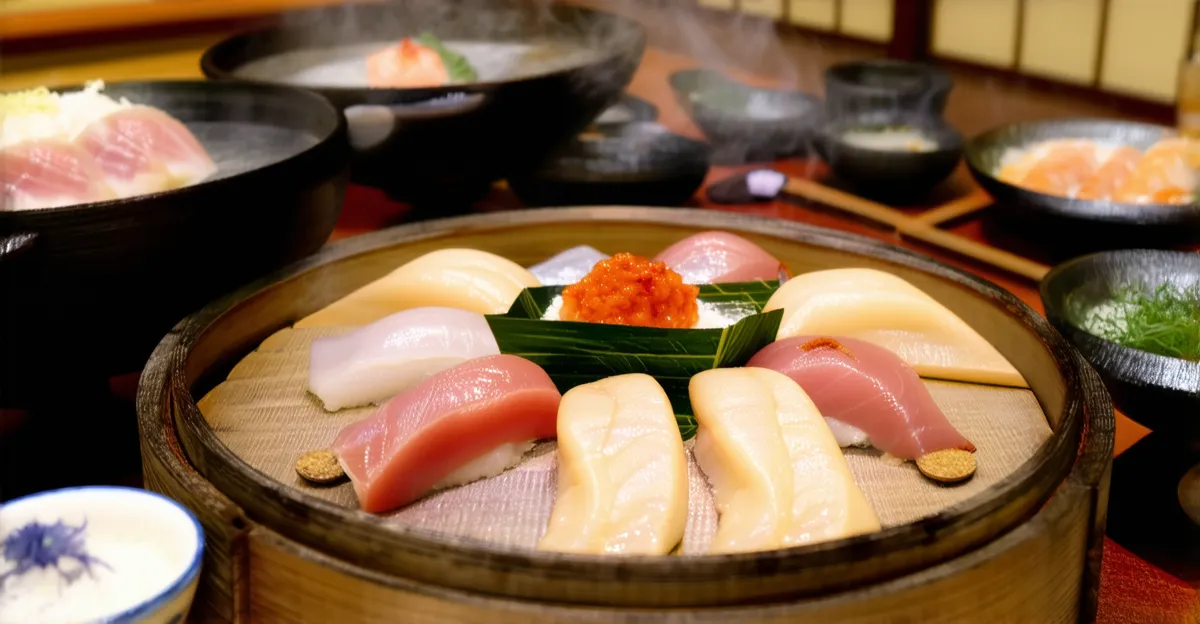
Kamakura is renowned for its sushi, making it a must-visit for seafood enthusiasts. The city’s coastal location ensures a steady supply of fresh fish, contributing to the exceptional quality of its sushi offerings. Here, you can find a variety of sushi styles, including nigiri and maki, showcasing seasonal catch and local specialties.
One of the highlights is the kama-tako, or grilled octopus, which is often featured in sushi restaurants across the city. Additionally, many sushi chefs pride themselves on using sustainable practices, further enhancing their commitment to quality.
Did you know? Kamakura’s sushi is often paired with fresh wasabi, providing an authentic taste that enhances the overall dining experience.
For an unforgettable sushi experience, visit Gakkō Sushi or Sushi Hiro, where you can savor some of the finest seafood the region has to offer.
6. Yuba: The Delicate Soy Milk Skin
Another unique aspect of Kamakura temple cuisine is yuba, often referred to as soy milk skin. This delicacy is made by simmering soy milk until a thin layer forms on the surface. The layer is carefully skimmed off and dried to create a delicate skin that can be used in various dishes.
Yuba is not only rich in protein but also lightweight and versatile. It can be enjoyed fresh, deep-fried, or even as a sushi ingredient. The taste is mild and its texture is both chewy and silky, making it a delightful complement to many meals.
Pro Tip: Try yuba sashimi for a fresh take on this delicacy, often served with a drizzle of soy sauce.
For an authentic yuba experience, head to Yuba No Sato, a restaurant specializing in dishes that highlight this unique ingredient.
7. Matcha Delights: Tasting Green Tea Treats
Kamakura, known for its serene temples and beautiful gardens, is also a haven for matcha lovers. The use of matcha—fine powdered green tea—permeates various delightful treats throughout the city. From traditional sweets to modern desserts, matcha flavors reign supreme in Kamakura cuisine.
One must-try item is matcha parfait, a layered dessert featuring matcha ice cream, sweet red beans, and refreshing fruits. Additionally, matcha mochi provides a chewy, sweet experience perfect for a snack. Many tea houses and cafes offer a selection of matcha desserts, making it easy to indulge.
Did you know? Matcha is not only delicious but also packed with health benefits, providing a rich source of antioxidants!
Where to eat: For authentic matcha treats, visit Higashiyama Shimizu, a quaint teahouse with stunning views and a variety of matcha desserts. Another great spot is Chabakurou, renowned for their matcha ice cream and traditional sweets.
8. Kamakura’s Udon: A Comfort Food classic
🎯 Insider Tip: Discover the best Kamakura experiences with Viator Tours!
No visit to Kamakura is complete without experiencing its hearty udon dishes. This Japanese noodle, made from wheat flour, becomes a comforting meal, especially during the cooler months. Udon in Kamakura is often served in rich broth or stir-fried, showcasing local flavors.
A favorite is Kamakura-style udon, typically enjoyed with seasonal vegetables and local ingredients. This comforting bowl is not only filling but also reflects the essence of Kamakura temple cuisine—simple yet satisfying. Additionally, try yaki udon, a stir-fried version that is bursting with flavor.
Pro Tip: Pair your udon with tempura for a delightful crunch and extra flavor!
Where to eat: For delicious udon, head to Udon Katsu, where the noodles are homemade. Another popular spot is Komakata Kawakatsu, known for their unique udon dishes served with local toppings.
9. Kaiseki Lunch: A Gourmet Experience at Temples
A visit to the temples of Kamakura offers a unique opportunity to savor kaiseki lunch, a traditional multi-course meal that emphasizes seasonal and local ingredients. This exquisite dining experience not only showcases culinary skills but also highlights the aesthetic presentation of food.
Kaiseki menus may include an array of beautiful dishes, from simmered vegetables to grilled fish, all thoughtfully crafted to reflect the changing seasons. Each dish is meant to awaken the senses, making it an educational and delicious experience. Notably, many temples offer these meals as part of their programs, allowing visitors to enjoy the tranquil surroundings while indulging in gourmet food.
Did you know? Kaiseki dining is not just about the food; it’s a cultural experience that embodies harmony and balance in Japanese cuisine.
Where to eat: For a memorable kaiseki meal, visit Engakuji Temple’s restaurant, known for its serene atmosphere and beautifully presented dishes. You can also try Kamakura Kikuya, offering an impressive kaiseki lunch crafted with local ingredients.
10. street food: Discover Local Kamakura Flavors
Kamakura isn’t just about its beautiful temples; it also offers an enticing street food scene that reflects the region’s rich culinary heritage. Strolling through the streets, you’ll encounter various vendors serving delicious local treats, often influenced by kamakura temple cuisine. Popular choices include shirasu-don, a rice bowl topped with fresh young sardines, and yakitori, grilled chicken skewers seasoned to perfection.
Another must-try is Kamakura’s sweet potato chips, which are crispy and slightly sweet. You can find these snacks at many stalls, and they’re perfect for munching while exploring. Additionally, kakigori, a refreshing shaved ice dessert, is particularly popular during the warmer months.
Pro Tip: Pair your street food adventure with a local drink, such as Kamakura beer or matcha tea, to enhance your tasting experience.
Where to eat: Visit Komachi Street for the best selection of street food vendors. For a local experience, try Hato no Sato for their famous sweet potato snacks or Yagura Soba for delicious soba noodles served fresh from the cart.
Kamakura temple cuisine is a captivating exploration of Japan’s culinary heritage, where tradition meets the richness of local ingredients. Whether savoring a peaceful meal in a temple or enjoying street snacks, Kamakura offers a unique dining experience that every food lover should embrace. Plan your trip and discover the diverse flavors that await you in Kamakura!
Frequently Asked Questions
A: Kamakura is known for its temple cuisine, particularly shojin ryori, and local vegetable dishes.
A: Shojin ryori, Kamakura sushi, mochi, and udon are must-try dishes for visitors.
A: Yes, many casual eateries and street food stalls in Kamakura offer budget-friendly meals.
A: Try local cooking classes, visit food markets, and dine at temple restaurants to immerse yourself.
A: Yes, Kamakura’s temple cuisine offers a variety of vegetarian and vegan-friendly options.
A: You can find delicious mochi at local shops and food stalls near the temples.