
Kamakura Traditional Tea Houses: A Culinary Journey
Experience the serene world of Kamakura traditional tea houses. Discover unique flavors, exquisite teas, and delightful snacks in this cultural guide.
On this page
Kamakura, a charming coastal city in Japan, is renowned for its picturesque landscapes, rich history, and vibrant culture. Among its treasures are traditional tea houses that offer visitors a glimpse into Japan’s tea culture. These tea houses not only serve exquisite varieties of tea but also present a culinary journey through delightful local snacks and sweets. From matcha to wagashi, the offerings at Kamakura’s tea houses are a must-try for anyone seeking an authentic Japanese experience. In this guide, we explore the best traditional tea houses in Kamakura, highlighting unique flavors and experiences that every visitor should savor.
Key Takeaways
- Kamakura’s traditional tea houses offer a serene atmosphere infused with cultural significance.
- Matcha, a highlight of these tea houses, delivers rich flavors and calming experiences.
- Wagashi, intricate Japanese sweets, perfectly complement the tea selections.
- Each tea house has a unique ambiance, often enhanced by beautiful gardens.
- Visitors can expect seasonal specialties that showcase local ingredients and creativity.
- Understanding cultural etiquette enhances the overall tea experience.
1. The History of Tea Houses in Kamakura
Kamakura, a city nestled between mountains and the sea, has a rich history that intertwines with the tradition of tea. Tea houses in Kamakura date back to the Kamakura period (1185-1333), when the Zen Buddhist monk Eisai introduced tea cultivation from China. Consequently, this rich cultural heritage led to the establishment of tea houses across the city, evolving into spaces for contemplation and tranquility.
During the Edo period, tea houses became places for social gatherings, where people from all walks of life could enjoy the calming ritual of drinking tea. In Kamakura, these traditional tea houses not only serve tea but also embody the philosophy of wabi-sabi, the appreciation of beauty in imperfection.
Pro Tip: Many of these historic tea houses are located near popular temples and shrines, making them perfect spots to relax after exploring.
Today, the tea culture in Kamakura continues to flourish, providing locals and visitors alike with a glimpse into the past and the opportunity to savor authentic Japanese tea in serene surroundings.
2. Matcha: The Heart of Kamakura Tea Houses
At the heart of Kamakura’s traditional tea houses is matcha, a finely ground powder of specially grown green tea leaves. Known for its vibrant green color and unique flavor, matcha has become synonymous with Japanese tea culture. When you visit these tea houses, you’ll often encounter matcha in various forms, from traditional tea ceremonies to modern desserts.
The preparation of matcha is a sacred ritual that reflects the Zen philosophy, emphasizing mindfulness and respect for the ingredients. Visitors often enjoy the frothy matcha, served in special bowls, along with delectable wagashi (Japanese sweets) that complement its rich taste. This experience not only tantalizes your taste buds but also nourishes your spirit.
Did you know? Matcha is packed with antioxidants and provides a calm alertness, making it perfect for relaxation.
When exploring Kamakura, be sure to try the matcha served at its traditional tea houses, as it’s a delicious representation of the city’s tea culture.
3. Wagashi: Traditional Japanese Sweets with Tea
🎯 Insider Tip: Discover the best Kamakura experiences with Viator Tours!
No visit to Kamakura’s traditional tea houses is complete without indulging in wagashi, Japan’s artisanal sweets designed to accompany tea. These beautifully crafted confections not only please the palate but are also visually stunning, often reflecting seasonal themes.
Wagashi comes in many forms, from delicate mochi (rice cakes) to colorful dango (sweet rice dumplings). Each bite is a fusion of textures and flavors that harmonizes perfectly with a cup of matcha. Many tea houses offer customized wagashi for their guests, ensuring every visit is a unique experience.
Pro Tip: Don’t hesitate to ask about the ingredients and preparation of the wagashi; many tea house staff are eager to share their knowledge!
Furthermore, the art of pairing different wagashi with specific teas elevates the entire experience, creating a delightful journey through Japan’s culinary heritage. Be sure to try these sweets when visiting Kamakura’s traditional tea houses!
4. Unique Tea Pairings at Kamakura’s Tea Houses
🎯 Insider Tip: Discover the best Kamakura experiences with Viator Tours!
When visiting Kamakura’s traditional tea houses, experiencing unique tea pairings is a delightful adventure. Each tea house often boasts a variety of teas, crafted to complement their signature snacks. For instance, pairing Matcha with wagashi, traditional Japanese sweets, creates a beautiful balance of flavors. The sweetness of the wagashi enhances the rich, umami taste of Matcha, making it a perfect duo.
Another classic pairing found in many tea houses is Sencha with yatsuhashi. This sweet treat, made from glutinous rice flour and flavored with cinnamon, offers a delightful contrast to the grassy notes of Sencha. Hojicha, a roasted green tea, pairs beautifully with savory snacks such as shioyaki (grilled salt fish), due to its smoky flavor.
Pro Tip: Don’t hesitate to ask the tea house staff for their recommendations—they often have exquisite pairings that reflect seasonal ingredients and local flavors.
As you explore Kamakura, savoring these unique tea pairings will enrich your experience, allowing you to enjoy the full depth of traditional Japanese flavors.
5. A Journey Through Kamakura’s Historic Tea Houses
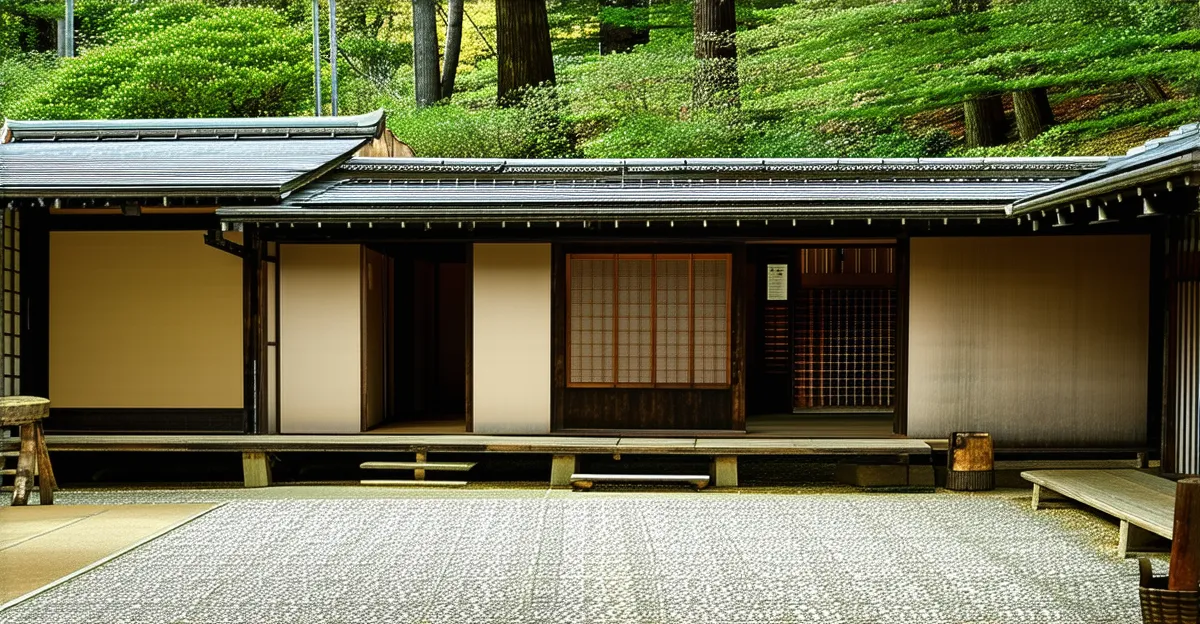
A journey through Kamakura’s traditional tea houses is like stepping back in time. Established since the Edo period, these tea houses capture the essence of Japanese history and culture. Many of them are nestled amongst the tranquil gardens and historic temples, offering not just tea but also a serene atmosphere.
Each tea house has its unique story. For instance, the famed Hōjū-ji tea house is known for its stunning views of the surrounding nature and rustic architecture. The charm of the wooden structures enhances your experience as you sip your green tea. Furthermore, visiting Kyūbō allows you to witness the interplay of architecture and nature, with its traditional tatami rooms and surrounding foliage.
Did you know? Many tea houses offer seasonal teas that change throughout the year, showcasing the beauty of Japan’s changing seasons.
As you indulge in these historic venues, you’ll find that each cup of tea tells a story—of tradition, art, and deeply-rooted customs in this beautiful coastal town.
6. Zen Gardens: The Perfect Backdrop for Tea
Zen gardens enhance the experience in Kamakura’s traditional tea houses, providing a perfect backdrop for relaxation and contemplation. These gardens are designed to create a sense of tranquility, featuring carefully arranged rocks, gravel, and greenery, reflecting the simplicity of Zen philosophy.
When enjoying tea in a tea house set within a Zen garden, the calming environment encourages mindfulness. The sound of water flowing in a nearby stream or the soft rustling of leaves adds to this serene atmosphere. Furthermore, many tea houses, like Enkō-ji, offer outdoor seating that allows visitors to connect with nature while enjoying their tea.
Pro Tip: Take a moment to meditate or simply enjoy the scenery while sipping your tea. This enhances not just your experience but also your appreciation of Japanese culture.
In Kamakura, the combination of tea and Zen gardens creates not only a refreshing respite but also a deeper understanding of the harmony that Japanese culture embraces, making your visit truly unforgettable.
7. Seasonal Specialties: Tea House Delicacies in Kamakura
Kamakura traditional tea houses offer an enchanting experience, especially when it comes to seasonal specialties. Each season brings its own unique flavors and presentations. For instance, during spring, the delicate sakura mochi, a rice cake filled with sweet red bean paste and wrapped in cherry blossoms, is a popular choice. In summer, you can enjoy shiranui, a refreshing citrus fruit dessert that complements the warm weather perfectly.
As autumn sets in, the tea houses serve kuri kinton, a sweet chestnut paste that represents prosperity in Japanese culture. Winter is the time for warming treats like yakiimo, or roasted sweet potatoes, best enjoyed alongside a soothing cup of matcha. Particularly, the autumn and winter specialties make for an ideal pairing with traditional green tea, enriching the cozy atmosphere.
Pro Tip: To truly experience Kamakura’s seasonal specialties, visit different tea houses throughout the year and discover the delights that each season brings!
Where to eat: Check out Gyokuroan for an extensive menu dedicated to seasonal delicacies or Kamakura Chaya for their picturesque garden views and seasonal offerings.
8. Visiting Kamakura: What to Expect at Tea Houses
🎯 Insider Tip: Discover the best Kamakura experiences with Viator Tours!
When you visit Kamakura traditional tea houses, prepare yourself for an immersive cultural experience. Most tea houses are designed to create a tranquil atmosphere, often surrounded by beautiful gardens or serene landscapes. As you step inside, you will typically be welcomed with a warm smile and traditional greetings.
Upon being seated, you can expect to enjoy a selection of tea and accompanying sweets. Your choices often include matcha, sencha, or even genmaicha, each providing a unique flavor profile. Moreover, many tea houses also feature a tatami mat seating arrangement, enriching the experience.
Pro Tip: Take a moment to appreciate the aesthetics of your tea setting, as presentation holds significant importance in Japanese culture.
Where to eat: For a memorable visit, consider Kamakura Tsurugaoka Tea House or Hokokuji Tea House, both renowned for their hospitality and ambiance.
9. How to Choose the Right Tea for Your Taste
Choosing the right tea at Kamakura’s traditional tea houses is an exciting endeavor. Start by determining your flavor preference—do you enjoy delicate and grassy notes, or robust, toasted flavors? If you prefer a smooth and rich taste, matcha is an excellent choice, often served in a ceremonial style.
For those seeking a lighter option, consider sencha, which offers a more refreshing taste. Alternatively, genmaicha, made from brown rice and green tea, provides a unique nutty flavor that is enjoyable during any season. Don’t hesitate to ask for recommendations from the staff, as they can guide you based on your preferences.
Pro Tip: Try to sample the tea accompanied by traditional sweets; the right pairing can significantly enhance your tasting experience.
Where to eat: Hokoku Chaya is known for its knowledgeable staff who can help you select the perfect tea, while Ajiro Chaya offers a wonderful matcha selection paired with local delicacies.
10. Cultural Etiquette in Kamakura Tea Houses
When visiting Kamakura traditional tea houses, understanding cultural etiquette is essential for a respectful and enjoyable experience. First, always remember to greet the staff with a polite “konnichiwa”, which means hello. This simple gesture shows respect and appreciation for the establishment.
Upon entering the tea house, it is customary to remove your shoes. Look for designated areas to leave your footwear, as cleanliness is prized in Japanese culture. Additionally, as you are often seated on tatami mats, be mindful of your posture and avoid stepping on the tatami with your shoes.
Pro Tip: When you receive your tea, it is polite to express gratitude by saying “arigatou gozaimasu”, thanking the tea master for their service.
When enjoying your tea, hold the cup with both hands, as this demonstrates respect for the tea and those who prepared it. If you are served sweets, remember to consume them gracefully, taking small bites.
Lastly, always ask questions if you are unsure about anything. The tea house staff in Kamakura are usually very welcoming and willing to guide visitors through the tea experience, enhancing your understanding of this beautiful tradition.
Kamakura’s traditional tea houses offer a unique blend of tranquility, history, and flavor, creating a remarkable experience for visitors. As you sip on exquisite matcha and indulge in delicate wagashi, you’ll not only taste the essence of Japan but also immerse yourself in its rich culture. Don’t miss the opportunity to visit these hidden gems in Kamakura; your journey into Japanese tea culture awaits! Share your favorite tea houses or plan your visit to Kamakura today!
Frequently Asked Questions
A: Notable tea houses include Kamakura Matsubaraan and Shakkei, known for their exquisite offerings and serene settings.
A: The tea houses often serve wagashi, traditional Japanese sweets, alongside different types of tea.
A: It’s best to call ahead or check online, as many tea houses may have limited seating.
A: Most tea houses do not charge an admission fee, but you will pay for the tea and snacks you order.
A: Mornings and afternoons are ideal, especially during sakura (cherry blossom) season, when the gardens are particularly beautiful.
A: Yes, many tea houses offer vegan options, especially for wagashi.