
Tunis Cuisine: Dive into Traditional Dishes
Explore Tunis cuisine with our guide to traditional dishes, local eateries, and authentic flavors that define this North African gem.
On this page
Tunis cuisine is a vibrant tapestry of flavors that reflects the city’s rich history and cultural diversity. With influences from Mediterranean, Arabic, and Berber cuisines, traditional dishes in Tunis are a culinary journey waiting to be discovered. From spicy harissa to delectable couscous, Tunis offers a feast of local specialties that both tantalize the taste buds and connect you with the heart of Tunisian culture. Join us as we explore the must-try traditional dishes and dining experiences that make Tunis a food lover’s paradise.
Key Takeaways
- Tunis cuisine features a rich variety of traditional dishes bursting with flavor.
- Signature dishes like couscous and brik highlight the city’s culinary heritage.
- Both street vendors and fine dining restaurants offer authentic Tunisians experiences.
- Engaging in local cooking classes can provide deeper insights into Tunisian food culture.
1. Couscous: The Heart of Tunisian Cuisine
Couscous is often hailed as the heart of Tunisian cuisine, showcasing the essence of the country’s culinary heritage. Made from steamed semolina wheat, it serves as a versatile base for numerous dishes. Traditionally, couscous is accompanied by a variety of vegetables, meats, and aromatic spices, creating a flavorful experience with every bite.
To prepare authentic couscous, it is steamed carefully over a simmering broth, allowing it to absorb rich flavors. This dish is typically served with sauces that can range from mild to spicy, depending on personal preference. In Tunisia, you can find couscous with lamb, chicken, or even fish, making it a popular choice for family gatherings and celebrations.
Pro Tip: Ensure to pair your couscous with a glass of mint tea for an authentic Tunisian experience.
Where to eat: To enjoy a delicious plate of couscous, head to Chez Slah in Tunis, renowned for its traditional preparation methods and vibrant atmosphere. You’ll find a variety of couscous dishes that will tantalize your taste buds.
2. Brik: A Flavorful Pastry Delight
Brik is another iconic dish that represents Tunisian traditional dishes. This crispy, deep-fried pastry is typically filled with a savory mixture of ingredients such as tuna, capers, and a soft egg. The outer layer is made from a thin dough known as malsouka, which gives it a delightful crunch.
Traditionally served as an appetizer, brik can be enjoyed plain or with additional toppings like herbs and spices. Each bite offers a satisfying crunch followed by a burst of flavor. It is not uncommon to find brik served with a squeeze of lemon, enhancing the dish’s overall taste.
Did You Know? Brik is commonly eaten during Ramadan to break the fast, making it a popular choice for communal meals.
Where to eat: For the best brik in Tunis, visit Le Golfe, known for its fresh ingredients and authentic preparation. Don’t miss the seafood brik options which are especially popular!
3. Harissa: The Spicy Soul of Tunis Cuisine
🎯 Insider Tip: Discover the best Tunis experiences with Viator Tours!
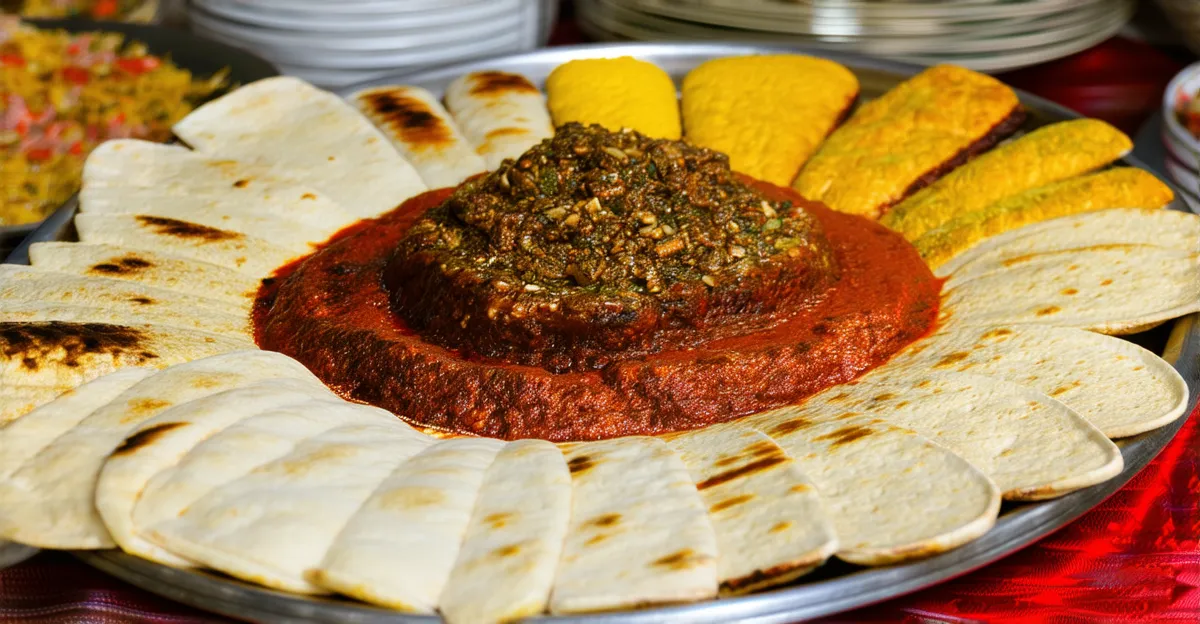
Harissa is a spicy paste that is pivotal to Tunisian cuisine. Made from roasted red peppers, garlic, and a blend of spices, harissa adds a fiery kick to many traditional dishes. Its versatility is what makes it a staple; it is used in marinades, soups, and as a condiment.
This fiery condiment is more than just a side; it enhances the flavors of meat dishes, stews, and even salads. Many locals will enjoy a dollop of harissa with bread, showcasing its integral role in the Tunisian dining experience. Moreover, harissa varies from region to region, allowing you to discover unique flavors wherever you go.
Pro Tip: Start with a small amount of harissa, as its heat can be quite intense!
Where to eat: For a remarkable harissa experience, visit Le Grand Café du Trocadéro, where you can savor this spicy delight alongside traditional Tunisian meals.
4. Lablabi: A Savory Bread Soup
Lablabi is a classic Tunisian dish that embodies the heart and soul of Tunisian cuisine. This comforting soup is primarily made with chickpeas, bread, and spiced broth, making it a hearty yet humble meal. Often enjoyed as street food, it features a base of freshly baked, torn bread soaked in rich and flavorful broth. Traditionally, this dish is topped with chili oil, garlic, and sometimes, a poached egg.
The beauty of lablabi lies in its simplicity. In fact, it is a staple among locals, especially during the cooler months. Moreover, it is customizable; diners can add their choice of spices, making it either mild or fiery hot. Transitioning from savory to hearty, lablabi is perfect for any time of day—breakfast, lunch, or even dinner.
Pro Tip: Visit local markets to find the best lablabi, often served right from food stalls where you can experience the true flavors of Tunisian street food.
Where to eat: For a fantastic bowl of lablabi, you can try Chez Slah in Tunis, which is famed for its authentic taste and generous portions.
5. Mechouia: The Grilled Vegetable Salad
Mechouia is a popular Tunisian salad known for its smoky, charred flavors. Essentially, it consists of a variety of grilled vegetables, commonly including bell peppers, tomatoes, and onions. After grilling, these vegetables are diced and mixed with olive oil, garlic, and a squeeze of lemon, making it a refreshing and vibrant dish.
The appeal of mechouia lies not only in its taste but also in its versatility. It can be served warm or cold and pairs beautifully with grilled meats or as part of a meze platter. After enjoying mechouia, it’s easy to see why this dish is a favorite among both locals and tourists. Furthermore, many variations exist, so it’s worth trying different versions to find your favorite.
Insider Tip: For the best experience, make sure to try mechouia alongside some fresh Tunisian bread!
Where to eat: Check out Le Cafe des Nattes in Sidi Bou Said for a delightful serving of mechouia served with traditional Tunisian bread.
6. Mloukhia: A Unique Stew Experience
🎯 Insider Tip: Discover the best Tunis experiences with Viator Tours!
Mloukhia represents a unique culinary experience in Tunisian cuisine. This thick stew is made primarily from the leaves of the jute plant, which is known for its distinct flavor and nutritional benefits. The dish is often slow-cooked with meat, typically beef or chicken, infused with a blend of spices that create a rich, savory flavor profile.
One fascinating aspect of mloukhia is its culinary history. Traditionally, it is prepared during special occasions such as family gatherings or holidays. Thus, sharing this dish is often seen as a symbol of hospitality and warmth. It’s often synonymous with comfort food among Tunisians.
Did You Know? Mloukhia’s vibrant green color and thick consistency make it an Instagram-worthy dish to showcase on your travels!
Where to eat: For a fantastic mloukhia, head to Chez Abdelwahed, where locals love to enjoy this authentic Tunisian stew.
7. Tunisian Tagine: Not Just Moroccan
Tunisian tagine is often overshadowed by its Moroccan counterpart, yet it holds a unique place in Tunisian cuisine. Unlike the Moroccan version, which is made with various meats and spices, Tunisian tagine uses a variety of ingredients, including vegetables, eggs, and aromatic herbs. The dish is baked slowly to achieve a deliciously tender texture.
One distinctive feature of Tunisian tagine is the inclusion of a mixture known as chrira, which typically contains a blend of parsley, onions, and spices. This adds an appealing flavor profile. Seafood tagine is also popular in coastal regions, showcasing the freshness of local seafood.
Pro Tip: Don’t hesitate to experiment with different ingredients to make it your own!
Where to eat: For an authentic experience, visit El-Wahy in Tunis for their luscious seafood tagine, or check out Restaurant Le 5 for a traditional lamb variant.
8. Assidat Zriga: A Sweet Culinary Treat
Assidat Zriga is a traditional Tunisian dessert, characterized by its rich and creamy texture. This delicious dish is primarily made from semolina, sugar, and milk, which are combined and cooked until thickened. It’s typically flavored with orange blossom water, giving it a delightful floral aroma that is simply irresistible.
This dessert is often garnished with nuts like almonds or pistachios, which add a Nice crunch. While Assidat Zriga is enjoyed year-round, it is especially popular during festive occasions.
Did you know? Mixing in spices like cinnamon can elevate the flavors even more!
Where to eat: To savor a delightful Assidat Zriga, head to Pâtisserie Zriga in Tunis, where the sweet treat is served fresh daily.
9. Djerba’s Specialties: Local Delights
Djerba, a picturesque island off the coast of Tunisia, is famous for its unique culinary tradition. The Tunis traditional dishes from this region include a variety of seafood and aromatic spices, which are a testament to its rich history and culture. One standout dish is the Djerbian couscous, often made with fresh catch from the Mediterranean.
Another local specialty is brik, a delicately fried pastry stuffed with egg and herbs, often enjoyed as a snack or starter. Street vendors frequently offer it, making it a popular choice among locals.
Pro Tip: Don’t miss out on trying the local olive oil, known for its exceptional quality!
Where to eat: For a taste of Djerba’s specialties, visit Restaurant Dar Zmen in Houmt Souk, or check out local beach shacks for the freshest brik.
10. Traditional Tunisian street food: A Must-Try
Exploring the streets of Tunisia is a delightful journey, especially when it comes to indulging in traditional Tunisian street food. Street food is not just a meal; it’s a part of the culture and lifestyle of the Tunisian people. You will find vendors cooking up flavorful dishes right at the corner of every street, providing an authentic taste experience that cannot be missed.
One popular street food item is fricassé, a deep-fried sandwich filled with tuna, potatoes, and boiled eggs, all topped with a drizzle of harissa. Another must-try is the makroud, a sweet semolina pastry filled with dates or nuts, often enjoyed as a snack or dessert. Additionally, samboosa is another tasty option; this fried pastry is stuffed with various fillings such as meat or vegetables.
Pro Tip: Don’t hesitate to grab a freshly made sandwich from a street vendor for a quick and delectable meal!
Where to eat: For the best fricassé, head to Les Halles de Tunis, where you can also find samboosa. If you crave something sweet, check out Bakery El-Mina for the best makroud in town. This is a great way to delve into the culinary culture of Tunisia while on the go!
Tunis cuisine is a delightful exploration of traditional dishes and flavors that embody the cultural richness of this North African city. From the savory depths of couscous to the spicy notes of harissa, every dish tells a story. Indulge in the local culinary scene and plan your food journey to Tunis, where every meal is an opportunity to savor the essence of tradition. Share your favorite Tunisian dishes in the comments below and let’s celebrate the flavors together!
Frequently Asked Questions
🎯 Insider Tip: Discover the best Tunis experiences with Viator Tours!
A: Tunis is famous for its couscous, spicy harissa, and pastries like brik.
A: Must-try dishes include couscous, mechouia, and lablabi.
A: Yes, local street vendors and casual eateries offer budget-friendly meals.
A: Visit local markets, participate in food tours, and take cooking classes.
A: Yes, many traditional dishes, such as mloukhia and mechouia, can be enjoyed vegetarian.
A: For the best couscous, head to local family-run restaurants or traditional eateries.