
Tunis Cuisines: Discover Local Flavors and Dining Gems
Tunis cuisines invite you to explore traditional dishes, vibrant street food, and must-try dining spots in Tunisia’s capital for an unforgettable experience.
On this page
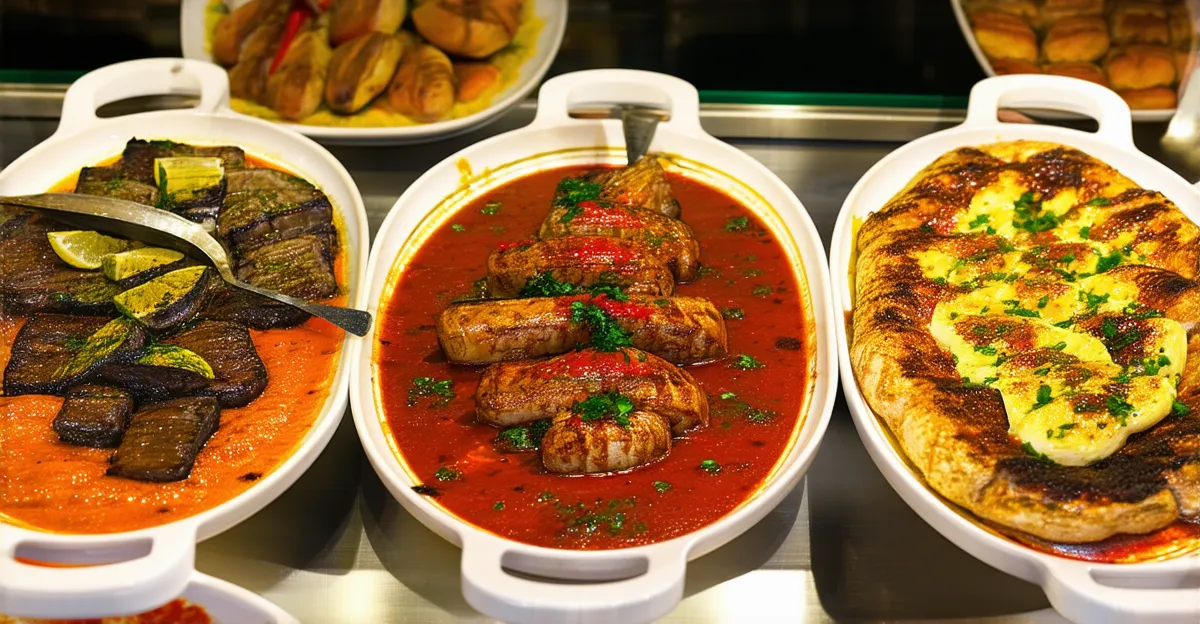
Tunis cuisines offer a delightful tapestry of flavors that reflect the city’s rich history and cultural influences. Influenced by Mediterranean, Arabic, and Berber traditions, the cuisine of Tunis features an array of spices, fresh ingredients, and unique cooking techniques. From savory tagines to sweet pastries, Tunis boasts a diverse culinary landscape that attracts food enthusiasts from around the globe. This guide showcases must-try local dishes and authentic dining experiences that capture the essence of Tunisian flavors. Whether you’re a seasoned traveler or a curious foodie, Tunis cuisines promise to tantalize your taste buds.
Key Takeaways
- Tunis cuisines showcase a blend of Mediterranean and North African flavors.
- Signature dishes like couscous and brik highlight the local food culture.
- street food and traditional meals offer a wide range of choices for every budget.
- Exploring markets and joining food tours provide an immersive culinary experience.
1. Couscous: The Iconic Dish of Tunis Cuisine
Couscous is undoubtedly the emblematic dish of Tunis cuisines, cherished both locally and internationally. This traditional dish is made from steamed semolina wheat granules, often served with a rich stew of vegetables and meats. What makes Tunisian couscous unique is the variety of recipes; you can find it with lamb, chicken, or even seafood, giving every family its own twist and flavor profile.
The preparation of couscous is a labor of love, often involving a multi-step process that enhances its fluffy texture. Additionally, spices such as saffron and cumin are essential in creating a mouthwatering flavor. For many Tunisians, sharing a large bowl of couscous symbolizes community and tradition.
Did you know? Couscous is often enjoyed during family gatherings and special occasions, making it a staple of Tunisian hospitality.
Where to eat: For a memorable couscous experience, visit Restaurant Dar El Jeld in Tunis, known for its delectable lamb couscous, or Chez Nous, famous for its seafood couscous.
2. Brik: A Must-Try street food Treasure
Brik is a crispy pastry that holds a special place in Tunis cuisines, especially as a popular street food. This dish typically consists of a thin dough, known as malfouf, filled with ingredients like tuna, capers, and a whole egg. The brik is then deep-fried until golden and crispy, creating a delightful contrast to its soft interior.
Many locals enjoy brik as an appetizer or snack, and it’s often accompanied by a squeeze of fresh lemon juice. Its versatility allows chefs to experiment with different fillings, from spiced potatoes to ground meat, making each bite a unique experience.
Pro Tip: Try the traditional tuna brik but don’t hesitate to explore other variations available at local street stalls.
Where to eat: Head over to Le Gout du Jour near the Medina for popular brik variations, or stop by Chez Hedi for their deliciously stuffed brik variety.
3. Tagine: A One-Pot Wonder of Tunis
🎯 Insider Tip: Discover the best Tunis experiences with Viator Tours!
Tagine in Tunis cuisines refers to a savory stew cooked slowly in a clay pot, making it a comforting and flavorful meal option. Unlike its Moroccan counterpart, Tunisian tagine is usually thicker and can include a combination of meats, vegetables, and fragrant spices. Common ingredients are chicken, lamb, or fish, mixed with potatoes, carrots, and a unique blend of Tunisian spices.
What makes the Tunisian tagine special is its use, not just as a dish but also as an ingredient in a variety of meals. It’s often baked with a quirky filling of eggs, making it resemble a frittata! This dish is both heartwarming and fulfilling, perfect for family gatherings or festive occasions.
Tip: Don’t forget to enjoy it with homemade bread to soak up all the delicious sauces!
Where to eat: For a fantastic tagine, visit Dar Zarrouk in Sidi Bou Said, or try Le Cordon Rouge for an authentic experience.
4. Harissa: Tunis’s Fiery Chili Paste
Harissa is more than just a condiment; it is a vibrant representation of Tunis cuisines. This fiery chili paste is made from roasted red peppers, garlic, spices, and olive oil, resulting in a thick, spicy paste that elevates any dish. A staple in Tunisian kitchens, harissa is often used to add depth and heat to a variety of foods, from stews to grilled meats.
Traditionally, harissa is made using mortar and pestle, which helps to combine the ingredients into a smooth paste. As a result, it boasts a rich and complex flavor profile. Notably, this chili paste can vary in heat levels, allowing you to adjust the spiciness to your preference.
Pro Tip: Use harissa as a marinade for meats or mix it into soups and stews to transform ordinary dishes into fiery delights.
When in Tunisia, don’t miss trying harissa alongside local bread or as a dipping sauce with fresh vegetables. You can find this beloved condiment at any market or local eatery.
5. Mechouia Salad: A Refreshing Side Dish
Mechouia salad is a refreshing side dish that embodies the essence of Tunis cuisines. This delightful salad features grilled vegetables, typically bell peppers, tomatoes, and onions, diced and mixed with fragrant spices. The vegetables are first charred to enhance their flavors, resulting in a smoky, savory taste.
What makes Mechouia unique is the addition of mint and olive oil, which adds a refreshing twist to the dish. Furthermore, it is often served with tuna, hard-boiled eggs, and olives, making it a filling yet light option.
Did you know? Mechouia is often enjoyed as an appetizer or served alongside grilled meats, accentuating the entire meal.
When visiting Tunisia, try Mechouia at local eateries, where it’s often enjoyed with traditional bread. This salad is not just nutritious but also a delicious way to experience the local flavors.
6. Tunisian Pastries: Sweets to Savor
🎯 Insider Tip: Discover the best Tunis experiences with Viator Tours!
No exploration of Tunis cuisines is complete without indulging in Tunisian pastries. These sweet treats are often made with a delightful blend of nuts, honey, and spices, creating a unique and indulgent dessert experience. Some of the most popular pastries include Bambalouni, a type of doughnut that is usually dusted with sugar, and Zriga, filled with almonds and flavored with orange blossom water.
Another noteworthy sweet is Makroud, which consists of semolina dough filled with dates or nuts, then fried and soaked in honey syrup. These delicacies not only represent Tunisia’s rich culinary tradition but also showcase its love for sweets.
Pro Tip: Try pairing these pastries with a cup of sweet mint tea for a truly authentic Tunisian experience.
For the best Tunisian pastries, visit local patisseries and cafés. The sweet aroma and charming ambiance make them a must-visit on your culinary journey.
7. Seafood Delights: Fresh Tastes of the Mediterranean
Tunis, with its prime location along the Mediterranean Sea, boasts an impressive selection of seafood delights. Fresh fish, calamari, shrimp, and octopus are staples in Tunis cuisine, offering a true taste of the ocean. Residents take pride in the day’s catch, often showcased in local restaurants and markets. For example, grilled fish seasoned with herbs is a delightful option that highlights the region’s flavors.
Moreover, seafood dishes often incorporate traditional spices and ingredients to amplify their taste. From harissa marinades to a squeeze of fresh lemon, each bite is filled with zest. A popular choice is brik with tuna, where seafood is wrapped in a delicate pastry, fried to golden perfection. Visitors are often surprised by how varied and rich Tunisian seafood cuisine can be.
Did you know? Pairing seafood dishes with a local white wine elevates the dining experience, making the flavors more vibrant.
Where to eat: For the freshest seafood in Tunis, visit Le Grand Restaurant, renowned for its grilled fish. Alternatively, check out Café La Plage, where you can indulge in sumptuous seafood dishes while overlooking the sea.
8. Fenugreek and Cumin: Staple Spices in Tunisian Cooking
When exploring Tunis cuisines, it’s essential to highlight the role of spices, particularly fenugreek and cumin. These spices are fundamental in elevating the flavors of various dishes. Fenugreek is often used in stews, adding a subtle sweetness and earthy depth. You may find it mixed into traditional dishes like couscous and tagine.
Cumin, on the other hand, adds warmth to dishes. Its warm, nutty aroma complements meats, soups, and salads. Additionally, a sprinkle of cumin can enhance the richness of sauces, taking them to another level. These spices not only make meals delicious but also reflect the cultural heritage of Tunisia.
Pro Tip: Try to taste spices in their whole form at local markets to appreciate their true aroma and flavor.
Where to buy: Spice enthusiasts should visit the Souk El Attarine in Tunis, known for its vibrant spice stalls, where you can discover fresh fenugreek and cumin along with many other spices.
9. Street Markets: Exploring Tunisia’s Culinary Scene
No visit to Tunisia would be complete without a stroll through its bustling street markets. Here, the vibrant atmosphere and fragrant aromas create an unforgettable experience. Markets such as the Medina of Tunis boast a mix of fresh produce, spices, and local delicacies, offering a glimpse into everyday Tunisian life.
While wandering through these vibrant markets, don’t miss the opportunity to sample local treats. Vendors often sell fresh fruits, olives, and nuts, as well as street food like brik and couscous. The market experience allows visitors to connect with the culinary culture of the region.
Pro Tip: Bargaining is common in markets, so don’t hesitate to negotiate prices and engage with friendly vendors.
Where to visit: For a true taste of Tunisian street life, head to the Souk Central, where you’ll find a wide variety of food items and lively interactions with locals.
10. fine dining: Upscale Tunisian Cuisine Experiences
For those seeking a refined take on Tunis cuisines, the fine dining scene in Tunisia offers a variety of exquisite restaurants that celebrate the rich flavors and culinary traditions of the region. upscale restaurants often focus on using fresh, locally-sourced ingredients while adding a modern twist to classic dishes. These establishments provide not just a meal, but a complete dining experience.
One highly recommended spot is La Mamma, known for its elegant atmosphere and well-curated menu. Here, you can enjoy a variety of traditional Tunisian dishes, prepared with expertly balanced flavors. Another fantastic option is El Ali, which offers a luxurious setting alongside a menu that features seasonal ingredients drawn from the Mediterranean coast.
Pro Tip: Always ask about the day’s specials as many fine dining establishments curate fresh dishes that highlight local flavors.
For an unforgettable experience, consider dining at Dar Zarrouk, located in the stunning coastal town of Sidi Bou Said. The blend of fine Tunisian cuisine and breathtaking views of the Mediterranean makes it a memorable choice.
In short, Tunisia’s fine dining scene offers an exciting opportunity to explore traditional cuisine in a sophisticated environment, making it ideal for special occasions or a treat after exploring the country’s vibrant markets.
Tunis cuisines paint a vivid portrait of Tunisian culture through its flavors, spices, and dishes. From hearty meals to delightful sweets, every bite offers a taste of tradition and innovation. We invite you to explore the culinary wonders of Tunis and share your favorite dishes or plan your next food adventure in this captivating city.
Frequently Asked Questions
🎯 Insider Tip: Discover the best Tunis experiences with Viator Tours!
A: Tunis is famous for dishes like couscous, brik, and seafood, showcasing a twist of Mediterranean and North African flavors.
A: Couscous, brik, tagine, and mechoiu salad are essential dishes to sample.
A: Yes, street food vendors and local cafes offer delicious and budget-friendly meals.
A: Visiting local markets, trying street food, and joining culinary tours are great options.
A: Yes, many restaurants in Tunis offer vegetarian and even vegan-friendly dishes.
A: You can enjoy the best couscous at local eateries and traditional restaurants around the Medina.