
Tunis Food Tours: Exploring Local Cuisines and Delicacies
Embark on Tunis food tours and discover authentic local dishes, market experiences, and must-visit dining spots in Tunisia’s vibrant capital.
On this page
Tunis cuisine is a vibrant tapestry of flavors, melodies, and traditions that reflect the rich cultural heritage of Tunisia. Renowned for its Mediterranean influence, Tunis offers a culinary journey that’s both tantalizing and diverse. Food lovers can indulge in a variety of local dishes, from spicy harissa to savory couscous, and experience unique dining spots that showcase the best of Tunisian hospitality. This article will guide you through the culinary wonders of Tunis, including food tours that provide immersive experiences into the city’s lively food scene.
Key Takeaways
- Tunis cuisine is a dynamic blend of Mediterranean and North African flavors.
- Signature dishes like couscous and brik are must-try experiences.
- street food and market stalls offer affordable and authentic local tastes.
- Tunis food tours provide enriching culinary explorations for food enthusiasts.
1. traditional Tunisian Staples: Couscous and Brik
Tunisian cuisine is famous for its rich flavors and diverse ingredients, with couscous and brik standing out as essential staples. Couscous, made from steamed semolina, is often served alongside spicy stews or grilled meats. This dish can be enjoyed in countless ways, from lamb and vegetable mixes to sweet versions topped with raisins and almonds.
On the other hand, brik is a popular street food that consists of thin pastry filled with various ingredients, frequently including egg, tuna, and capers, then deep-fried until crispy. It offers a delightful crunch and is often enjoyed with a squeeze of lemon. Therefore, it’s a must-try when exploring Tunisian flavors.
Did you know? Couscous is traditionally served on Fridays, making it a communal dish enjoyed by families and friends!
Where to eat: To experience authentic couscous, head to Restaurant El Walida or Dar Zarrouk. For the best brik, seek out the bustling street vendors near the Medina of Tunis.
2. Tunisian street food: A Casual Culinary Experience
Tunisian street food is a vibrant aspect of its culinary scene. It offers a casual way for locals and tourists alike to savor authentic flavors. Some popular options include lablabi, a hearty chickpea soup topped with spices, bread, and a drizzle of olive oil. Another favorite is mechouia, a grilled salad made with bell peppers, tomatoes, and spices that make for a refreshing appetizer.
Street vendors can be found throughout Tunis, providing an opportunity to taste dishes that reflect the local culture. The bustling atmosphere, combined with the aromatic scents of sizzling food, makes for an enjoyable experience. Transitioning from one dish to another adds to the thrill of exploration.
Pro Tip: Don’t forget to try a fricassé, a stuffed sandwich that can be filled with tuna and eggs; it’s a delightful snack!
Where to eat: Place de la République is famous for street vendors, while Café el-Médina offers a range of tasty street snacks in a casual environment.
3. Exploring Harissa: The Spicy Heart of Tunis Cuisine
🎯 Insider Tip: Discover the best Tunis experiences with Viator Tours!
One cannot discuss Tunisian cuisine without mentioning harissa, a spicy chili paste that serves as the backbone of many dishes. Made from roasted red peppers, garlic, and spices, harissa adds depth and heat to everything it accompanies. Used in various ways, it can spice up stews, spread on bread, or serve as a dipping sauce. Its versatility is a highlight of Tunis food tours.
For many locals, harissa is more than a condiment; it’s an integral part of their culinary identity. Considering its bold flavors, it pairs wonderfully with grilled meats or even as an ingredient in marinades. Therefore, sampling this spice is essential for truly experiencing Tunisian flavors.
Insider Tip: Look for artisanal harissa in local markets; it often contains unique flavors that set it apart from commercial brands.
Where to eat: Make sure to visit Les Délices de L’Orient or Restaurant Dar Zarrouk for their dishes featuring harissa, ensuring a memorable culinary experience.
4. Breads of Tunis: From Khobz to Mlfouf
Bread is a central part of Tunisian meals, showcasing the country’s rich culinary heritage. The most common type is Khobz, a round loaf that is typically baked in clay ovens. Khobz has a crispy crust and a soft interior, making it perfect for scooping up stews or serving alongside grilled meats.
Another beloved type is Mlfouf, a flatbread that is often used in sandwiches and wraps. It is made from flour, water, and salt, then cooked on a griddle until golden brown. Mlfouf is usually stuffed with a variety of ingredients, including vegetables and meats, resulting in a delicious meal.
Pro Tip: Enjoy your bread with local dips like Harissa or Olive Oil for the perfect combination of flavors.
Where to eat: For authentic Khobz, visit Bakery Le Pain de Tunis. If you’re looking to try Mlfouf, check out Restaurant La Petite Merveille, where traditional Tunisian cuisine shines through.
5. The Art of Tunisian Pastries: Makroud & Zriga
Tunisian pastries are a delightful treat, with Makroud and Zriga standing out. Makroud is a semolina-based pastry filled with dates or almonds, shaped into diamonds, and then fried. It’s often soaked in orange blossom syrup, adding a unique sweetness that captivates the taste buds.
On the other hand, Zriga is a flaky pastry layered with honey, nuts, and spices, offering a different but equally satisfying experience. These pastries are often enjoyed during festive occasions or as a sweet snack.
Must-Try: Pair these pastries with a cup of sweet mint tea for a truly Tunisian experience.
Where to indulge: You can find delicious Makroud at Maison des Desserts or sample Zriga at Pastry Shop Al-Malouf, both known for their authentic Tunisian sweets.
6. Exploring Tunisian Olive Oil: Liquid Gold
🎯 Insider Tip: Discover the best Tunis experiences with Viator Tours!
Tunisian olive oil is often referred to as liquid gold, and for good reason. Thanks to the country’s ideal climate, Tunisia produces over 300 varieties of olives, making it one of the top exporters of olive oil in the world. The oil, characterized by its fruity flavor and bright green color, is a staple in Tunisian kitchens.
Locals use olive oil not only for cooking but also as a dressing for salads and a dip for breads. Additionally, it enhances the taste of many dishes, providing a rich layer of flavor that is simply irresistible.
Pro Tip: Look for cold-pressed extra virgin olive oil for the best quality and flavor.
Where to taste: Visit Olivia Odeurs d’Olive for a sampling experience, or explore local markets where fresh olive oil is often available.
7. Seafood Surprises: Coastal Delights of Tunis
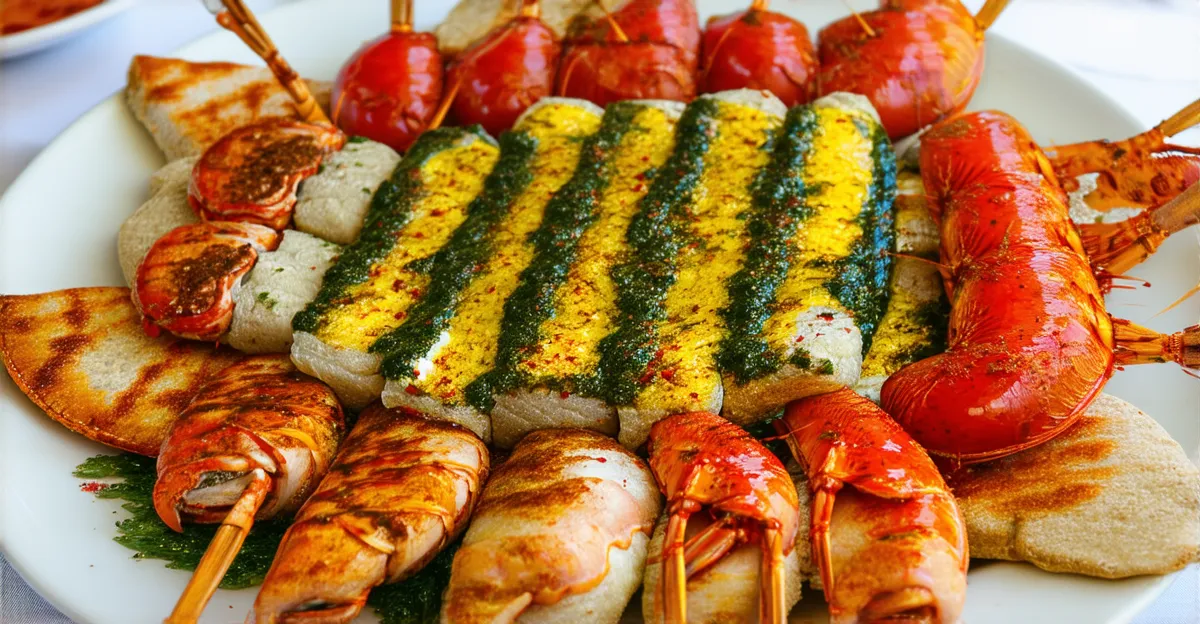
Tunis, located along the Mediterranean coast, offers an impressive variety of fresh seafood dishes that reflect the region’s rich maritime heritage. The proximity to the sea ensures that local restaurants serve daily catches, making seafood a highlight of the Tunisian culinary scene. From grilled fish to seafood couscous, there’s something to satisfy every palate.
One must-try dish is brik aux pommes de terre, a crispy pastry filled with potato and seafood. Another favorite is chermoula, a marinade made with herbs and spices that perfectly complements grilled fish. Additionally, the coastal city of La Goulette is famous for its seafood platters featuring a variety of fish, calamari, and shrimp.
Pro Tip: Enjoy your seafood with a side of refreshing salad and a squeeze of lemon for an authentic taste!
Where to eat: For an unforgettable seafood experience, visit Le Golfe in La Goulette for their delicious seafood platters. The charming atmosphere and beachfront views enhance the dining experience, making it a perfect spot for seafood lovers.
8. Markets of Tunis: A Food Lover’s Paradise
The vibrant markets of Tunis, known as souks, are a haven for food lovers. These bustling marketplaces are filled with colorful stalls offering a variety of local produce, spices, and handcrafted goods. Walking through the souks is a sensory delight, with the aromas of spices and fresh herbs wafting through the air.
One of the must-visit markets is the Medina of Tunis, where you can find an array of spices, olives, and traditional sweets. Here, sampling local delicacies such as dates and harissa is highly recommended. Marché central de Tunis is another popular spot, offering bustling activity and fresh ingredients for the keen cook or foodie.
Did you know? Visiting the markets provides an excellent opportunity to learn about Tunisian cooking and ingredients firsthand.
Don’t miss out on trying local specialties from market vendors, where you can taste the heart and soul of Tunisian cuisine.
9. Tunis Food Tours: Top Recommendations
If you want to dive deeper into the culinary delights of Tunis, joining a food tour is highly recommended. These tours offer the perfect opportunity to explore the local cuisine while learning about its history and culture. Several companies provide guided excursions that feature tastings of traditional dishes and visits to local eateries.
Among the top food tours is the Tunisian Culinary Journey, which includes visits to markets, hidden gems, and local neighborhoods. Participants can sample iconic foods like couscous, brik, and authentic pastries. Another great option is the Flavor of Tunis Tour, where you can learn to prepare traditional meals with local chefs.
Pro Tip: Book your food tour in advance to guarantee your spot, as they tend to fill up quickly!
These tours not only satisfy your taste buds but also provide a deeper understanding of Tunis’s rich culinary history, making them an essential part of any food lover’s visit.
10. Cooking Classes in Tunis: Hands-On Experience
When visiting Tunis, diving into the local cuisine through cooking classes is an enriching experience. These classes provide hands-on opportunities to learn traditional Tunisian cooking techniques and enhance your culinary skills. You’ll typically start with a visit to a local market where you’ll select fresh ingredients, such as vegetables, spices, and seafood, that are key to Tunisian dishes.
In these classes, you’ll often focus on staple dishes like couscous—the national dish made from semolina—along with other delights like brik, a savory pastry filled with egg and other ingredients. Besides, you can also discover the proper methods of preparing harissa, a fiery chili paste that adds depth to many meals.
Pro Tip: Don’t hesitate to ask your instructor for local cooking secrets; they offer an excellent way to elevate your home cooking!
Where to book: Popular choices for cooking classes include Cuisine d’Aujourd’hui and La Cuisine de la Maison. Both offer engaging lessons in a friendly atmosphere, ensuring you leave with both culinary knowledge and delicious new recipes to try.
Tunis evokes a culinary charm that captivates all food lovers. With its remarkable array of local dishes and food experiences, Tunis offers countless opportunities to satisfy your culinary curiosity. Embark on a Tunis food tour to dive deeper into the richness of its flavors and immerse yourself in the local dining culture. Share your experiences and favorite dishes with fellow food enthusiasts and start planning your flavorful adventure in Tunis!
Frequently Asked Questions
🎯 Insider Tip: Discover the best Tunis experiences with Viator Tours!
A: Couscous, brik, and harissa are essential dishes to try during your visit.
A: Yes, various organizations offer food tours to explore local cuisines and markets.
A: Medina and Avenue Habib Bourguiba are popular for street food delights.
A: Absolutely! Many Tunisian dishes are plant-based or can be modified for vegetarians.
A: Tunis food tours provide unique insights into local flavors, cooking techniques, and the culinary culture.
A: Yes, many tours feature visits to local markets for a hands-on experience.