
Seogwipo Seafood Specialties: A Culinary Journey
Dive into Seogwipo seafood specialties! Explore must-try dishes and the best dining experiences in this alluring coastal city of Jeju Island.
On this page
Seogwipo, located on the stunning southern coast of Jeju Island, is a haven for seafood lovers. The city’s rich maritime heritage offers an impressive array of seafood specialties that reflect the fresh bounties of the surrounding waters. From tender grilled fish to unique local dishes, Seogwipo’s culinary landscape is both diverse and delectable. This article explores the most enticing seafood experiences the city has to offer, making it an essential guide for any food enthusiast visiting this picturesque destination.
Key Takeaways
- Seogwipo seafood specialties showcase the diversity of Jeju’s marine offerings.
- Freshness is key; dishes like sashimi and grilled mackerel highlight ocean to table.
- Exploring local markets offers an authentic glimpse into the city’s food culture.
- Seafood dining experiences range from casual to upscale, catering to all budgets.
1. Grilled Mackerel: A Seogwipo Staple
Grilled mackerel stands out as one of the most beloved Seogwipo seafood specialties. With its rich flavor and tender texture, this dish is simple yet satisfying. Often served with a side of spicy dipping sauce, grilled mackerel complements the fresh taste of local vegetables and rice. The grilling process brings out a smoky aroma, enhancing the fish’s natural oils.
When visiting Seogwipo, enjoying grilled mackerel at a seaside restaurant is essential. Many local eateries pride themselves on using fresh catch from Jeju Island’s waters. Typically, a complimentary plate of seasonal side dishes accompanies your meal, known as banchan.
Pro Tip: Pair the grilled mackerel with a glass of local soju for a true culinary experience!
Where to eat: Try Seogwipo Fish Market for the freshest grilled mackerel, or head to Oseong Restaurant for a cozy dining atmosphere.
2. Haemul Pajeon: Savory Seafood Pancakes
Haemul pajeon, a savory seafood pancake, is another must-try in the realm of Seogwipo seafood specialties. Made with a delightful mix of fresh seafood and green onions, these pancakes are crispy on the outside and soft on the inside. The batter uses flour and egg, resulting in a golden Hue that beautifully complements the seafood.
This dish is often enjoyed as a filling snack or a light meal, typically served with a soy sauce dip for added flavor. As the pancake cooks, the seafood—including squid, shrimp, and clams—releases its juices, infusing the batter with ocean essence.
Did you know? Many locals enjoy haemul pajeon on rainy days, believing it brings good fortune!
Where to eat: Visit Jeju Haejoo Restaurant for authentic haemul pajeon or Ali Pajeon, known for its generous portion sizes.
3. Abalone: The Jewel of Seogwipo Seafood
⭐ Recommendation: Don't miss out on amazing Seogwipo tours - book now!
Abalone is often referred to as the jewel of Seogwipo seafood specialties. This prized shellfish is known for its sweet, delicate flavor and distinctive chewy texture. Abalone can be prepared in various ways, including grilling, steaming, or served raw as sashimi. Each method highlights its unique taste, making it a versatile ingredient in local cuisine.
The best abalone in Seogwipo is typically harvested from the clean waters surrounding Jeju Island. Many restaurants offer abalone porridge, which is both nourishing and delicious. As a delicacy, abalone is often paired with locally sourced vegetables for a refreshing meal.
Pro Tip: Experience abalone in its freshest form by ordering it as sashimi!
Where to eat: For exceptional abalone, try Abalone Restaurant Jeju or Seogwipo Abalone House, both known for their quality dishes.
4. Sashimi: Fresh Delights from the Ocean
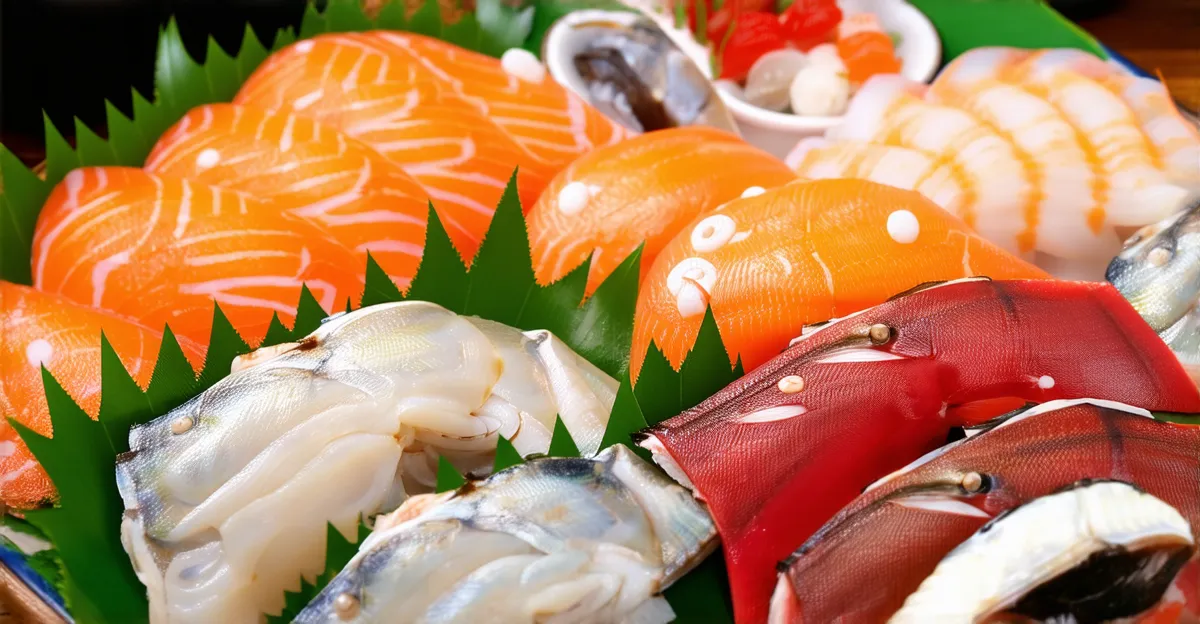
Sashimi is one of the seogwipo seafood specialties that must not be missed. This dish features thinly sliced raw fish, showcasing the exceptional quality of the catch from the surrounding waters of Jeju Island. Commonly enjoyed with a dipping sauce made from soy sauce and wasabi, each bite offers a burst of freshness. Local restaurants take pride in serving only the freshest fish, which could include tuna, yellowtail, or even octopus.
Moreover, sashimi is often accompanied by colorful garnishes like daikon radish and shiso leaves, which enhance both the presentation and flavor. The simplicity and elegance of this dish highlight the pristine marine environment of Seogwipo.
Pro Tip: Make sure to savor the sashimi with a light touch of wasabi to experience the full flavor of the fish!
Where to eat: For the best sashimi in Seogwipo, head to Mocha Sashimi Restaurant or Daegu Sashimi Shop, both known for their fresh offerings and local ambiance.
5. Sea Urchin: A Delicate Taste of the Sea
Sea urchin, also known as uni, is considered a delicacy in Seogwipo seafood specialties. This spiny creature provides a unique, rich flavor that many seafood lovers adore. The soft, creamy texture of the sea urchin is often enjoyed on its own or served atop warm rice as sushi.
Notably, the freshness is key when enjoying sea urchin. Local fishermen often harvest these delicacies daily, ensuring only the best makes it to your plate. Many say that the taste of sea urchin can remind you of the ocean, with a hint of sweetness and brininess.
Did you know? In Seogwipo, you can also find dishes that creatively incorporate sea urchin, including pasta and seafood soups!
Where to eat: To indulge in incredible sea urchin dishes, try Seogwipo Fresh Seafood Market or Cheonjiyeon Jeongseon, where they serve expertly prepared sea urchin straight from the ocean.
6. Jeju Black Pig BBQ: A Unique Pairing
⭐ Recommendation: Don't miss out on amazing Seogwipo tours - book now!
No visit to Seogwipo is complete without experiencing Jeju Black Pig BBQ. This local specialty pairs beautifully with seafood dishes and showcases a rich culinary heritage. The black pig, raised on Jeju Island, is known for its tender meat and distinctive flavor, offering a unique blend that complements the fresh seafood.
The BBQ is typically marinated with special sauces and grilled to perfection, adding depth to its savory taste. Many visitors enjoy creating a surf-and-turf experience by combining grilled black pig with sashimi or other seafood specialties.
Pro Tip: Don’t forget to try the side dishes provided during the BBQ—it’s a fantastic way to enhance your meal!
Where to eat: For an authentic Jeju Black Pig BBQ experience, visit Heukdonga or Songdoga, two popular spots where you can savor the amazing flavors of this local delicacy.
7. Seaweed Soup: traditional Healing Dish
Seaweed soup, known as miyeok-guk, is a beloved dish in Seogwipo, often enjoyed for its remarkable health benefits. Traditionally served at birthday celebrations and during recovery from childbirth, this soup is both nourishing and comforting. The main ingredient, seaweed, is packed with essential vitamins and minerals, making it a staple in Korean diets.
In Seogwipo, the seaweed is harvested from the surrounding waters, ensuring its freshness and quality. The soup is typically made with a clear broth, often simmered with beef or seafood, which adds depth to its flavor. Sesame oil is drizzled on top just before serving, giving it a rich aroma and enhancing the dish’s taste.
Pro Tip: Pair miyeok-guk with steamed white rice for a complete meal that is both healthy and satisfying.
Where to eat: For an authentic experience, visit Miyeokguk House, where they serve this dish with a homemade touch. You can also find delicious variations at local markets, which highlight the region’s seafood specialties.
8. Clam Juk: A Unique Seafood Rice Porridge
Clam juk, or clam rice porridge, is a unique seafood dish that showcases the fresh clams harvested from the waters around Seogwipo. It is typically served warm and has a smooth, creamy texture that makes it a comforting meal, especially during cooler months. Clams are simmered with rice in a rich broth, making this dish both flavorful and nutritious.
This dish is simple yet packed with flavors; the natural taste of clams shines through, complemented by a hint of garlic and ginger. Additionally, it’s often garnished with green onions for a touch of freshness.
Did you know? Clam juk is regarded as a healing food and is often recommended for those recovering from illness, making it a staple comfort food in the region.
Where to eat: For the best clam juk, try Seogwipo Juk Restaurant, known for its rich, hearty porridge made with locally-sourced clams.
9. Spicy Fish Stew: A Warming Comfort Food
Spicy fish stew, or maeun-tang, is a beloved comfort dish in Seogwipo, especially during the chilly evenings. This dish consists of a variety of fresh fish, vegetables, and a spicy red pepper paste called gochujang that brings warmth and flavor. Each bite offers a perfect balance of heat and savory goodness, making it a must-try for seafood lovers.
What sets Seogwipo’s spicy fish stew apart is the variety of fish used, often sourced directly from local fishermen. Vegetables like radish, zucchini, and scallions are added to enhance the stew, while tofu is sometimes included for extra texture. The result is a hearty dish that is both filling and flavorful.
Pro Tip: Pair the hot stew with a side of rice to make the most of the delicious broth, which is packed with nutrients and flavors.
Where to eat: For a delightful spicy fish stew, head to Seogwipo Maeuntang, famous for using fresh fish and traditional cooking methods to create an authentic experience.
10. Seafood Market Experience: A Feast for the Senses
The vibrant seafood markets of Seogwipo are an absolute must-visit for anyone looking to dive deep into the Seogwipo seafood specialties. The atmosphere is a feast for the senses, filled with the salty scent of the ocean and the colorful displays of the day’s fresh catch. Here, you can find a wide variety of seafood, from glistening fish to shellfish, all waiting to be tasted. The markets are not just shopping spots; they offer an entire culinary experience.
One of the highlights is the Seogwipo Maeil Olle Market, where you can see local fishermen showcasing their daily catch. Moreover, you can sample foods from different stalls, including fresh sashimi, grilled seafood, and even local delicacies like seafood pancakes. As you explore, the lively chatter and the sounds of sizzling grills create an inviting atmosphere.
Pro Tip: Don’t miss the opportunity to try some raw octopus, which many vendors serve right at the market. It’s a unique taste experience!
After shopping, many stalls offer the option to cook your seafood on-site. This means you can enjoy freshly prepared dishes made from ingredients you just picked out. A visit to a seafood market in Seogwipo allows you to appreciate the region’s culinary culture while indulging in the freshest flavors the sea has to offer.
Seogwipo, with its vibrant seafood specialties, is a culinary paradise waiting to be explored. Each dish tells a story, reflecting the coastal culture and natural bounty of Jeju Island. Your journey through Seogwipo’s seafood scene promises delightful flavors and unforgettable experiences. Share your personal favorites or plan your next food adventure in Seogwipo today!
Frequently Asked Questions
⭐ Recommendation: Don't miss out on amazing Seogwipo tours - book now!
A: Seogwipo is famous for grilled mackerel, abalone, haemul pajeon, and fresh sashimi.
A: Visit the Seogwipo Fish Market and local seafood restaurants for the freshest options.
A: Yes, many restaurants offer vegetarian meals; however, seafood is a local specialty.
A: The summer months are ideal for fresh seafood, especially during the fishing season.
A: Prices vary; casual eateries and markets offer affordable options, while upscale restaurants may be pricier.
A: Yes, various cooking classes allow for hands-on seafood preparation experiences.