
Seogwipo Traditional Restaurants: A Culinary Journey
Delight in the flavors of Seogwipo traditional restaurants! Explore local delicacies and dining spots that showcase Jeju’s rich culinary heritage.
On this page
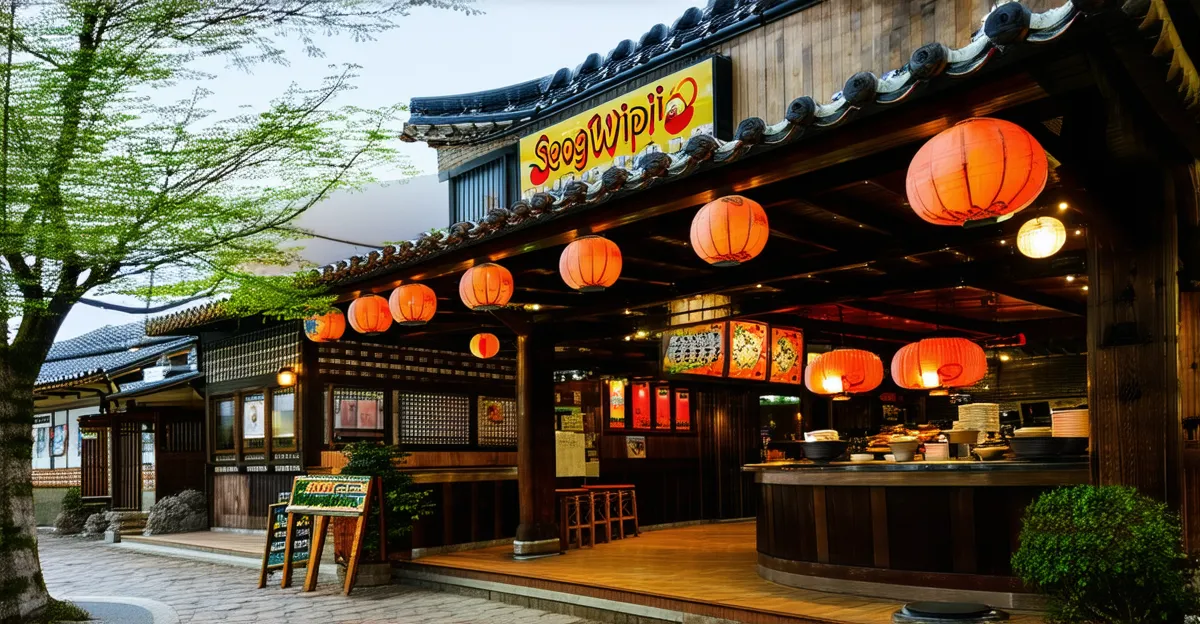
Seogwipo boasts a vibrant culinary landscape brimming with traditional restaurants that celebrate Jeju Island’s rich agricultural bounty and seafaring heritage. Known for its stunning natural beauty and unique local ingredients, this southern city offers an array of authentic dining experiences. From the freshly caught seafood to farm-grown produce, exploring traditional restaurants here is a gastronomical journey that reflects the soul of Jeju’s culture. Discover the must-try local dishes and hidden gems, making Seogwipo a food lover’s paradise.
Key Takeaways
- Seogwipo traditional restaurants offer a variety of authentic local flavors.
- Signature dishes like black pork BBQ and haemul pajeon highlight Jeju’s culinary identity.
- Dining ranges from casual market foods to traditional fine dining experiences.
- Exploring local eateries is essential for a true taste of Seogwipo’s culture.
1. Haemul Pajeon: A seafood Pancake Delight
Haemul Pajeon, a delightful seafood pancake, is a beloved dish in Seogwipo. This mouthwatering pancake features a mixture of fresh seafood, such as shrimp and squid, along with scallions embedded in a crispy batter. It’s both savory and satisfying, making it a popular choice amongst locals and visitors alike. Eating this dish while it’s still hot enhances its flavors.
Traditionally, Haemul Pajeon is best enjoyed with a dipping sauce made from soy sauce and vinegar. This combination brings out the richness of the seafood. Whether you’re at a traditional restaurant or a casual eatery, this dish is a must-try when exploring Seogwipo’s culinary scene.
Pro Tip: Pair your Haemul Pajeon with a glass of local makgeolli for an authentic gastronomic experience.
Where to eat: For the best Haemul Pajeon, head to Seongjusa, known for their fresh ingredients and traditional flavors.
2. Black Pork Barbecue: A Must-Try in Seogwipo
When visiting Seogwipo, you simply cannot miss the opportunity to taste Black Pork Barbecue. This special dish features meat from Jeju’s unique black pigs, celebrated for their rich flavor and tenderness. The pork is typically marinated in a blend of spices and grilled to perfection, allowing the meat’s natural juices to shine.
This barbecue style is often enjoyed with a variety of side dishes, including fresh vegetables and dipping sauces. Many locals favor wrapping the grilled pork in lettuce with garlic and a dollop of ssamjang (a savory dipping sauce) for an explosion of flavors. Enjoying this dish outdoors adds to the experience.
Did you know? Black Pork Barbecue is not just a meal; it’s an essential part of Jeju’s culinary culture.
Where to eat: Consider visiting Jinju Black Pork, famous for its well-marinated cuts and welcoming atmosphere.
3. Bibimbap: The Colorful Rice Bowl Experience
⭐ Recommendation: Don't miss out on amazing Seogwipo tours - book now!
Bibimbap is a vibrant dish that showcases the flavors of Seogwipo’s ingredients. This rice bowl is topped with a variety of colorful vegetables, such as carrots, zucchini, and mushrooms, alongside a protein like marinated beef or tofu. The beauty of Bibimbap lies in its presentation, where each ingredient is arranged artistically.
Additionally, a key ingredient is the spicy gochujang (red chili paste), which adds depth and heat. Mixing every component together before eating ensures a delightful blend of flavors. Notably, many places in Seogwipo offer unique versions of Bibimbap, incorporating local and seasonal ingredients.
Pro Tip: For a richer taste, try adding a fried egg on top!
Where to eat: For an authentic Bibimbap experience, visit Hyangtoburi, known for their fresh and flavorful dishes.
4. Jeju Island Tofu: Fresh and Flavorful Dishes
When exploring Seogwipo traditional restaurants, you cannot miss the delightful offerings of Jeju Island tofu. This tofu is known for its unique, fresh flavor and rich texture, usually made from local soybeans. Often enjoyed in a variety of dishes, Jeju tofu is a staple in the island’s culinary scene. It can be served in a simple stir-fry with seasonal vegetables, allowing the natural taste of the tofu to shine.
Moreover, one popular dish features tofu in a hearty stew. The broth is often enriched with seafood, reflecting the local culinary love for fresh ingredients. You might also find tofu served grilled or pan-fried, drizzled with soy sauce or a spicy dipping sauce, adding an extra layer of flavor.
Pro Tip: Look for restaurants that make their tofu in-house for an authentic and fresh taste!
Where to eat: For a remarkable tofu experience, visit Cheonjiyeon Tofu House or Jeju Tofu Village, where traditional recipes are celebrated.
5. Seafood Stews: Hearty Flavors of the Ocean
Seafood stews are integral to Seogwipo traditional restaurants, showcasing the bountiful marine life around Jeju Island. These stews, often brimming with fresh catch like octopus, fish, and shellfish, are both hearty and satisfying. The base typically includes a rich broth flavored with gochugaru (Korean red pepper flakes) and garlic, lending the dish a spicy yet comforting dimension.
One must-try is the haemultang, a seafood hot pot that allows diners to enjoy an interactive dining experience. Each bowl of stew is packed full of flavor and showcases the freshness of the ocean’s harvest. The mix of vegetables not only enhances the taste but also adds nutrition.
Don’t forget to pair your seafood stew with a side of steamed rice or Jeju Island kimchi for a complete meal!
Where to eat: Check out Samseonghyeol Haemultang or Seogwipo Maeul Haeum for some of the best seafood stews on the island.
6. Traditional Jeju Makgeolli: Rice Wine Tasting
⭐ Recommendation: Don't miss out on amazing Seogwipo tours - book now!
Another delightful aspect of Seogwipo traditional restaurants is the chance to taste Jeju makgeolli, a traditional Korean rice wine with a unique twist. This drink is made from fermented rice, giving it a cloudy appearance and a slightly sweet, earthy flavor. Makgeolli is often enjoyed alongside a variety of dishes, enhancing the overall dining experience.
Visitors can find makgeolli served in many restaurants, but some places offer tastings or even a glimpse into the brewing process. The drink pairs particularly well with pajeon (green onion pancake) and various seafood dishes, making it a perfect match for local cuisine.
Pro Tip: Seek out places that offer homemade makgeolli for the freshest experience!
Where to drink: For an authentic tasting experience, head to Jeju Makgeolli Brewery or Hamdeok Beach Makgeolli House, where the atmospheres are as delightful as the drinks.
7. Grilled Mackerel: A Simple Yet Delicious Meal
Grilled mackerel, known as godeungeo gui in Korean, is a beloved dish in Seogwipo. This simple yet delicious meal showcases the fresh catch of the day. The mackerel is typically seasoned lightly with salt, allowing its natural flavors to shine. After grilling, it is often served with a side of ssamjang (a savory dipping sauce) and a variety of pickled vegetables.
Moreover, grilled mackerel is known for its health benefits. Rich in omega-3 fatty acids, it’s a heart-healthy option that provides both nourishment and satisfaction. While enjoying this dish, many people appreciate the crispy skin alongside the tender and flaky flesh.
Pro Tip: Pair grilled mackerel with a cold beer or a glass of traditional makgeolli for the perfect dining experience.
Where to eat: For the best grilled mackerel, visit Seogwipo Maeul Hoetjip.
8. Abalone: The Ocean’s Crown Jewel Dish
Abalone, known as jeonbok in Korean, is often referred to as the ocean’s crown jewel. Its distinct taste and chewy texture make it a sought-after delicacy in Seogwipo. Traditionally, abalone is prepared in various ways, including steaming or grilling. As a dish, it stands out for its rich flavor and unique bite that seafood lovers adore.
Many traditional restaurants feature abalone as a highlight of their menu, often offering it as part of a multi-course meal. The natural sweet taste of abalone is best complemented by a side of soy sauce or garlic butter. In addition, abalone porridge is a comforting dish that many locals love.
Must-try: Visit Abalone Restaurant in Seogwipo for authentic preparations and delicious options.
Where to eat: You can savor exquisite abalone dishes at Jeju Abalone House.
9. Jeju Tangerine Desserts: Citrus Bliss
Jeju Island is famous for its sweet and juicy tangerines, and these fruits play a prominent role in local desserts. One must-try treat is the Jeju tangerine cake, which is light, moist, and bursting with citrus flavors. Additionally, tangerine marmalade is another popular choice, often enjoyed on toast or as a topping for desserts.
The refreshing taste of Jeju tangerines can also be found in tarts, puddings, and sorbets. These desserts are perfect for those who appreciate a sweet yet zesty flavor profile. They are not only mouth-watering but also visually appealing due to their vibrant orange color.
Sweet Tip: Indulge in Jeju tangerine ice cream on a sunny day for a cool treat!
Where to eat: For the best tangerine desserts, head to Jeju Tangerine Cafe in Seogwipo.
10. local markets: A Taste of Authenticity
Exploring the local markets in Seogwipo is an essential part of experiencing the rich culinary tapestry this city has to offer. These vibrant markets are not only a feast for the eyes but also a treasure trove of fresh local ingredients and traditional dishes. Among the most famous is the Seogwipo Maeil Olle Market, a hub bustling with vendors selling everything from fresh seafood to locally-grown fruits and vegetables.
Here, you can find unique items like Jeju tangerines, renowned for their sweetness and used in many desserts. Additionally, you can sample typical dishes such as haemul pajeon and black pork barbecue made fresh right before your eyes. Making your way through the market, you will encounter the friendly local vendors eager to share their knowledge about each product.
Tip: Visiting these markets in the morning ensures you experience the freshest ingredients and seasonal specialties!
Overall, the local markets present an authentic glimpse into Seogwipo’s culture and its traditional restaurants. Don’t miss the chance to immerse yourself in this culinary adventure by trying the various samples available as you wander through the lively stalls.
Seogwipo’s traditional restaurants present a delightful journey through Jeju’s unique culinary heritage. From vibrant local flavors to exquisite dishes, every meal tells a story of tradition and passion. Don’t miss the chance to indulge in these authentic culinary experiences and share your favorites with fellow food lovers. Start your Seogwipo food adventure today!
Frequently Asked Questions
⭐ Recommendation: Don't miss out on amazing Seogwipo tours - book now!
A: Haemul pajeon, black pork BBQ, and abalone are must-try delicacies when visiting.
A: Local markets and small eateries often provide budget-friendly traditional meals.
A: Jeju cuisine is known for its fresh seafood, black pork, and farm-to-table ingredients.
A: Yes, many restaurants in Seogwipo offer vegetarian-friendly options using local vegetables.
A: Tipping is not customary in Korea, and it’s polite to use both hands when receiving food.
A: Yes, several local guides offer food tours that include visits to traditional restaurants.