
Daegu Cuisines: Explore Local Flavors and Dishes
Daegu cuisines are a delight! Discover must-try dishes, authentic flavors, and dining experiences in this guide for food enthusiasts visiting Korea.
On this page
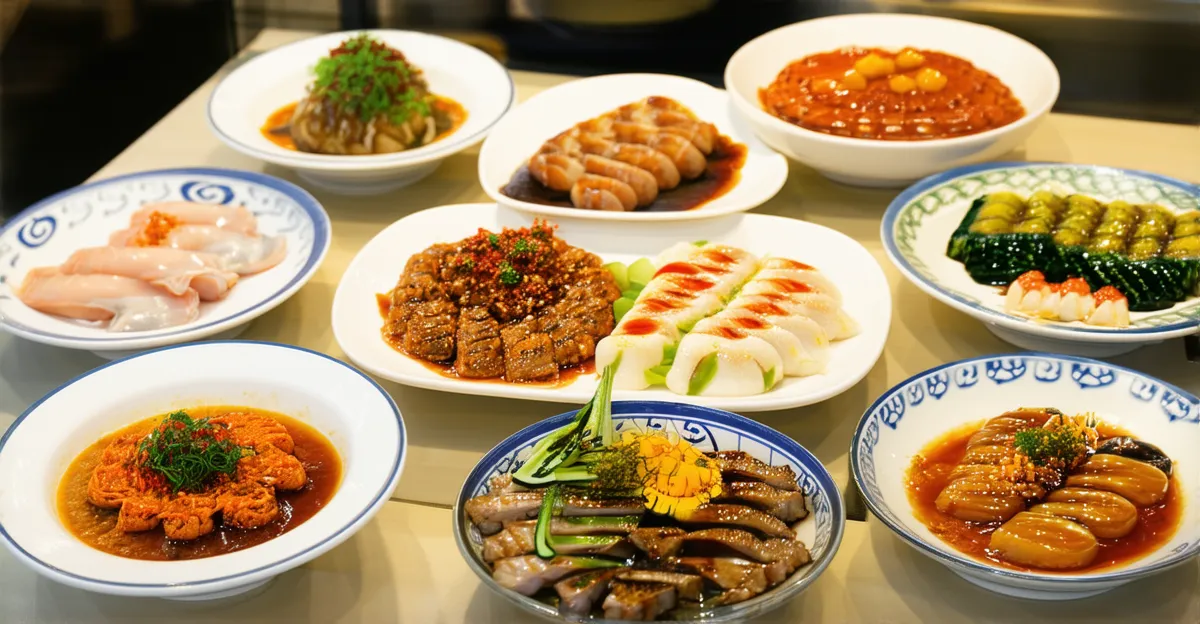
Daegu cuisines offer a vibrant tapestry of flavors that reflect the cultural heritage of the city. Known for its unique dishes and culinary experiences, Daegu has become a must-visit destination for food lovers exploring South Korea. From spicy stews to delectable street food, the city’s local cuisines are a testament to its rich agricultural traditions and bold flavors. In this guide, we invite you to embark on a culinary journey through Daegu, discovering essential local dishes and dining spots that showcase the true essence of the city.
Key Takeaways
- Daegu cuisines offer a diverse range of hearty and spicy flavors that are a must-try for every visitor.
- Signature dishes like Dongnae Jjigae and Gukbap highlight the city’s unique food culture.
- From bustling markets to quaint restaurants, Daegu cuisines cater to various budgets and preferences.
- Exploring local food tours can provide an immersive experience into the culinary traditions of Daegu.
1. Spicy Dongnae Jjigae: A Daegu Culinary Staple
Spicy Dongnae Jjigae is a beloved dish that defines Daegu cuisines with its rich flavors and delightful spiciness. This hearty stew features a base of fermented Korean chili paste known as gochujang, which adds a deep, umami taste. Typically cooked with pork, tofu, and various vegetables, the dish is a perfect harmony of taste and texture.
Locals often enjoy Dongnae Jjigae during colder months when the warmth of the stew offers comfort. Additionally, the dish is often accompanied by a side of rice, making it a complete meal. Many restaurants serve this dish in a shared pot style, allowing diners to scoop out steaming portions directly from the table.
Pro Tip: Pair your stew with a cold glass of Korean beer to enhance the flavors and take your experience to the next level!
Where to eat: Check out Choryang Dongnae Jjigae for authentic flavors or Jjigae Gung, which is famous for its rich broth. Both spots provide a cozy setting for you to enjoy this Daegu culinary staple.
2. Daegu’s Unique Dageul Noodles
Dageul Noodles, a key part of Daegu cuisines, offer a unique twist on traditional Korean noodles. What sets these noodles apart is their interesting texture and slight chewiness, which make every bite a delight. Typically made from buckwheat flour, Dageul Noodles are often served in a cold broth or with spicy sauce, creating a dish that caters to various tastes.
The simplicity of the ingredients allows for the natural flavors to shine, making it a perfect dish during warm days. Additionally, people love customizing their noodles with toppings like sliced vegetables, boiled eggs, or even spicy kimchi.
Did you know? The dish is especially popular among locals for its refreshing quality, ideal for hot summer days!
Where to eat: For an authentic experience, visit Dageul Jung or Wooseong Kalguksu, renowned for their deliciously prepared Dageul Noodles. Enjoy these delightful noodles that showcase Daegu’s culinary creativity!
3. The Comfort of Gukbap: Daegu’s Rice Soup
⭐ Recommendation: Don't miss out on amazing Daegu tours - book now!
Gukbap, or rice soup, is a comforting dish that features prominently in Daegu cuisines. This warm and hearty meal typically consists of a flavorful broth made from meat, vegetables, and rice. Gukbap is incredibly versatile, with variations that include beef, pork, or even fish, allowing for customization based on your cravings.
This dish is particularly popular during cold weather as it provides warmth and sustenance. It is often served with a side of kimchi or banchan, enhancing the flavor experience. For many locals, Gukbap holds a nostalgic value, often enjoyed during family gatherings.
Pro Tip: Try adding a splash of sesame oil for an extra layer of flavor!
Where to eat: For the best Gukbap in Daegu, head to Gukbap House or Hyangrim Gukbap. These eateries are famous for their rich broth and quality ingredients, making for a memorable dining experience.
4. Seolleongtang: traditional Beef Bone Soup in Daegu
Seolleongtang is a beloved dish in Daegu, known for its rich flavor and comforting nature. This traditional Korean beef bone soup is made by simmering ox bones for several hours, which results in a milky-white broth packed with umami. The long cooking time allows the nutrients and flavors to meld beautifully, creating a hearty dish suitable for any meal of the day.
Often served with sliced beef, rice, and various seasonings like salt and pepper, Seolleongtang can be adjusted to individual taste preferences. It is traditionally enjoyed with a side of banchan, which includes pickled vegetables and kimchi, enhancing your dining experience. A warm bowl of Seolleongtang is perfect for those chilly Daegu days.
Pro Tip: To elevate your dish, add a dash of sesame oil and green onions. It truly adds to the flavor!
Where to eat: You can enjoy Seolleongtang at Daegu Seolleongtang or Yonggung Seolleongtang, both known for their authentic recipes and delightful flavors.
5. Sangdeok Sigeumchi: Must-Try Spinach Side Dish
Sangdeok Sigeumchi is a popular spinach side dish in Daegu that showcases the simplicity and freshness of local ingredients. This dish features stir-fried spinach seasoned with sesame oil, garlic, and a sprinkle of sesame seeds. The result is a healthy, flavorful, and light accompaniment, perfect for balancing out richer main dishes.
Spinach is blanched briefly, preserving its vibrant green color and nutrients, making Sangdeok Sigeumchi both eye-catching and nutritious. It is often served as banchan and pairs wonderfully with rice and other hearty entrees. Its delightful flavor and beautiful presentation make it a must-try when dining out in Daegu.
Did you know? This dish is not only tasty but also packed with iron and essential vitamins!
Where to eat: Check out Gugilala or Banchan House for their famous Sangdeok Sigeumchi and other traditional side dishes.
6. Jjolmyeon: The Spicy and Chewy Noodle Dish
Jjolmyeon is a delightful noodle dish that is particularly popular in Daegu. Known for its chewy texture and spicy flavor, Jjolmyeon is made from wheat flour and often served cold, making it a refreshing choice during the warmer months. The noodles are typically tossed in a savory, spicy sauce made from gochujang (Korean chili paste), vinegar, and a hint of sesame oil.
This dish is usually garnished with fresh vegetables such as cucumbers, carrots, and boiled eggs, adding color and nutrition. Additionally, Jjolmyeon can cater to various spice levels, so you can adjust the heat according to your palate. It’s a fulfilling dish that leaves you craving more!
Did you know? Jjolmyeon is often considered a perfect summer meal due to its chilly serving and refreshing ingredients.
Where to eat: For an authentic experience of Jjolmyeon, visit Gyeongju Jjolmyeon or Dongdaemun Jjolmyeon, both favorites among locals.
7. Daegu’s Flavorful Grilled Fish: Sang-eo Gui
⭐ Recommendation: Don't miss out on amazing Daegu tours - book now!
One of the highlights of Daegu cuisines is undoubtedly Sang-eo Gui, a delicious grilled fish dish that showcases the city’s love for fresh seafood. Typically made with various local fish, it is seasoned simply with salt and grilled to perfection over an open flame. This cooking method enhances the natural flavors of the fish while giving it a delightful smoky aroma.
Moreover, Sang-eo Gui is often served with a variety of dipping sauces, such as soy sauce or spicy gochujang, allowing diners to customize the taste to their preference. Often, the dish is accompanied by fresh vegetables and banchan, side dishes that add flavors and textures to the meal.
If you visit Daegu, ordering Sang-eo Gui is a must for experiencing the essence of local seafood.
Where to eat: For an excellent Sang-eo Gui, head to Jinju Grilled Fish or the local favorite Sang-eo Gui House, where the fish is always fresh and expertly grilled.
8. Traditional Korean Breakfast: Banchan in Daegu
Starting your day in Daegu wouldn’t be complete without indulging in a traditional Korean breakfast that often includes banchan, a variety of small side dishes served alongside the main meal. These delightful dishes are usually made from seasonal vegetables, fermented items, and meats, providing a taste of the region’s culinary diversity.
A typical breakfast setup may feature several banchan such as seasoned spinach, pickled radishes, and kimchi, making for a balanced and nutritious start to your day. These small plates encourage sharing and create a communal dining experience, which is an integral part of Korean cuisine.
Pro Tip: Always try to diversify your banchan selection to enjoy the full spectrum of flavors!
Where to eat: Some local places like Wangbi Diner or Daegu Banchan Restaurant offer an array of authentic banchan that you can savor during breakfast hours.
9. Exploring local markets for Fresh Ingredients
When it comes to experiencing Daegu cuisines, exploring the local markets is an absolute must. Markets like Bongdeok Market and Seomun Market offer an endless array of fresh ingredients ranging from vibrant vegetables to seafood straight from the ocean. These markets are bustling with energy and provide a glimpse into the daily life of Daegu residents.
Moreover, you can find a variety of traditional Korean products, including fermented goods such as gochujang and kimchi, which are staples in Daegu cuisine. Interacting with local vendors can also lead to discovering unique ingredients that can enhance your cooking back home.
Visiting local markets not only means fresh flavors but also a deeper cultural understanding of Daegu.
Don’t forget to sample snack items sold at stalls within the markets, as they reflect Daegu’s culinary heritage in a truly authentic manner!
10. Must-Visit Restaurants and Hidden Gems in Daegu
⭐ Recommendation: Don't miss out on amazing Daegu tours - book now!
Experiencing Daegu cuisines means not only savoring the dishes but also immersing in the local dining culture. Daegu is home to a range of restaurants, each offering unique flavors and specialties. Start your culinary journey at Banji Dae, known for its authentic Spicy Dongnae Jjigae with a kick that warms your soul. The cozy atmosphere pairs perfectly with their rich and spicy stew.
If you’re craving fresh seafood, Sang-eo Gui can be found at Daegu Galmaegi, where grilled fish is expertly prepared. For those looking for noodles, don’t miss Gukbap House, famous for its Gukbap, a comforting rice soup that highlights the essence of Daegu’s flavors.
Pro Tip: For authentic street food, visit Seomun Market, where you can sample different local delicacies, including Jjolmyeon and delightful Banchan.
To discover hidden gems, look for local diners without a lot of tourist traffic. Places like Haeundae Dwaejigukbap offer homestyle dishes like Sangdeok Sigeumchi, a must-try spinach side dish. Exploring these local spots not only fills your belly but also gives you a taste of Daegu’s rich culinary tapestry.
Daegu cuisines are a delightful exploration of bold flavors and traditional recipes that invite food lovers to indulge in the essence of Korean culinary culture. With a variety of experiences waiting to be savored, we encourage you to share your favorite Daegu dishes or start planning your food adventure in this vibrant city!
Frequently Asked Questions
A: Daegu is famous for its spicy stews, traditional soups, and unique noodle dishes that reflect its rich culinary heritage.
A: Must-try dishes include Dongnae Jjigae, Seolleongtang, and Jjolmyeon, among others.
A: Yes, local markets and street food stalls offer budget-friendly options to enjoy Daegu’s culinary delights.
A: Joining food tours and cooking classes can provide in-depth insights into Daegu’s culinary traditions.
A: Yes, many restaurants in Daegu offer plant-based dishes, particularly various vegetable banchans.
A: The best Gukbap can be enjoyed at local eateries known for their traditional recipes, like [insert famous restaurant name].