
New Orleans Cuisines: Discover Local Delicacies
New Orleans cuisines are a feast for the senses! Explore gumbo, jambalaya, beignets, and more in this guide to the city’s vibrant food culture.
On this page
New Orleans cuisines reflect a rich cultural tapestry woven from diverse influences, including French, African, Spanish, and Creole traditions. Food lovers come from near and far to indulge in a culinary scene that resonates with jazz rhythms and lively celebrations. From the iconic gumbo to the sweet allure of beignets, New Orleans offers unmatched flavors and unique dining experiences. Join us as we uncover the essential tastes and must-try dishes that define the city’s food scene, making it a must-visit destination for anyone seeking an unforgettable culinary adventure.
Key Takeaways
- New Orleans cuisines offer a blend of French, African, and Creole flavors.
- Signature dishes like gumbo, jambalaya, and beignets are culinary highlights.
- street food and fine dining ensure options for every type of food lover.
- Culinary experiences like cooking classes and food tours enhance the local flavor.
1. Gumbo: A Flavorful Stew of Cultures
Gumbo is a signature dish that embodies the rich tapestry of New Orleans cuisines. This hearty stew is a delightful blend of cultures, combining influences from Creole, Cajun, and African culinary traditions. The base of gumbo is a dark roux, made from flour and oil, which gives it depth and complexity. It is often combined with a mix of meats, seafood, and vegetables like okra and bell peppers.
Indeed, each chef has their unique take on gumbo, leading to variations that feature chicken, sausage, shrimp, or even alligator. As a result, no two bowls of gumbo are ever the same! To enhance your gumbo experience, serve it over fluffy white rice.
Pro Tip: Don’t forget to add a splash of hot sauce for an authentic Louisiana kick!
Where to eat: To enjoy some of the best gumbo in New Orleans, try Commander’s Palace or Mother’s Restaurant, both of which are renowned for their delicious recipes and traditional preparation methods.
2. Jambalaya: The Heart of New Orleans Cuisine
Jambalaya is another staple of New Orleans cuisines that captures the spirit of the city. This one-pot dish is a flavorful mix of rice, vegetables, and meats, often featuring chicken, sausage, and shrimp. Originating from Spanish and French influences, jambalaya is cooked with a variety of spices that bring out the flavors of its ingredients.
There are two main types of jambalaya: Creole, which includes tomatoes, and Cajun, which doesn’t. This dish is perfect for gatherings, as it can easily be scaled up for larger portions and served with crusty bread on the side.
Did you know? Jambalaya often reflects the cook’s creativity and personal taste, allowing for endless variations!
Where to eat: For an unforgettable jambalaya experience, visit Coop’s Place or Palace Cafe, both of which serve deliciously authentic versions of this classic dish.
3. Beignets: Sweet Treats of the French Quarter
🎯 Insider Tip: Discover the best New Orleans experiences with Viator Tours!
No visit to New Orleans is complete without indulging in beignets, the iconic sweet treat of New Orleans cuisines. These fluffy, deep-fried pastries are generously dusted with powdered sugar and are often enjoyed with a cup of coffee or café au lait. Beignets are best enjoyed fresh from the fryer, making them a perfect snack any time of day.
Originating from the French settlers, beignets have become a beloved symbol of New Orleans’ vibrant food scene. The combination of their soft texture and sweet coating makes them irresistible!
Pro Tip: Visit Café du Monde in the French Quarter for the most famous beignets in the city!
Where to eat: If you’re seeking a true beignet experience, head to Café du Monde or Café Beignet, both known for their delicious pastries and charming atmospheres.
4. Crawfish Étouffée: A Southern Staple
Crawfish Étouffée is a quintessential dish representing the flavorful essence of New Orleans cuisines. Combining crawfish — a freshwater crustacean — with a rich, seasoned roux, this dish is a reminder of the city’s culinary heritage. Traditionally served over rice, étouffée is believed to have originated from Cajun and Creole cultures, showcasing a perfect blend of French cooking techniques with local ingredients.
What makes this dish unique is its thick sauce made from a special roux, cooked slowly to allow flavors to develop. The addition of bell peppers, onions, and celery — known as the “Holy Trinity” in Cajun cooking — provides a depth of flavor that is simply irresistible. Prepare to indulge your senses as you savor the spices and rich textures of this Southern delight.
Pro Tip: For an authentic experience, enjoy your crawfish étouffée with a splash of hot sauce.
Where to eat: Head to Coop’s Place for a local favorite or Willie Mae’s Scotch House for soulful flavors in a warm setting.
5. Po’ Boys: The Iconic New Orleans Sandwich
🎯 Insider Tip: Discover the best New Orleans experiences with Viator Tours!
The Po’ Boy sandwich is an iconic representation of New Orleans cuisines. Originating during the Great Depression, it’s a creation of French bread filled with various types of fillings, including fried shrimp, oysters, or roast beef. This sandwich reflects the city’s vibrant culture, with each bite offering a burst of flavor and history.
The bread is crucial; it should be airy and crusty, embodying the classic New Orleans touch. Po’ Boys are often dressed with lettuce, tomato, pickles, and a drizzle of mayonnaise. Additionally, the mysterious “debris” roast beef from leftover meats is a must-try element for those wanting an authentic experience.
Did you know? Some say the best Po’ Boys can be found at local dive bars, offering a true taste of the city.
Where to eat: For the best Po’ Boys, check out Johnny’s Po-Boys or Parkway Bakery & Tavern, each offering their unique spin on this local delicacy.
6. Red Beans and Rice: A Camellia Tradition
Red Beans and Rice is another staple in New Orleans cuisines, often served on Mondays in local homes. This comfort food stems from a combination of red beans, rice, and spices, traditionally slow-cooked with smoked sausage or ham hocks. The dish symbolizes a rich history of resourcefulness and creativity in Cajun and Creole cooking.
Red Beans and Rice is characterized by its creamy texture and deeply flavored sauce. This hearty, nutritious meal was originally made on wash days. As families took care of their laundry, they would simmer the beans, allowing flavors to meld while multitasking.
Pro Tip: Pair it with some crusty French bread to soak up every tasty bite!
Where to eat: Don’t miss Camellia Grill for a homey feel or Mother’s Restaurant for a hearty serving of this traditional dish.
7. Bananas Foster: A Decadent Dessert
One of the most famous desserts to come from New Orleans is Bananas Foster. This delightful dish features ripe bananas cooked in a rich sauce made from butter, brown sugar, cinnamon, and rum. Traditionally, it’s flambéed with a careful touch, adding a spectacular presentation that’s perfect for sharing. The origins of this dessert can be traced back to the 1950s when it was created at Brennan’s Restaurant, making it a true New Orleans classic.
Moreover, Bananas Foster is often served over vanilla ice cream, allowing the warm sauce to melt into the cold treat. This contrast of temperatures and flavors makes it a favorite among both locals and tourists alike. If you have a sweet tooth, this indulgence is a must-try when visiting the vibrant streets of New Orleans.
Pro Tip: For the best Bananas Foster experience, visit the original creators, Brennan’s Restaurant.
Where to eat: Apart from Brennan’s, you can also find delicious Bananas Foster at Cafe Beignet or Commander’s Palace. Don’t miss the chance to indulge in this iconic dessert!
8. Blackened Fish: Sizzling New Orleans Flavors
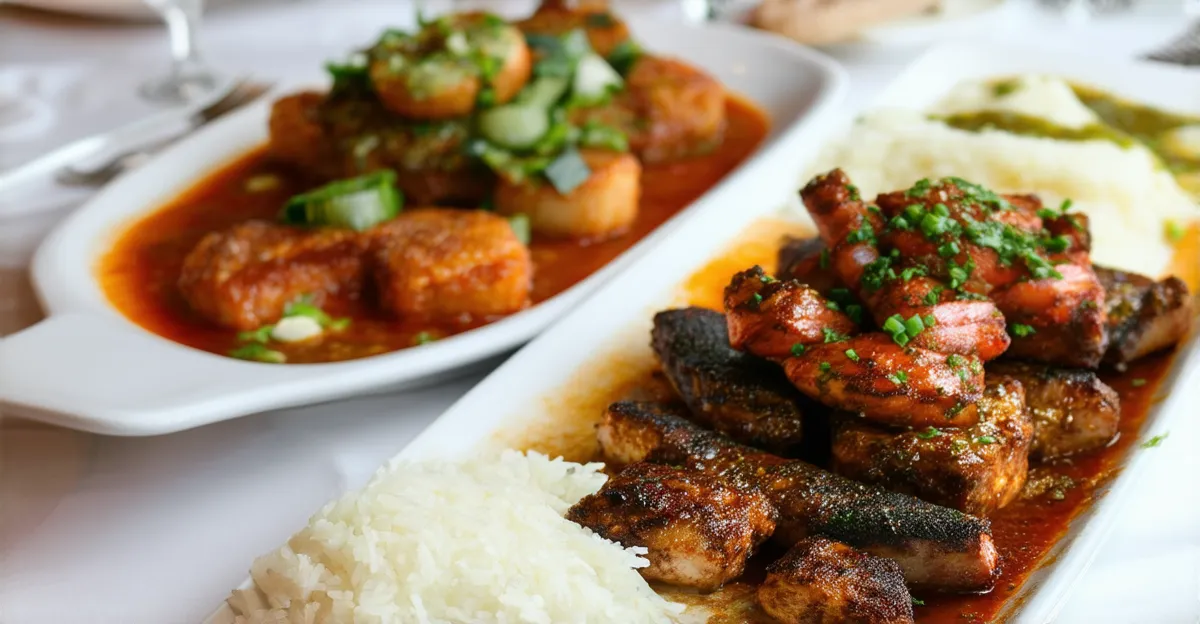
Blackened fish is a staple of New Orleans cuisine that bursts with flavor and character. This cooking method involves seasoning fish fillets—commonly redfish, catfish, or mahi-mahi—with a bold mix of spices, usually incorporating paprika, cayenne, and garlic powder. After seasoning, the fish is cooked in a cast-iron skillet until a crispy, blackened crust forms, locking in the juices and flavors.
This dish reflects the Creole influences in New Orleans cuisine. Furthermore, it is often served with sides like rice, vegetables, or a zesty remoulade sauce, making it a well-rounded meal. It’s not only delicious but also showcases the fresh seafood that the Gulf Coast is renowned for.
Did you know? The blackening technique originated from Chef Paul Prudhomme, who popularized it in the 1980s.
Where to eat: For some of the best blackened fish, head to Casamento’s Restaurant or Acme Oyster House. These local favorites serve up authentic flavors that represent the essence of New Orleans cuisines.
9. Muffuletta: A Hearty Italian Influence
🎯 Insider Tip: Discover the best New Orleans experiences with Viator Tours!
The Muffuletta is a beloved sandwich that showcases the Italian influences in New Orleans cuisines. Originating from the Italian-Sicilian immigrants, this sandwich features a round loaf of sesame-crusted bread filled with layers of salami, mortadella, provolone, and a signature olive salad. The combination of flavors and textures makes it incredibly satisfying.
Often, the olive salad is made up of olives, cauliflower, carrots, and spices, which provide a bright and tangy contrast to the rich meats and cheese. This sandwich is not only popular for lunch but also makes a great picnic option, especially when exploring the beautiful city parks.
Pro Tip: The Muffuletta is best enjoyed after allowing the flavors to meld together for a few hours.
Where to eat: For a true Muffuletta experience, visit Central Grocery, the sandwich’s birthplace, or try Coop’s Place for a tasty twist on this classic.
10. Sazerac: The Culinary Cocktail of New Orleans
The Sazerac is not just a cocktail; it’s a symbol of New Orleans’ vibrant culture and rich history. Originating in the early 19th century, this cocktail combines rye whiskey, a sugar cube, and a few dashes of bitters, all enhanced by the unique flavor of absinthe. The Sazerac is often served in a chilled glass, rinsed with absinthe, and garnished with a twist of lemon peel.
What makes the Sazerac stand out is its perfect blend of sweetness and bitterness, creating a truly refreshing experience. In fact, this cocktail is so beloved that in 2008, it was officially declared the official drink of New Orleans.
Pro Tip: To fully appreciate the Sazerac, take a moment to savor its aroma after preparing. The lemon twist adds a fragrant touch that heightens your tasting experience.
Where to enjoy this iconic cocktail? Head to The Sazerac Bar in the Roosevelt Hotel for an elegant atmosphere or visit Pat O’Brien’s for a lively setting with live music. For a unique twist on the classic, try Bar Tonique, which offers a myriad of seasonal variations.
New Orleans cuisines are a celebration of the city’s rich history and vibrant culture. Whether you’re savoring a bowl of gumbo or indulging in fluffy beignets, the culinary delights of New Orleans offer something for everyone. Don’t wait any longer—embark on your gastronomic journey and share your favorite dishes during your next visit!
Frequently Asked Questions
A: New Orleans is famous for its unique blend of flavors, particularly in dishes like gumbo, jambalaya, and beignets.
A: Dishes like gumbo, jambalaya, po’ boys, and beignets are essential for visitors.
A: Absolutely! street food stalls, food trucks, and local casual eateries provide budget-friendly options.
A: Exploring food markets, joining cooking classes, and taking food tours are all fantastic ways to immerse yourself.
A: Yes, many restaurants cater to vegetarian and vegan diets, including traditional dishes made meatless.
A: The best po’ boys can be enjoyed at local favorites like Johnny’s Po-Boys or Parkway Bakery.