
New Orleans Creole Cuisine: Taste the Local Flavors
Discover New Orleans Creole cuisine! Explore local dishes, historic dining spots, and must-try culinary experiences in this vibrant city.
On this page
Nestled in the heart of Louisiana, New Orleans is a culinary treasure trove, particularly renowned for its Creole cuisine. This unique blend of French, Spanish, African, and Caribbean influences offers a dazzling array of flavors and textures that reflect the city’s rich history. From savory gumbo to sweet beignets, New Orleans Creole cuisine delights food lovers with its diversity and depth. This guide dives into the local dishes and authentic dining experiences that define the city’s unparalleled food culture, making it an essential stop for gastronomes around the world.
Key Takeaways
- New Orleans Creole cuisine is characterized by its rich mix of cultural influences.
- Signature dishes like gumbo, jambalaya, and beignets are a must-try.
- The city offers a wide range of dining options, from casual eateries to fine dining.
- Participating in food tours and cooking classes enhances your culinary experience.
1. Gumbo: A Signature New Orleans Creole Dish
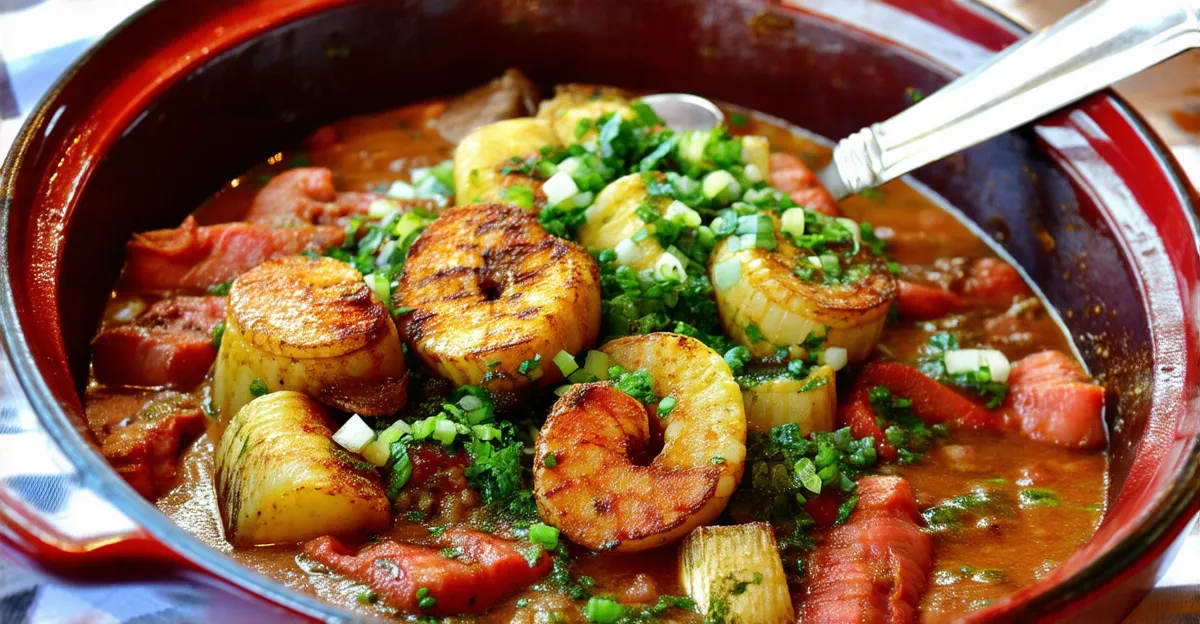
Gumbo is undoubtedly the heart of New Orleans Creole cuisine. This rich and hearty stew is a blend of diverse ingredients that reflect the multicultural influences of the city. Typically, gumbo features a flavorful base of roux, which is a mixture of fat and flour, cooked until it reaches a deep brown color. Next, meats such as chicken, sausage, or seafood are added, along with an array of vegetables known as the “Holy Trinity”—bell peppers, onions, and celery.
The best part about gumbo is its versatility; it can be made with various ingredients, making each bowl unique. Moreover, it’s often served over fluffy white rice, which perfectly complements its savory broth.
Did you know? The origin of gumbo can be traced back to West African and French cuisines, showcasing the rich history behind this beloved dish.
Where to eat: For an authentic gumbo experience, visit Gumbo Shop in the French Quarter or Coop’s Place for a laid-back dining atmosphere.
2. Jambalaya: The Heart and Soul of Creole Cuisine
Jambalaya is another iconic dish that embodies New Orleans Creole cuisine. This one-pot meal is packed with flavors and features a mix of rice, spices, and a variety of proteins such as chicken, shrimp, and sausage. The dish originates from Spanish and French influences, reflecting the city’s rich history.
The process of making jambalaya begins with sautéing meat and vegetables, then adding rice and spices like cayenne pepper for that signature kick. It is often served as a centerpiece during gatherings, making it a communal dish. The blend of cuisine styles and spices in jambalaya creates a party of flavors that is deeply satisfying.
Pro Tip: Always let the jambalaya rest for a few minutes after cooking to allow the flavors to meld perfectly.
Where to eat: You can enjoy a fabulous jambalaya at Mother’s Restaurant, known for its hearty portions, or visit New Orleans Culinary Institute for an elevated version.
3. Étouffée: The Flavorful Crawfish Sensation
🎯 Insider Tip: Discover the best New Orleans experiences with Viator Tours!
Étouffée stands out as a true gem in New Orleans Creole cuisine. This dish typically centers around crawfish, which are smothered in a rich, thick sauce made from a dark roux and a blend of spices. The word “étouffée” translates to “smothered” in French, perfectly descriptive of how this dish is prepared.
Traditionally served over rice, étouffée is a comforting dish that’s packed with flavor. Whether prepared with crawfish or shrimp, the dish is incredibly flavorful, thanks to the spices and the caramelized vegetables that merge together beautifully in the cooking process.
Quick Tip: Pair your étouffée with a side of crusty French bread to soak up every last bit of the delicious sauce!
Where to eat: Cadillac Cafe is highly recommended for your crawfish étouffée fix, while Antoine’s Restaurant, a historic establishment, serves a remarkable version as well.
4. Beignets: Sweet Treats from Café du Monde
No trip to New Orleans would be complete without indulging in beignets, the city’s famed sweet treats. These square-shaped pastries are deep-fried to perfection and generously dusted with powdered sugar, creating a delightful contrast of crunchy exterior and soft, airy interior. Originating from French cuisine, beignets have become a staple of New Orleans Creole cuisine, embodying the city’s rich culinary heritage.
Visit Café du Monde, one of the most iconic spots to enjoy these delicious pastries. The café, established in 1862, serves beignets 24 hours a day, making it a must-visit for both locals and tourists alike. While sipping on a café au lait, you can savor the warm beignets that practically melt in your mouth.
Pro Tip: Be prepared for a bit of a sugar shower as you bite into these delightful treats!
Where to eat: For authentic beignets, head to Café du Monde in the French Quarter, or try Brennan’s for a luxurious twist on this classic dessert.
5. Oysters Rockefeller: A Classic Creole Appetizer
🎯 Insider Tip: Discover the best New Orleans experiences with Viator Tours!
Oysters Rockefeller are a luxurious and flavorful appetizer that hails from New Orleans. This dish features fresh oysters on the half shell, baked with a rich topping made of butter, herbs, and a hint of anise, often flavored with pernod. Named after John D. Rockefeller due to its opulence, it’s an essential part of New Orleans Creole cuisine.
Served hot and bubbling, Oysters Rockefeller offer a unique blend of textures and flavors, making them a favorite among locals and visitors. For a truly authentic experience, pair your oysters with a refreshing cocktail or a glass of crisp white wine.
Did you know? Oysters Rockefeller was created in 1899 at Antoine’s Restaurant and has since become a symbol of New Orleans dining.
Where to eat: Savor this delicious dish at Antoine’s for a historic setting or visit Acme Oyster House for a vibrant atmosphere and fresh coast-to-coast flavors.
6. Red Beans and Rice: A Comfort Food Staple
Red beans and rice is a comforting dish that has long been cherished in New Orleans, particularly on Mondays when families typically prepared this meal. The dish is hearty, consisting of slow-cooked red beans stewed with smoked sausage or ham, and served over fluffy white rice. This delightful combination is a prime example of New Orleans Creole cuisine, reflecting the city’s culinary influences and traditions.
Moreover, red beans and rice is a simple yet flavorful dish. It’s seasoned with spices and herbs, providing a taste of the home-cooked meals in Creole households. Every bite is a delicious reminder of New Orleans’ rich heritage, making it a must-try for every visitor.
Pro Tip: Enjoy it with some hot sauce for an extra kick!
Where to eat: For a taste of authentic red beans and rice, head to Mother’s Restaurant or Gumbo Shop, where you can enjoy this classic dish in a cozy atmosphere.
7. Po’boys: The Quintessential New Orleans Sandwich
The Po’boy is an iconic sandwich that embodies the spirit of New Orleans Creole cuisine. Originating from the early 20th century, this hearty sandwich typically features crispy fried seafood or delicious roast beef tucked inside a soft French bread. The charm of a Po’boy lies not just in its filling but also in its special toppings, which often include lettuce, tomatoes, pickles, and a tangy sauce.
To truly appreciate this culinary staple, one must try the classic versions available throughout the city. Each vendor brings their own flair to the dish, making it a delightful experience for both locals and tourists. Whether you’re indulging in a fried shrimp Po’boy or opting for a traditional roast beef one, you’re guaranteed a taste of the city’s rich flavor.
Pro Tip: Always ask for your Po’boy “dressed,” which means it comes fully loaded with all the tasty toppings!
Where to eat: Head to Johnny’s Po-Boys, renowned for its generous portions and authentic flavors. Another excellent choice is Mother’s Restaurant, famous for their roasted beef version that will leave you craving more.
8. Muffuletta: A Flavor Explosion in Every Bite
The Muffuletta sandwich is another must-try when exploring New Orleans Creole cuisine. This massive sandwich, defined by its round Sicilian bread, is layered with savory ingredients, including salami, ham, cheese, and olive salad. The unique combination of flavors creates a satisfying explosion in every bite.
Originating from Italian immigrants, the Muffuletta has become a beloved classic in the city. The olive salad adds a distinct taste, which perfectly complements the meats and cheeses, while the bread holds everything together. Many locals often share this giant sandwich, making it a perfect meal for a group.
Did You Know? The Muffuletta is so iconic that it even has its own dedicated National Day celebrated in October!
Where to eat: For an authentic Muffuletta experience, visit Central Grocery, known as the birthplace of this famous sandwich. Another great spot is Magasin Creole, which offers a unique twist on the traditional recipe.
9. Tasso and Andouille: The Lynchpins of Creole Cooking
🎯 Insider Tip: Discover the best New Orleans experiences with Viator Tours!
Tasso and Andouille are two types of smoked meats that are essential to understanding New Orleans Creole cuisine. Tasso is a spicy, smoked pork that adds depth and flavor to various dishes, while Andouille sausage is a mildly spiced pork sausage, known for its rich, smoky taste.
These meats are often incorporated into popular dishes, playing a vital role in elevating the flavors of soups, gumbos, and jambalayas. Their unique flavors showcase the Creole tradition of using bold spices and cooking techniques that have been passed down through generations.
Cooking Suggestion: Consider adding Tasso to your next gumbo to give it an authentic Creole kick!
Where to eat: For a true taste of these smoked meats, you can visit Coop’s Place, famous for their gumbo made with Andouille. Additionally, Commander’s Palace features dishes that highlight Tasso in exquisite ways.
10. Traditional Sazerac: A Drink to Complement Your Meal
The Sazerac is not just a drink; it is a historic component of New Orleans Creole cuisine. Originating in the early 19th century, this cocktail exemplifies the unique culture of New Orleans. A classic Sazerac is made with rye whiskey, a sugar cube, a few dashes of Peychaud’s bitters, and a rinse of absinthe, which adds a delightful aromatic finish.
To truly appreciate the Sazerac, consider enjoying it in the ambiance of an iconic bar, where skilled mixologists craft this traditional beverage with care. It is best served chilled and garnished with a lemon twist, enhancing both its flavor and presentation. Furthermore, this cocktail pairs beautifully with many Creole dishes, making it a perfect companion for your dining experience.
Fun Fact: Did you know? The Sazerac is often regarded as one of the first cocktails in America, making it a must-try for cocktail enthusiasts!
For the best Sazerac in town, visit Antoine’s Restaurant or The Roosevelt Hotel’s Sazerac Bar, where you can savor the authentic taste of this storied drink in an elegant setting.
11. Cooking Classes: Learn the Secrets of Creole Cuisine
Does the idea of mastering New Orleans Creole cuisine excite you? Engaging in a cooking class is one of the best ways to dive into the local culinary scene. Many classes are offered throughout the city, where locals share their time-honored recipes and techniques. Whether you’re a beginner or an experienced cook, there’s a class for everyone!
During these classes, you can learn to make iconic dishes like gumbo, jambalaya, and even delectable desserts. Not only will you gather valuable cooking skills, but you’ll also gain insights into the cultural significance of these dishes in New Orleans. The friendly atmosphere encourages questions and interaction, making learning enjoyable.
Pro Tip: Be sure to check if classes include a market visit—it’s a fantastic way to understand ingredient selection!
Consider taking classes at New Orleans School of Cooking or Hands-On New Orleans Cooking Class, both renowned for their knowledgeable instructors and immersive experiences. No doubt, you will return home with new recipes and unforgettable memories.
12. Food Tours: A Culinary Journey Through New Orleans
🎯 Insider Tip: Discover the best New Orleans experiences with Viator Tours!
Exploring New Orleans Creole cuisine becomes even more thrilling when you embark on a food tour. These tours allow you to sample a variety of dishes from different restaurants and food stops while learning about the city’s rich culinary history. A knowledgeable guide will lead you through bustling neighborhoods and share intriguing stories behind each dish.
During a food tour, you will likely taste dishes like gumbo, po’boys, and even sweet treats like beignets. You can also pair your tastings with local beverages like the iconic Sazerac! A food tour not only satisfies your taste buds but also allows you to meet fellow food enthusiasts, creating a social and fun experience.
Did You Know? Many food tours also offer a behind-the-scenes look at how local chefs prepare their dishes, giving you exclusive insights!
For a memorable food tour, consider New Orleans Culinary Tours or Friends of James Beard Tour, both offering delightful culinary journeys through the heart of New Orleans. Don’t miss out on this delectable adventure!
13. Farmers’ Markets: Fresh Ingredients for Creole Dishes
Farmers’ markets in New Orleans are a treasure trove of fresh produce and local ingredients essential for creating authentic New Orleans Creole cuisine. At these bustling markets, visitors can find everything from ripe tomatoes and robust herbs to succulent seafood. Local farmers often set up stalls to showcase their goods, ensuring the community supports sustainable practices while enjoying the freshest ingredients available.
Moreover, markets like the French Market or the Mid-City Farmers Market not only offer fresh produce but also present an opportunity to learn about Creole cooking techniques. Transitioning from farm to table, the ingredients purchased here would star in traditional dishes like gumbo and jambalaya. For anyone wanting to cook like a local, visiting these markets is a must.
Pro Tip: Arrive early to get the best selection and perhaps chat with local chefs who often source their ingredients from these very markets.
Where to shop: For a memorable experience, explore French Market in the French Quarter or check out Broad Street Market for local produce and specialty foods.
14. Historic Restaurants: Dine Where Tradition Lives
Dining at historic restaurants in New Orleans is an experience that connects you to the city’s vibrant culinary history. Places like Antoine’s, established in 1840, continually serve classic New Orleans Creole cuisine and have created timeless dishes that reflect the city’s charm. Each restaurant tells a story, not only through its recipes but also through its stunning architecture and ambiance.
Another standout is Galatoire’s, a must-visit for anyone wanting to experience authentic Creole dining. With its traditional format and lively atmosphere, it’s like stepping back in time. Transitioning from casual eateries to iconic fine dining, the city’s restaurants embrace their roots while providing contemporary twists on classic dishes.
Experience Tip: Make a reservation, especially for dinner, to enjoy a memorable meal without long waits.
For history enthusiasts, dining at Commander’s Palace is incomparable, celebrated for its exquisite dishes and traditional recipes that have stood the test of time.
15. Creole Desserts: Satisfy Your Sweet Tooth
No exploration of New Orleans Creole cuisine would be complete without indulging in its delectable desserts. Sweet treats like bread pudding, often enhanced with a rich whiskey sauce, exemplify the use of local ingredients in dessert-making. Another classic dessert is the creamy King Cake, traditionally served during Mardi Gras, which bursts with flavor and colorful frosting.
Also, make sure to try Bananas Foster, a masterpiece of caramelized bananas served over vanilla ice cream. It’s flambéed tableside, leaving guests in awe of both the preparation and taste. Transitioning from rich cakes to light pastries, the dessert scene in New Orleans is diverse.
Did you know? Many of these sweets are deeply rooted in the city’s French, Spanish, and African heritage, showcasing the blend of cultures unique to New Orleans.
Where to satisfy your cravings: Café du Monde is famous for its beignets, while Manola Bakery offers delightful King Cakes and a variety of other pastries!
New Orleans Creole cuisine represents a vibrant tapestry of flavors and traditions, beckoning food enthusiasts to explore its rich culinary offerings. From soulful meals to delightful desserts, this city promises a feast for the senses. Don’t miss the chance to dive into the unique tastes of New Orleans—share your favorite Creole dishes or start planning your gastronomic adventure now!
Frequently Asked Questions
🎯 Insider Tip: Discover the best New Orleans experiences with Viator Tours!
A: Creole cuisine is a fusion of French, African, Spanish, and Caribbean influences, characterized by bold flavors and diverse ingredients.
A: Don’t miss out on gumbo, jambalaya, étouffée, beignets, and po’boys during your visit.
A: Historic restaurants like Commander’s Palace and Cafe Amelie serve some of the best Creole dishes in the city.
A: Yes, many restaurants offer vegetarian versions of classic dishes and alternatives featuring local vegetables.
A: Joining food tours or cooking classes is an excellent way to immerse yourself in the vibrant culinary culture of New Orleans.
A: Yes, tipping 15-20% is customary in restaurants, just like in many other cities in the U.S.