
Wadi Musa Cuisine: Savor Traditional Dishes
Wadi Musa cuisine is a culinary treasure. Uncover the best traditional dishes and dining spots for an unforgettable food journey in Petra’s shadow.
On this page
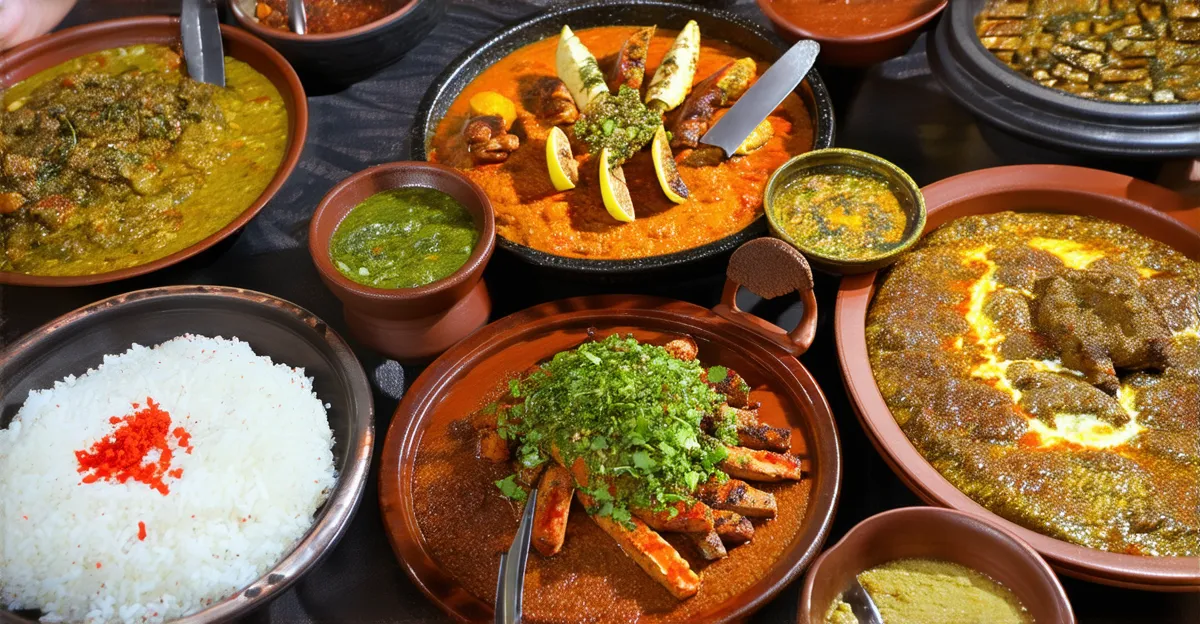
Wadi Musa offers a genuine taste of Jordanian culinary culture, nestled near the iconic Petra. The rich tapestry of flavors and ingredients in Wadi Musa traditional dishes is a reflection of its history and the blending of various cultures over centuries. With everything from hearty stews to aromatic spices, this city provides an array of tastes that delight food lovers. In this guide, we will delve into the best traditional dishes and local dining experiences that will make your visit to Wadi Musa truly memorable.
Key Takeaways
- Wadi Musa cuisine is rich with authentic Jordanian flavors and culinary traditions.
- Signature dishes like Mansaf and Makloubeh showcase the region’s vibrant food culture.
- From street-side stalls to luxurious restaurants, there are dining options for every taste.
- Exploring local markets and participating in traditional food experiences enhance your culinary adventure.
1. Mansaf: The National Dish of Jordan
Mansaf is more than just a meal; it is the national dish of Jordan, showcasing the heart of Wadi Musa traditional dishes. This sumptuous dish consists of tender lamb cooked in a rich fermented yogurt sauce called jameed. The lamb is then served over a bed of aromatic rice and garnished with toasted almonds and pine nuts. Bossed with a delightful flavor, Mansaf is often served during special occasions, gatherings, and celebrations, symbolizing Jordanian hospitality.
Interestingly, Mansaf is traditionally eaten with the hands, which adds to the cultural experience. As you gather around the large platter, it’s a symbol of unity and shared enjoyment. In Jordanian culture, sharing a meal fosters connections and strengthens bonds.
Pro Tip: Don’t be shy about enjoying Mansaf with your hands! This traditional practice enhances the experience.
Where to eat: For authentic Mansaf, visit Al Quds Restaurant or Al Karam Restaurant in Wadi Musa, both famous for their flavorful preparations of this iconic dish.
2. Makloubeh: The Upside-Down Delight
Another highlight of Wadi Musa traditional dishes is Makloubeh, which translates to “upside-down.” This delicious one-pot dish features layers of spiced rice, eggplant, chicken, and vegetables. After cooking, it is flipped upside down onto a serving platter, revealing a stunning presentation. The unique cooking method ensures a wonderful blend of flavors—each bite is a delightful experience!
Makloubeh is often accompanied by a fresh salad and yogurt on the side, enhancing its wholesome appeal. This dish represents the communal aspect of Jordanian dining, where families gather around a single plate to share a meal together.
Did you know? The term “Makloubeh” comes from the method of serving it upside-down, creating a visual treat for all ages!
Where to eat: For a traditional Makloubeh experience, head to Al-Majlis Restaurant or Petra Kitchen, where the dishes are freshly prepared and served with local ingredients.
3. Kebab Hindi: A Wadi Musa Special
⭐ Recommendation: Don't miss out on amazing Amman tours - book now!
Kebab Hindi is one of the flavorful offerings of Wadi Musa traditional dishes. This delectable dish consists of marinated minced meat skewered and grilled to perfection, often seasoned with a blend of spices that give it a unique kick. Kebab Hindi can be enjoyed as an appetizer or main course and is often served with fresh bread, rice, or salad.
It is a popular street food, making it easy for visitors to find while exploring the bustling markets. The smoky flavor from grilling adds an unmatched aroma that fills the air, inviting hungry diners to indulge in this culinary delight.
Pro Tip: Pair Kebab Hindi with a drizzle of tahini sauce for added creaminess and flavor!
Where to eat: For the best Kebab Hindi, check out Al Mufeed Restaurant or Al-Zan Bakery, both well-known for their grilled delicacies in Wadi Musa.
4. Zarb: Traditional Bedouin Barbecue
Zarb is a traditional Bedouin barbecue that showcases the essence of Jordanian cooking. This dish is unique as it is prepared in a very traditional way, often in the desert. Essentially, it involves marinating meat, typically lamb or chicken, and then cooking it in a large pit in the ground. The meat is wrapped in parchment and cooked over hot coals for several hours. The result is incredibly tender and flavorful meat that truly captures the essence of Bedouin hospitality.
While enjoying wadi musa traditional dishes, Zarb stands out for its communal aspects. Sharing this dish is integral to the Bedouin culture. It’s often served with a side of rice, grilled vegetables, and a variety of sauces. This communal cooking method not only enhances the flavors but also strengthens the bonds among those who share it.
Pro Tip: If you’re in Wadi Musa, don’t miss the chance to join a Zarb cooking experience for an authentic taste of Bedouin culture!
Where to eat: You can find the best Zarb at local restaurants like Al-Maghtas Restaurant or enjoy it in a desert camp while experiencing traditional Bedouin hospitality.
5. Mujadara: A Lentil and Rice Staple
Mujadara is a staple dish in Jordan that combines lentils, rice, and caramelized onions. This hearty combination is not only delicious but is also nutritious, making it a popular meal among locals. The lentils provide protein, while the rice adds carbohydrates, making Mujadara a complete meal.
In Wadi Musa, this dish is often served with a side of yogurt and a fresh salad. The mild flavors of the lentils and rice are beautifully complemented by the sweetness of the caramelized onions, creating a balanced and fulfilling dish.
Did you know? Mujadara is a great option for vegetarians and is loved for its simplicity and rich taste!
Where to eat: For a taste of exceptional Mujadara, head to Petra Kitchen or Jordanian Kitchen, where this dish is often featured on the menu as a highlight of Jordanian cuisine.
6. Hummus and Mutabbal: Must-Try Dips
Hummus and Mutabbal are two of the most popular dips in Jordan and are essential when exploring wadi musa traditional dishes. Hummus is made from blended chickpeas, tahini, lemon juice, and garlic, creating a creamy and savory delight. On the other hand, Mutabbal is a smoky, spiced dip made from roasted eggplant, tahini, and garlic, often garnished with pomegranate seeds.
Both dips can be served with fresh pita bread and vegetables, making them perfect appetizers or snacks. They are not only delicious but also packed with nutrients, making them a healthy choice.
Pro Tip: Pair your hummus and Mutabbal with fresh pita bread for an authentic experience!
Where to eat: You can enjoy the best Hummus and Mutabbal at Al-Wadi Restaurant or Al-Sufra Restaurant, both known for their traditional Jordanian appetizers.
7. Falafel: Deliciously Fried Chickpeas
⭐ Recommendation: Don't miss out on amazing Amman tours - book now!
In Wadi Musa, falafel is a beloved street food and is often made from ground chickpeas combined with fresh herbs and spices. This dish is typically deep-fried, giving it a crispy exterior that contrasts beautifully with its soft, flavorful interior. It is not just a snack, but a staple in Jordanian cuisine, perfect for any meal of the day.
Often served in pita bread, falafel is accompanied by tangy tahini sauce or creamy hummus, making each bite savory and delicious. Moreover, its vegetarian nature makes it an excellent option for those seeking meat-free meals.
Pro Tip: Pair your falafel with a refreshing salad or pickles to enhance the flavors!
Where to eat: For the best falafel in Wadi Musa, stop by Al-Quds Restaurant, where locals flock for their perfectly seasoned and crispy falafel wraps.
8. Stuffed Grape Leaves: A Family Favorite
Stuffed grape leaves, known as warak enab, are a cherished dish in Wadi Musa’s traditional cuisine. These tender grape leaves are filled with a mixture of rice, ground meat, and spices, then rolled meticulously and cooked until soft. Each bite delivers a burst of flavors thanks to the herbs and lemon used in the filling.
This dish reflects the essence of Jordanian hospitality, often served at family gatherings and special occasions. While they can be enjoyed warm or cold, many prefer them chilled, enhancing their refreshing taste.
Did you know? Stuffed grape leaves are not just a Jordanian dish; they are popular across the Middle East, each region adding its unique twist!
Where to eat: You can find scrumptious stuffed grape leaves at Petra Kitchen, renowned for their authentic cooking and local flavors.
9. Khobz: Traditional Jordanian Bread
No meal in Wadi Musa is complete without khobz, the traditional Jordanian flatbread. This soft bread is made from simple ingredients: flour, water, and salt, yet it holds a significant place in the country’s culinary culture. Khobz is often used to scoop up stews, dips, and grilled meats, making it a versatile accompaniment.
Traditionally, khobz is baked in a saj, a dome-shaped oven that creates a wonderfully fluffy texture. Many families have their own recipes, passed down through generations, each adding a unique touch to this beloved bread.
Pro Tip: To enjoy khobz like a local, use it to wrap around your favorite meat or scoop up some hummus!
Where to eat: For freshly baked khobz, visit Al-Wadi Restaurant, where you can enjoy it warm straight from the oven.
10. Traditional Sweets: Knafeh and Baklava
⭐ Recommendation: Don't miss out on amazing Amman tours - book now!
When exploring wadi musa traditional dishes, one cannot overlook the delightful realm of desserts. Among the most beloved are Knafeh and Baklava. Knafeh is a rich, cheese-filled pastry soaked in sweet syrup, offering a delightful balance of flavors and textures. Typically topped with crushed pistachios, it’s both a visual and culinary delight. This sweet treat is often enjoyed during special occasions, further emphasizing its significance in Jordanian culture.
On the other hand, Baklava is a well-known pastry that consists of layers of filo dough, filled with chopped nuts and sweetened with honey or syrup. This exquisite dessert is loved not just in Jordan but throughout the Middle East. The combination of crispy layers and sweet nut filling creates an unforgettable taste experience.
Pro Tip: Enjoy these desserts with Arabic coffee for a truly authentic experience that contrasts the sweetness of the pastries.
Where to indulge: For a taste of extraordinary Knafeh, visit Sweifiyeh or Al-Quds, known for their exceptional versions of this classic dish. For Baklava, Al-Muftah offers some of the best in Wadi Musa, making it a must-visit for dessert lovers.
Wadi Musa cuisine invites food enthusiasts to explore its traditional dishes brimming with rich flavors and heritage. The culinary experiences in this city are as stunning as the monuments of Petra itself. We encourage you to embark on this culinary journey, create unforgettable memories, and share your favorite dishes from your trip to Wadi Musa.
Frequently Asked Questions
A: Wadi Musa is known for its traditional Jordanian dishes, with Mansaf being a standout that represents the country’s culinary heritage.
A: Mansaf, Makloubeh, and Zarb are must-try traditional dishes when visiting Wadi Musa.
A: Yes, vegetarian dishes like Mujadara and stuffed grape leaves are popular in Wadi Musa.
A: You can find the best Mansaf at local restaurants, especially those close to Petra.
A: Yes, traditional street food and casual dining options provide affordable meals for every budget.
A: Explore local markets, join food tours, or sign up for cooking classes to immerse yourself in Wadi Musa’s culinary scene.