
Pemba Traditional Dishes: Explore Local Flavors
Discover Pemba traditional dishes in this guide! Learn about local flavors, culinary experiences, and best dining spots for food lovers.
On this page
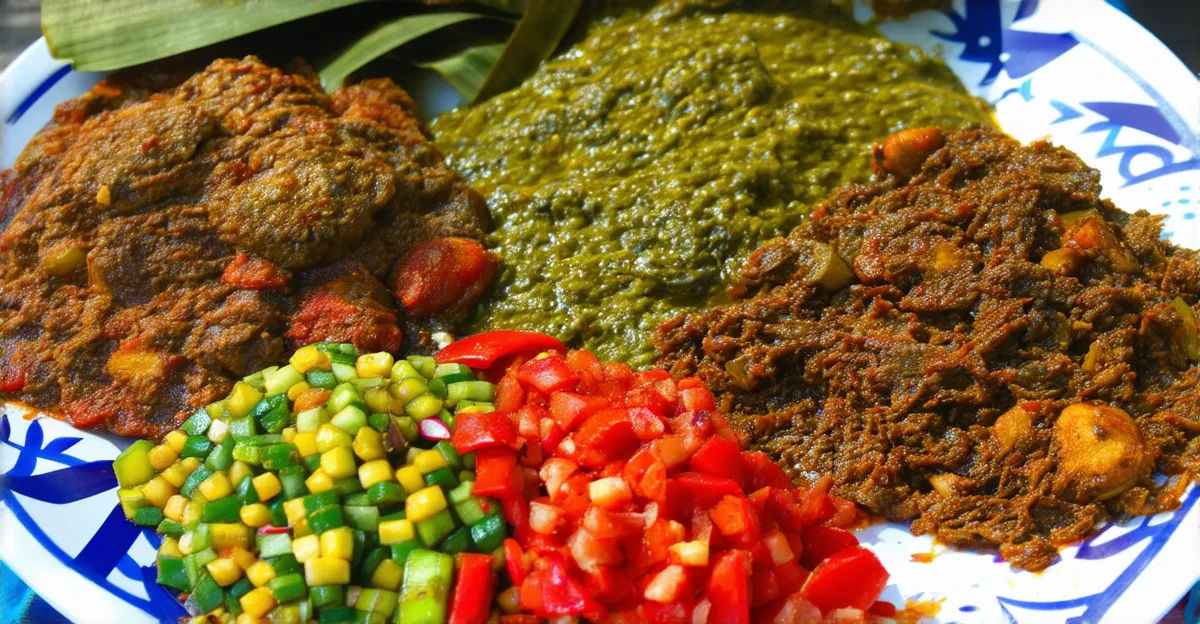
Pemba cuisine is a vibrant tapestry woven from the rich cultural heritage of this breathtaking island in Tanzania. Infused with spices and influenced by various culinary traditions, Pemba offers food lovers an opportunity to indulge in authentic local dishes that are both diverse and delicious. From seafood specialties to unique plant-based offerings, Pemba traditional dishes are a must-try for any culinary explorer. This article takes you on a gastronomic journey through Pemba, highlighting its unique flavors and must-visit dining spots.
Key Takeaways
- Pemba traditional dishes reflect a rich culinary heritage and a variety of flavors.
- Signature dishes like samaki wa kupaka and mishkaki showcase seafood and spices.
- street food and local markets offer affordable yet delightful food experiences.
- Cooking classes and food tours provide immersive insights into Pemba’s cuisine.
1. Uduvi: A Pemba Delight Made from Cassava
Uduvi is a cherished dish in Pemba, made primarily from cassava. This starch-rich root is not only a staple here but also serves as a base for many traditional dishes. The preparation involves peeling and grating fresh cassava before it’s boiled and then mixed with spices to enhance its flavors. Additionally, the combination of ingredients creates a delightful texture that pairs well with various accompaniments.
Often, Uduvi is served with sauces or sides that bring out its deliciousness. For instance, it complements well with spicy stews or a fresh vegetable medley. If you are visiting Pemba, make sure to try this dish—it’s representative of the local culinary tradition.
Pro Tip: Look for Uduvi that is prepared traditionally to get the authentic taste of Pemba’s cuisine.
Where to eat: You can enjoy Uduvi at local eateries like Restaurante Tanga or try it in community gatherings where it is often served.
2. Samaki wa Kupaka: Grilled Fish with Coconut Sauce
Samaki wa Kupaka is a must-try dish when you are in Pemba. This delicious preparation features fresh fish grilled to perfection and drenched in a rich, creamy coconut sauce. The fusion of flavors in this dish is simple yet captivating, as the smoky taste of the grilled fish meets the natural sweetness of the coconut.
Typically, spices like ginger, garlic, and lime are used to marinate the fish before grilling. The result is a tender and flavorful dish that transports you straight to the heart of Pemba’s coastal culture. Samaki wa Kupaka is often accompanied by rice or Uduvi, making it a complete meal.
Did you know? Pairing this dish with a local beer enhances the overall dining experience!
Where to eat: For the best Samaki wa Kupaka, visit Casa da Juventude or Beach Restaurant, where you can enjoy the dish with stunning ocean views.
3. Mishkaki: Spiced Meat Skewers of Pemba
🎯 Insider Tip: Discover the best Pemba experiences with Viator Tours!
Mishkaki is a popular street food in Pemba that you simply cannot miss. These spiced meat skewers are marinated in a unique blend of spices, giving them a rich and vibrant flavor profile. Typically made with beef or chicken, the meat is cut into bite-sized pieces, marinated, and then grilled over an open flame until perfectly charred.
This dish is not only delicious but also portable, making it a favorite among locals and tourists alike. Mishkaki is often served with a side of salsa or spicy sauce, allowing you to customize the heat levels to suit your preference.
Pro Tip: Explore the various flavors by trying different meats, including the goat variation!
Where to eat: To experience authentic Mishkaki, head to local food stalls or check out Mishkaki Center where locals gather for a delicious meal.
4. Pweza: Tantalizing Octopus Preparation
Pweza, or octopus, is a beloved dish in Pemba, showcasing the region’s rich marine resources. This dish is often prepared using fresh octopus that is tenderized before cooking, resulting in a delightful texture that’s hard to resist. Typically, Pweza is marinated with local spices and herbs, giving it a unique flavor profile that captures the essence of Pemba cuisine.
Cooking methods can vary, with options ranging from grilling to stewing. One popular way to enjoy Pweza is grilled, allowing the smoky flavor to enhance the dish. Furthermore, it’s often served with a side of rice or a fresh salad, making for a satisfying meal.
Pro Tip: Always ask for locally sourced octopus. This ensures the freshest taste and supports local fishermen.
Where to eat: For an authentic Pweza experience, visit Chake Chake Restaurant, where traditional recipes meet organic ingredients. Another great spot is Mali Kijiji, known for its vibrant atmosphere and fresh seafood dishes.
5. Wali wa Nazi: Coconut Rice, a Local Staple
Wali wa Nazi, or coconut rice, is a must-try dish when you visit Pemba. This dish combines fragrant rice with creamy coconut milk, resulting in a lush taste that pairs beautifully with various meat and fish dishes. The preparation is quite simple, yet it delivers a unique flavor that is richer and more aromatic than plain rice.
The creaminess of the coconut adds a tropical twist, making it a favorite among both locals and visitors. Wali wa Nazi serves as an excellent side dish, complementing the robust flavors of spiced meats and sautéed vegetables.
Did you know? In Pemba, it’s common to use fresh coconut milk straight from the coconut, which enhances the dish’s flavor.
Where to eat: Head over to Pemba Paradise Restaurant for an authentic plate of Wali wa Nazi. They serve it alongside various seafood dishes, making it a favorite dining spot.
6. Kachori: Flavorful Spiced Fried Pastries in Pemba
🎯 Insider Tip: Discover the best Pemba experiences with Viator Tours!
Kachori is a popular snack in Pemba, offering a burst of flavor in every bite. These delightful pastries are stuffed with a mixture of spiced lentils and herbs, then deep-fried until golden and crunchy. The combination of spices gives Kachori a warmth and depth that captures the essence of Pemba traditional dishes.
People often enjoy Kachori as a snack or appetizer, and they are especially popular during gatherings and celebrations. Pairing Kachori with a tangy chutney or sauce adds an extra layer of flavor that’s simply irresistible.
Pro Tip: Try Kachori with a side of fresh salad for an enhanced taste experience!
Where to eat: For the best Kachori in Pemba, visit Jambo Café, where they serve fresh, homemade versions. You can also find great options at Mama Tumbo’s Kitchen, known for its delicious, local snacks.
7. Karanga: Pemba’s Savory Peanut Sauce
Karanga is a beloved Pemba traditional dish that showcases the island’s abundant local ingredients. This savory peanut sauce is typically made from ground peanuts, which are blended with spices and sometimes mixed with fresh herbs, creating a rich and creamy texture. The beauty of Karanga lies in its versatility; it complements various dishes, especially grilled meats and vegetables, adding a delightful depth of flavor.
People in Pemba enjoy Karanga as a dip or a sauce to drizzle over their meals. This delicious peanut sauce not only enhances the taste of many dishes but also provides a nutritious boost due to the healthy fats found in peanuts. To experience the authentic taste of Karanga, it’s recommended to savor it with mishkaki, a popular skewered meat dish.
Pro Tip: Many Pemba families have their special recipes, so when visiting, don’t hesitate to ask about their unique take on this traditional sauce!
Where to eat: For an authentic tasting, visit Jikoni Restaurant, known for serving traditional dishes, including the best Karanga sauce in Pemba.
8. Vitumbua: Rice Flour Fritters with a Twist
Vitumbua are traditional rice flour fritters that are especially popular in Pemba. Made with a simple batter of rice flour, coconut milk, and spices, these fritters are deep-fried until they reach a golden brown color. Often enjoyed as a snack or breakfast item, Vitumbua are known for their crispy exterior and soft, fluffy inside.
What sets Pemba Vitumbua apart is the unique addition of a touch of cardamom, which adds a delightful aromatic flavor. These fritters can be served plain or alongside a spicy dipping sauce, enhancing their appeal. Additionally, they are sometimes filled with sweetened coconut or a savory mix, providing a twist to the classic recipe.
Did you know? Vitumbua can also be made as mini-pancakes, which are perfect for a quick snack on-the-go!
Where to eat: Head to Fried Fish & More for freshly made Vitumbua that perfectly represent the local flavor.
9. Pemba Spice Mix: The Heart of Local Dishes
The Pemba spice mix is essential for creating the vibrant flavors characteristic of Pemba’s traditional dishes. Locally known as masala, this spice blend often includes a variety of ground spices such as coriander, cumin, turmeric, and chili, among others. The unique combination varies by family and cook, lending each dish a distinctive taste.
This spice mix enhances everything from grilled meats to stews, making it a cornerstone of Pemba cuisine. By using freshly ground spices, the flavors become more pronounced and aromatic, setting Pemba’s culinary creations apart. Whether it’s Samaki wa Kupaka or Mishkaki, the use of this spice blend elevates the dining experience.
Pro Tip: Don’t hesitate to bring back a packet of Pemba’s spice mix as a souvenir to recreate those delicious flavors at home!
Where to eat: For a genuine Pemba experience, visit Chako’s Kitchen, where the chef expertly incorporates local spices into every dish.
10. Local Fruit Tasting: Discover Pemba’s Sweet Offerings
Pemba is not only known for its exquisite traditional dishes, but also for its diverse and tropical fruits. The island’s warm climate provides the perfect setting for growing a variety of delicious fruits. As you explore Pemba, make sure to indulge in local fruit tasting, which is a delightful experience that showcases the island’s natural sweetness.
One of the standout fruits you should try is jackfruit, a large tropical fruit known for its sweet, fibrous flesh. Additionally, the juicy mango and pineapple found in Pemba are simply irresistible. These fruits can be enjoyed fresh, added to salads, or blended into refreshing smoothies.
Pro Tip: Don’t miss trying the wambua, a local fruit with a unique flavor that is often found in rural markets.
Moreover, Pemba’s coconuts are a staple, providing both refreshing water and creamy flesh that can be savored right from the shell. Local fruit vendors can be found throughout the island offering these delicious treats. So, while you savor the traditional dishes of Pemba, take the time to also explore the vibrant fruit offerings that truly capture the essence of this beautiful island.
Where to taste: Visit local markets like Wete Market or Mkoani Market for the freshest selection of local fruits. These markets are lively spots to sample, buy, and enjoy the best of Pemba’s sweet offerings.
Pemba traditional dishes provide an unforgettable culinary experience that highlights the island’s diverse culture. Whether you’re dining at a local restaurant or trying street food, the flavors of Pemba will leave a lasting impression. Don’t miss the chance to explore and savor these authentic dishes on your next visit to this beautiful island paradise!
Frequently Asked Questions
🎯 Insider Tip: Discover the best Pemba experiences with Viator Tours!
A: Must-try dishes include samaki wa kupaka, uduvi, and mishkaki.
A: Local eateries and food markets are great places to find authentic Pemba dishes.
A: Yes, several dishes like uduvi and coconut rice cater to vegetarian diets.
A: Join guided food tours or cooking classes to immerse yourself in the local culinary scene.
A: Yes, street food is generally safe when you choose popular stalls with high turnover.
A: Fresh coconut water and local juices complement Pemba dishes beautifully.