
Pemba Cuisines: A Journey Through Local Flavors
Pemba cuisines are a feast for the senses! Dive into the best local dishes, dining spots, and culinary experiences this island offers.
On this page
Pemba cuisines are a vibrant mix of distinctive flavors influenced by the region’s rich cultural tapestry. Known for its fresh seafood and traditional cooking methods, Pemba Island offers visitors a chance to explore a culinary adventure like no other. With unique local dishes celebrating the island’s heritage, and dining experiences that highlight its traditional practices, discovering Pemba’s food scene is a must for any traveler. This guide will navigate you through the best culinary delights, from street food to fine dining, showcasing why Pemba cuisines are an essential experience for food lovers.
Key Takeaways
- Pemba cuisines showcase an array of fresh seafood and local ingredients.
- Signature dishes like Uroa and Pemba’s spicy fish curry reflect the island’s culinary heritage.
- Street vendors and local eateries provide a diverse range of tasty and affordable meals.
- Culinary experiences such as cooking classes and food tours enrich your understanding of Pemba cuisines.
1. Pemba seafood: Fresh from the Indian Ocean
Pemba Island, located off the coast of Tanzania, is renowned for its breathtaking seafood. The island’s proximity to the Indian Ocean ensures a constant supply of fresh fish, crabs, lobsters, and prawns. Pemba seafood is not only a vital part of local diets but also a significant aspect of Pemba cuisines that draws visitors from all over the world.
Many local restaurants serve daily catches, which are often grilled, fried, or served in rich coconut curries. Fish is typically marinated in a blend of spices, giving it a unique flavor profile that showcases the culinary tradition of the island. Popular choices include barracuda, sardines, and snapper, each prepared with care and attention.
Pro Tip: For an authentic experience, visit a local market to see the day’s catch before enjoying a meal at nearby eateries.
Where to eat: For the freshest seafood, head to Pavilion Restaurant in Chake Chake or Maisha Restaurant in Pemba North. Both offer stunning views alongside their delicious seafood dishes.
2. Uroa: The Unique Spinach and Coconut Dish
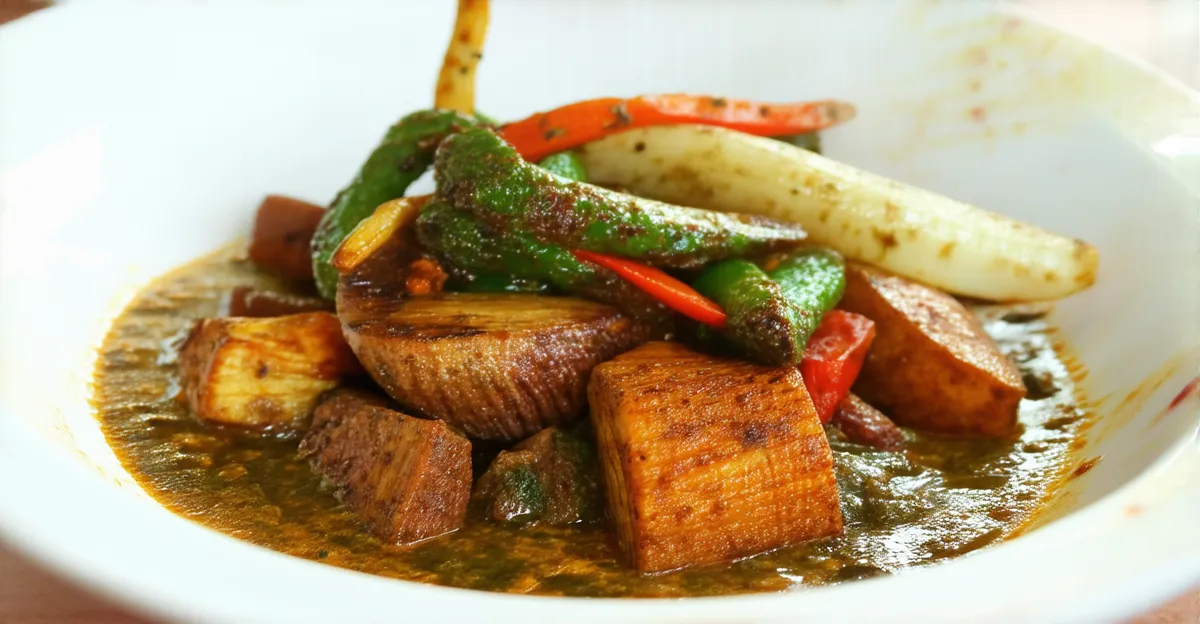
Uroa is a traditional dish that’s distinctly connected to Pemba cuisines. Made from spinach and cooked with creamy coconut milk, this dish embodies the island’s tropical ingredients. It is often seasoned with spices and served alongside rice or flatbreads, making it a fulfilling meal.
This delightful dish showcases how local ingredients can be transformed into something special. Although it sounds simple, the flavor of Uroa comes from the balance of spices and the richness of the coconut. Frequently enjoyed as a side dish, it complements grilled fish and meat perfectly.
Local families often prepare Uroa for gatherings or celebrations, reflecting its importance in Pemban culture. Don’t miss the chance to try it during your visit!
Did you know? Uroa is not just a meal but a reflection of the local gardening methods that emphasize fresh, organic ingredients.
Where to eat: To savor authentic Uroa, check out Pemba Spice Restaurant or Alight Kitchen, both known for their traditional Pemban offerings.
3. Pemba’s Spicy Fish Curry: A Flavorful Delight
🎯 Insider Tip: Discover the best Pemba experiences with Viator Tours!
Pemba’s spicy fish curry is a must-try for anyone wanting to explore Pemba cuisines fully. This dish features succulent pieces of fish cooked in a rich coconut curry sauce that is generously spiced with local ingredients. The inclusion of fresh herbs, chili, and onions creates a tantalizing explosion of flavors.
Typically served with rice or flatbread, this curry brings the taste of the ocean right to your plate. The harmonious blend of spices doesn’t just enhance the flavors of the fish but also reflects the diverse culinary influences found on the island.
Pro Tip: Pair this dish with a side of chapati to soak up the delicious curry.
Where to eat: For a memorable experience, head to Kwale Seafood Restaurant or Coconut Tree Restaurant where you can find some of the best spicy fish curry on the island.
4. Mishkaki: Grilled Skewers from Pemba Cuisine
Mishkaki is a beloved dish in Pemba cuisine, consisting of flavorful skewered meat, often marinated and grilled to perfection. These savory skewers are typically made from beef or chicken, seasoned with a blend of spices that enhances their taste. The grilling process gives them a smoky flavor, making them a popular choice for both locals and tourists.
Often served with a side of spicy sauce, Mishkaki provides a burst of flavors that truly reflect the essence of Pemba cuisines. Many enjoy these skewers during celebrations or as street food—a delightful snack while exploring the island. Vendors often grill them fresh, ensuring that each bite is juicy and tender.
Pro Tip: Pair Mishkaki with a refreshing drink such as coconut water to balance the spices.
Where to eat: For the best Mishkaki, head to Chaanika Restaurant in Wete, known for its tender skewers. Another great place is the Golden Star Restaurant, famous for its flavorful marinades and lively atmosphere.
5. Coconut Rice: A Staple in Pemba Cuisines
Coconut Rice is an essential dish in Pemba cuisines, celebrated for its rich, creamy flavor. Made from fragrant jasmine or basmati rice cooked in coconut milk, it embodies the tropical essence of the island. The use of fresh coconut enhances its taste, making it both a filling and delicious accompaniment to various dishes.
This dish is often paired with grilled meats, curries, or vegetables, making it a versatile option for any meal. Additionally, the subtle sweetness of coconut rice complements the spicy undertones of Pemba’s cuisine beautifully, creating a well-rounded dining experience.
Did you know? Coconut rice is often prepared during special occasions and is a favorite among locals for family gatherings.
Where to eat: You can find delicious Coconut Rice at Pemba Paradise Restaurant. Their authentic preparations pair wonderfully with local seafood. Another recommended spot is Changuu Restaurant, known for enhancing the dish with a blend of spices.
6. Pemba Fruits: Fresh Flavors and Exotic Treats
🎯 Insider Tip: Discover the best Pemba experiences with Viator Tours!
Pemba Island is known for its diverse and tropical fruits, which are a vital part of its cuisine. The Pemba fruits include jackfruit, passion fruit, and mangoes, all bursting with rich flavors and vibrant colors. These fruits are not only delicious but also packed with nutrients, making them a healthy choice for snacks or desserts.
One must-try fruit is the tamarind, known for its sweet and tangy taste that adds a unique flavor dimension to dishes. Additionally, the island is famous for its coconuts, used in many local recipes and enjoyed as refreshing drinks.
Pro Tip: Don’t miss out on trying fresh fruit juices, which are a popular way to enjoy these tropical flavors.
Where to enjoy these fruits: The Pemba Market offers a variety of fresh fruits along with smoothies and juices made from local produce. Another great place is Fruit Stand at Fumba, where you can enjoy direct farm-to-table freshness.
7. Local Breakfast Delights: Pemba’s Morning Cuisine
When visiting Pemba, experiencing the local breakfast delights is a must. Breakfast in Pemba often consists of fresh, locally sourced ingredients that reflect the island’s unique culinary heritage. A popular choice is Chapati, a type of flatbread that can be enjoyed with a variety of fillings. Many locals also savor a dish called Uji, a porridge made from maize flour, often served warm.
Additionally, Mandazi, a deep-fried doughnut-like pastry, is a beloved breakfast treat. It’s slightly sweet and pairs beautifully with a cup of spicy tea. Furthermore, you might find matoke, a delicious boiled banana dish, served with coconut sauce for added flavor.
Pro Tip: Don’t hesitate to try fresh fruit juices made from local fruits during breakfast for a refreshing start to your day!
Where to eat: For an authentic breakfast experience, head to Taste of Pemba or Mapinduzi Cafe, where you can enjoy a variety of traditional morning dishes.
8. Pemba’s Famous Biryani: A Culinary Fusion
Pemba’s Famous Biryani is a dish that combines rich flavors and aromatic spices, showcasing the multicultural influences on Pemba cuisines. Made with fragrant rice, tender meat (usually chicken or goat), and a blend of spices, this biryani is a true culinary delight. The dish is known for its vibrant colors, often derived from turmeric and saffron, which make it visually appealing as well.
The preparation of Pemba Biryani is an art, as it requires careful layering of ingredients to build the rich flavor. Often, it’s served with a side of spicy sauce or kachumbari, which adds a delightful crunch and freshness to the meal.
Did you know? Pemba’s Biryani reflects influences from Arab, Indian, and African cuisines, making it a fascinating fusion!
Where to eat: For a taste of this delicious biryani, visit Shekani Restaurant or Food Corner Pemba, both famous for their flavorful interpretations of this dish.
9. Traditional Zanzibari Pilau: A Hearty Dish
Traditional Zanzibari Pilau is another highlight in Pemba cuisines, known for its rich blend of spices and hearty presence. This dish consists of rice cooked with a variety of spices, including cinnamon, cardamom, and cloves, creating a fragrant and flavorful base. The rice is typically complemented with meat—lamb or chicken is common—along with a mix of vegetables.
Pilau is often enjoyed during special occasions and gatherings, reflecting its significance in the local culture. The dish’s vibrant colors and aromatic spices make it not just delicious but also a feast for the eyes.
Pro Tip: Pair Zanzibari Pilau with some fresh salad or yogurt to balance the spices and elevate your meal!
Where to eat: To experience this authentic Pilau, head to Jambo Restaurant or Arab Street Kitchen, where the dishes are prepared using traditional recipes and methods.
10. The Role of Spices in Pemba Cuisine
Spices play a crucial role in shaping the distinctive flavors of Pemba cuisines. The island’s culinary success hinges on the use of fresh, aromatic spices that are both locally sourced and imported. These spices not only enhance the taste but also reflect the rich cultural influences that have come together over centuries.
Commonly used spices include cloves, cinnamon, coriander, and turmeric. For instance, cloves, which are prominently grown in Pemba, lend a sweet and spicy note to many dishes. Additionally, turmeric adds vibrant color and a warm flavor, making it essential in various curries and rice dishes.
Pro Tip: Don’t miss trying spice blends like harissa, which adds depth to many grilled meats and stews.
Moreover, the use of local spice blends elevates traditional cooking, giving each dish its unique character. Visitors to Pemba will enjoy exploring the fusion of spices that make each meal a delightful experience. As you savor Pemba cuisine, you’ll truly appreciate how each spice contributes to the overall sensory journey.
Where to eat: For an authentic taste of Pemba spices, consider dining at Rasta’s Restaurant, where you can enjoy flavorful dishes infused with local spices, or visit Majestik Beach Hotel for a gourmet twist on traditional recipes.
Pemba cuisines offer a vibrant glimpse into the island’s rich culinary traditions. With every dish reflecting a combination of fresh ingredients, robust flavors, and cultural history, food lovers are encouraged to savor the local flavors of Pemba. Don’t miss out on the unique culinary experiences offered here. Share your favorite Pemba dishes and start planning your culinary explorations today!
Frequently Asked Questions
🎯 Insider Tip: Discover the best Pemba experiences with Viator Tours!
A: Pemba Island is renowned for its fresh seafood, vibrant spices, and unique dishes like Uroa and Pemba Biryani.
A: Some must-try dishes include Pemba seafood curry, Uroa, coconut rice, and Mishkaki.
A: Yes, local street vendors and eateries offer budget-friendly options for enjoying Pemba cuisines.
A: Join food tours, attend local markets, and consider cooking classes for a firsthand experience.
A: Yes, many local dishes can be adapted for vegetarians and vegans, focusing on grains and vegetables.
A: For the freshest seafood, check out local markets and waterfront restaurants around Pemba.