
Nur-Sultan Traditional Cuisine: Discover Authentic Flavors
Dive into Nur-Sultan traditional cuisine. Explore the best local dishes and hidden gems in this guide for food enthusiasts visiting Kazakhstan’s capital.
On this page
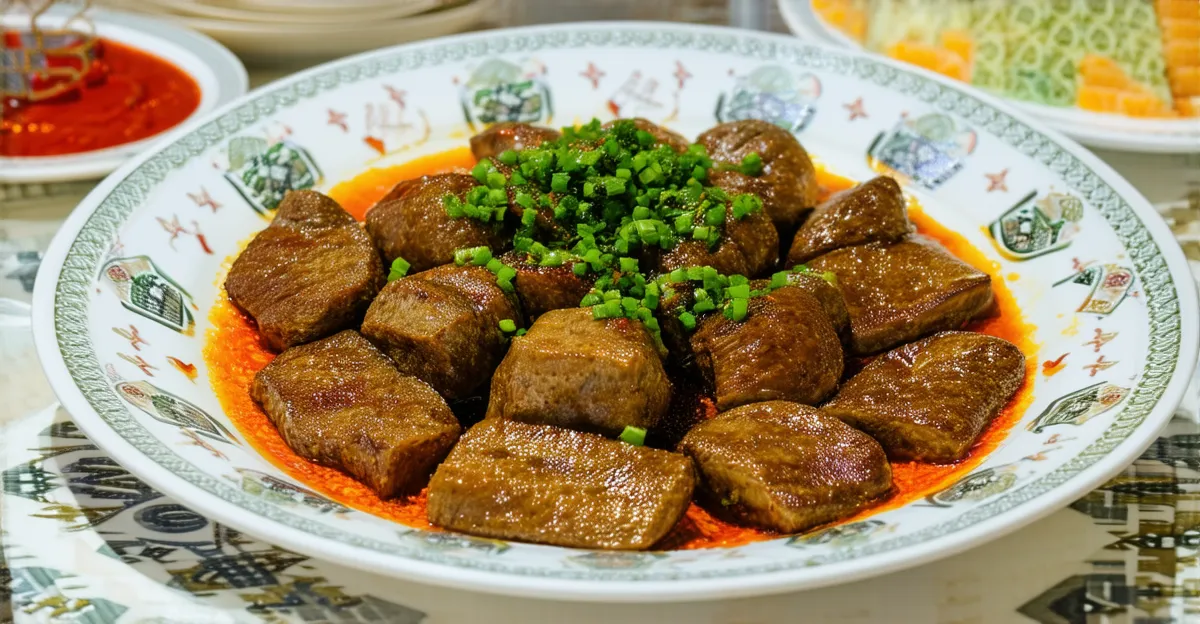
Nur-Sultan traditional cuisine reflects the rich heritage and diverse culture of Kazakhstan, offering a delightful blend of flavors that tell stories of the past. The capital city is a gastronomic destination where ancient recipes and modern interpretations coexist harmoniously. Food lovers will find comfort in hearty dishes like Beshbarmak, tantalizing pastries such as Baursak, and the unique taste of Kazy. Nur-Sultan is not just a place to eat; it’s a city where traditional cuisine is celebrated, making it a must-try for visitors seeking an authentic culinary experience.
Key Takeaways
- Nur-Sultan traditional cuisine is a testament to Kazakhstan’s rich cultural heritage.
- Signature dishes like Beshbarmak and Kazy highlight the culinary traditions of the region.
- From hearty meals to sweet treats, Nur-Sultan caters to diverse palates and preferences.
- Dining experiences in traditional settings enhance the appreciation of authentic flavors.
1. Beshbarmak: The Heart of Nur-Sultan Cuisine
Beshbarmak is widely regarded as the heart of Nur-Sultan traditional cuisine. This beloved dish consists of boiled meat—commonly lamb or beef—served on top of a bed of flat, homemade noodles. It is rich in flavor and cultural significance. Beshbarmak is often prepared for special occasions, celebrating family gatherings and major festivities.
The name “beshbarmak” translates to “five fingers,” reflecting the traditional way of eating it with your hands. It is typically accompanied by a hearty broth known as sorpa, made from the meat used in the dish. Not only is Beshbarmak delicious, but it also tells a story of Kazakh hospitality, as sharing food is an integral part of their culture.
Pro Tip: Make sure to enjoy Beshbarmak the traditional way—savor the flavors while eating it with your hands!
Where to eat: For an authentic Beshbarmak experience, visit Restaurant Dastarkhan, known for its delicious rendition of this iconic dish, or try Asyq Restaurant for a more modern twist.
2. Kazy: Savory Horse Meat Sausage in Tradition
Kazy is a traditional horse meat sausage deeply rooted in Nur-Sultan traditional cuisine. This delicacy is often made from the meat and fat of the horse, encased in the animal’s intestines. The sausage is then seasoned with spices such as garlic and black pepper, giving it a distinct flavor profile.
In Kazakh culture, Kazy is not just food; it symbolizes wealth and generosity. It is often served during weddings, celebrations, and family feasts. The rich taste and unique texture of Kazy make it a must-try for anyone wanting to experience local gastronomic traditions.
Did you know? Kazy can be served cold as a starter or hot as part of a main dish, making it versatile and popular among locals.
Where to eat: For the best Kazy in the city, head to Gakku Restaurant, renowned for its sausage specialties, or try Juldiz Restaurant for a cozy atmosphere and authentic local dishes.
3. Traditional Baursak: Fluffy Pastry Delights
⭐ Recommendation: Don't miss out on amazing Nur-Sultan tours - book now!
Baursak is a popular traditional pastry in Nur-Sultan traditional cuisine. These delightful little fried dough balls are fluffy and usually slightly sweet. Baursak is often enjoyed with tea and serves as both a snack and a dessert during gatherings and celebrations.
The preparation of baursak is quite simple, involving dough made from flour, yeast, water, and a pinch of sugar. After frying, they acquire a golden-brown crust while remaining soft and tender inside. Whether enjoyed plain or drizzled with honey, baursak captures the essence of Kazakh hospitality.
Pro Tip: Pair baursak with a cup of traditional Kazakh tea for the perfect combination!
Where to eat: You can find some of the best baursak at Samal Restaurant or Alasha Restaurant, popular spots known for their traditional Kazakh pastries and dishes.
4. Plov: A Flavorful Rice Dish with a local Twist
⭐ Recommendation: Don't miss out on amazing Nur-Sultan tours - book now!
Plov is a central dish in Nur-Sultan traditional cuisine, known for its rich flavors and hearty ingredients. This dish primarily consists of rice, meat, and an assortment of spices. In Nur-Sultan, the local twist includes the addition of carrots, onions, and sometimes even raisins for a hint of sweetness. The ingredients are typically cooked together in a kazan, a traditional cooking pot that enhances the flavors.
Often served during celebrations or gatherings, plov represents the spirit of Kazakh hospitality. The communal nature of this dish makes it perfect for sharing. As you savor each bite, you’ll experience the depth of its seasonings—a delicate balance between savory and aromatic notes.
Did you know? Plov is not only a meal but also a social event, where friends and family come together to enjoy this iconic dish.
Where to eat: To try authentic plov, visit Line Brew, a popular restaurant known for its traditional Kazakh dishes. Madlen is another excellent choice, where plov is often highlighted on the menu.
5. Manti: Steamed Dumplings of Nur-Sultan
Manti is a beloved dish that has a special place in Nur-Sultan traditional cuisine. These steamed dumplings are usually filled with a mixture of minced meat, often lamb or beef, and seasoned with onions and spices. What makes manti unique is their size; they are larger than typical dumplings and are traditionally served with a side of sour cream or spicy sauce.
Eating manti is a delightful experience, as the soft dumpling skin encases flavorful meat, bursting with juices with every bite. These dumplings are not just a meal; they also embody the warmth of Kazakh culture and tradition, bringing families together at the dining table.
Pro Tip: Enjoy your manti with a drizzle of vinegar and a sprinkle of chili flakes for an extra kick!
Where to eat: For a taste of manti, head to Gakku, which specializes in traditional Kazakh meals. Restaurant Aisha is also great for sampling varied dumpling dishes.
6. Shashlik: Grilled Skewers with a Kazakh Flavor
Shashlik, a popular dish in Nur-Sultan traditional cuisine, consists of marinated meat skewers grilled to perfection. Initially originating from Mongolian influences, this dish has become an integral part of Kazakh food culture. Beef, lamb, or even chicken is typically used, marinated with a blend of spices, and then grilled, resulting in a smoky flavor that is irresistible.
Shashlik is often enjoyed during family gatherings and outdoor barbecues, where the grilling adds an element of festivity. The dish is usually served with fresh vegetables and flatbread, making it a hearty meal that embodies the essence of communal dining.
Did You Know? Shashlik is often paired with traditional beverages like kumys or ayran, which enhances the overall dining experience!
Where to eat: For the best shashlik, visit Beerhouse Nur-sultan, known for its extensive barbecue menu. Porto Maltez also offers delectable grilled options that highlight this delicious dish.
7. Tykvennik: A Sweet Pumpkin Pastry
Tykvennik is a beloved dessert in Nur-Sultan traditional cuisine, cherished for its simplicity and delightful flavor. This sweet pumpkin pastry is typically made with a flaky crust filled with a rich mixture of mashed pumpkin, sugar, and spices. Often, it’s enhanced with cinnamon, which adds warmth and a hint of spice to the naturally sweet pumpkin filling.
This dessert is not just satisfying to the taste buds; it evokes a sense of nostalgia for many locals, as it is often prepared during festive occasions and family gatherings. Moreover, Tykvennik is a great option for those looking for a vegetarian-friendly treat.
Did you know? Enjoying Tykvennik with a cup of tea is a traditional way to savor this delightful dessert.
Where to eat: For an authentic experience, visit Restaurant Beshbarmak, known for its traditional delicacies, or stop by Kazakh Restaurant, where homemade Tykvennik is often served fresh.
8. Kumys: Fermented Horse Milk Brew
⭐ Recommendation: Don't miss out on amazing Nur-Sultan tours - book now!
Kumys is a unique feature of Nur-Sultan traditional cuisine, embodying the nomadic traditions of the Kazakh people. This fermented horse milk brew has a tangy taste and a slightly effervescent quality, thanks to the fermentation process. It’s often considered not only a drink but also a cultural symbol of hospitality.
Rich in probiotics, Kumys is praised for its health benefits, including improved digestion and boosted immune function. Additionally, Kumys is often served during gatherings and celebrations as a traditional drink to honor guests.
Pro Tip: For a truly authentic experience, try Kumys straight from a traditional churn, where the fermentation process is performed manually.
Where to drink: You can find Kumys at local markets or eateries like Khan Shatyr or Shashlyk House, both of which provide local versions of this traditional drink.
9. Traditional Kazakh Tea Culture in Nur-Sultan
Tea holds a significant place in Nur-Sultan traditional cuisine, serving as a drink of choice for social gatherings and family events. Kazakh tea culture includes a variety of teas, typically black or green, and it’s often enjoyed alongside traditional snacks such as baursak or kurt.
This tea experience is often accompanied by lovely rituals, including the serving of tea in small bowls known as chashka, which reflects the hospitality of the Kazakh people. Visitors to Nur-Sultan can immerse themselves in this culture by participating in a traditional tea ceremony, which emphasizes sharing and creating connections.
Fun Fact: Kazakhs traditionally believe that the first cup of tea is for the guests, while the second cup is for the hosts, symbolizing generosity and hospitality.
Where to enjoy tea: For an authentic Kazakh tea experience, visit Tea House Saduqan, where various blends are showcased, or try Shanyrak, known for creating a cozy atmosphere to enjoy local teas.
10. Dastarkhan: The Feast Table of Nur-Sultan Cuisine
The dastarkhan is a significant element of Nur-Sultan traditional cuisine, representing hospitality and a sense of community. It is more than just a table setting; it symbolizes the warmth of Kazakh culture and the joy of sharing a meal with family and friends. Typically laid out for special occasions, the dastarkhan is adorned with an array of dishes that invite everyone to gather and celebrate.
A typical dastarkhan includes a variety of traditional meals, such as beshbarmak, plov, and manti. Each dish plays a crucial role in bringing guests together, serving as a means to showcase the rich flavors of Kazakh cuisine. Beshbarmak, often considered the centerpiece, is a hearty meal made with boiled meat and pasta, served with aromatic broth.
Pro Tip: When seated at a dastarkhan, it’s customary to enjoy your meal while engaging in lively conversations, making it a fulfilling experience.
Additionally, a proper dastarkhan often features various snacks, including baursak and fresh fruits, alongside traditional drinks such as kumys (fermented horse milk). This feast not only showcases the diverse flavors of nur-sultan traditional cuisine but also fosters a spirit of togetherness and appreciation for Kazakhstan’s culinary heritage.
Where to experience a dastarkhan: Visit Restaurant Satti for an authentic dastarkhan experience, where they celebrate Kazakh traditions and cuisines in a vibrant setting.
Experiencing Nur-Sultan traditional cuisine is a journey through Kazakhstan’s cultural heart. Each dish tells a story of history and tradition, enticing food lovers to explore its unique flavors. Whether sampling Beshbarmak at a local eatery or enjoying Baursak with tea, the culinary adventure in Nur-Sultan awaits you. Share your favorite dishes and plan your gastronomic visit to this vibrant city today!
Frequently Asked Questions
A: Nur-Sultan is famous for traditional dishes like Beshbarmak, Kazy, and Baursak that represent Kazakh culinary heritage.
A: Yes, while traditional cuisine is meat-heavy, many places offer vegetarian-friendly dishes like vegetable manti and salads.
A: Enjoy a meal at a traditional yurt or local restaurant that specializes in Kazakh cuisine for an authentic experience.
A: Specialized Kazakh restaurants such as [restaurant names] are renowned for serving delicious Beshbarmak.
A: Tipping is appreciated in Nur-Sultan, and a tip of 10% is generally a good standard.
A: The Kazakh Culinary Festival in summer showcases a variety of traditional dishes and local cooking techniques.