
Lalibela Street Food: A Tasty Guide to Local Eats
Discover Lalibela street food! Explore the best local snacks, authentic flavors, and culinary experiences that this historic city has to offer.
On this page
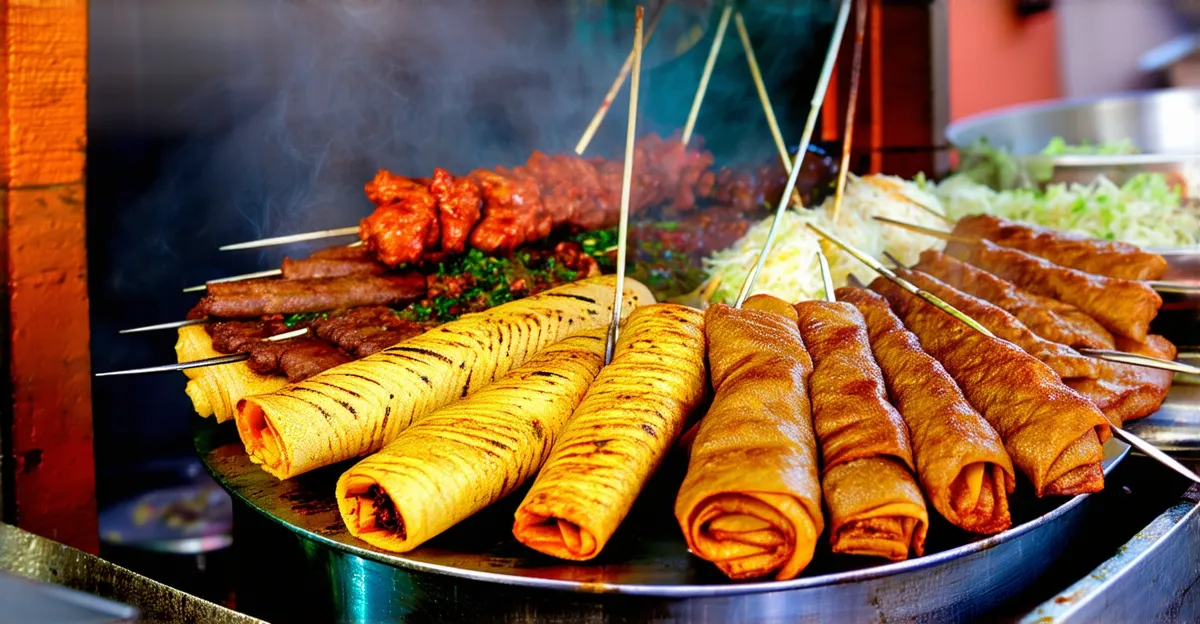
Lalibela is not only famous for its breathtaking rock-hewn churches but also for its vibrant street food culture that showcases the rich flavors of Ethiopian cuisine. The streets of Lalibela are filled with enticing aromas and bustling vendors offering a variety of local dishes that reflect the city’s cultural heritage. This guide delves into the must-try street food delicacies and dining experiences that will leave a lasting impression on every traveler seeking to immerse themselves in the local gastronomy.
Key Takeaways
- Lalibela street food offers a unique blend of traditional Ethiopian flavors.
- Injera is a must-try staple that pairs well with various dishes.
- From savory stews to delicious pastries, Lalibela has options for every palate.
- The local coffee ceremony is a cultural experience not to be missed.
- Street food is an affordable way to explore Lalibela’s culinary scene.
- Don’t forget to visit local markets to sample fresh fruits and snacks.
1. Injera: The Staple of Lalibela Cuisine
Injera is the cornerstone of Lalibela cuisine and a must-try for anyone visiting the city. This sourdough flatbread is made from teff flour, a highly nutritious grain. Its unique texture is soft, spongy, and slightly tangy, which enhances the flavors of various dishes. Traditionally, injera is served on a large communal platter and is used to scoop up stews and salads.
Moreover, injera’s sour taste complements spicy dishes exceptionally well, making it not just a side but a fundamental part of the dining experience. As you enjoy your meal, the vibrant color and intricate design of injera make it visually appealing.
Pro Tip: Try using injera as a utensil to fully immerse yourself in the Lalibela dining experience.
Where to eat: To savor authentic injera, visit Ben Abeba, where you can enjoy breathtaking views along with traditional dishes. Another great spot is Holy Water Restaurant, known for its local ambiance and delicious meals.
2. Doro Wat: Spicy Chicken Stew to Savor
Doro Wat is a hearty, spicy chicken stew that epitomizes Ethiopian cuisine. This dish features tender chicken marinated in a blend of spices, simmered with onions, garlic, and ginger. The result is a rich and aromatic stew bursting with flavor. Doro Wat is typically served with injera and hard-boiled eggs, enhancing the meal.
Additionally, the spice blend used in Doro Wat is known as berbere, which includes chili peppers, garlic, and various other spices. This unique combination gives the stew its signature heat.
Did you know? Doro Wat is often served during special occasions and festivities, making it a dish tied to Ethiopian culture.
Where to eat: For a top-notch Doro Wat, head to Downtown Restaurant, famed for its authentic dishes. Alternatively, try Beehive Restaurant, where you can enjoy a cozy atmosphere along with this delightful dish.
3. Kitcha: traditional Ethiopian Flatbread
💡 Pro Tip: Book your Lalibela adventures in advance through Viator for the best deals!
Kitcha is a traditional Ethiopian flatbread that is a delicious complement to many dishes. Unlike injera, kitcha is made from wheat flour and is pan-fried. This results in a crispy texture that contrasts beautifully with various stews and sauces. Kitcha serves as a perfect base for spreading or scooping up other foods.
Commonly enjoyed for breakfast, kitcha can be served plain or with a drizzle of clarified butter for added richness. It is also an excellent choice for those looking for gluten-free options, as it is typically made with teff flour.
Tip: Pair kitcha with lentil stews for a fulfilling meal.
Where to eat: Visit Lalibela Restaurant for a great selection of dishes with kitcha. Another local favorite is Asmaryan Restaurant, where you can try different versions of this tasty flatbread.
4. Sambusa: Delicious Pastry Snacks
Sambusa are a delightful street food staple in Lalibela, known for their crispy texture and savory fillings. These triangular pastries are traditionally stuffed with a variety of ingredients, with lentils and spiced vegetables being the most popular. When you take a bite, the crunch followed by the bursting flavors inside is simply irresistible!
Not only are they a great snack on the go, but sambusa is often enjoyed with a side of spicy dipping sauce, elevating the experience. They are perfect for satisfying hunger between meals or as an appetizer before the main course. You can find these tasty treats in many street stalls and cafes in Lalibela, making them readily available for anyone eager to try a local favorite.
Pro Tip: Look for sambusa that are freshly made. They taste best when enjoyed hot and crispy!
Where to eat: For some of the best sambusa, visit Lalibela Kitchen, where the atmosphere is welcoming and the flavors are authentic.
5. Shiro: A Flavorful Chickpea Dish
Shiro is a beloved dish in Lalibela, made primarily from ground chickpeas. This thick, creamy stew is typically seasoned with a unique blend of spices, such as berbere, which gives it a distinct Ethiopian flavor. Enjoying shiro means indulging in a mix of comfort and cultural heritage, as it is a dish often served during special occasions and gatherings.
Shiro is versatile; it can be served both spicy and mild, depending on personal preference. Traditionally, it is accompanied by injera, the famous Ethiopian sourdough flatbread, which is perfect for scooping up the delicious stew. Whether for lunch or dinner, shiro is a must-try dish for anyone exploring Lalibela’s street food scene.
Did you know? Shiro is not only delicious but also vegetarian and packed with protein, making it a healthy choice!
Where to eat: Check out Abebe’s Restaurant for a hearty portion of shiro served in a cozy ambiance.
6. Tibs: Savory Sautéed Meat Delights
💡 Pro Tip: Book your Lalibela adventures in advance through Viator for the best deals!
Tibs are a highlight of Lalibela street food, renowned for their rich and savory flavor. This dish consists of sautéed meat, usually beef or lamb, cooked with onions, garlic, and a blend of fragrant spices. Tibs can be prepared in various styles, from spicy to mild, catering to all taste preferences.
What makes tibs special is the authenticity of how they are cooked. Many vendors use traditional methods, ensuring that each bite is infused with deep, satisfying flavors. Typically served with injera, this dish allows diners to savor every last bit of the delectable sauce along with the meat.
Pro Tip: Pair tibs with a side of traditional Ethiopian salad for a refreshing contrast!
Where to eat: For an unforgettable tibs experience, visit Lalibela Traditional Restaurant, where the atmosphere resonates with authentic Ethiopian culture.
7. Tej: Ethiopian Honey Wine Experience
Tej is a traditional Ethiopian honey wine that offers a unique experience for your taste buds. This sweet, fermented beverage is often homemade and features a delightful combination of honey, water, and a special herb called gesho leaves. The preparation and serving of Tej can vary, but it is typically enjoyed during special occasions or social gatherings.
When you sip Tej, you’ll notice a rich, floral aroma, and its sweet taste is refreshing. Moreover, Tej is usually served in a characteristic round bottle called a berele, which enhances its cultural significance. It’s the perfect drink to accompany your Lalibela street food adventures!
Pro Tip: Pair Tej with spicy dishes like Doro Wat for an unforgettable balance of flavors.
Where to drink: For a great Tej experience, visit Ben Abeba, known for its picturesque views and authentic Ethiopian dishes. You can also find local bars and restaurants around Lalibela that serve this traditional drink.
8. coffee Ceremony: A Cultural Must-Do
The Ethiopian coffee ceremony is a cherished cultural tradition that highlights the importance of coffee in Ethiopia. This meticulous process involves roasting green coffee beans over an open flame, grinding them, and then brewing them in a special pot called a jebena.
During the ceremony, family and friends gather to enjoy the freshly brewed coffee, typically served with a side of popcorn or fried snacks. The ritual encourages conversation and bonding, making it an essential part of Ethiopian social life.
Did you know? Ethiopia is considered the birthplace of coffee, so experiencing a traditional coffee ceremony in Lalibela is a must!
To witness this unique tradition, consider visiting local homes or coffee shops in Lalibela. One notable spot is Jebena Coffee House, where you can experience the authentic coffee ritual while savoring delicious street food.
9. Fresh Fruit Stalls: Sweet Local Treats
Lalibela is also home to vibrant fresh fruit stalls that offer an array of local and tropical fruits. As you stroll through the streets, you’ll be enticed by colorful displays of fruits like mangoes, banana, papayas, and pineapple. These natural delicacies are not just delicious; they are often very affordable.
The vendors are friendly and eager to share their knowledge about the various fruits, making it a delightful experience. Additionally, many of these stalls offer fruits that are perfect for snacking on the go, benefiting travelers exploring the rich culture of Lalibela.
Pro Tip: Be sure to try the local irrigated watermelon; it’s known for its sweetness and juiciness!
Where to find: You’ll find fresh fruit stalls scattered throughout Lalibela, particularly near busy markets like Lalibela Market. These spots are ideal for a quick snack or a flavorful addition to your meal.
10. Local Markets: A Food Lover’s Paradise
Lalibela is not just renowned for its ancient rock-hewn churches but also for its vibrant local markets, where lalibela street food comes alive. These bustling markets are treasure troves of fresh produce, spices, and traditional snacks, inviting visitors to immerse themselves in the local food culture. You will find everything from colorful fruits to aromatic spices and freshly prepared meals.
One of the highlights of exploring Lalibela’s markets is the opportunity to sample street food. From hearty injera to spicy doro wat, each stall presents unique flavors that capture the essence of Ethiopian cuisine. Furthermore, the lively atmosphere enhances the experience, as locals gather to socialize and enjoy their meals together.
Pro Tip: Don’t be afraid to try out different stalls! Engaging with local vendors can also provide you insight into their cooking techniques and the history behind the dishes.
Where to explore: The Lalibela Market is a must-visit for food lovers, but be sure to check out smaller local markets for a more authentic experience. Stalls selling sambusa and kitcha are abundant, making it easy to indulge in the diverse tastes of Lalibela.
Lalibela street food is a colorful tapestry of flavors that truly embodies the spirit of Ethiopian culture. From injera and doro wat to refreshing fruits and sweet treats, there’s something for every food lover in this historic city. Embrace the culinary adventure and share your favorite street food spots on your next visit!
Frequently Asked Questions
💡 Pro Tip: Book your Lalibela adventures in advance through Viator for the best deals!
A: Lalibela is known for its injera, doro wat, and vibrant market snacks that highlight Ethiopian culinary traditions.
A: You can find authentic street food at local markets and along the main streets, where vendors offer freshly prepared dishes.
A: Yes, many street food options are vegetarian-friendly, including shiro and various vegetable dishes.
A: As with any destination, choose busy vendors with high turnover to ensure freshness and safety.
A: Tej is a traditional Ethiopian honey wine that can be found in local restaurants and bars throughout Lalibela.
A: Yes, many families and cafes in Lalibela invite visitors to experience the traditional Ethiopian coffee ceremony.