
Lalibela Coffee Culture: Discover Local Brews
Dive into Lalibela coffee culture and explore the finest local brews, traditional ceremonies, and coffee spots in this guide for coffee enthusiasts.
On this page
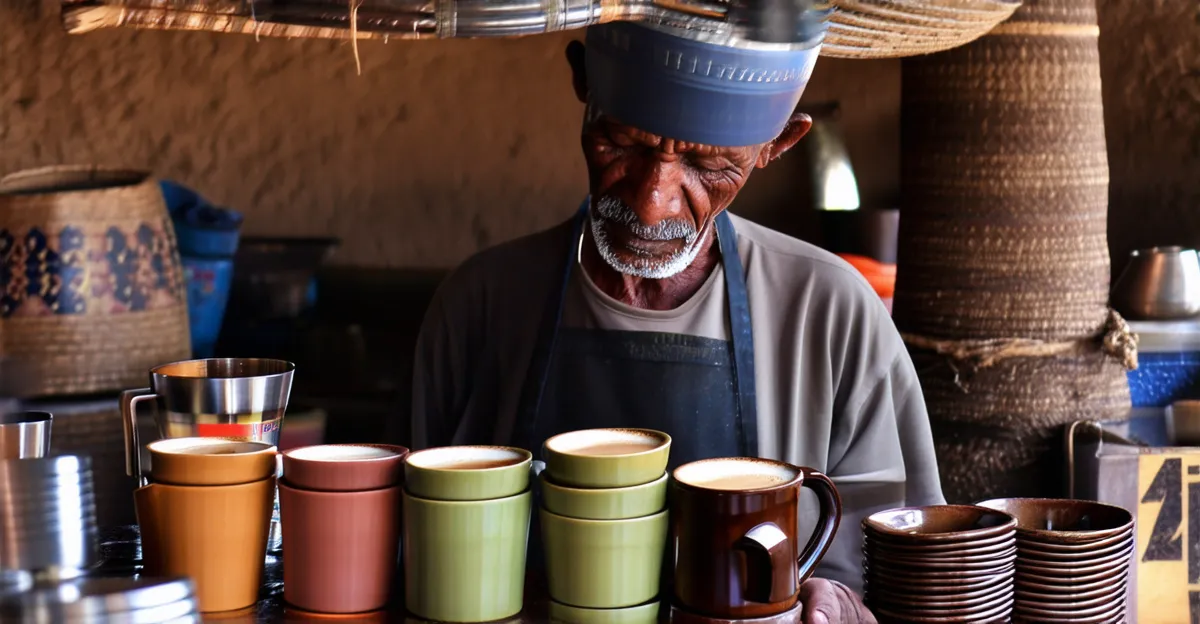
Lalibela coffee culture is rich, vibrant, and deeply embedded in the local way of life. Known for its unique coffee varieties and traditional brewing methods, the city offers an immersive experience for coffee lovers. From the spirited coffee ceremonies to the charming local cafes, Lalibela’s coffee culture is a journey of flavors and traditions that truly captivates. This guide will introduce you to the best coffee experiences in Lalibela, ensuring every visitor leaves with a newfound appreciation for Ethiopian coffee.
Key Takeaways
- Lalibela coffee culture offers a rich tapestry of unique flavors and traditions.
- The Ethiopian Coffee Ceremony is an essential part of the experience.
- Numerous local cafes provide delightful settings to enjoy coffee.
- Awareness of coffee farming practices enhances the appreciation of Lalibela brews.
1. The Origins of Lalibela Coffee Culture
The lalibela coffee culture has deep historical roots that date back centuries. Ethiopia is considered the birthplace of coffee, and Lalibela is no exception to this legacy. The region has its own unique customs and practices surrounding coffee, making it an integral part of the local identity. Historically, coffee was discovered in the Ethiopian highlands when a goat herder noticed his goats becoming invigorated after eating coffee cherries. This led to the cultivation and celebration of coffee in various forms throughout Ethiopian culture.
In Lalibela, coffee is not just a beverage; it symbolizes hospitality and connection. The coffee culture here reflects the rich traditions and rituals that have evolved over time. Additionally, social gatherings often revolve around coffee drinking, showcasing a blend of community and spirituality that is unique to the region.
Did you know? The cherished coffee beans in Lalibela are often grown in the wild, ensuring a rich flavor profile that is distinct to this area.
2. Ethiopian Coffee Ceremony: A Must-Experience
The Ethiopian coffee ceremony is an experience like no other. In Lalibela, this traditional ritual is crafted with care and attention. It typically begins with the roasting of green coffee beans over an open flame. As the beans roast, a rich and aromatic fragrance fills the air, drawing everyone in with anticipation. Once roasted, the beans are ground using a mortar and pestle, then brewed in a special pot known as a jebena.
This ceremony can take several hours, creating a space for conversation and connection. It is customary for guests to share stories while sipping the freshly brewed coffee. Moreover, the experience includes the serving of small snacks, often popcorn or bread, to accompany the strong brew. This gathering strengthens social bonds and showcases the high esteem in which coffee is held in Lalibela.
Pro Tip: Always be respectful and patient during the coffee ceremony, as it is a cherished tradition that reflects the community’s values.
3. Best Coffee Spots in Lalibela
💡 Pro Tip: Book your Lalibela adventures in advance through Viator for the best deals!
If you’re looking to immerse yourself in the lalibela coffee culture, there are several must-visit coffee spots where you can enjoy a rich cup. Start your journey at Ben Abeba, a stunning restaurant and café that offers breathtaking views along with expertly brewed coffee. The ambiance is warm, and you can truly experience the Ethiopian coffee ceremony here.
Another great spot is Fikir Kibet Coffee, known for its authentic atmosphere and friendly staff. This café provides a truly local experience as you sip on delicious coffee while mingling with the community. Lastly, don’t miss Summit Coffee, where you can enjoy a variety of blends sourced from local farmers. It’s a cozy place to relax and enjoy what Lalibela has to offer.
Local Tip: Try to visit after 3 PM for a chance to participate in community gatherings over coffee.
4. Unique Coffee Varieties from Lalibela
Lalibela, known for its rich coffee culture, offers unique coffee varieties that reflect its heritage. The mountainous region of Lalibela provides the perfect climate for growing different coffee beans. Here, the Arabica beans flourish in the high altitude, resulting in distinct flavors. These beans are often more fragrant and flavorful compared to their Robusta counterparts.
What sets Lalibela coffee apart is the traditional methods of farming and processing. Farmers utilize natural and organic practices, which contribute to the vibrant taste and aroma of the coffee. Many local variants showcase fruity and floral notes, captivating anyone who takes a sip. The Yirgacheffe coffee, famous for its bright acidity, is another highlight that dealers often promote.
Did you know? Lalibela coffee is often unblended, allowing the natural flavors of the beans to shine through, making each cup a unique experience.
When in Lalibela, be sure to seek out these unique coffee varieties at local cafes and markets, where you can truly appreciate the essence of Ethiopian coffee.
5. Coffee and Community: Social Aspects of Coffee Culture
In Lalibela, coffee is more than just a beverage; it’s a cultural cornerstone that fosters community and connection. The tradition of sharing coffee brings friends, family, and neighbors together, strengthening social bonds. People gather in homes, cafes, or community spaces to enjoy coffee, share stories, and support each other.
The renowned Ethiopian Coffee Ceremony plays a vital role in this culture. This elaborate ritual not only emphasizes the importance of coffee but also showcases the values of hospitality and friendship among families and friends. Participants often engage in conversation during the preparation and sipping of the coffee.
Pro Tip: Participate in a local coffee ceremony to fully immerse yourself in Lalibela’s coffee culture and experience the warmth of the local community.
Through coffee, communities connect, celebrate, and build relationships, making Lalibela’s coffee culture an integral part of its vibrant social landscape.
6. How Coffee is Grown: A Look into Ethiopian Coffee Farms
💡 Pro Tip: Book your Lalibela adventures in advance through Viator for the best deals!
Coffee in Lalibela is grown on lush, green farms situated in the highlands of Ethiopia. The climate, with its rich volcanic soil and ample rainfall, creates the ideal conditions for cultivating high-quality coffee beans. Farmers in this region often employ traditional farming techniques that have been passed down through generations.
The coffee plants thrive in shaded environments, which minimize the need for chemical fertilizers and pesticides. This organic approach not only preserves the environment but also enhances the flavor profile of the beans. Farmers carefully handpick the ripe cherries, ensuring only the best beans make it into the final product.
Interesting Fact: Most coffee in Lalibela is grown under shade trees, which promotes biodiversity and protects the local ecosystem.
Visiting a coffee farm in Lalibela provides a deeper understanding of the journey from seed to cup. You can witness firsthand the meticulous care given to the plants and the passion of the farmers, who take pride in every harvest.
7. Tasting Notes: What to Expect from Lalibela Coffee
Lalibela coffee is renowned for its unique flavor profile that captivates coffee lovers around the world. Typically, you can expect fruity and floral notes, often with hints of jasmine, berry, and a touch of wine-like acidity. The high-altitude region of Lalibela, combined with its volcanic soil, creates ideal conditions for growing exceptional coffee beans.
When tasting Lalibela coffee, you may notice a smooth body and a balanced finish. This makes it perfect for those who enjoy a complex yet approachable cup. Moreover, many local roasters emphasize light to medium roasting to preserve the beans’ inherent flavors, allowing for a delightful sensory experience.
Pro Tip: For the best experience, brew your Lalibela coffee using a French press or pour-over method to fully appreciate its rich aroma and nuanced flavor.
So, when you visit Lalibela, don’t miss the opportunity to indulge in this exquisite coffee. It’s more than just a drink; it’s a celebration of the region’s culture and natural bounty!
8. Coffee Pairings: Local Snacks and Dishes to Enjoy
To fully enjoy Lalibela coffee, pairing it with local snacks or dishes can enhance the tasting experience. One traditional pairing is Enkulal Firfir, scrambled eggs mixed with spices, providing a savory contrast to the coffee’s floral notes. Additionally, Dabo Kolo, a crunchy roasted barley snack, complements the coffee’s flavor profile, offering a delightful crunch.
For a sweeter option, consider Pasta or Traditional Bread dipped in honey or served alongside local cheese. These combinations bring a harmonious balance, marrying the richness of the coffee with the flavors of Ethiopian cuisine.
Did you know? Coffee in Ethiopia is often enjoyed with snacks during social gatherings, making the experience even more special.
Wherever you are in Lalibela, embrace these local pairings for a truly authentic coffee experience. Each combination tells a story of Ethiopian culinary tradition.
9. Crafting Your Own Brew: Coffee at Home
Bringing the essence of Lalibela coffee home is a rewarding experience. First, it’s essential to source high-quality beans, preferably single-origin Ethiopian beans that encapsulate the region’s rich flavors. Start by roasting the beans lightly to allow the natural notes to shine through.
Next, grind the beans just before brewing to capture their freshness. You can use a manual grinder for better control or an electric one for convenience. For brewing, consider traditional methods like a Jebena (Ethiopian coffee pot) or a French press for a full-bodied taste.
Pro Tip: Experiment with the coffee-to-water ratio to find your personal preference, typically starting with 1:16 for a balanced cup.
Lastly, don’t forget to pair your homemade brew with some local snacks, enhancing your coffee journey from Lalibela right in your kitchen. Enjoy the process and share the experience with friends to celebrate the rich culture of Ethiopian coffee.
10. The Future of Coffee Culture in Lalibela
The future of lalibela coffee culture looks promising, as both local and international interest in Ethiopian coffee continues to grow. With the rise of specialty coffee shops and an increasing appreciation for high-quality brews, Lalibela is well-positioned to become a significant player in the global coffee scene. As tourism increases, more visitors are eager to experience the rich traditional practices surrounding Ethiopian coffee.
Moreover, initiatives aimed at promoting sustainable farming practices are gaining traction among local farmers. These practices not only enhance the quality of the coffee but also ensure the well-being of the community and the environment. As the demand for ethically sourced coffee rises, Lalibela’s farmers are getting more support and education to meet these new standards.
Pro Tip: Keeping an eye on the trends in coffee cultivation and brewing can give you insights into the evolving taste and preferences in Lalibela.
In addition, as technology advances, we can expect to see improvements in coffee processing methods, which will further elevate the unique flavors of Lalibela coffee. Collaborations between local farmers and global coffee enthusiasts will likely foster innovation while honoring ancestral traditions.
Overall, the future of coffee culture in Lalibela is bright, with opportunities for growth and sustainability at its core.
Lalibela coffee culture is not just about enjoying a cup but indulging in a rich tradition that connects the community and history. From the lively coffee ceremonies to the unique flavors of local brews, there’s so much to explore. Plan your visit to indulge in Lalibela’s captivating coffee experiences and share your favorites with fellow coffee lovers!
Frequently Asked Questions
💡 Pro Tip: Book your Lalibela adventures in advance through Viator for the best deals!
A: Lalibela coffee culture is tied to its ancient traditions and unique brewing methods, making it a rich experience.
A: Coffee is usually prepared through a traditional ceremony, involving roasting green beans and brewing them in a jebena.
A: Local cafes, restaurants, and private homes host coffee ceremonies where you can experience authentic brews.
A: Yes, Lalibela is known for several unique coffee varieties, each with distinct flavors.
A: Local snacks like popcorn, injera, or roasted barley complement the coffee well.
A: Yes, many local cafes offer workshops and demonstrations on traditional coffee brewing.