
Lalibela Cuisines: Discover Rich Ethiopian Flavors
Lalibela cuisines delight food lovers! Explore the best injera, doro wat, and local dining experiences in this guide to Ethiopia’s culinary heritage.
On this page
Lalibela, known for its stunning rock-hewn churches, is also a treasure trove of rich Ethiopian cuisines. The local culinary scene is deeply rooted in tradition, offering vibrant flavors and unique dining experiences that showcase the country’s heritage. From the iconic injera to aromatic stews, Lalibela cuisines provide travelers with a chance to savor the essence of Ethiopian culture. This guide will lead you through the must-try local dishes and the best dining spots, ensuring that your taste buds embark on an unforgettable journey.
Key Takeaways
- Lalibela cuisines feature a diverse range of authentic Ethiopian flavors.
- Signature dishes like injera and doro wat highlight the local food culture.
- From street stalls to cozy restaurants, there are options for every budget.
- Experiencing a traditional coffee ceremony offers a deeper insight into Ethiopian customs.
1. Injera: The Staple of Lalibela Cuisines
Injera is more than just a food item; it’s the heart of Lalibela cuisines. This spongy, fermented flatbread, made from teff flour, serves as both a dish and a culinary utensil. Its unique texture and slightly sour taste complement a variety of stews and toppings. Traditionally, injera is used to scoop up flavorful dishes, making it essential to the dining experience in Lalibela.
One interesting aspect of injera is its cultural significance. It is often served on a large communal platter, promoting shared meals that reflect the communal spirit of Ethiopian culture. Notably, injera is gluten-free, making it suitable for many dietary needs.
Pro Tip: Be sure to try injera with various stews to appreciate its versatility and the depth of flavors found in Lalibela’s vibrant cuisine.
Where to eat: You can find delicious injera at local favorites like Ben Abu Restaurant or Panorama Restaurant, both known for their authentic Ethiopian meals.
2. Doro Wat: Spicy Chicken Stew of Lalibela
Doro Wat is a beloved dish that showcases the bold flavors of Lalibela cuisines. This spicy chicken stew is rich in flavor, made with tender chicken pieces simmered in a sauce of onions, garlic, and a blend of traditional spices, including berbere. It often includes hard-boiled eggs, adding to its robust texture and flavor.
This dish is typically served during special occasions and holidays, making it a festive centerpiece for many Ethiopian tables. The spicy kick of Doro Wat is not only tantalizing but also an essential part of the Ethiopian culinary identity.
Did you know? The longer the stew simmers, the richer the flavors become, making patience a key ingredient in its preparation.
Where to eat: For an unforgettable Doro Wat experience, visit Seven Olives Restaurant or Yemeni Restaurant, both renowned for their authentic interpretations of this classic dish.
3. Kitfo: Raw Minced Meat Delicacy in Lalibela
💡 Pro Tip: Book your Lalibela adventures in advance through Viator for the best deals!
Kitfo is a traditional Ethiopian dish that highlights the rich flavors of Lalibela cuisines. Made from finely minced raw beef, seasoned with spices such as mitmita and nit’r kibbeh, this dish is known for its fresh and bold taste. Kitfo can be served raw, lightly cooked, or fully cooked, allowing diners to choose according to their preference.
Despite its unique preparation, kitfo embodies the essence of Ethiopian hospitality. It’s often accompanied by a side of gomen (cooked greens) and served on a platter of injera, making each bite a harmonious blend of flavors.
Pro Tip: If you’re adventurous, opt for the raw version to appreciate the authentic flavors in their purest form!
Where to eat: For an authentic kitfo experience, check out Garma Restaurant and Red Terror Martyrs Restaurant. Both places serve high-quality kitfo that’s sure to delight.
4. Tibs: Sautéed Meat Dishes to Savor
Tibs are a popular and delicious feature of Lalibela cuisines. This dish consists of sautéed meat, often lamb or beef, cooked with a variety of spices and sometimes vegetables. The meat is usually cut into bite-sized pieces and can be prepared in different ways—spicy or non-spicy, dry or wet. Each variation has its own charm, making it adaptable to different tastes.
What sets Tibs apart is the cooking method. The meat is generally seared at high temperatures to achieve a caramelized exterior while keeping it tender inside. Additionally, it’s common to find Tibs served on a sizzling hot plate, which enhances its appeal and ensures the flavor remains intact.
Pro Tip: Enjoy Tibs with a side of injera, Ethiopia’s famous sourdough flatbread, to absorb all the delicious juices.
When in Lalibela, consider visiting local restaurants such as Ben Abeba or Tana Hotel for a delightful Tibs experience that captures the essence of Ethiopian flavors.
5. Shiro: A Nutty Chickpea Stew Experience
Shiro is a staple in Ethiopian cuisine, especially in Lalibela, and is primarily made from ground chickpeas, spices, and sometimes onions or garlic. This hearty stew provides a rich and nutty flavor. It’s often enjoyed during fasting periods, making it a go-to comfort food for many locals.
This dish is typically cooked until thickened and is commonly served with injera. The beauty of Shiro lies in its simplicity and versatility, allowing for variations in texture and spice levels. Vegetarian and vegan-friendly, it highlights the agricultural bounty of the region.
Did you know? Shiro can be made with both powder and raw chickpeas, giving it a slightly different texture and flavor!
If you’re eager to try Shiro, head to local places like Anbessa Restaurant or Abinet Restaurant, where authentic flavors come together to create a memorable dining experience.
6. Berbere Spice: The Heart of Lalibela Cuisines
💡 Pro Tip: Book your Lalibela adventures in advance through Viator for the best deals!
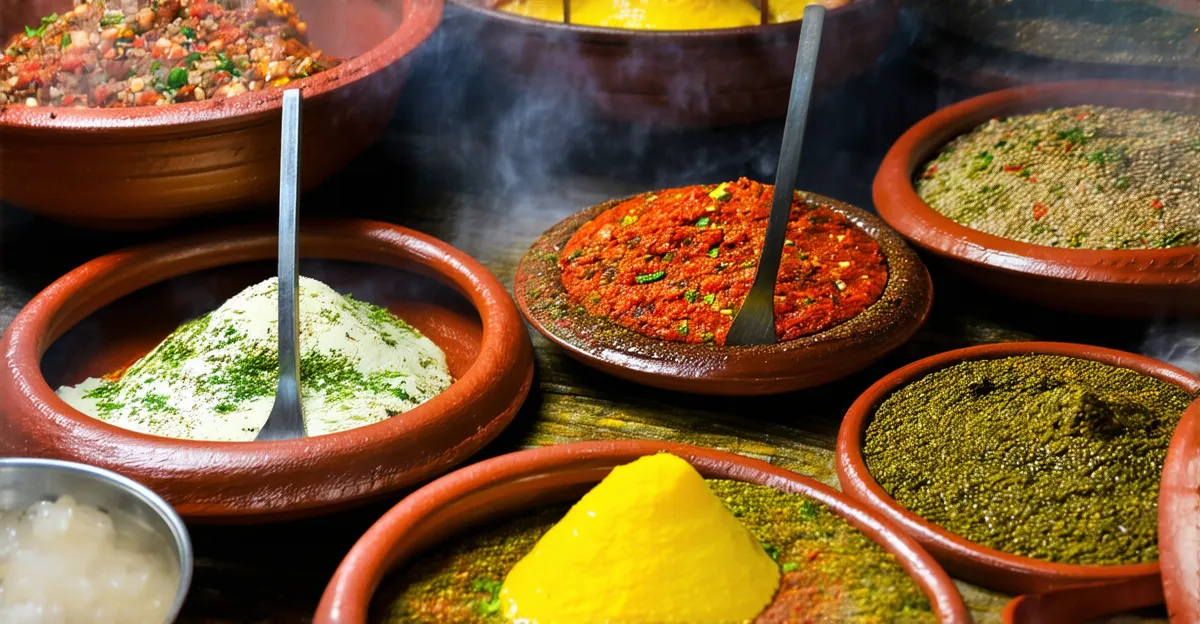
Berbere spice is an essential ingredient in Lalibela cuisines and forms the backbone of many traditional dishes. This signature spice mixture combines various ingredients such as chili peppers, garlic, ginger, and various spices, creating a warm, aromatic blend that adds depth to the food. Its vibrant color and bold flavor instantly elevate any meal.
This versatile spice is particularly found in stews and meat dishes, adding a delightful kick. Berbere is not just for flavor; it also represents the rich culinary history of Ethiopia. The balance of spices ensures that each bite is packed with flavor.
Pro Tip: When cooking Ethiopian dishes at home, using fresh berbere spice can drastically enhance the flavor profile.
To discover the magic of berbere spice, you can visit local markets in Lalibela, where you can find authentic blends. Restaurants like Mountain View Restaurant also incorporate this spice into many of their dishes, giving guests an authentic Ethiopian dining experience.
7. Tej: Traditional Honey Wine of Lalibela
Tej is a traditional Ethiopian honey wine that holds a significant place in Lalibela cuisines. Often homemade, this sweet and slightly fermented beverage is made from honey and water, along with a unique herb known as gesho leaves. Tej is typically served in a special flask called a berele, which adds to its charm and cultural significance. Notably, this wine is not only consumed during meals but is also a staple in celebrations and social gatherings.
While enjoying Tej, it is common practice to drink it as part of a meal or as a toast among friends and family. The rich flavor of Tej complements the spicy and flavorful dishes typical of Lalibela cuisine. Additionally, responsibly enjoying it can enhance your cultural experience during your visit.
Pro Tip: Look for local bars or traditional artisan houses that brew their own Tej for an authentic taste of Lalibela.
Where to Sip: For the best Tej, try the Tej House in Lalibela, where you can experience this lovely honey wine paired with local delicacies.
8. Local coffee Ceremony: The Soul of Ethiopian Culture
The Local coffee Ceremony is an integral aspect of Ethiopian culture and is especially cherished in Lalibela. This elaborate ritual involves roasting green coffee beans, grinding them, and brewing the coffee, all while inviting guests to engage in conversation. The ceremony can last for hours, fostering community and camaraderie. coffee is often served with popcorn or fried snacks, making it a delightful experience.
During the ceremony, the aroma of freshly brewed coffee fills the air, captivating everyone involved. The first cup is often served without sugar, allowing guests to savor the rich, robust flavor. Each subsequent cup can be sweetened according to individual taste. This communal activity reflects the Ethiopian value placed on hospitality and social connection.
Did You Know? The coffee ceremony is so significant that it symbolizes Ethiopian hospitality and is a key part of local traditions.
Where to Experience: Participate in an authentic coffee ceremony at a local family’s home or visit the Coffee Ceremony House in Lalibela for an immersive cultural experience.
9. vegetarian and Vegan Dishes: A Culinary Delight
One of the remarkable features of Lalibela cuisines is its extensive array of vegetarian and vegan dishes. This is largely due to the Ethiopian Orthodox Church’s fasting periods, during which many people refrain from consuming animal products. Dishes such as Shiro (a chickpea stew) and Misir Wat (spicy lentil stew) offer rich flavors and satisfying meals. These dishes are often served with injera, a staple sourdough flatbread that adds to the dining experience.
Moreover, Lalibela cuisines boast a variety of vegetable-based options featuring local produce. Different preparations can include sautéed greens, spiced carrots, and potatoes, ensuring that even those following a plant-based diet find delightful meals.
Pro Tip: Don’t hesitate to ask local restaurant staff about their vegetarian dishes; they often have delicious options that may not be on the menu.
Where to Eat: For the best vegetarian options, visit Ben Abeba, which is known for its vibrant dishes that are perfect for both vegetarians and vegans.
10. Dining Spots: Where to Enjoy Lalibela Cuisines
If you’re keen to dive into the rich flavors of Lalibela cuisines, there are several dining spots that offer an authentic experience. Whether you’re looking for traditional meals or a cozy ambiance, these restaurants provide memorable culinary delights.
One of the best places to start is Ben Abeba, renowned for its stunning views and delicious traditional dishes. The restaurant offers a unique experience as it overlooks the magnificent Lalibela mountains, making it a perfect spot for enjoying classics like Doro Wat and Injera.
Another top choice is Fasiledes Restaurant, where you can savor beautifully prepared Lalibela specialties. The atmosphere is welcoming, and the staff is friendly, ensuring a delightful dining experience. Don’t forget to try their Kitfo, a local favorite!
Pro Tip: Many restaurants in Lalibela offer communal dining, allowing you to enjoy meals with friends and family, just like the locals.
For a more casual eatery, visit Jemimah’s Restaurant. It’s known for its relaxed vibe and serves many vegetarian options, making it a great stop for those seeking vegan and vegetarian dishes.
In conclusion, Lalibela has several eateries that showcase its delicious cuisines. From breathtaking views to hearty meals, your culinary journey in Lalibela promises to be unforgettable.
Lalibela cuisines offer a rich tapestry of flavors that reflect Ethiopia’s vibrant culture. From hearty stews to the communal sharing of injera, each dining experience is an opportunity to connect with the local community. Don’t miss out on these culinary delights—start planning your food adventure in Lalibela today and share your favorite dishes with fellow travelers!
Frequently Asked Questions
💡 Pro Tip: Book your Lalibela adventures in advance through Viator for the best deals!
A: Lalibela is known for its unique dishes like injera and doro wat, which embody the essence of Ethiopian flavor.
A: Injera, doro wat, and kitfo are must-try delicacies for anyone visiting Lalibela.
A: Yes, local eateries and street vendors offer budget-friendly ways to explore Lalibela cuisines.
A: Participate in traditional meals, visit local markets, and join food tours to immerse in the culinary scene.
A: Yes, Lalibela’s cuisine offers various vegetarian and vegan dishes, making it accessible for all diets.
A: You can enjoy the best doro wat at local restaurants like Ben Abeba and other traditional eateries.