
Jerash Traditional Dishes: A Culinary Adventure
Discover the rich flavors of Jerash traditional dishes. This guide explores local cuisine, must-try dishes, and dining spots in this historic city.
On this page
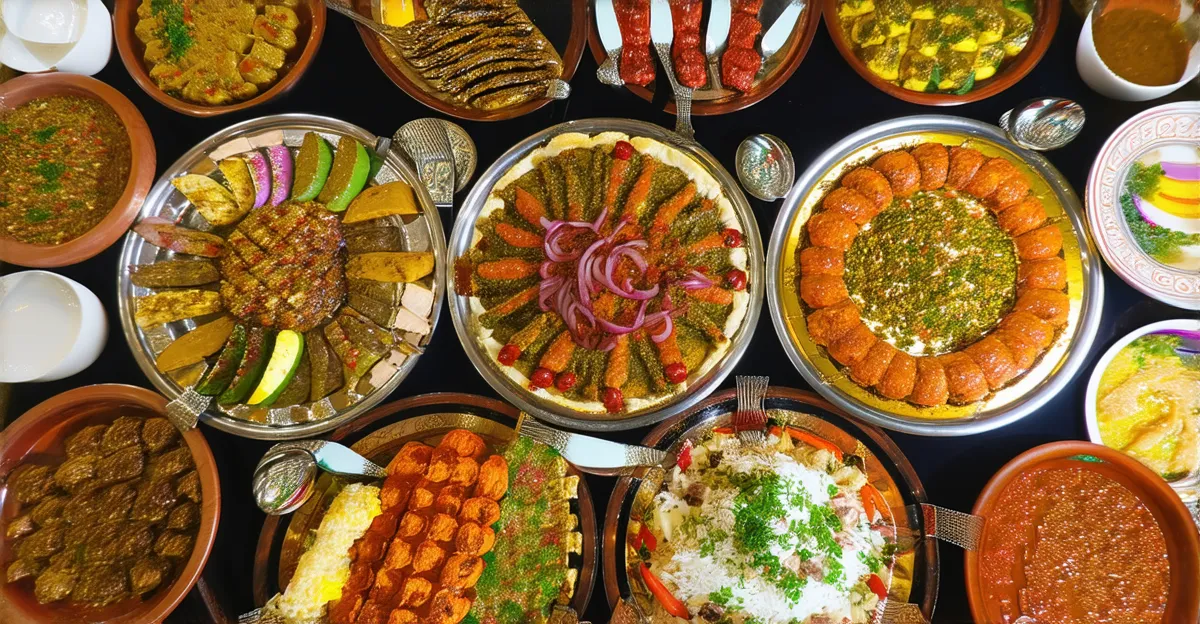
Jerash, a gem of Jordan, is not only famous for its ancient ruins but also for its diverse and flavorful traditional dishes. The cuisine of Jerash reflects a rich history and a blend of cultural influences, creating a culinary experience that delights food lovers. From spicy stews to aromatic rice dishes, Jerash traditional dishes showcase the use of fresh, local ingredients and age-old cooking techniques. This guide will take you through the must-try dishes and dining experiences that capture the essence of Jerash cuisine.
Key Takeaways
- Jerash cuisine is a vibrant mix of flavors and spices that reflect Jordan’s rich culture.
- Mansaf, a key dish, represents Jordanian hospitality and tradition.
- Vegetarian options like Mujadara and Baba Ghanoush make Jerash cuisine accessible to all.
- Food tours and local cooking classes enhance your understanding of Jerash’s culinary heritage.
1. Mansaf: The National Dish of Jordan
Mansaf is revered as the national dish of Jordan and is a symbol of hospitality and generosity. Traditionally, it consists of layers of fragrant rice served atop tender lamb or chicken, all drenched in a rich yogurt sauce called jameed. This dish is often garnished with pine nuts and almonds, adding a delightful crunch to every bite. Moreover, it is typically served on a large platter, promoting a communal dining experience.
Whether enjoyed during festive occasions or family gatherings, mansaf embodies the essence of Jordanian culture. This dish is rich and filling, making it ideal for sharing with loved ones. It’s often served with flatbread, which diners use to scoop up the meat and rice.
Pro Tip: To experience the authentic taste of mansaf, seek out local restaurants in Jerash that prepare this traditional dish meticulously.
Where to eat: For a genuine taste of mansaf, try Al Quds Restaurant, known for its authentic Jordanian cuisine, or Rukn Al-Jaheli Restaurant, where locals flock for hearty, delicious meals.
2. Makloubeh: Upside-Down Rice Delight
Makloubeh, which translates to “upside down,” is a flavorsome Arabic dish that showcases the magical ability of Middle Eastern cooking. This dish consists of rice, meat (often chicken or lamb), and assorted vegetables, all layered in a pot and then flipped over before serving, creating a stunning presentation. The combination of spices, like cumin and turmeric, enhances its savory taste.
While eating makloubeh, it’s customary to enjoy it with a side of yogurt or salad. This dish is often prepared for large gatherings, symbolizing togetherness and celebration. Notably, each family may have a unique recipe, passed down through generations.
Did you know? The secret to a perfect makloubeh lies in the quality of the spices and how well the layers are arranged in the pot.
Where to eat: For a delightful makloubeh experience, visit Jafra Restaurant, which offers authentic Jordanian dishes or Al-Saraya Restaurant, renowned for its handmade Middle Eastern specialties.
3. Kibbeh: A Hearty Middle Eastern Favorite
⭐ Recommendation: Don't miss out on amazing Amman tours - book now!
Kibbeh is a beloved traditional dish in Jordan, often recognized as one of the quintessential Middle Eastern foods. Made from a mixture of finely ground bulgur wheat and minced meat, it features a combination of spices that give it a rich flavor. Kibbeh can be served raw, baked, or fried, with the baked version being particularly popular. It is often accompanied by yogurt or tahini sauce.
This dish is known for its versatility; it can be shaped into balls, patties, or pies, making it suitable for various occasions. Additionally, kibbeh is often a highlight at celebrations and family gatherings, signifying joy and shared experiences.
Pro Tip: Don’t miss trying the fried kibbeh served with spicy sauces for an extra kick of flavor!
Where to eat: For a memorable kibbeh experience, head to Sayadiyah Restaurant or Al-Olaya Restaurant, both acclaimed for their traditional flavors and welcoming atmospheres.
4. Mujadara: Lentils and Rice with Caramelized Onions
Mujadara is a beloved dish across Jordan, particularly in Jerash, where its rustic flavors bring comfort to many. This lentil and rice combination is simple yet incredibly satisfying. The dish is typically made with green or brown lentils, rice, and topped with sweet caramelized onions. The caramelized onions add a rich flavor that complements the earthy lentils and fluffy rice.
Moreover, Mujadara is a healthy option, often served with a side of yogurt and salad, turning it into a wholesome meal. This dish not only holds cultural significance but also represents the spirit of sharing and community during meals.
Pro Tip: For the best flavor, allow the lentils to simmer slowly with spices, enhancing their taste and making them perfectly tender.
Where to eat: To enjoy authentic Mujadara, visit Al Quds Restaurant in Jerash. This place is known for its traditional dishes and warm ambiance.
5. Stuffed Grape Leaves (Warak Enab)
Warak Enab, or stuffed grape leaves, are a staple of Jerash traditional dishes that are not to be missed. These delicious rolls are made from grape leaves wrapped around a savory filling of rice, minced meat, and various herbs and spices. Each roll is carefully crafted to hold just the right amount of filling, providing a burst of flavor in every bite.
Additionally, Warak Enab is often served with a squeeze of lemon, adding a tangy touch that brightens the dish. Families often prepare this meal during gatherings, signifying togetherness and familial bonds.
Did you know? Warak Enab can be made vegetarian by omitting the meat and using a blend of spices and vegetables.
Where to eat: For a delightful plate of Warak Enab, head to Al-Shami Restaurant, famous for its authentic Jordanian cuisine, especially in Jerash.
6. Zaatar Manakish: A Flavorful Flatbread
Zaatar Manakish is another must-try dish when exploring Jerash traditional dishes. This thick, flavorful flatbread is topped with a mix of zaatar spices, a blend of thyme, sesame seeds, and sumac, giving it a distinctive taste. The dough is usually rolled out and baked until golden and crispy, making it a perfect snack or breakfast option.
Additionally, Zaatar Manakish can be served with a drizzle of olive oil or stuffed with cheese for extra flavor. This dish is loved by locals, and its aroma wafts through many bakeries and cafes in Jerash.
Pro Tip: Pair your Zaatar Manakish with fresh vegetables and labneh (strained yogurt) for a complete meal experience.
Where to eat: Try the Zaatar Manakish at Manakish Bakery in Jerash, renowned for its freshly baked bread and authentic flavors.
7. Arak: Traditional Aniseed Spirit
⭐ Recommendation: Don't miss out on amazing Amman tours - book now!
Arak is an iconic traditional beverage in Jordan, especially cherished in Jerash. This anise-flavored spirit is produced through distilling fermented grapes, giving it a distinct flavor profile. It’s often compared to ouzo or raki but possesses a unique identity of its own. Typically, arak is served chilled, making it a refreshing choice on hot days.
To fully enjoy arak, it is usually diluted with water, turning it a milky white. It pairs beautifully with many of Jerash traditional dishes, enhancing the flavors of the meal. Enjoying arak with family and friends is a social experience, making it a centerpiece during gatherings and celebrations.
Pro Tip: Sip arak slowly to appreciate its complex flavors, and don’t forget to try it alongside some mezze!
Where to drink: Visit Al Moharrekh Restaurant for an authentic experience. They specialize in traditional Jordanian cuisine paired perfectly with arak.
8. Baba Ghanoush: Smoky Eggplant Dip
Baba ghanoush is a beloved dish, especially in Jerash. This creamy dip is made primarily from roasted eggplants blended with tahini, garlic, lemon juice, and olive oil. The roasting process imparts a smokiness that sets it apart from similar dips like hummus. This dish is celebrated for its rich flavor and smooth texture.
It is commonly enjoyed as part of a mezze platter and works well when paired with fresh pita bread or vegetables for dipping. Baba ghanoush is not only delicious but also healthy, making it a popular choice among locals and tourists alike. Its unique flavor makes it a must-try for anyone interested in Jerash traditional dishes.
Did you know? The smokiness of baba ghanoush can vary depending on how it’s prepared, so try different versions when you can!
Where to eat: For a fantastic baba ghanoush, check out Fakhr El-Din in Amman, renowned for its authentic Middle Eastern cuisine.
9. Arabic Coffee: A Cultural Staple
Arabic coffee, or “qahwa,” is an essential part of Jordanian culture. Served in small cups, this traditional coffee is typically flavored with cardamom, giving it a warm and aromatic taste. The preparation involves boiling finely ground coffee beans, resulting in a strong and rich brew. In Jerash, coffee is often served to guests as a sign of hospitality.
This beverage plays a vital role in social gatherings and provides a perfect accompaniment to the sumptuous Jerash traditional dishes served during meals. Traditionally, the host pours the coffee for guests, signifying warmth and generosity. What’s more, it’s common to pour just a small amount into a cup to avoid waste, showing respect for this cherished drink.
Pro Tip: Make sure to try Arabic coffee with dates for a sweet contrast!
Where to sip: For an authentic experience, head to Café Hanin in Jerash, where you can enjoy beautifully brewed Arabic coffee amidst local charm.
10. Halva: Sweet Memories of Jerash
⭐ Recommendation: Don't miss out on amazing Amman tours - book now!
Halva is a beloved dessert that holds a special place in the hearts of the people of Jerash. This sweet treat is made from tahini (sesame paste) and sugar, creating a soft, dense texture that is truly irresistible. It is often flavored with nuts, chocolate, or even rose water, giving it unique variations that reflect local tastes. Halva is not just a dessert; it represents a tradition of sharing and hospitality in Jordanian culture.
When visiting Jerash, you will find halva served in numerous local shops, and it is usually cut into squares or served in small portions. This sweet dish is frequently enjoyed alongside Arabic coffee, providing a delightful balance between the sweetness of the halva and the bitterness of the coffee.
Pro Tip: Don’t forget to try different varieties of halva flavored with pistachios or almonds for a richer experience!
Where to eat: For the best halva in Jerash, visit Al-Muqaddim, known for its traditional sweets or stop by at the local markets where you can purchase fresh halva made right before your eyes. A visit to Al-Balad sweet shop is also highly recommended for their homemade delights.
Exploring Jerash traditional dishes offers a unique insight into Jordan’s culinary heritage, enriching your travel experience. Whether indulging in the iconic Mansaf or sampling delicious appetizers, Jerash cuisines promise unforgettable flavors. Share your favorite culinary moments or plan your food adventure to Jerash today!
Frequently Asked Questions
A: Jerash is known for its hearty traditional dishes, particularly Mansaf, which is considered the national dish of Jordan.
A: Mansaf, Makloubeh, Kibbeh, and Mujadara are essential dishes to try while in Jerash.
A: Yes, there are plenty of vegetarian-friendly dishes like Mujadara and stuffed grape leaves.
A: Local restaurants and family-owned eateries in Jerash serve traditional dishes crafted from age-old recipes.
A: Participating in food tours or cooking classes will provide an immersive experience of Jerash’s culinary delights.
A: Arak, a traditional aniseed spirit, and Arabic coffee are popular beverages that complement the local cuisine.