
Jerash Culinary Festivals: A Taste of Local Flavors
Discover Jerash culinary festivals, featuring local dishes and flavors. Experience the best of Jordan’s rich food culture in these vibrant celebrations.
On this page
Jerash, known for its stunning Roman ruins, is also a hidden gem for culinary enthusiasts. The city hosts vibrant culinary festivals that showcase the rich traditions and flavors of Jordanian cuisine. Local dishes like mansaf, falafel, and kanafeh take center stage, allowing food lovers to indulge in authentic delights while experiencing the warmth of Jordanian hospitality. Whether you are a local or a visitor, the Jerash culinary festivals are a must-visit, offering a unique fusion of culture, history, and gastronomy.
Key Takeaways
- Jerash culinary festivals celebrate the flavors of Jordanian cuisine.
- Signature dishes like mansaf and kanafeh are highlights of the festivals.
- Visitors can enjoy a variety of food experiences from local vendors.
- Culinary workshops offer a hands-on approach to learning Jordanian cooking.
1. Overview of Jerash Culinary Festivals
The Jerash culinary festivals are vibrant celebrations that showcase the rich flavors and traditions of Jordanian cuisine. Held annually, these festivals attract locals and tourists alike, eager to indulge in the country’s culinary treasures. The heart of these festivals beats with the sharing of food, culture, and community, making them an essential part of Jerash’s cultural heritage.
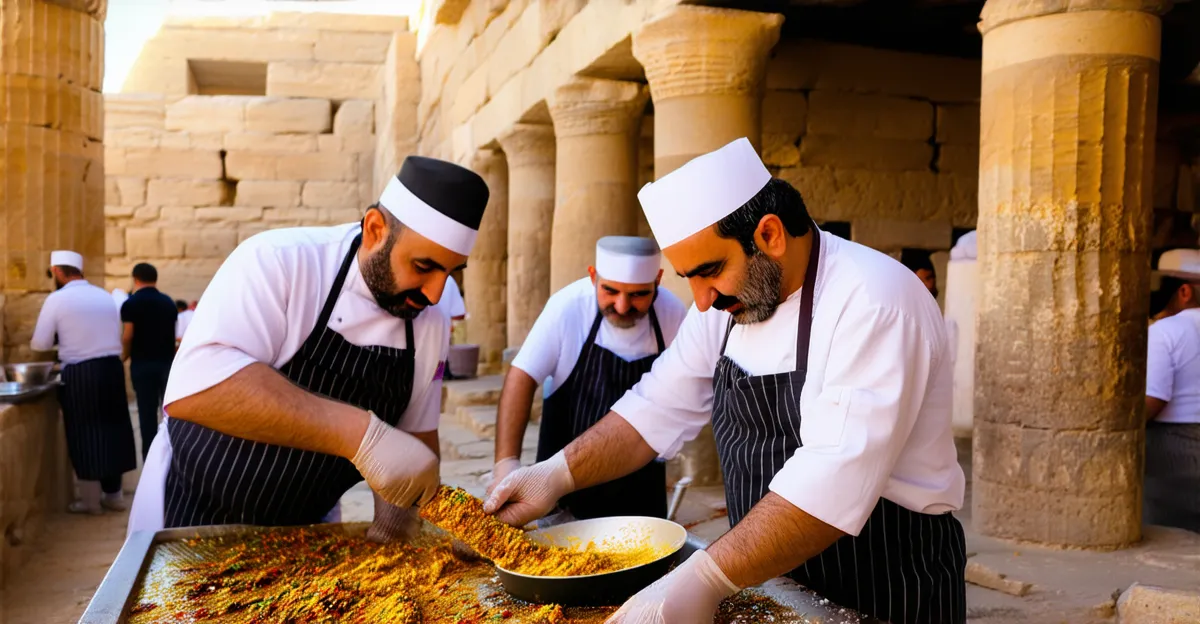
During the festival, visitors can explore a variety of traditional dishes created using age-old recipes. Additionally, the atmosphere is filled with live music, dancing, and family-friendly activities, enhancing the overall experience. Local chefs passionately prepare their culinary creations, bringing the vibrant tastes of Jordan to life.
Did you know? The Jerash culinary festivals not only highlight food but also offer a glimpse into Jordanian traditions and hospitality.
This celebration is more than just a chance to eat; it fosters community spirit and encourages the appreciation of local ingredients. So, if you find yourself in Jerash during the festival season, be sure to indulge in the flavorful journey that awaits!
2. traditional Mansaf: The Quintessential Jordanian Dish
No exploration of Jerash culinary festivals would be complete without mentioning mansaf, the national dish of Jordan. Mansaf is a stunning presentation of lamb cooked in a tangy yogurt sauce, served over a bed of fragrant rice. This dish embodies Bedouin tradition and signifies hospitality and generosity, often shared during family gatherings and celebrations.
The preparation of mansaf is an art. The lamb is slow-cooked to ensure tenderness, while the yogurt sauce is made from fermented goat’s milk, giving it a unique flavor profile. It is typically garnished with nuts and fresh herbs, adding both texture and taste.
Pro Tip: Try mansaf with a side of flatbread to scoop up all the delicious flavors!
At the Jerash festivals, you can sample various interpretations of this beloved dish, each representing the unique style of local cooks. This culinary experience not only fills your stomach but also connects you to the rich Jordanian culture.
3. Falafel: A Popular Middle Eastern Snack
⭐ Recommendation: Don't miss out on amazing Amman tours - book now!
Falafel has become a global favorite, but it holds a special place in the heart of Jordanian street food. During the Jerash culinary festivals, you’ll discover why this crispy, deep-fried ball of ground chickpeas or fava beans is so beloved. Typically seasoned with herbs and spices, falafel is served in a pita bread pocket, often accompanied by fresh vegetables and tahini sauce.
This versatile snack is perfect for a quick bite while exploring the festival. Moreover, falafel is not just delicious but also vegetarian-friendly, making it an accessible choice for everyone. You’ll see local vendors offering freshly made falafel, and it’s hard to resist their enticing aroma.
Did you know? Falafel is often considered one of the world’s oldest street foods, dating back to ancient Egypt.
As you wander through the festival, be sure to indulge in this savory treat. It’s a delicious way to experience Jordanian flavor and culinary tradition!
4. Kanafeh: A Sweet Celebration of Flavor
Kanafeh is one of the most beloved desserts in Jordan and a highlight of the Jerash culinary festivals. This indulgent sweet treat features a layer of shredded phyllo dough soaked in syrup, layered with creamy cheese. The dessert is typically topped with crushed pistachios, giving it a beautiful finish and a delightful crunch.
During the festivals, you can find various vendors showcasing their unique takes on kanafeh, each with a special twist. Some serve it warm, melting the cheese inside, while others might offer a crispy version with a more pronounced sweetness. It’s often enjoyed as a dessert after a spicy meal, providing a perfect balance.
Did you know? Kanafeh has origins tracing back to the Levant region, but its variations and preparation methods can differ significantly across areas.
Where to eat: For an authentic experience, visit Habibah Sweets or Abdul Rahman Al’Maqdesi, both known for their exceptional kanafeh that will leave your taste buds craving more.
5. Grilled Kebabs: Savory Meats at Jerash Festivals
Kebabs are a staple in Middle Eastern cuisine and play a central role in the Jerash culinary festivals. These flavorful skewers are often made with marinated lamb, chicken, or beef, grilled to perfection over an open flame. The smoky aroma and tender meat are irresistible, making them a favorite among festival-goers.
At the festivals, you’ll find a variety of kebabs, each with its own marinades and spices. Some are served with warm pita bread and fresh vegetables, while others might come with a side of tangy sauces. The vibrant atmosphere adds to the experience as you mingle with locals and tourists alike.
Pro Tip: Pair your kebabs with a refreshing joghurt dip or hummus for a truly satisfying meal.
Where to eat: Head to Al Quds Restaurant for delicious grilled kebabs that showcase local flavors and techniques. Another great spot is Beirut Restaurant, known for its savory meat dishes and warm hospitality.
6. Spice Blends: Essential Flavors of Jordan
The cuisine of Jordan is distinguished by its aromatic spice blends, which play a crucial role in defining flavors at Jerash culinary festivals. traditional spices such as cumin, coriander, allspice, and za’atar are commonly used to create dishes that are rich and appetizing.
These blends are not only essential for seasoning meats and vegetables but also elevate the overall dining experience. Many festival participants will showcase their unique recipes, allowing visitors to sample the diversity of Jordanian flavors. You might find workshops teaching how to craft your own spice blends to take home!
Interesting Fact: Za’atar is a popular spice mix in Jordan, often combined with olive oil and served with bread.
Where to shop: For authentic spice blends, visit local markets like the Souk Al-Safawi in Jerash, where you can find fresh spices and herbs. It’s a perfect souvenir to bring a taste of Jordan back home.
7. Local Artisan Bakeries: Bread and Pastry Delights
⭐ Recommendation: Don't miss out on amazing Amman tours - book now!
One of the highlights of the Jerash culinary festivals is the presence of local artisan bakeries. These bakeries bring to life the rich tradition of bread and pastries in Jordan. Visitors can savor fresh, warm bread baked in traditional stone ovens, a staple in Jordanian homes and celebrations. The most popular type is khubz, a flatbread that perfectly complements any meal.
Moreover, you’ll find an array of delightful pastries such as knafeh and baklava, both of which are often made using recipes passed down through generations. Each pastry shop boasts its own unique twist, showcasing the creativity and skills of local bakers.
Pro Tip: Don’t forget to try the freshly baked manaqish, a type of flatbread topped with za’atar or cheese, perfect for an afternoon snack!
Where to eat: For the best artisan bread, be sure to visit Bakery Al-Salam or Abu Khalil Bakery, where you can indulge in the authentic flavors of Jerash’s bread-making tradition.
8. Farm-to-Table Experiences During Festivals
The Jerash culinary festivals emphasize sustainability through various farm-to-table experiences. Visitors have the chance to connect with local farmers and learn about the agricultural practices that uphold Jordan’s culinary heritage. These experiences allow festival-goers to appreciate how fresh, organic ingredients influence the quality and flavor of the dishes.
During the festivals, many stalls feature fresh vegetables, herbs, and fruits, all sourced directly from local farms. This not only ensures the food’s freshness but also supports the community. Visitors can participate in cooking workshops using these local ingredients, providing an educational insight into traditional Jordanian cooking methods.
Did you know? Engaging with local farmers during the festival can enhance your understanding of sustainability in the food industry.
Where to experience: Look for farm-to-table stalls at the annual Jerash Festival of Culture and Arts, where you can enjoy fresh produce and participate in culinary workshops.
9. Cooking Demonstrations: Learning from Local Chefs
Cooking demonstrations are a key feature of the Jerash culinary festivals, allowing attendees to learn directly from talented local chefs. These interactive sessions offer insights into traditional cooking techniques and recipes that define Jordanian cuisine. Chefs often showcase how to prepare iconic dishes such as mansaf and falafel, breaking down the cooking process step by step.
Visitors can ask questions, taste samples, and even receive tips on how to recreate these dishes at home, fostering a deeper appreciation for Jordanian culinary art. These demonstrations not only highlight the chefs’ talents but also emphasize the importance of using fresh, local ingredients.
Pro Tip: Participating in a cooking class at the festival can be a fun and engaging way to enhance your culinary skills!
Where to learn: Check out the cooking demonstrations held at the Jerash Festival, where renowned chefs gather to share their passion and expertise in Jordanian cuisine.
10. The Role of Local Markets in Culinary Festivals
⭐ Recommendation: Don't miss out on amazing Amman tours - book now!
Local markets play a vital role during the Jerash culinary festivals, acting as the heart of the gastronomic experience. These bustling marketplaces are filled with vibrant stalls that showcase the region’s rich agricultural heritage. Visitors can find a variety of fresh produce, spices, and artisanal products that are essential to Jordanian cuisine.
Moreover, markets such as Souq al-Jerash offer traditional ingredients, allowing festival-goers to experience the authentic flavors of the region. Local farmers and producers often participate, enabling guests to meet the people behind their food and learn about sustainable practices of farming and cooking.
Pro Tip: Visiting a local market is a fantastic way to taste seasonal ingredients and to pick up unique souvenirs like locally made spice blends.
Additionally, local markets contribute to the communal atmosphere of the Jerash culinary festivals. Here, intense flavors and appealing aromas draw crowds, creating a lively space for sampling, socializing, and engaging in cultural exchanges. Visitors leave with not just delightful food experiences but also with a deeper understanding of Jordanian traditions.
Jerash culinary festivals are a vibrant celebration of Jordanian culture and gastronomy, offering a unique opportunity for visitors to immerse themselves in local flavors while exploring the historic setting of Jerash. We encourage you to attend a festival and experience the delicious dishes firsthand. Share your favorite festival moments or plan your next culinary trip to Jerash!
Frequently Asked Questions
A: They are known for showcasing traditional Jordanian dishes, local ingredients, and cultural food experiences.
A: The festivals usually coincide with local holidays and tourist seasons, often held in the spring and summer months.
A: Yes, many vendors offer a variety of vegetarian options, including salads, falafel, and vegetable dishes.
A: Yes, many festivals feature workshops where visitors can join cooking demonstrations conducted by local chefs.
A: Entry fees vary, but many events are free or have a nominal charge to help cover expenses.
A: Local tourist offices and social media platforms provide updates on upcoming events and schedules.