
Jerash Cultural Cuisine: A Culinary Journey
Jerash cultural cuisine offers a vibrant culinary experience! Discover local dishes, dining spots, and food traditions in this food lover’s guide.
On this page
Jerash cultural cuisine is a captivating blend of flavors and traditions, reflecting the rich history and diverse heritage of this historic city. Known for its Roman ruins and vibrant local markets, Jerash is also a haven for food enthusiasts seeking authentic experiences. From classic dishes like mansaf and kebabs to sweet delights like kunafa, Jerash offers a culinary adventure that showcases the essence of Jordanian flavors. Join us as we explore must-try local specialties and dining spots that promise to elevate your food journey in this enchanting city.
Key Takeaways
- Jerash cultural cuisine is a delightful mix of traditional flavors and modern dining.
- Mansaf, kebabs, and kunafa are signature dishes you cannot miss.
- From budget-friendly street food to charming local restaurants, options abound.
- Exploring local markets and joining food tours will enhance your culinary experience.
1. Mansaf: The National Dish of Jordan
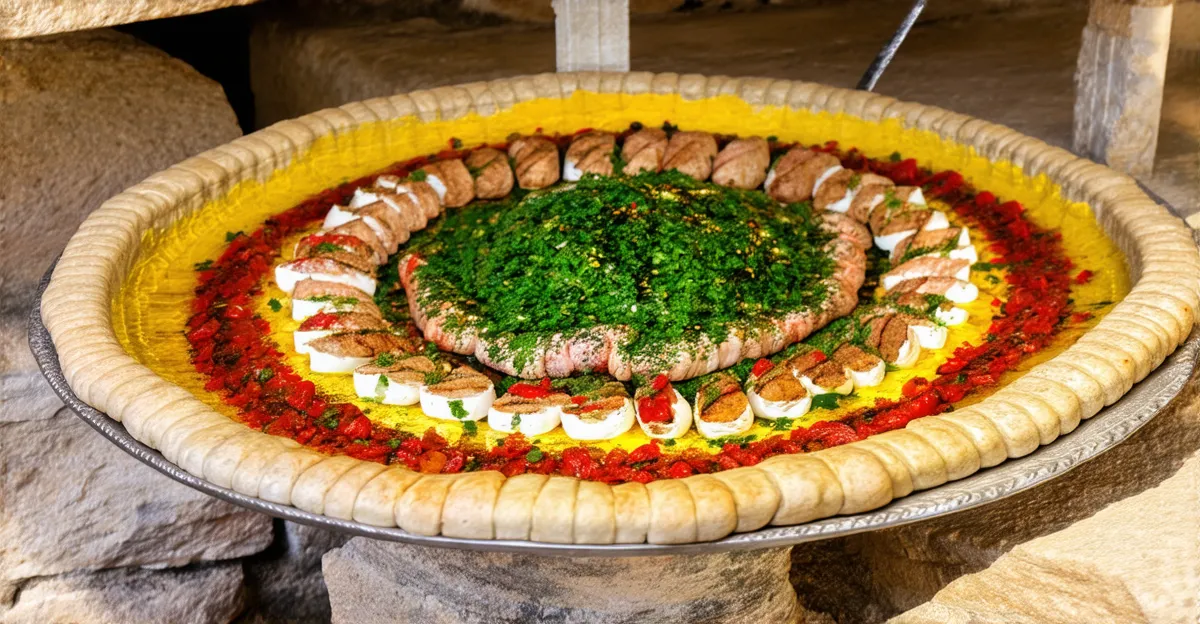
Mansaf is undoubtedly the national dish of Jordan and holds a special place in Jerash cultural cuisine. Traditionally served for special occasions and gatherings, mansaf consists of lamb cooked in a sauce made from fermented dried yogurt, known as jameed, and served over a bed of rice. This dish symbolizes hospitality and generosity.
The preparation of mansaf is meticulous. First, the lamb is boiled until tender, then combined with the jameed to create a rich, creamy sauce. The dish is typically garnished with toasted pine nuts and almonds, adding a delightful crunch. Families often serve mansaf on a large platter, allowing everyone to dig in together, reinforcing communal bonds.
Did you know? In Jordanian culture, sharing mansaf reflects a warm spirit of togetherness and is often accompanied by a ritual of eating with your hands!
For an authentic experience, try mansaf at local restaurants in Jerash, where the flavors capture the essence of Jordanian hospitality.
2. Kebabs: Grilled Perfection in Jerash
Kebabs are a staple in Jerash’s vibrant gastronomy, boasting a variety of flavors that entice your taste buds. These skewered meats are marinated and grilled to perfection, often served with fresh vegetables and pita bread. The most common types are lamb, chicken, and beef, each offering a unique taste experience.
The secret to great kebabs lies in the marinade, which typically includes spices such as cumin, coriander, and garlic. These ingredients enhance the meat’s natural flavors, making every bite juicy and delicious. Kebabs are often enjoyed at outdoor markets or local eateries, where the aromatic scent of grilling fills the air.
Pro Tip: Always pair your kebabs with traditional garlic sauce or tahini for an extra burst of flavor!
For the best kebabs in Jerash, head to Al Halaqa Restaurant, where the cooking style faithfully honors the region’s culinary traditions.
3. Hummus and Moutabal: Popular Appetizers
⭐ Recommendation: Don't miss out on amazing Amman tours - book now!
No journey through Jerash cultural cuisine is complete without sampling hummus and moutabal. These classic appetizers are not only delicious but also reflect the essence of Middle Eastern flavors. Hummus, made from blended chickpeas, tahini, lemon juice, and garlic, is a creamy dip often enjoyed with warm pita bread.
Meanwhile, moutabal, a smoky eggplant dip, is a fantastic accompaniment with its rich, savory flavor. Both dishes are commonly served as starters and are perfect for sharing, making them ideal for gatherings and celebrations.
Fun Fact: Hummus is not just a snack; it’s a symbol of Jordanians’ hospitality and is found on almost every dining table!
To experience authentic hummus and moutabal, visit Al-Fahham Restaurant, where fresh ingredients and traditional recipes combine to create mouthwatering dips.
4. Falafel: A Crispy Delight
When exploring Jerash cultural cuisine, one cannot overlook the beloved falafel. These tiny, golden-brown balls are made from ground chickpeas, herbs, and spices, then deep-fried to perfection. Often served in pita bread with fresh vegetables and tahini sauce, falafel makes for a delectable and filling meal. The crispy exterior gives way to a soft and flavorful interior, which is what makes falafel a favorite among locals and visitors alike.
In Jerash, falafel is more than just street food; it’s a cultural experience. Many restaurants offer their unique takes on this classic dish, often accompanied by pickles and fresh salad. You can enjoy it as a quick snack or as part of a larger meal featuring various Mediterranean delights.
Pro Tip: For the best falafel, look for local eateries that freshly prepare their ingredients daily. The results will speak for themselves!
Where to eat: Head to Abu Jabarah Restaurant for some of the best falafel in Jerash, or check out Al-Hariri Restaurant known for their flavorful wraps.
5. Stuffed Grape Leaves: Warak Enab
Another highlight of Jerash cultural cuisine is warak enab, which translates to stuffed grape leaves. This dish features tender grape leaves stuffed with a mixture of rice, tomatoes, and spices, often garnished with a sprinkle of lemon. The preparation is typically labor-intensive, making it a cherished dish for family gatherings and special occasions.
Warak enab is not only flavorful, but it’s also healthy, as it’s packed with nutrients and can be enjoyed warm or cold. In Jerash, the authentic flavors shine through, bringing a taste of tradition with every bite. The dish is often served alongside yogurt for dipping, enhancing the overall flavor.
Did you know? Warak enab is a staple across the Middle East, but each region has its variations, reflecting local preferences and ingredients.
Where to eat: For an authentic experience, visit Darna Restaurant where they serve freshly-prepared warak enab. Alternatively, try Al-Masaref Restaurant for a delightful serving.
6. Shawarma: street food Classic
Shawarma is a quintessential component of Jerash cultural cuisine and a must-try for food lovers. This popular street food consists of marinated meat—usually lamb, chicken, or beef—cooked on a rotating vertical spit. As the outer layer of meat crisps up, it is shaved off and typically served in pita bread with a variety of toppings, including fresh vegetables, pickles, and tahini sauce.
In Jerash, shawarma stands can be found on almost every corner, serving this flavorful delight to locals and tourists alike. Each vendor has their secret spice mix and method, making it a fun experience to sample different styles. Whether you enjoy it spicy or mild, there’s a shawarma for everyone!
Pro Tip: Pair your shawarma with garlic sauce for an extra punch of flavor that complements the spices perfectly.
Where to eat: Try Shawarma Al Waha, which is renowned for its generous portions and delicious flavors. Another excellent option is Al-Shawarma Al-Arabi, known for its crispy fries served alongside.
7. Makluba: A Flavorful Rice Dish
⭐ Recommendation: Don't miss out on amazing Amman tours - book now!
Makluba, which means “upside down” in Arabic, is a traditional Jordanian dish that showcases the rich jerash cultural cuisine. This delicious layered dish is typically made with rice, meat (such as chicken or lamb), and an array of vegetables like eggplant and cauliflower. It is cooked in a pot, and then, once ready, it is flipped upside down when served, hence the name.
This unique presentation not only makes it visually appealing but also allows the flavors to meld beautifully. Transitioning from the savory meats to the slightly crispy vegetables, each bite promises a delightful experience. Moreover, variations of spices—like allspice and cinnamon—are often used, adding aromatic depth to the dish.
Pro Tip: To fully enjoy Makluba, serve it with a side of yogurt or cucumber salad for a refreshing contrast.
Where to eat: For an authentic Makluba experience, visit Al-Quds Restaurant in Jerash, renowned for its hearty portions and traditional recipes.
8. Kunafa: Sweetness in Every Bite
Kunafa is a beloved dessert in Jordan, especially in Jerash, and known for its irresistible sweetness. This delightful treat consists of thin noodle-like pastry layers soaked in syrup, often filled with a blend of cheese or cream. The name ‘Kunafa’ refers to the crispy exterior that is golden and flaky, providing a beautiful contrast to the soft center.
Usually garnished with crushed pistachios, it is both visually stunning and deliciously indulgent. Transitioning from crispy to creamy, each mouthful is a blast of flavors and textures. It is often served warm, making it the perfect end to a meal, especially when paired with a cup of Arabic coffee or tea.
Did you know? The best Kunafa is made fresh daily, so look for places with bustling kitchens.
Where to eat: For the best Kunafa, try Abu Rashed Sweets in Jerash, famous for its authentic and freshly made Kunafa.
9. Fresh Salads: The Healthy Accompaniments
Fresh salads form an essential part of jerash cultural cuisine, offering a healthy and vibrant counterbalance to heavier dishes. Commonly made with ingredients like tomatoes, cucumbers, parsley, and mint, these salads are not only colorful but also bursting with flavor. The most popular salad is Tabbouleh, a refreshing mix that includes bulgur wheat, parsley, tomatoes, and a zesty lemon dressing.
Another favorite is Fattoush, a mixed greens salad with crispy pita bread and a tangy sumac dressing. Transitioning to fresh salads enhances your meal, providing essential vitamins and minerals. They are often served as starters or side dishes, complementing the main dishes beautifully.
Pro Tip: Always ask for a side of fresh salad to accompany your mains; it enhances the overall dining experience.
Where to eat: For fresh and delicious salads, head to Al-Badawi Restaurant, well-known for its vibrant salads and authentic Jordanian cuisine.
10. Local Spice Markets: A Whiff of Culture
⭐ Recommendation: Don't miss out on amazing Amman tours - book now!
Exploring the local spice markets in Jerash provides an authentic glimpse into the heart of Jerash cultural cuisine. These vibrant markets are filled with the enticing aromas of spices, herbs, and dried fruits, making them a must-visit for any food enthusiast. As you wander through the stalls, you’ll find an array of spices, including cumin, za’atar, and sumac, each essential to Jordanian cooking.
One of the highlights of visiting these markets is the experience of negotiating and interacting with local vendors, who are often more than happy to share their culinary knowledge. In fact, sampling spices and learning about how they are used in traditional dishes can truly enhance your appreciation for Jerash’s rich culinary heritage.
Pro Tip: Don’t hesitate to ask for recommendations on which spices work well with specific foods, as locals often have valuable tips for the best dishes to try!
Where to shop: Check out the Jerash Souk, where you can find stalls packed with spices and other local treats. Additionally, Al-Rihla Spice Market offers an impressive selection of high-quality spices and blends for you to take home and recreate the flavors of Jerash.
Jerash cultural cuisine is a feast for the senses, offering a vibrant tapestry of flavors that speak to the city’s rich history and cultural diversity. Whether you’re indulging in the simplicity of hummus or the grandeur of mansaf, every meal tells a story. Don’t hesitate to explore local dining spots and share your favorite dishes from Jerash to help others embark on their culinary journey!
Frequently Asked Questions
A: Jerash cultural cuisine is known for its traditional dishes such as mansaf, kebabs, and sweet desserts like kunafa.
A: Local restaurants and street vendors throughout Jerash specialize in delicious kebabs.
A: Yes, many eateries offer vegetarian-friendly dishes such as hummus, falafel, and stuffed grape leaves.
A: Mansaf, shawarma, makluba, and kunafa are considered must-try dishes when visiting Jerash.
A: Yes, there are many affordable options including street food and casual dining spots.
A: Join local food tours or visit cultural festivals to experience the rich food heritage of Jerash.