
Jeju-si Seafood Delicacies: A Culinary Voyage
Discover the best seafood delicacies in Jeju-si! From fresh catches to signature dishes, explore the island’s vibrant food scene in this guide.
On this page
Jeju-si is renowned for its bountiful waters and incredible seafood delicacies that celebrate the island’s rich culinary heritage. With its pristine environment, the waters surrounding Jeju provide a diverse array of marine life, making local seafood dishes a must-try for any visitor. This blog will guide food enthusiasts through the essential seafood experiences in Jeju-si, highlighting the unique flavors and dining spots that showcase the island’s freshest catches, from succulent octopus to mouth-watering abalone. Whether you’re a local or a tourist, the seafood delicacies in Jeju-si promise an unforgettable journey for your taste buds.
Key Takeaways
- Jeju-si offers a variety of fresh and flavorful seafood delicacies.
- Signature dishes like abalone, mackerel, and sashimi highlight the local cuisine.
- Dining experiences range from casual street food to upscale restaurants.
- Don’t miss local favorites like haemul pajeon and octopus dishes.
1. Fresh Jeju Abalone: A Treasure of the Sea
One of the most sought-after Jeju-si seafood delicacies is the fresh abalone. This shellfish is famed for its tender texture and rich, briny flavor. It is often harvested by local divers known as haenyeo, who are renowned for their skill and bravery. When prepared, abalone can be served in various ways, such as grilled, steamed, or even in a delicious sashimi dish.
When enjoying abalone in Jeju, it is common to pair it with a dipping sauce made from soy sauce, garlic, and chili. This enhances its natural flavor, making every bite memorable. Many visitors are surprised by how tender and rich the abalone tastes when freshly harvested. In addition, the health benefits of abalone, rich in protein and vitamins, are another reason to indulge.
Pro Tip: Always ask for fresh abalone when dining out in Jeju as it is considered a top local delicacy that reflects the essence of the sea.
Where to eat: For the best abalone dishes, check out Udo Island for local specialties or try Seogwipo Fish Market where you can find abalone served in various traditional styles.
2. Grilled Mackerel: A Jeju-si Classic
Grilled mackerel is one of the most beloved Jeju-si seafood delicacies. It is not only delicious but also incredibly nutritious. This dish features whole mackerel that is seasoned and grilled until perfectly crispy. The result is a smoky flavor that pairs beautifully with the fish’s naturally rich taste.
In Jeju, grilled mackerel is often served with side dishes like pickled vegetables and steamed rice. The slight char on the skin adds a satisfying crunch while the tender flesh remains juicy. Many locals consider grilled mackerel a staple in their diet, and it’s often highlighted in meals at home and in restaurants.
Did you know? Mackerel is also rich in omega-3 fatty acids, making it a healthy choice!
Where to eat: You can find excellent grilled mackerel at Jeju Dongmun traditional Market, or try Samgyeopsal restaurants that often feature a variety of grilled fish options.
3. Jeju Haemul Pajeon: Seafood Pancakes to Savor
💡 Pro Tip: Book your Seoul adventures in advance through Viator for the best deals!
For a delightful experience, try Jeju Haemul Pajeon, a savory seafood pancake loaded with various fresh seafood and green onions. This dish offers a perfect combination of crunchiness and tenderness, making it a favorite among both tourists and locals alike. The fresh seafood used in these pancakes typically includes shrimp, squid, and clams, all mixed into a lightly battered pancake.
Traditionally, haemul pajeon is enjoyed dipped in soy sauce and vinegar, enhancing the flavors of the fresh ingredients. Many locals recommend pairing it with a pint of traditional Korean beer ormakgeolli, a rice wine, which compliments the pancake beautifully. This dish is not only a snack but also a popular choice for sharing among friends during social gatherings.
Pro Tip: Always ask for extra dipping sauce as it takes the taste of these pancakes to a whole new level!
Where to eat: For the best haemul pajeon, visit Seogwipo’s Haemul Pajeon Street or try Bokkeumbap House, which specializes in various seafood dishes.
4. Raw Fish Sashimi: The Ultimate Jeju Seafood Experience
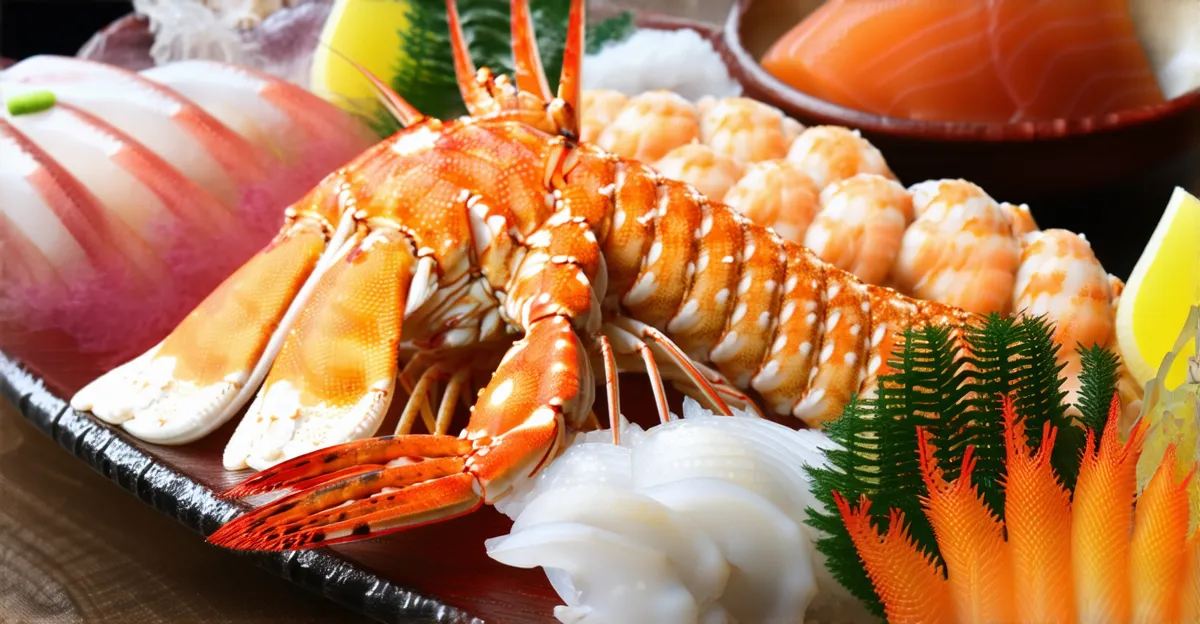
Raw fish sashimi is a cornerstone of Jeju-si seafood delicacies and offers a delightful experience for seafood lovers. The pristine waters surrounding Jeju Island gift it with an abundance of fresh fish, making raw fish a must-try. Sashimi is often prepared with various types of fish, such as salmon, tuna, and flounder. Each slice is expertly cut to enhance both flavor and texture.
First and foremost, the freshness of the fish is key. Many local restaurants pride themselves on sourcing fish directly from the ocean. As a result, diners can savor the natural flavors in every bite. Moreover, sashimi is typically served with soy sauce, wasabi, and pickled vegetables, providing a beautiful balance of taste.
Pro Tip: Don’t forget to try the wasabi root—it’s freshly grated for an extra kick!
Where to eat: For a great sashimi experience, visit Hanchang Haejangguk, renowned for its fresh fish dishes, or Jeju Dongmun Traditional Market where vendors serve freshly sliced sashimi right from their stalls.
5. Black Pork and Seafood Fusion: A Local Delight
An exciting combination of flavors awaits you in Jeju-si, where black pork meets seafood in a fusion that is truly unique. Jeju black pork is famous for its rich flavor and tenderness and is often grilled or stewed. Many local eateries enhance this culinary delight by pairing it with an array of seafood, creating exquisite dishes.
For example, pork belly is sometimes served alongside grilled shrimp or served in a savory stew with octopus. This combination not only reflects the island’s culinary creativity but also showcases the region’s fresh seafood bounty. Additionally, these dishes are best enjoyed with a local soju.
Did you know? Black pork is often considered a delicacy that represents Jeju’s unique agricultural heritage.
Where to eat: Check out Heukdonga for their famous black pork BBQ or Seogwipo Black Pork Street, a hub for various eateries featuring this delightful fusion.
6. Jeju’s Unique Sea Mustard: A Flavorful Side Dish
💡 Pro Tip: Book your Seoul adventures in advance through Viator for the best deals!
Sea mustard, known locally as miyeok, is a standout ingredient in Jeju cuisine and serves as a delicious side dish. This unique marine vegetable is often included in salads or served alongside sashimi. Its slightly crunchy texture and briny taste perfectly complement seafood, enhancing the overall dining experience.
Sea mustard is rich in essential nutrients, making it a healthy addition to any meal. When prepared, it is often seasoned with sesame oil and a sprinkle of sesame seeds to bring out its natural flavors. Furthermore, it pairs wonderfully with rice, offering a nutrient-dense option for diners.
Pro Tip: Miyeok is an essential part of the traditional Korean birthday soup, highlighting its cultural significance.
Where to eat: For a great sea mustard experience, visit Gogung Dweji Gukbap, known for its soup made with fresh miyeok, or Jeju Seafood Market, where it’s served in various seafood dishes.
7. Stunning Seafood Buffets: A Taste of Everything
If you’re a fan of variety, then the seafood buffets in Jeju-si are perfect for you. These buffets offer an extensive selection of fresh seafood delicacies, allowing visitors to sample multiple dishes in one sitting. From succulent Jeju abalone to an array of shellfish, there is something for everyone. What’s more, the buffets often feature delicious grilled options and daily catches prepared in various styles.
Some of the popular seafood buffet spots include Shilla Jeju’s The Parkview and Grand Hotel Jeju’s Buffet Restaurant. The ambiance is welcoming, and the meal experiences are designed to be both filling and satisfying. Additionally, many buffets emphasize fresh, local ingredients sourced directly from Jeju’s waters.
Pro Tip: Arrive early to the buffets to enjoy the freshest dishes and avoid the busy hours.
Whether you’re with family or friends, indulging in a seafood buffet is a fantastic way to immerse yourself in Jeju-si seafood delicacies while enjoying a festive dining atmosphere.
8. Jeju Sashimi Restaurants: Best Places to Dine
Jeju-si is renowned for its exceptional sashimi, and dining at one of its specialized sashimi restaurants is a must. Here, you can relish incredibly fresh raw fish, expertly sliced and beautifully presented. Must-try options include yellowtail, flounder, and even the famed jeonbok (abalone).
Some reputable restaurants to consider are Sashimi Island and Jeju Haenyeo Sashimi, known for their authentic flavors and commitment to freshness. Many of these places pride themselves on using ingredients sourced directly from local fishermen, ensuring that your sashimi is as fresh as it gets.
Did You Know? “Haenyeo” refers to Jeju’s famous female divers, who harvest seafood traditionally and sustain local seafood practices.
Pair your sashimi with traditional dipping sauces and sides for a complete experience. It’s not just about eating; it’s about enjoying the artistry of Japan’s sashimi culture right in Jeju-si.
9. Octopus Dishes: A Seafood Lover’s Dream
For seafood enthusiasts, Jeju-si’s octopus dishes are a delightful find. This seafood delicacy can be prepared in numerous ways, including grilled, stir-fried, and even as sashimi. Each method highlights its unique flavors and textures, making it an exciting option for diners. The local octopus is known for its tenderness and rich taste.
Popular dishes include spicy stir-fried octopus and octopus bibimbap, both offering a spicy kick that complements the natural flavor of the octopus. You can find amazing octopus dishes at restaurants like Hanjeong Restaurant and Ome Restaurant, which specialize in local seafood.
Pro Tip: Don’t miss trying octopus raw as sashimi for an unforgettable culinary experience!
Visiting Jeju-si offers a chance to explore various ways this seafood delight can be enjoyed, ensuring every meal is a dream come true for any seafood lover.
10. Iced Cold Seafood Noodle Soup: A Refreshing Treat
One of the most refreshing dishes you can find in Jeju-si is the iced cold seafood noodle soup, or naengmyeon. This delightful dish is perfect for the island’s warm climate. Typically served with thin, chewy noodles, it’s topped with a variety of fresh seafood, such as shrimp, crab, and squid, making it a must-try for seafood lovers.
Additionally, this dish is often garnished with sliced vegetables and boiled eggs, adding freshness and a beautiful presentation. The broth is chilled to perfection, offering a light and invigorating experience with every slurp. Jeju-si seafood delicacies shine through in this dish, highlighting the island’s rich marine harvest.
If you’re looking for a unique refreshment, don’t miss trying homemade spicy dipping sauce on the side, which can elevate the dish further!
Where to eat: For the best iced cold seafood noodle soup, visit Bokguk Jeongol or Jeju Saeng Sim, both known for their quality and taste. Each offering a different take on the dish, they ensure a memorable dining experience under the warm Jeju sun.
Jeju-si seafood delicacies are an exciting avenue for experiencing the island’s culinary richness. From fresh catches to traditional dishes, dining in Jeju-si offers something for everyone. Don’t miss out on this culinary adventure; embrace the flavors of Jeju si, and start tasting today! Share your favorite seafood moments or plan your next trip to this breathtaking island!
Frequently Asked Questions
💡 Pro Tip: Book your Seoul adventures in advance through Viator for the best deals!
A: Must-try dishes include fresh abalone, grilled mackerel, sashimi, and haemul pajeon.
A: local markets and specialized seafood restaurants are the best places to enjoy fresh seafood.
A: Yes, street food stalls and casual eateries offer many affordable seafood options.
A: The best time is during the summer months when seafood is abundant and freshly caught.
A: Yes, many restaurants serve traditional Korean seafood dishes using local ingredients.
A: While the focus is on seafood, many restaurants offer vegetarian side dishes or alternatives.