
Jeju-si Local Food Markets: Culinary Wonders Await
Discover Jeju-si local food markets! Savor fresh seafood, traditional snacks, and unique dishes in this guide to the island’s culinary gems.
On this page
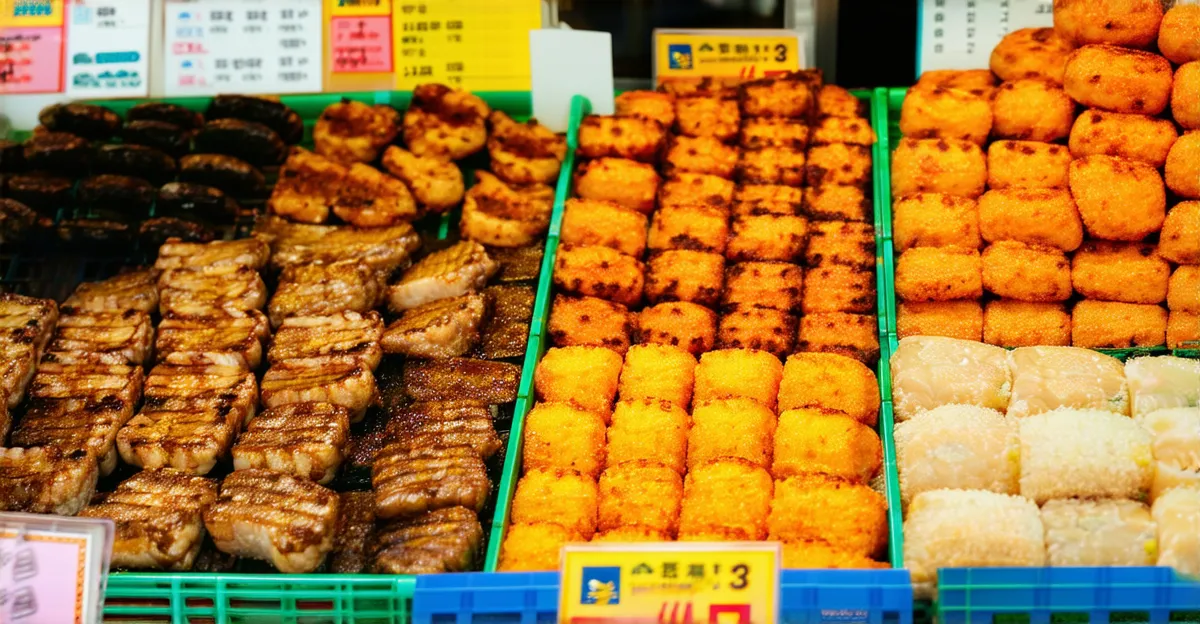
Jeju-si, the vibrant capital of Jeju Island, is not just known for its stunning landscapes but also for its rich and diverse culinary scene. As food enthusiasts explore this island paradise, they’ll find a treasure trove of local food markets that offer a mouth-watering selection of traditional dishes, fresh seafood, and unique snacks. From the bustling street stalls to family-owned market vendors, the local food markets in Jeju-si are a gateway to authentic flavors and an unforgettable culinary experience. This article will guide you through the most remarkable food markets, highlighting the must-try delicacies that encapsulate the essence of Jeju-si’s thriving food culture.
Key Takeaways
- Jeju-si local food markets offer an array of authentic flavors and unique culinary experiences.
- Don’t miss signature dishes like black pork, fresh seafood, and traditional snacks.
- Explore various markets for a real taste of Jeju’s vibrant food culture.
- The markets provide budget-friendly options for travelers looking to indulge in local cuisine.
1. Dongmun traditional Market: A Local Favorite
Dongmun Traditional Market is not just a marketplace; it’s a vibrant hub of Jeju-si local food markets that reflects the authentic flavors of Jeju. Visitors can wander through an array of stalls offering everything from fresh produce to traditional crafts. The aroma of grilled fish and spices fill the air, enticing everyone who walks through the entrance.
One of the highlights of this market is the variety of street food available. You can sample tteokbokki (spicy rice cakes) or hotteok (sweet pancakes), which are perfect for a quick snack. Additionally, the market allows visitors to experience the warmth of local culture, as vendors happily share stories about their products.
Pro Tip: Visiting in the morning ensures you get the freshest produce and the best selection of street food!
Where to eat: For a true taste of Dongmun, try Jeju Tofu House for their famous tofu stew. Don’t miss the delightful Jeju Gwangyang BBQ nearby for some grilled treats!
2. Jeju 5-Day Market: A Cultural Feast
The Jeju 5-Day Market, held every five days, is an essential part of the Jeju-si local food markets experience. This market offers an opportunity to engage with local farmers and artisans. You’ll find an endless array of items, including fresh fruits, vegetables, and handmade crafts.
Food lovers will be thrilled with the local delicacies on display. Must-tries include gogigui (grilled meat) and various jeon (savory pancakes). Furthermore, it’s a great place to sample Jeju’s unique citrus, especially the tangerines that the island is famous for.
Did you know? This market is not just about shopping; it’s also an experience that connects you with the culture of Jeju.
Where to eat: Make sure to check out Samgyetang Soup Shop for their nourishing chicken soup, perfect after a day of exploring the market.
3. Jeju seafood Market: Fresh Catch of the Day
💡 Pro Tip: Book your Seoul adventures in advance through Viator for the best deals!
Jeju seafood Market is a seafood lover’s dream within the jeju-si local food markets. Known for its exceptional range of fresh and dried seafood, this market offers the opportunity to sample the island’s catch of the day. You can interact directly with the fishermen and choose from the day’s best selections.
Popular dishes often served here include hoe (sliced raw fish) and grilled mackerel. The flavors are vibrant and are complemented by local sauces and dips. Moreover, many stalls prepare your purchase right on the spot, allowing you to enjoy a fresh meal immediately.
Pro Tip: Don’t miss trying the freshly caught abalone and octopus, which are local delicacies!
Where to eat: For the freshest seafood experience, visit Seongsan Ilchulbong Seafood Restaurant, which offers great views along with delicious meals.
4. Hallim Park food stalls: Tasty Treats in Nature
Located within the stunning Hallim Park, the food stalls here offer visitors delicious local delicacies amidst beautiful natural surroundings. As you stroll through the park—which is famous for its scenic gardens and volcanic landscapes—you’ll find an array of stalls that serve traditional Jeju cuisine. From hotteok, a sweet Korean pancake filled with brown sugar and nuts, to jeon, savory pancakes made with various ingredients, there’s something for everyone.
The atmosphere is lively, making it a perfect stop for families and tourists alike. Transitioning from the park’s scenic views to indulging in snacks makes for a delightful experience. Don’t miss the chance to try grilled fish or tteokbokki, which are also popular choices among visitors.
Pro Tip: Arrive early to avoid long lines, especially during the weekends. Enjoy your food in one of the park’s relaxing picnic areas.
Whether you’re looking for a quick bite or a leisurely meal, the Hallim Park food stalls provide a tasty experience that showcases Jeju-si local food markets. Enjoy the flavors while surrounded by nature!
5. Traditional Jeju Snacks: Must-Try Delicacies
Jeju Island offers a variety of traditional snacks, each bursting with unique flavors. One must-try is jeju tangerine candy, made from the island’s renowned tangerines. These candies are sweet and tangy, providing a perfect souvenir to take home. Additionally, black sesame rice cakes are another delightful treat made with local black sesame seeds.
Another crowd favorite is heukdwaeji (black pig) jerky. This snack is not only tasty but also reflects the island’s unique agricultural heritage. Transitioning between these snacks throughout your exploration of Jeju-si’s markets highlights the culinary diversity.
Did you know? Many of these traditional Jeju snacks can be found at local markets, where they are lovingly made by families.
Where to find them? Make sure to visit Dongmun Traditional Market, where vendors often showcase a variety of these local snacks. Trying these delicacies is essential for understanding the food culture of Jeju.
6. Jeju Black Pork: Savoring Local Flavors
💡 Pro Tip: Book your Seoul adventures in advance through Viator for the best deals!
One of Jeju’s most iconic culinary experiences is savoring Jeju Black Pork. This unique breed of pork is renowned for its rich flavor and tender texture, making it a must-try for meat lovers. Often grilled, the pork is usually served with fresh vegetables and dipping sauces, creating a palate-pleasing meal.
Visitors can enjoy Jeju Black Pork at various local restaurants, and many dishes include gogi-gui (grilled meat) and pork belly hot pots. Transitioning between these preparations gives a full experience of this local favorite.
Pro Tip: Pair your meal with traditional Jeju alcohol for an authentic experience!
To find the best spots, check out the Jeju 5-Day Market, where vendors specialize in this delicacy. Indulging in Jeju Black Pork allows you to taste one of the island’s most cherished flavors and is indeed a highlight in exploring Jeju-si local food markets.
7. Hallasan Mountain: Culinary Adventures Post-Hike
After a rewarding hike on Hallasan Mountain, the highest peak in South Korea, you are bound to feel hungry. Fortunately, the area surrounding Hallasan is dotted with local eateries that offer delectable dishes using fresh, local ingredients. Many visitors enjoy traditional Jeju black pork BBQ, which is grilled to perfection and pairs wonderfully with a side of kimchi.
Moreover, restaurants in the vicinity focus on wholesome meals that reflect the natural flavors of Jeju. After descending from the mountain, you can treat yourself to a warm bowl of ramyeon (noodle soup) or the comforting miyeok-guk (seaweed soup), often prepared with local seaweed gathered from the nearby waters.
Pro Tip: Don’t miss out on trying some freshly made jeon (Korean pancakes) at local stalls, which complement any meal beautifully!
Where to eat: After your hike, head to Baengnokdam Restaurant, known for its hearty dishes that will rejuvenate you. Another great option is Yeongdeok Fish Restaurant, which serves hot, flavorful meals perfect for weary hikers.
8. Organic and Local Produce: Farm-Fresh Finds
Jeju-si is renowned for its lush landscapes and fertile soil, making it a haven for agriculture. The local food markets often showcase a variety of organic and locally sourced produce, which reflects the island’s commitment to sustainable farming. Here, you can find fruits and vegetables, such as mandarins and green tea, that are harvested only a few hours before reaching the market.
Furthermore, many vendors offer unique items like Jeju hallabong, a sweet and juicy citrus fruit, and fresh vegetables that you can enjoy in your meals or take home to cook. By visiting these markets, you can support local farmers while enjoying the freshest produce available.
Did you know? Organic farming in Jeju is celebrated for preserving the island’s eco-diversity, ensuring that visitors can savor delicious and healthy foods!
Where to shop: For the best selection of fresh produce, the Dongmun Traditional Market is a must-visit. You can also check out local farmers’ markets around the island for seasonal offerings.
9. Unique Beverages: Try the Local Alcohols
No visit to Jeju-si would be complete without sampling its unique beverages, particularly the local alcohols. Jeju is famous for its soju, which has a smooth flavor and is often infused with local fruits like yuja (citron). This refreshing drink is perfect for cooling down after a day of exploring.
Additionally, don’t miss out on trying makgeolli, a traditional Korean rice wine that is slightly sweet and effervescent. Both beverages pair beautifully with local dishes, enhancing the overall dining experience.
Pro Tip: For a taste of something truly unique, seek out Jeju Hallasan Soju, crafted from the pristine waters near Hallasan Mountain.
Where to drink: For an authentic experience, visit Tom N Toms Coffee to enjoy some infused soju, or head to Jeju Beer Company for local craft beer offerings that complement the island’s cuisine.
10. Tips for Navigating Jeju-si Food Markets
Exploring the Jeju-si local food markets can be an exciting experience filled with delightful surprises. To make the most of your visit, here are some useful tips. Firstly, try to visit the markets early in the day. This way, you can enjoy fresh produce and marvel at local vendors beginning their day. Additionally, mornings often have fewer crowds, letting you browse leisurely and interact with sellers.
Next, don’t hesitate to ask questions! The vendors are usually friendly and willing to share insights about their products, especially when it comes to local specialties. For a true culinary adventure, sample the street food. Trying small bites from different stalls allows you to discover various flavors without committing to a full meal.
Pro Tip: Bring cash, as many vendors prefer it over credit cards. This can also lead to better bargaining opportunities.
Furthermore, make sure to explore not just the food, but also the cultural aspects of the markets. Take the time to appreciate the surroundings, watch cooking demonstrations, and learn about Jeju’s agricultural practices. Finally, remember to be respectful of the local customs and practices; this, in turn, enriches your market experience.
Jeju-si local food markets are an embodiment of the island’s rich culinary heritage, offering countless opportunities to taste and experience authentic local dishes. From fresh seafood to delightful snacks, these markets showcase the best of Jeju’s food culture. Whether you’re a local or a traveler, don’t miss out on exploring these culinary treasures, and share your unique food experiences or favorite dishes with us as you embark on your gastronomic adventure!
Frequently Asked Questions
💡 Pro Tip: Book your Seoul adventures in advance through Viator for the best deals!
A: Dongmun Traditional Market is highly recommended for its variety of local delicacies and vibrant atmosphere.
A: You can find Jeju black pork, fresh seafood, and traditional snacks like tangerine-based treats.
A: While many dishes feature meat and seafood, some markets offer vegetarian options like fresh vegetables and side dishes.
A: Visiting during the day provides the best experience, as many vendors offer freshly prepared meals and snacks.
A: Yes, many local tour companies offer guided food tours that take you through various markets and highlight local flavors.
A: Prices vary, but you can find delicious and filling dishes for around 5,000-15,000 KRW (4-12 USD).