
Jeju-si Cuisine: Discover Local Flavors and Delicacies
Dive into the best of Jeju-si cuisines! Explore must-try dishes, fresh seafood, and hidden dining gems on this food journey through Jeju Island.
On this page
Jeju-si cuisine is a breathtaking reflection of the island’s natural bounty, offering a unique culinary experience that draws visitors from around the world. Renowned for its fresh seafood, hearty local dishes, and vibrant flavors, Jeju-si presents a delectable selection of gourmet delights. This guide showcases must-try dishes, dining spots, and food experiences that make Jeju-si a paradise for food lovers eager to explore the island’s rich culinary heritage.
Key Takeaways
- Jeju-si cuisine highlights the island’s fresh seafood and signature black pork.
- local ingredients, including Jeju mandarins and seasonal vegetables, define the flavors of Jeju-si.
- Authentic culinary experiences like haenyeo cuisine reflect the island’s cultural heritage.
- Dining options range from casual street food to exquisite fine dining experiences.
1. Black Pork: The Iconic Jeju-si Delicacy
When it comes to Jeju-si cuisines, nothing stands out quite like the renowned black pork. This unique breed, known for its rich flavor and tenderness, is deeply cherished among locals and tourists alike. The island’s black pigs are raised on a diet of sweet potatoes and natural forage, contributing to the pork’s distinct taste. Whether grilled over charcoal or served in a hot pot, black pork delivers an unforgettable dining experience.
Many visitors opt for Samgyeopsal, where thick slices of pork belly are grilled and enjoyed with fresh lettuce and dipping sauces. Notably, some places offer a homemade ssamjang for added flavor. Additionally, incorporating some Jeju-grown vegetables enhances the experience, making it a well-rounded meal.
Pro Tip: For a truly authentic experience, visit a traditional Korean barbecue restaurant that specializes in Jeju black pork, allowing you to grill it at your table.
Where to eat: Look for Black Pork Street in Jeju City, where numerous restaurants serve this delicacy. Heukdwaeji Haeuijang-woo is especially popular for its grilled black pork.
2. Fresh seafood: A Taste of Jeju-si’s Ocean
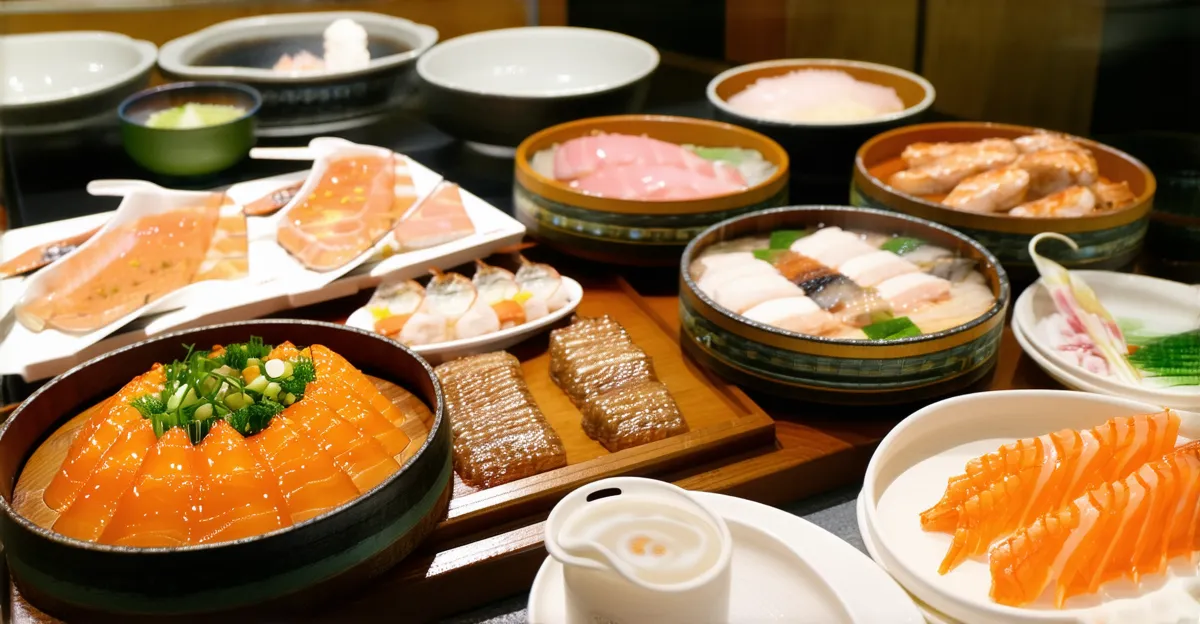
Jeju Island is blessed with an abundance of seafood, thanks to its surrounding clear waters. The fresh seafood available in Jeju-si is a major part of its cuisine, offering dishes that range from succulent fish to various shellfish. Dining on fresh seafood not only showcases the ocean’s bounty but also reflects the local culture and culinary traditions.
Highlights include grilled mackerel and raw fish salad, which are often served with a side of gochujang dip. Additionally, sea urchin and abalone are popular favorites that seafood lovers should not miss. The freshness is truly unparalleled, as many restaurants source their catch daily.
Did you know? Sampling seafood at local markets, like the Jeju Dongmun traditional Market, guarantees the freshest selections straight from the fishermen.
Where to eat: For mouth-watering seafood, visit the Ijungdong Seafood Market or Shin Jeju Seafood Restaurant for locally inspired meals that highlight Jeju’s fresh ocean harvest.
3. Haenyeo Cuisine: The Female Divers’ Seafood Dishes
💡 Pro Tip: Book your Seoul adventures in advance through Viator for the best deals!
The Haenyeo, or sea women of Jeju Island, play a vital role in preserving traditional seafood gathering practices. These fearless divers collect various marine life, from abalone to octopus, often without the use of diving equipment. Their unique contributions to Jeju-si cuisines can be tasted in dishes that highlight their harvests.
Dining on Haenyeo-inspired dishes typically includes sea squirt salad and sea urchin rice, showcasing the freshness and unique flavors of the ocean. Their culinary traditions emphasize sustainability, as the Haenyeo ensure that the sea’s resources are respected and preserved.
Pro Tip: Look for restaurants that feature Haenyeo specialties to truly appreciate this unique culinary tradition.
Where to eat: To taste authentic Haenyeo cuisine, try Haenyeo’s House or Seonja’s Seafood, which often serve dishes prepared with freshly harvested ingredients from the sea.
4. Jeju Mandarins: Citrus Wonders of the Island
Jeju-si is famous for its mandarins, which are loved for their sweet flavor and vibrant color. The temperate climate and rich volcanic soil of Jeju create perfect conditions for cultivating these delightful fruits. Mandarins from Jeju are not only juicy and sweet but also incredibly aromatic, making them a must-try when visiting the island.
Typically, Jeju mandarins are enjoyed fresh, but they are also used in various dishes and desserts. From bright salads to refreshing marinades, their zest adds a unique twist to many recipes. Furthermore, you can find mandarin jams and candies that emphasize the fruit’s deliciousness.
Did you know? Jeju’s mandarins are often referred to as “Hallabong,” particularly those that are larger and distinctively sweeter!
Where to eat: You can experience the essence of Jeju mandarins at local markets like Dongmun Traditional Market. Additionally, try delights made with mandarins at Kim’s Jeju Mandarins Cafe, which specializes in pastries and drinks featuring this citrus wonder.
5. Traditional Jeju Abalone Stew
Abalone stew, known locally as “jeonbokjuk,” is a traditional dish that showcases the rich seafood culture of Jeju-si. This hearty stew combines fresh abalone with rice porridge, creating a comforting bowl of goodness perfect for any season. The abalone, known for its tender texture and delicate flavor, elevates the dish further.
One of the unique aspects of abalone stew is its wide acceptance as both a health food and comfort meal. Thus, it’s often served to those recovering from illness or simply looking for a nourishing option.
Pro Tip: Enjoy your abalone stew with a side of seasoned vegetables, which amplifies the flavors and health benefits!
Where to eat: To experience authentic Jeju abalone stew, visit Jeju Abalone House, an establishment renowned for its fresh catch. Another option is Seogwipo Maeul, a cozy restaurant offering traditional recipes with a view of the ocean.
6. Chilli Crab: A Spicy Jeju Treat
💡 Pro Tip: Book your Seoul adventures in advance through Viator for the best deals!
Chilli crab is a must-try for anyone visiting Jeju-si. This dish transforms fresh Jeju crabs into a spicy, flavorful experience that is both aromatic and enjoyable. Typically, the crabs are cooked in a rich, spicy sauce made from a blend of chili, garlic, and other local seasonings, making for a memorable dining adventure.
What makes Jeju’s chili crab stand out is the quality of the crabs caught in the pristine waters surrounding the island. The sweetness of the crab meat balances beautifully with the heat of the spices, creating a harmonious dish that celebrates the bountiful ocean.
Fun Fact: Pair your chilli crab with a glass of local beer or soju for an authentic experience!
Where to eat: For the best chilli crab in Jeju, try Chili Crab House where the crabs are always fresh. Another excellent option is Maru Chilli Crab known for its generous portions and lively atmosphere.
7. Seasonal Vegetables: Farm-to-Table Freshness
Jeju-si is renowned for its seasonal vegetables, which reflect the island’s fertile land and mild climate. The local farms grow a variety of vegetables that are used in numerous traditional dishes, making them a vital part of the Jeju-si cuisines. Visitors can enjoy fresh produce such as green onions, radishes, and lettuce, all bursting with flavor and nutrients.
One popular dish featuring seasonal vegetables is the Jeju Salad, which combines crisp greens with locally-sourced ingredients. Moreover, these vegetables appear in stews and stir-fries, showcasing their versatility. Transitioning from farm to table, the meals emphasize freshness and sustainability.
Did you know? Many Jeju restaurants proudly source their ingredients from local farms, ensuring freshness and supporting the community.
Where to eat: To savor these seasonal delights, visit Black Pork Street in Jeju-si, where many eateries feature fresh vegetable dishes alongside their famous black pork. The local markets also offer a chance to buy seasonal produce directly from farmers.
8. Jeju Island Tofu: A Local Specialty
Another unique aspect of Jeju-si cuisines is the locally-made tofu. The island’s tofu is soft and creamy, crafted traditionally by hand. This delicacy is often enjoyed as part of a healthy meal or as a snack. Jeju’s tofu is prized for its pure taste and texture, making it a staple in many households.
One of the best ways to enjoy Jeju tofu is in a tofu stew, where it is combined with fresh vegetables and spices. Alternatively, trying it grilled or fried provides a different flavor profile that highlights its freshness. The tofu’s natural flavor shines through, so it’s often served with simple seasonings.
Where to eat: To try some of the best tofu in Jeju-si, head to Tofu House near the city center, known for its variety of tofu dishes. You can also find it at local food markets, where it’s freshly made.
9. Jeju’s Famous Sesame Oil Dishes
Jeju-si is celebrated for its use of sesame oil, which is an essential ingredient in many local cuisines. The rich flavor of sesame oil adds depth and aroma to both traditional and modern dishes. It’s often used as a dressing in salads or as a finishing touch on various cooked meals.
For instance, sesame oil noodles are a popular choice among locals, featuring a blend of fresh vegetables and sesame oil that creates a delicious yet simple dish. Additionally, many stir-fries and marinades incorporate sesame oil, lending a nutty flavor that enhances the overall experience.
Pro Tip: Don’t miss out on trying the sesame oil dip that’s commonly served with fresh vegetables—it’s a treat!
Where to eat: For an authentic taste of sesame oil dishes, visit Jeju Traditional Market, where you can find various vendors showcasing local produce and meals. Another great spot is Youngnam Bangjik, known for its flavorful sesame oil noodles.
10. Unique Jeju Desserts to Satisfy Your Sweet Tooth
When it comes to desserts, Jeju-si offers a remarkable variety that reflects the island’s unique flavors and ingredients. One of the most iconic desserts is Hallabong cake, made from the island’s signature citrus fruit. This sweet and tangy cake is a delightful way to enjoy the fresh taste of Jeju’s oranges.
Another must-try is Jeju Injeolmi, a traditional rice cake coated with powdered soybean flour. This chewy and soft treat is both satisfying and subtly sweet, often enjoyed during festivals or as a snack. Likewise, Green Tea Ice Cream made from local Jeju green tea, provides a refreshing taste, perfect for cooling down on a warm day.
A little tip: Pair your dessert with a cup of local tea for a true taste of Jeju’s culinary charm.
Where to eat: If you’re craving something sweet, visit Jeju Olle Market for a variety of local treats. Another great spot is O’sulloc Tea House, where you can enjoy amazing green tea desserts. Lastly, Bakery Cafe Minsok offers delicious Hallabong cakes that you won’t want to miss.
Jeju-si cuisine is not just about food; it’s a journey through the vibrant flavors and rich culture of Jeju Island. From savory black pork to delectable seafood, there’s an endless array of culinary delights waiting to be explored. Start planning your food adventure in Jeju-si, and don’t forget to share your favorite dishes with us!
Frequently Asked Questions
💡 Pro Tip: Book your Seoul adventures in advance through Viator for the best deals!
A: Jeju-si is known for its black pork, fresh seafood, and excellent use of local ingredients.
A: Must-try dishes include black pork BBQ, abalone stew, and Jeju mandarin desserts.
A: Yes, many restaurants offer vegetarian and vegan-friendly dishes using seasonal vegetables.
A: The coastal restaurants and local markets are ideal for fresh seafood delicacies.
A: It’s advisable to make reservations for popular restaurants, especially during peak tourist seasons.
A: Experiencing haenyeo seafood dishes and trying a traditional black pork BBQ are a must.