
Gyeongju Cuisines: Discover Local Flavors and Dishes
Gyeongju cuisines are a feast for the senses! Explore the best local dishes and dining spots in this guide to the culinary treasures of Korea’s ancient city.
On this page
Gyeongju cuisines are a delightful blend of history, culture, and flavors that represent the heart of South Korea’s traditional food scene. Known as the ancient capital of the Silla Kingdom, Gyeongju offers a unique dining experience where local dishes and age-old culinary practices come to life. From savory stews to signature rice dishes, the cuisine here tells the story of a city steeped in heritage. This blog post explores the must-try dishes and dining spots, making it essential for every food lover visiting this historic city.
Key Takeaways
- Gyeongju cuisines showcase a rich variety of authentic flavors and traditional dishes.
- Signature dishes like Ssambap and Hano reflect the city’s unique culinary culture.
- From cozy porridge to vibrant banchan, there’s something for every palate.
- Dining spots range from traditional tea houses to outdoor markets, providing diverse experiences.
1. Gyeongju Ssambap: A Unique Rice Wrapping Experience
Gyeongju Ssambap is a delightful culinary experience that combines flavor with a fun presentation. This dish consists of soft, warm rice wrapped in fresh leafy vegetables, often served with an array of fillings and sauces. Diners can customize each bite, making it a favorite among locals and tourists alike. The beauty of Ssambap lies not only in its taste but also in the interactive dining experience it provides.
Typically, people enjoy Gyeongju Ssambap with ingredients like marinated meat, fermented or fresh veggies, and spicy sauces such as gochujang. Each element is carefully selected to enhance the overall flavor. Moreover, this dish highlights the use of fresh, local ingredients and traditional cooking methods, making it a reflection of Gyeongju’s rich culinary heritage.
Pro Tip: When preparing your Ssambap, be sure to balance flavors by mixing various sauces to create a personalized taste.
Where to eat: For an authentic Ssambap experience, visit Gyeongju Ssambap House or Gyeongju Daejanggeum, both known for their delicious interpretations of this traditional dish.
2. Gyeongju Hano: Savoring the Taste of Premium Korean Beef
Gyeongju Hano refers to a premium breed of Korean beef that is highly prized for its rich flavor and tenderness. This exceptional meat is an essential part of Gyeongju’s cuisine and is often prepared using methods that showcase its unique qualities. One popular way to enjoy Gyeongju Hano is through grilling, where the marbling of the beef creates an unforgettable taste experience.
Many locals prefer to eat Gyeongju Hano in a traditional style with sides of garlic, dipping sauces, and fresh vegetables. You can experience the melt-in-your-mouth texture while savoring the genuine taste of premium beef. Therefore, this dish elevates any meal into a special occasion.
Did you know? Gyeongju Hano beef is often awarded for its quality, making it a must-try when visiting the region.
Where to eat: For top-notch Gyeongju Hano, don’t miss Jeonggalbi or Gyeongju Beef Palace, where the focus remains on showcasing this premium product.
3. Juk: Warm Korean Porridge to Comfort the Soul
⭐ Recommendation: Don't miss out on amazing Gyeongju tours - book now!
Juk is a comforting Korean porridge that can serve as a meal at any time of day. Made with rice and typically flavored with various ingredients such as pumpkin, red beans, or chicken, it brings warmth and nourishment. In Gyeongju, Juk is prepared in a way that highlights local flavors and traditions.
Many enjoy Juk during colder months, as it is not only warming but also easily digestible, making it perfect for those recovering from illness or simply seeking comfort food. With a smooth consistency and subtle taste, Juk can be enjoyed plain or garnished with toppings like sesame oil or sliced scallions.
Pro Tip: For a unique taste, try Gyeongju’s pumpkin Juk which adds a delightful sweetness to each bite.
Where to eat: For a delicious bowl of Juk, head to Gyeongju Juk House or Gyeongju Traditional Food Restaurant, both known for their authentic offerings.
4. Gyeongju’s Kimchi: A Taste of Tradition
Kimchi is more than just a side dish in Gyeongju; it’s a beloved staple that represents the area’s culinary heritage. Gyeongju’s kimchi is often characterized by its unique flavor, achieved through the use of locally sourced ingredients and traditional fermentation methods. One popular variant is Baechu Kimchi, made with Napa cabbage, garlic, ginger, and a special mix of spices, giving it a spicy kick and invigorating depth of flavor.
Moreover, Gyeongju’s climate enhances the fermentation process, resulting in a more flavorful and aromatic kimchi. Locals often serve kimchi with almost every meal, celebrating its place in Korean culture. Additionally, each family may have its own secret recipe, improving the regional diversity of this iconic dish.
Pro Tip: Don’t miss out on participating in a kimchi-making class while in Gyeongju to truly appreciate this culinary tradition.
Where to eat: For authentic kimchi, visit Gyeongju Kimchi Village, where you can taste a variety of homemade kimchi dishes and learn more about its significance in Korean cuisine.
5. Banchan: The Delight of Korean Side Dishes
⭐ Recommendation: Don't miss out on amazing Gyeongju tours - book now!
Banchan refers to the assortment of small side dishes served alongside the main course in Korean meals. In Gyeongju, banchan is a culinary art in itself, featuring a variety of flavors, textures, and ingredients. Common banchan include pickled vegetables, seasonal greens, and tofu dishes. Each banchan complements the main dishes, enhancing the overall dining experience.
What makes Gyeongju’s banchan unique is the local touch, as chefs incorporate regional ingredients. For example, Seasoned Spinach and Spicy Daikon Salad are popular choices often found in Gyeongju meals. These side dishes are not merely accompaniments; they contribute significantly to the meal’s flavor profile.
Did you know? Banchan is usually provided for free in restaurants, making your dining experience both delightful and economical!
Where to eat: Enjoy an elaborate banchan spread at Gamdong Restaurant, renowned for its authentic Korean home-style dishes.
6. Dongdongju: Enjoying Traditional Korean Rice Wine
Dongdongju is a traditional Korean rice wine that commands attention in Gyeongju’s dining scene. Made from glutinous rice, it is a slightly cloudy, unfiltered wine with a rich texture and slightly sweet flavor. Dongdongju’s unique brewing process involves the fermentation of cooked rice, water, and nuruk (a fermentation starter), creating its distinctive taste.
This rice wine is often enjoyed during special occasions or as a refreshing accompaniment to spicy dishes. It’s common to see locals sipping dongdongju alongside their meals, providing a perfect balance to the meal’s spices and richness.
Pro Tip: Pair dongdongju with Gyeongju’s grilled seafood for an unforgettable flavor combination!
Where to enjoy dongdongju: Try Jinsunghang, a local tavern famous for its homemade rice wine and delicious pairing dishes.
7. Fresh seafood: Exploring Gyeongju’s Coastal Delicacies
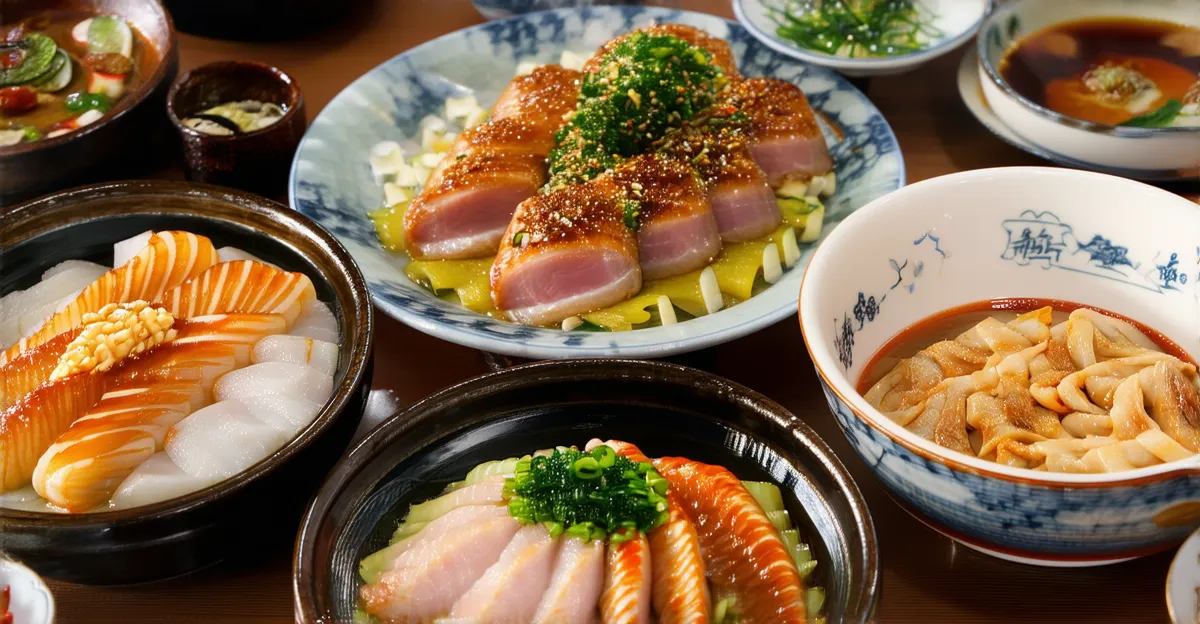
Gyeongju, located along the southeastern coast of South Korea, is renowned for its fresh seafood offerings. The city’s proximity to the ocean provides easy access to a variety of marine delicacies, making it a haven for seafood lovers. Here, you can savor dishes made with fish, shellfish, and other ocean delights, prepared fresh daily. Notably, the area is famous for its grilled mackerel, tender clams, and mouthwatering squid.
When enjoying seafood in Gyeongju, many visitors prefer to eat at coastal markets or seafood restaurants where the catch of the day is served with traditional seasonings. Sashimi is a popular option, offering a fresh taste of the sea. Furthermore, visitors can indulge in savory dishes such as Jjukkumi Bokkeum, which features stir-fried baby octopus, perfumed with spicy sauce.
Pro Tip: Pair your seafood with a local rice wine, Dongdongju, for a delightful culinary experience!
Where to eat: For a memorable seafood experience, visit Gyeongju Fish Market or try Namdaemun Seafood Restaurant for delicious grilled options.
8. Galbi: Grilled Ribs in Gyeongju Style
Galbi, or Korean barbecue ribs, is a beloved dish that showcases Gyeongju’s unique take on this traditional favorite. Gyeongju Galbi is typically marinated in a mix of soy sauce, garlic, and sesame oil, creating a rich flavor profile that tantalizes the taste buds. The grilling process enhances these flavors, leaving you with succulent, juicy ribs.
This dish is often enjoyed in a communal setting, with diners grilling their own ribs right at the table. This adds a fun, interactive element to the meal. Often, Galbi is served with traditional banchan, or side dishes, which complement the main dish and provide a delightful variety of flavors.
Did you know? Gyeongju’s Galbi is often grilled over oak charcoal, adding a distinct smoky flavor.
Where to eat: For an authentic Galbi experience, check out Galbi House or Tempted Grill House, where you can enjoy rich flavors and a vibrant atmosphere.
9. Jeongol: Hearty Korean Stews Bursting with Flavor
⭐ Recommendation: Don't miss out on amazing Gyeongju tours - book now!
Jeongol is a traditional Korean stew that is particularly popular in Gyeongju. This hearty dish typically features a variety of ingredients, such as vegetables, seafood, and beef, simmered in a rich broth. It’s not just a meal—Jeongol is a culinary exploration that reflects the vibrant flavors of Gyeongju’s culinary culture.
The beauty of Jeongol lies in its adaptability; there are many variations to enjoy. From spicy seafood Jeongol filled with fresh catches to beef and mushroom versions, each bowl offers a unique taste experience to savor. Furthermore, it’s a wonderful option during the colder months, providing warmth and comfort.
Pro Tip: Do not forget to scoop out the delicious broth, as the flavors deepen through long, slow cooking!
Where to eat: To savor a delicious bowl of Jeongol, visit Hanok Jeongol House or Gyeongju Jeongol Restaurant, both celebrated for their authentic flavors and cozy atmospheres.
10. Gyeongju Traditional Tea Houses: Sipping on heritage
Discovering the charming traditional tea houses in Gyeongju is a delightful experience that offers a taste of Korea’s rich tea culture. These tea houses often feature serene atmospheres, where visitors can enjoy the comforting ritual of sipping tea while surrounded by beautiful decor, reminiscent of ancient times. In Gyeongju, tea is more than just a beverage; it represents a slice of Korea’s history and heritage.
Many tea houses serve various types of Korean teas, including green tea, barley tea, and jujube tea. Each tea has its unique flavor and health benefits, making the experience both enjoyable and revitalizing. Notably, some tea houses also offer exquisite traditional sweets or snacks that complement the tea, providing a rounder taste of Gyeongju’s culinary landscape.
Pro Tip: Try to visit a tea house with a view of historical sites, as it enhances the cultural experience.
Where to enjoy: Visit Oksan Seowon for a tranquil tea experience with historical significance, or check out Gyeongju Tea House for authentic local flavors and a cozy ambiance. Don’t miss the chance to relax and savor the rich traditions of Gyeongju while sipping on a comforting cup of tea.
Gyeongju cuisines reveal a world of unique flavors and culinary traditions that take you on a delightful journey through history. Whether indulging in a hearty bowl of Juk or savoring perfectly grilled Galbi, Gyeongju offers unforgettable experiences for food lovers. Share your favorite dishes or plan your food adventure to explore this historical food haven!
Frequently Asked Questions
A: Gyeongju is known for its traditional dishes like Ssambap, fresh seafood, and premium Hano beef.
A: Must-try dishes include Gstambap, Hano, and savory cliffside Dongdongju.
A: Yes, local markets and street vendors offer delicious budget-friendly meals.
A: Exploring local markets, joining food tours, and dining at traditional restaurants are great ways.
A: Yes, many restaurants in Gyeongju accommodate vegan and vegetarian options.
A: Some of the best Ssambap can be found in traditional restaurants near the Gyeongju Historic Area.