
Gyeongju Traditional Food: Discover Local Flavors
Gyeongju traditional food offers a delightful blend of history and flavor. Explore must-try dishes and dining spots in this culinary guide.
On this page
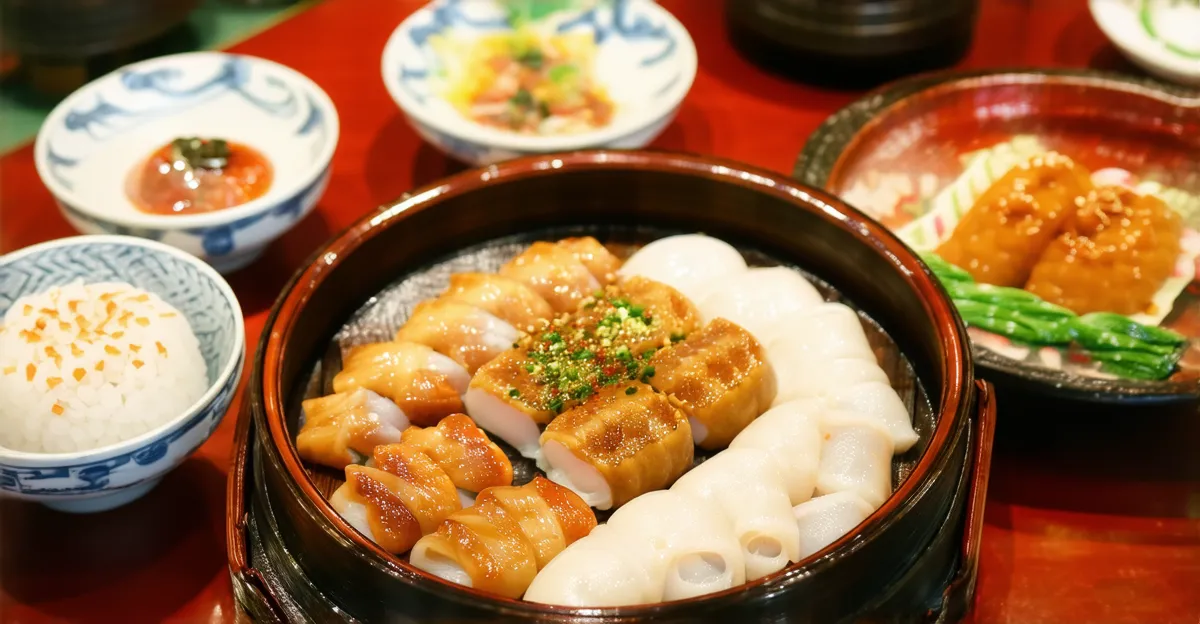
Gyeongju’s traditional food is a vibrant reflection of its rich cultural heritage and historical significance. Known as the ancient capital of the Silla Dynasty, Gyeongju boasts a unique culinary landscape that intertwines history with flavor. From savory rice dishes and freshly caught seafood to intricate temple meals, Gyeongju traditional food is a must-experience for any food lover. In this guide, we will take you on a journey through the must-try local dishes, dining spots, and culinary experiences that define Gyeongju’s gastronomic identity.
Key Takeaways
- Gyeongju traditional food showcases a variety of unique flavors and recipes.
- Signature dishes like Ssambap and Hwangnam Bread reflect the city’s culinary heritage.
- From family-run eateries to traditional markets, Gyeongju offers diverse dining experiences.
- Exploring local food tours and cooking classes enhances your understanding of Gyeongju cuisine.
1. Gyeongju’s Signature Dish: Ssambap
When it comes to Gyeongju traditional food, ssambap is undoubtedly a signature dish. This delightful meal involves wrapping a variety of seasoned vegetables, meats, and rice in leafy greens. Traditionally, sesame leaves and lettuce are commonly used for wrapping, enhancing the flavors of the fillings within. Not only is it delicious, but ssambap also offers a fun, interactive dining experience.
Typically, ssambap is served with a selection of sides, known as banchan, which elevate the meal. You can expect pickled vegetables and spicy sauces to accompany this dish. Many restaurants take pride in using local, fresh ingredients for their ssambap, providing a taste of Gyeongju’s agricultural bounty.
Pro Tip: Don’t hesitate to mix and match your fillings for a unique flavor experience!
Where to eat: For a memorable ssambap experience, visit Hansik Restaurant in Gyeongju, known for its authentic presentation of this beloved dish.
2. Hwangnam Bread: A Sweet Tradition
Hwangnam bread is a delightful treat that embodies the essence of Gyeongju traditional food. Originating from the Hwangnam area of Gyeongju, this soft, sweet bread is filled with a mixture of red bean paste or other fillings such as walnuts and jujubes. The bread’s distinct flavor and texture make it a popular souvenir for visitors to take home.
This bread is not only delicious but also holds cultural significance, often associated with special occasions. You will find it commonly sold at local bakeries and markets. Enjoying a piece with a cup of tea can make for a relaxing afternoon.
Tip: Pair Hwangnam bread with traditional Korean tea for an authentic experience!
Where to eat: Don’t miss Hwangnam Bread Bakery when in Gyeongju. It’s a renowned spot that has been baking this sweet bread for generations, ensuring you taste the tradition.
3. Gyeongju Gimbap: A Local Twist on a Classic
⭐ Recommendation: Don't miss out on amazing Gyeongju tours - book now!
Gyeongju gimbap is a local twist on the classic Korean dish. Made with vinegared rice and various fillings, this famous snack is wrapped in dried seaweed. While traditional gimbap often includes ingredients like pickled radish and crab meat, Gyeongju’s version showcases local ingredients like marinated vegetables and seasonal greens, offering a fresh take on this beloved dish.
This convenient and flavorful dish is perfect for picnics or quick meals. The fusion of flavors reflects Gyeongju’s rich culinary heritage, and it’s especially popular among locals. You may also find unique variations such as gimbap containing regional seafood.
Pro Tip: Try the Gyeongju gimbap with a dab of wasabi for an exciting flavor kick!
Where to eat: For a tasty Gyeongju gimbap, head to Gyeongju Gimbap House, where you can savor authentic flavors while enjoying the local atmosphere.
4. Jeongol: Hearty Korean Stews in Gyeongju
Jeongol is a beloved dish in Gyeongju, known for its rich flavors and comforting warmth. Often prepared in a large pot, this hearty Korean stew features various ingredients such as meat, vegetables, and mushrooms. The beauty of Jeongol lies in its versatility; you can enjoy various styles, from spicy seafood to mild beef. The ingredients are layered beautifully in the pot, creating a feast for the eyes as well as the palate.
Typically, Jeongol is served at family gatherings and celebrations, making it a staple in Gyeongju traditional food. The slow-cooked broth is deeply flavored, often enhanced with gochujang (red chili paste) or doenjang (fermented soybean paste). This means that every bite is packed with umami!
Pro Tip: Pair Jeongol with a bowl of rice and a selection of banchan (side dishes) for a complete meal.
Where to eat: Don’t miss Gyeongju Jeongol House, famous for its seafood Jeongol, or visit Shin Jeongol for an authentic experience featuring a wide variety of ingredients.
5. Gyeongju Chilled Noodles: Naengmyeon
⭐ Recommendation: Don't miss out on amazing Gyeongju tours - book now!
Naengmyeon, or chilled noodles, is a refreshing dish perfect for hot summer days in Gyeongju. This local twist features thin, chewy noodles served in a cold and tangy broth made with beef or dongchimi (radish water kimchi). The dish is often garnished with sliced cucumbers, pear, and a boiled egg, making it as delightful to look at as it is to eat.
The flavors are light and refreshing, making Naengmyeon a popular choice among locals and visitors alike. Whether you enjoy it with spicy mustard or sit with friends while sharing a bowl, it’s a nutritious option that highlights Gyeongju’s love for fresh ingredients.
Did you know? Naengmyeon is also enjoyed during celebrations like Korean New Year, which adds to its cultural significance.
Where to eat: Gyeongju Naengmyeon is a great spot to try this dish, known for using traditional recipes and local ingredients. Alternatively, Hanok Naengmyeon offers a beautiful atmosphere paired with excellent food.
6. Barley Rice: The Healthiest Grain in Gyeongju Cuisine
Barley rice, or ‘bori-bap,’ holds a special place in Gyeongju traditional food. Known for its health benefits, barley is a whole grain that provides fiber, vitamins, and minerals. In Gyeongju, it’s often served as a delightful alternative to white rice, showcasing the region’s commitment to nutrition.
This dish is typically enjoyed as a side, accompanied by various banchan. The nutty flavor and chewy texture of barley rice make it a satisfying base for many meals. Moreover, it can be enjoyed both warm or cold, making it versatile.
Pro Tip: Look for restaurants that offer barley rice as an option; it’s a fantastic way to enhance your meal.
Where to eat: Try Daegwallyeong Barley Rice House for an authentic experience or visit Healthy Bori, which specializes in dishes made with barley and other wholesome ingredients.
7. Silla-Style Sea Eel: A Unique seafood Experience
Gyeongju is renowned for its Silla-style sea eel, which distinguishes itself from other seafood offerings with its rich flavor and unique preparation methods. This delicacy dates back to the ancient Silla Dynasty, where it was cherished by royalty. Traditionally, the eel is marinated in a special sauce made from soy sauce, garlic, and ginger, which enhances its taste while maintaining its tender texture.
Visitors to Gyeongju often find this dish served both grilled and stewed, allowing for a variety of flavors in one meal. The grilled version offers a crispy outer layer, while the stew brings out the eel’s natural sweetness, complemented with vegetables and spices.
Pro Tip: For the best experience, pair Silla-style sea eel with a bowl of warm rice to balance the flavors.
Where to eat: To savor authentic Silla-style sea eel, try Gyeongju Eel Restaurant or Oseong Gukbap, both known for their delightful seafood dishes.
8. Traditional Temple Food: Dining with Serenity
Experience tranquility through traditional temple food in Gyeongju, which offers a unique perspective on Korean cuisine. This style of food is prepared with health and mindfulness in mind, using seasonal vegetables, grains, and herbs. The meals are typically vegetarian, designed to nourish the body and spirit.
Temple chefs focus on natural flavors, emphasizing the importance of balance and harmony in each dish. Popular items include lotus root soup and vegetable bibimbap, rich in textures and tastes. Each dish is not only healthy but also serves as a reflection of the serene lifestyle practiced in temples.
Did you know? Temple food often changes with the seasons, allowing diners to enjoy the freshest ingredients.
Where to eat: For an authentic temple food experience, visit Gyeongju Temple Food Restaurant, which offers a variety of dishes made with ingredients sourced from local gardens.
9. Gyeongju Kimchi: Fermented Flavors of the Region
⭐ Recommendation: Don't miss out on amazing Gyeongju tours - book now!
No visit to Gyeongju would be complete without tasting Gyeongju kimchi. This fermented dish is a staple in Korean households and is well-known for its distinctive flavors and health benefits. What sets Gyeongju kimchi apart is its unique blend of spices, including ginger and red pepper flakes, combined with locally grown vegetables like Napa cabbage and daikon radish.
Gyeongju kimchi is made using traditional methods passed down through generations. The fermentation process not only preserves the vegetables but also enhances their flavors, resulting in a tangy and savory side dish that pairs wonderfully with meals.
Pro Tip: Try kimchi straight from a local home, where family recipes often yield the most authentic and exciting flavors.
Where to eat: For delicious Gyeongju kimchi, head to Kimchi Dong Korean Restaurant, where you can enjoy various kimchi dishes that celebrate this storied tradition.
10. Local Markets: A Culinary Adventure Awaits
Exploring the vibrant local markets in Gyeongju is truly a culinary adventure that allows you to taste the rich flavors of the region. These markets are buzzing with energy and local produce, offering visitors a chance to experience Gyeongju traditional food firsthand. One of the most popular markets is the Gyeongju Traditional Market, where you can find fresh ingredients, snacks, and meals prepared right in front of you.
In addition to ssambap and hwangnam bread, you’ll also encounter a variety of pickled vegetables, spices, and locally sourced seafood. Often, vendors will offer samples, which is a great way to discover new flavors. Notably, traditional rice cakes and dumplings are a must-try here, as they showcase the culinary heritage of Gyeongju.
Local Tip: Visit during lunch or dinner hours for the freshest offerings and to see locals enjoying their meals.
Another market worth visiting is the Seongdong Market, famous for its street food stalls. From hot tteokbokki to crispy mandu, there’s something for every palate. Thus, spending time at Gyeongju’s local markets not only satisfies your taste buds but also connects you with the city’s culinary culture.
Gyeongju traditional food offers a mesmerizing glimpse into the culinary heritage of Korea. With its rich flavors and intriguing history, indulging in local cuisine is essential for anyone exploring this beautiful city. Whether you’re enjoying a meal in a quaint restaurant or sampling street food at a market, Gyeongju’s culinary scene invites you to savor its unique offerings. Share your favorite dishes and embark on a delightful food journey in Gyeongju!
Frequently Asked Questions
A: Gyeongju is famous for dishes like Ssambap, Hwangnam Bread, and a variety of local stews and seafood.
A: Ssambap, Jeongol, and Gyeongju Gimbap are among the must-try delicacies when visiting.
A: Local markets and small eateries across Gyeongju offer delicious and budget-friendly meals.
A: Joining food tours or taking cooking classes will provide a deeper connection to Gyeongju’s culinary traditions.
A: Yes, many temple food options cater to vegan diets, highlighting seasonal vegetables and grains.
A: The Gyeongju traditional market is a fantastic spot for sampling local dishes and ingredients.