
Wadi Musa Food Tours: Exploring Local Flavors
Uncover the taste of the desert with Wadi Musa food tours! Discover local dishes and dining experiences that showcase Jordan’s culinary heritage.
On this page
Wadi Musa, nestled just outside the ancient city of Petra, is a hidden gem for food lovers. The local cuisine reflects a rich blend of Bedouin traditions and Levantine influences, offering visitors a unique culinary experience among the rugged landscapes. From hearty stews to aromatic spices, Wadi Musa food tours invite you to savor delightful local dishes and immerse yourself in the culture of Jordan. This guide highlights the must-try delicacies and unforgettable dining spots that make Wadi Musa a gastronomic paradise.
Key Takeaways
- Wadi Musa food tours showcase a variety of authentic flavors from Jordanian cuisine.
- Signature dishes like Mansaf and Zarb highlight the region’s culinary traditions.
- From street food to traditional meals, Wadi Musa offers dining options for every budget.
- Participating in food tours and cooking classes enhances the understanding of local culture.
1. Mansaf: The National Dish of Jordan
Mansaf holds a special place in Jordanian hearts and is often regarded as the national dish of Jordan. This magnificent dish consists of lamb cooked in a rich sauce made from fermented dried yogurt, served on a bed of fragrant rice. Traditionally, Mansaf is a centerpiece for festive occasions and family gatherings, symbolizing hospitality and generosity.
The flavors of Mansaf are unparalleled. The tender lamb is beautifully complemented by the tangy yogurt sauce, and the whole dish is often garnished with almonds and pine nuts. Important to note, this dish is typically eaten communally—everyone gathers around the large platter, using their hands to scoop the delightful mixture onto pieces of flatbread.
Pro Tip: Pair your Mansaf with a local Jordanian wine, which enhances the flavors and makes the experience even more unforgettable.
When exploring Wadi Musa, tasting Mansaf is a culinary must. You can find this dish at numerous local restaurants that offer authentic Bedouin-style dining.
2. Zarb: traditional Bedouin BBQ
Zarb is the quintessential Bedouin BBQ, providing a truly unique cooking experience. This dish is a feast for the senses, where marinated meats and vegetables are wrapped in foil and buried in a pit of heated stones and covered with sand. The method of slow-cooking creates unbelievably tender and flavorful meats.
The joy of Zarb lies not only in its delicious flavors but also in the communal aspect of dining. Typically, this dish is served at celebrations or gatherings, bringing the community together. The rich aroma of spices wafts through the air, creating anticipation for this special meal.
Fun Fact: Zarb cooking can take hours, allowing guests to engage in stories and fun while waiting.
If you’re interested in an authentic Zarb experience, consider joining one of the wadi musa food tours. Many of these tours offer a chance to participate in the preparation, making it an unforgettable adventure.
3. Hummus and Baba Ganoush: Staples of Jordanian Cuisine
⭐ Recommendation: Don't miss out on amazing Amman tours - book now!
No exploration of Jordanian cuisine would be complete without mentioning hummus and baba ganoush. These two dishes are staples in Jordanian households and are often served as appetizers or meze. Hummus is made from blended chickpeas, tahini, lemon juice, and garlic, creating a creamy and satisfying dip.
Baba ganoush, on the other hand, features roasted eggplant pureed with tahini and spices, offering a smoky flavor that perfectly complements the smoothness of hummus. These dishes are often accompanied by warm pita bread, making them a delightful addition to any meal.
Pro Tip: Don’t hesitate to mix and match these dips to create your own flavor combination.
Visitors can find these delicious dips at almost any local restaurant or while on wadi musa food tours. Trying them at street food stalls will provide an authentic taste of Jordanian life!
4. Fatteh: A Flavorful Bread Dish
Fatteh is a delightful Jordanian dish that combines layers of toasted Arabic bread with a variety of toppings, usually served in a rich yogurt sauce. This dish is especially popular for breakfast or as a light meal. The preparation often involves soaking the crispy bread in meat broth, elevating its texture and flavor.
Each serving of fatteh typically includes chickpeas, slathered with tahini, and is garnished with pine nuts or almonds for a crunchy contrast. The tangy yogurt complements the bread beautifully, creating a harmonious balance of flavors. Additionally, it’s common to sprinkle a dash of sumac or za’atar for an extra burst of flavor.
Pro Tip: Enjoy fatteh when it’s freshly made, as the bread retains its delightful crunch and the yogurt sauce is at its creamiest.
Where to eat: You can experience the best fatteh at Al Quds Restaurant in Wadi Musa, known for its authentic recipes. Another great spot is Petra Kitchen, where you can even participate in the cooking process.
5. Stuffed Grape Leaves (Warak Enab): A Must-Try Meze
Warak Enab, or stuffed grape leaves, is a beloved Jordanian meze that showcases the country’s love for fresh ingredients and traditional cooking techniques. These tender grape leaves are filled with a mixture of rice, ground meat, and a medley of spices, then rolled tightly and simmered in olive oil and lemon juice.
This dish is often served as a side or appetizer and is best enjoyed chilled or at room temperature. The bright flavors of lemon combined with the savory filling create an unforgettable taste experience. Additionally, it’s common to pair Warak Enab with a side of yogurt or tahini for added creaminess.
Fun Fact: Warak Enab is often made during family gatherings and festive occasions, symbolizing togetherness and the richness of Jordanian hospitality.
Where to eat: For the best Warak Enab in Wadi Musa, head to Al-Mudawwarah Restaurant, where generous portions and authentic flavors await. Another great option is Al-Balad Restaurant, popular with locals for its homemade touch.
6. Shish Barak: Savory Dumplings in Yogurt
Shish Barak is a traditional Jordanian dish consisting of savory dumplings filled with spiced meat and then cooked in a creamy yogurt sauce. These dumplings are bite-sized, making them perfect for sharing or enjoying as a comforting meal. The yogurt sauce is often seasoned with garlic and mint, creating a refreshing flavor contrast that’s hard to resist.
This dish is typically served warm, allowing the yogurt to perfectly coat each dumpling. The combination of flavors makes it a comforting and hearty choice, especially during colder months. Shish Barak is often paired with extra yogurt on the side, enhancing the dish’s creaminess.
Pro Tip: Try adding some fresh mint leaves on top for an extra layer of flavor and aroma!
Where to eat: Experience authentic Shish Barak at Petra House Restaurant. Alternatively, Al-Wadi Restaurant offers a cozy atmosphere and traditional dishes that will whisk you away to the heart of Jordanian cuisine.
7. Local Spices and Za’atar: The Taste of Wadi Musa
⭐ Recommendation: Don't miss out on amazing Amman tours - book now!
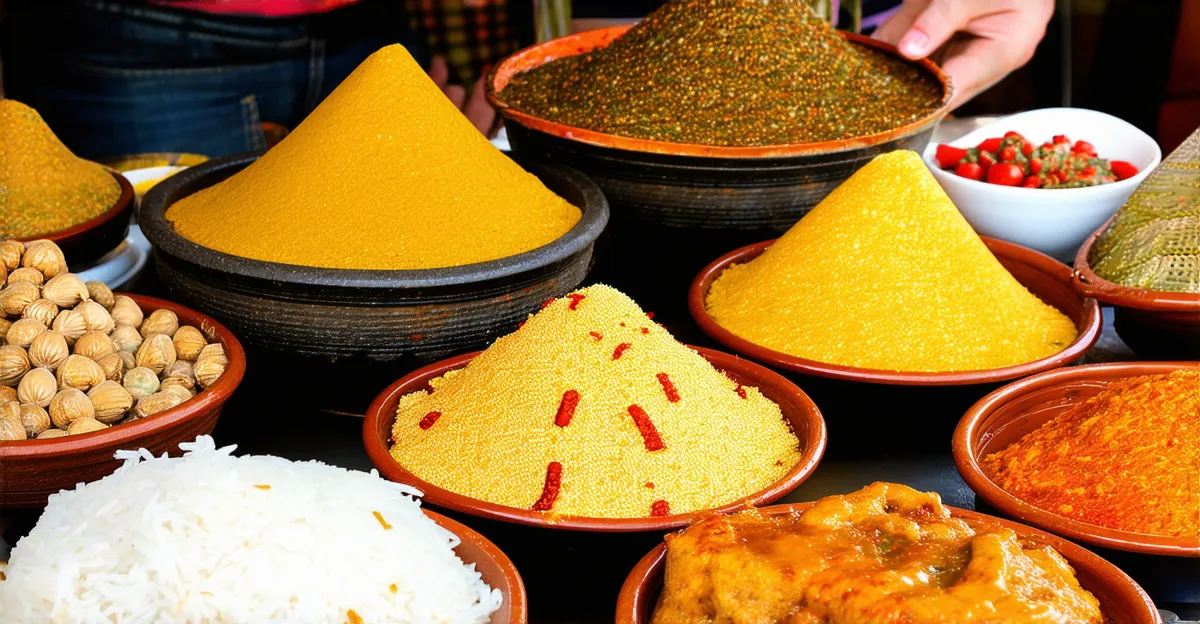
Wadi Musa is famed for its vibrant and aromatic spices, making it a culinary delight for any visitor. The Za’atar, a mixture of dried thyme, oregano, marjoram, sesame seeds, and sumac, is a staple in Jordanian cooking. This versatile spice blend is often used to season meats or to create a flavorful dip with olive oil.
Another essential spice found in Wadi Musa is cumin, which adds depth to various dishes. As you explore local food tours, you’ll witness the use of spices in everyday cooking. From grilled meats to stews, locals take pride in their rich flavors.
Pro Tip: Don’t miss the chance to buy some local spices during your visit. They make for great souvenirs and are perfect for recreating Jordanian dishes back home!
Where to eat: Sample these spices at Al Zawaya Restaurant, known for its authentic Jordanian dishes, or try the local spice shops around Petra for fresh Za’atar and other spices.
8. Traditional Bread-Making: A Culinary Experience
In Wadi Musa, traditional bread-making is more than just a cooking technique—it’s a cultural experience. Local families often gather to prepare warm pita bread or flatbreads using simple ingredients like flour, water, and salt. This bread is typically cooked in a traditional oven, giving it a unique flavor and texture.
Participating in a bread-making workshop during your wadi musa food tours allows you to get hands-on experience. You’ll learn the art of kneading, rolling, and baking while gaining insight into its significance in Jordanian hospitality.
Did you know? Freshly baked bread is often served with every meal, symbolizing hospitality and community in Jordanian culture.
Where to eat: For a true taste of homemade bread, visit The Cave Bar where you may find freshly baked options served alongside local dishes.
9. Arabic Sweets: Indulge in Baklava and Kunafa
No trip to Wadi Musa is complete without indulging in traditional Arabic sweets. Among the most popular are Baklava and Kunafa. Baklava is a rich pastry made of layers of filo dough filled with nuts and sweetened with honey syrup. It’s a delightful treat you can’t miss!
On the other hand, Kunafa, a dessert made of thin noodle-like pastry soaked in syrup, serves as a decadent way to end any meal. Each region has its own twist, but the creamy layer is what distinguishes the Wadi Musa version.
Pro Tip: Pair these sweets with a cup of strong Arabic coffee for an authentic culinary experience!
Where to eat: Head to Al-Mewah Cafe for a delicious slice of Kunafa or visit Petra Kitchen for a variety of Arabic sweets to indulge in.
10. Culinary Tours: Where to Go in Wadi Musa
⭐ Recommendation: Don't miss out on amazing Amman tours - book now!
Exploring Wadi Musa food tours is an exceptional way to immerse yourself in the rich culinary heritage of Jordan. This charming town, located near the ancient city of Petra, offers various culinary adventures tailored to enhance your taste experience. Participating in these tours not only lets you sample traditional dishes but also provides insight into local cooking methods and ingredients.
Some popular tours include visits to local markets, where you can see fresh produce, spices, and artisanal ingredients. Moreover, several companies offer guided tours that take you to authentic restaurants and family-run eateries. These experiences often feature hands-on cooking classes, allowing you to learn how to prepare traditional Jordanian meals.
Pro Tip: Check out Petra Kitchen, where you can participate in a cooking class after touring the ancient ruins!
Additionally, many tours stop at local farms, introducing you to the flavors of Wadi Musa directly from their source. This not only enhances your culinary experience but contributes to supporting local agriculture. So, if you’re eager to dive deeper into the vibrant flavors of Jordanian cuisine, booking a Wadi Musa food tour is highly recommended!
Wadi Musa’s culinary scene is a rich tapestry of flavors, rooted in tradition and infused with the spirit of the land. Embark on food tours that reveal the authenticity of local dishes and immerse yourself in Jordanian culture. We invite you to indulge in these unique flavors and share your favorite experiences as you explore the culinary delights of Wadi Musa!
Frequently Asked Questions
A: Wadi Musa is known for its delicious traditional dishes, especially Mansaf and Zarb, which showcase Jordan’s rich culinary heritage.
A: You must try Mansaf, Zarb, Hummus, and local sweets like Baklava while exploring Wadi Musa.
A: Yes, many local eateries and street food vendors offer budget-friendly meals that are delicious.
A: Join guided food tours, visit local markets, and attend cooking classes to immerse yourself in the food culture.
A: Yes, Wadi Musa’s cuisine includes various vegetarian dishes like hummus and salads that cater to plant-based diets.
A: You can enjoy the best Mansaf at local traditional restaurants, often recommended by locals or in guided food tours.