
Varkala Traditional Dishes: A Culinary Journey
Discover Varkala’s traditional dishes, from fresh seafood to coconut-infused delights. Embark on a flavorful journey through this coastal gem.
On this page
Varkala, a picturesque coastal town in Kerala, India, is not just known for its stunning cliffs and beaches but also for its rich culinary heritage. The local cuisine reflects the vibrant culture and history of the region, emphasizing fresh, locally sourced ingredients and traditional cooking methods. From mouthwatering seafood to delightful vegetarian options, Varkala traditional dishes are a tapestry of flavors that every traveler must experience. This guide will take you through the must-try dishes and dining spots that showcase Varkala’s unique culinary treasures.
Key Takeaways
- Varkala traditional dishes celebrate the region’s rich culinary heritage.
- seafood plays a central role in local cuisine, offering fresh and flavorful options.
- Signature dishes like Kerala Sadya and Fish Curry highlight Varkala’s diverse flavors.
- Street food snacks and local chai stalls provide an authentic taste of daily life.
1. Kerala Sadya: A Festive Platter of Flavors
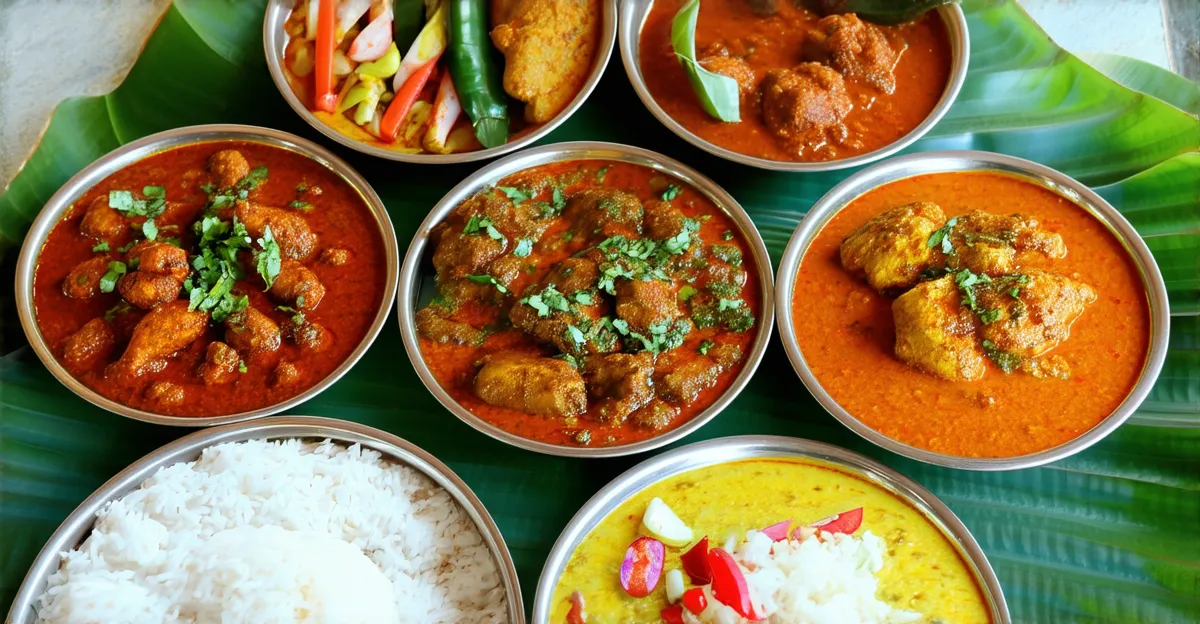
When exploring Varkala traditional dishes, you cannot miss the Kerala Sadya, a vibrant feast that represents the heart and soul of Kerala’s cuisine. Typically served on a banana leaf, this traditional meal consists of numerous dishes, each offering a unique flavor profile. It usually includes rice accompanied by various curries, pickles, and a sweet treat.
The Sadya celebrates vegetarian dishes, showcasing the richness of local produce. Avial (a mixed vegetable curry), Thoran (stir-fried vegetables with coconut), and Molagootal are just a few examples. The meal is often enjoyed during festivals and special occasions, making it a communal event.
Did you know? The Sadya is not only about the food; it’s also about the experience of sharing and enjoying a meal together.
Where to eat: For an authentic experience, you can try Sadya at Hotel Arya Nivas, known for its flavors and presentation.
2. Fresh seafood: The Bounty of Varkala’s Coasts
Varkala’s proximity to the Arabian Sea allows it to boast some of the freshest seafood in the region. The local fishermen bring in their catch daily, offering a variety of fish and shellfish that are often prepared in traditional styles. You will find an array of dishes featuring prawns, crabs, and fish that highlight the rich culinary heritage of Varkala.
Common preparations include grilling, frying, or cooking in spicy curries infused with coconut and local spices. The use of fresh ingredients ensures that these dishes are flavorful and aromatic. It is a common sight to see small shacks along the beach serving mouthwatering seafood dishes, providing a taste of coastal Varkala.
Pro Tip: For the freshest catch, visit local markets early in the morning or dine at beach shacks.
Where to eat: Be sure to check out Trattorias along Varkala beach for the best seafood experience!
3. Coconut Curry: A Creamy Delight in Varkala Cuisine
🎯 Insider Tip: Discover the best Mumbai experiences with Viator Tours!
Coconut curry is a staple in Varkala traditional dishes, reflecting the influence of Kerala’s lush coconut groves. This creamy curry is made using fresh coconut milk, which gives it a distinctive flavor and rich texture. Often cooked with a variety of vegetables or meats, coconut curry showcases a balance of spices that define Kerala cuisine.
The dish is typically served with rice or dosa (a type of Indian pancake), making it incredibly versatile. From vegetable coconut curry to fish coconut curry, each variant has its unique taste that can captivate your taste buds.
Fun Fact: Coconut milk is not only delicious but also adds nutritional benefits and healthy fats to the dish.
Where to eat: You can enjoy an excellent coconut curry at Kerala Coffee House, famous for its local dishes.
4. Appam and Stew: Traditional Breakfast Favorites
In Varkala, Appam and stew stand out as beloved breakfast choices. Appam is a delightful rice pancake with a soft, fluffy center and crispy edges. This dish pairs perfectly with various types of stew, including the traditional coconut milk-based vegetable or chicken stew. The sweetness of Appam harmonizes beautifully with the savory stews, creating a delightful contrast that makes this combination a favorite among locals.
Typically, Appam is made using fermented rice batter, which gives it a slightly tangy flavor, enhancing the overall meal experience. It is often served during special occasions or festivities but has also become a popular everyday breakfast in Varkala.
Pro Tip: To enjoy the best flavor, try adding a spoonful of the stew atop your Appam for a delicious mix!
Where to eat: You can sample authentic Appam and stew at God’s Own Country Kitchen or Cliff Garden Restaurant, where local chefs prepare these dishes with traditional recipes.
5. Fish Curry: A Spicy Varkala Specialty
Fish curry is a must-try when exploring Varkala traditional dishes. This culinary delight is made from the freshest catch, usually local fish like mackerel or sardines. The fish is simmered in a tangy coconut-based sauce, seasoned generously with a blend of spices such as turmeric, chili powder, and coriander. This dish is not only flavorful but also a vital part of the Varkala diet, reflecting the coastal influences.
Each family may have its secret recipe, but the warmth and spirit of the local culture are evident in every spoonful. The curry can be enjoyed with rice or paired with Appam for a delightful meal. The depth of flavor in fish curry truly represents the essence of Varkala’s culinary traditions.
Did you know? Fish curry is often enjoyed during festivals and social gatherings, showcasing its importance in Varkala’s food culture.
Where to eat: For an incredible fish curry experience, visit Darjeeling Café or Oottupura, both of which serve this delectable dish made with local spices and techniques.
6. Puttu and Kadala: A Popular Kerala Breakfast
🎯 Insider Tip: Discover the best Mumbai experiences with Viator Tours!
Puttu and kadala are staple dishes for breakfast in Varkala, representing the region’s love for healthy, flavorful food. Puttu is a steamed rice cake layered with coconut, resulting in a light, fluffy texture. It is typically served with kadala, a spicy black chickpea curry that adds a hearty component to the meal. The interplay of flavors and textures makes this duo a nutritious and satisfying option.
Puttu is often enjoyed not only in the mornings but also as a snack throughout the day. The use of coconut reflects the abundant resources of Kerala, showcasing the importance of local ingredients in Varkala traditional dishes.
Pro Tip: For a sweet twist, try Puttu with sugar and ripe banana, a favorite variation among locals!
Where to eat: Head over to Hotel Gokulam Park or Varkala Seafood Restaurant to enjoy a delicious serving of Puttu and kadala, made fresh with locally sourced ingredients.
7. Karimeen Pollichathu: Grilled Pearl Spot Fish
Karimeen Pollichathu is a celebrated dish that showcases the culinary heritage of Varkala. This traditional recipe features the pearl spot fish, known locally as Karimeen, which is meticulously cooked in a banana leaf. The fish is marinated with a mixture of spices, coconut, and herbs, giving it a burst of flavors. As a result, the dish is not only aromatic but also incredibly enticing.
After being grilled to perfection, the fish is wrapped and steamed, allowing the flavors to meld beautifully. For anyone wishing to experience authentic Varkala traditional dishes, this dish is a highlight. The unique combination of spices complements the delicate taste of the fish.
Pro Tip: Don’t forget to squeeze some fresh lemon juice on top before serving for an extra zing!
Where to eat: To try Karimeen Pollichathu, visit God’s Own Restaurant or Kerala Bamboo House. Both places serve this dish in a true traditional fashion, allowing you to savor authentic Varkala flavors.
8. Payasam: A Sweet Ending to Your Meal
No meal in Varkala would be complete without indulging in Payasam, a traditional Kerala dessert. This sweet treat is made primarily from rice or vermicelli simmered with milk and sugar, creating a rich, creamy flavor. Typically flavored with cardamom, cashews, and raisins, Payasam adds a delightful sweetness to your dining experience.
There are various regional variations, but the essence remains the same, making it a beloved choice among locals and visitors alike. Interestingly, Payasam is often prepared for festivals and special occasions, embodying the spirit of celebration.
Did you know? Payasam is also served in a traditional banana leaf during special occasions, which enhances the taste and presentation!
Where to eat: You can enjoy a delectable bowl of Payasam at Sree Varma Restaurant or Jasmine Beach Restaurant, both renowned for their authentic Kerala desserts.
9. Local Snacks: Banana Chips and Samosas
Varkala’s local snacks play a pivotal role in its culinary scene, with Banana Chips and Samosas topping the list. Banana Chips are made from thinly sliced, seasoned raw bananas, deep-fried to a perfect crispness. The result is a crunchy, slightly salty snack that is irresistible and an excellent accompaniment to tea.
Samosas, on the other hand, are deep-fried pastries filled with spiced potatoes and peas, offering a savory delight. They are a must-try for anyone exploring the street food culture of Varkala. These snacks are often enjoyed during evening tea or as on-the-go bites.
Pro Tip: Pair these snacks with chutney or salsa for an enhanced flavor!
Where to eat: Head to Kharachi Snacks or street vendors near Varkala Beach for the best Banana Chips and Samosas.
10. Varkala’s Chai Stalls: A Cultural Staple
When exploring Varkala, you cannot overlook the chai stalls that line the streets, offering more than just a warm cup of tea. These stalls are a vital part of the local culture and serve as bustling hubs where people gather to sip on flavorful chai and engage in lively conversations. Often bustling with both locals and tourists, these stalls provide a cozy atmosphere to relax and unwind.
The chai served here is typically made with strong black tea, milk, and a blend of spices such as cardamom and ginger, creating an aromatic drink that invigorates the senses. In fact, the sweet and spicy flavor of Varkala’s chai has earned a special place in the hearts of many.
“Pro Tip: Pair your chai with a delicious samosa or some banana chips for a delightful snack!”
For an authentic experience, visit Thiruvizha Chai Stall near the beach for a picturesque setting. Alternatively, try Sree Varkala Chai & Snacks for friendly service and tasty treats. Don’t miss this cultural staple on your culinary journey through Varkala!
Varkala traditional dishes provide a unique glimpse into the culture and heritage of Kerala, offering flavors that are both rich and diverse. Whether you’re indulging in a culinary feast of Kerala Sadya or savoring fresh seafood by the coast, the food in Varkala promises an unforgettable experience. So pack your bags and prepare to taste the delightful offerings of this coastal gem!
Frequently Asked Questions
🎯 Insider Tip: Discover the best Mumbai experiences with Viator Tours!
A: Must-try dishes include Kerala Sadya, Fish Curry, Appam and Stew, and Karimeen Pollichathu.
A: Look for local eateries and family-run restaurants for the best authentic dishes.
A: Yes, the seafood in Varkala is known for its freshness, caught daily by local fishermen.
A: Kerala Sadya is a traditional feast featuring a variety of vegetarian dishes served on a banana leaf.
A: Absolutely, Varkala offers a range of delicious vegetarian dishes, including coconut curry and puttu.
A: Visit during the local festivals for special dishes and vibrant food experiences.