
Tokyo Sushi Culture: A Deep Dive into Local Flavors
Dive into Tokyo sushi culture! Discover the best sushi spots, traditional techniques, and must-try rolls that define Japan’s culinary heart.
On this page
Tokyo sushi culture is a captivating experience that combines artistry, tradition, and excellence in culinary craftsmanship. With its roots deeply planted in the rich heritage of Japanese cuisine, sushi in Tokyo is more than just food; it’s a cultural experience that draws locals and travelers alike. From world-renowned sushi bars to hidden gems serving seasonal delicacies, this guide emphasizes why experiencing Tokyo’s sushi culture is an essential part of any food lover’s journey. Let’s explore the iconic dishes, dining experiences, and local tips on the best sushi to try while in this bustling metropolis.
Key Takeaways
- Tokyo sushi culture embodies a blend of tradition, innovation, and exceptional taste.
- Edomae sushi is a must-try, showcasing historical techniques and local ingredients.
- Omakase dining offers a personalized culinary journey guided by the chef’s specialties.
- Sushi experiences in Tokyo range from fine dining to budget-friendly conveyor belt options.
1. The Art of Edomae Sushi in Tokyo
Edomae sushi, with its roots deep in Tokyo’s culinary history, represents a traditional style of sushi that emphasizes fresh seafood and meticulous preparation. Originating in the Edo period (1603-1868), this form of sushi uses vinegared rice combined with a variety of fresh fish, often caught in Tokyo Bay. The concept is more than just food; it’s a reflection of Tokyo’s rich culture and a testament to the skill of sushi chefs.
The fish used in Edomae sushi is usually prepared in specific ways, including marinating, grilling, or curing to enhance its flavor. For example, nikiri, a special soy sauce, is brushed on the fish, adding a nuanced taste. Additionally, the careful selection of seasonal ingredients is crucial in crafting each piece. Hence, every visit can offer something unique.
Sushi lovers should note that the art of Edomae sushi extends beyond taste; it involves impeccable presentation as well.
Where to taste Edomae sushi: For an authentic experience, try Sushi Saito, a small yet prestigious restaurant renowned for its exceptional Edomae craftsmanship, or Sushi Yasuda, where the chef focuses on traditional techniques.
2. Top Sushi Bars: Where Tradition Meets Modernity
Tokyo is home to countless sushi bars that beautifully blend tradition with modern influences. These sushi establishments range from intimate counters where chefs display their artistry to more contemporary venues that experiment with flavors and presentations. It is essential to explore both types to appreciate the full spectrum of Tokyo sushi culture.
At the heart of this culinary scene are renowned establishments like Sukiyabashi Jiro, famous for its meticulous attention to detail and simplicity. Alternatively, Sushi Masuda showcases innovative twists while honoring classic techniques, making it a must-visit for globetrotting food enthusiasts.
Tip: Make reservations in advance at popular sushi bars, as they can fill up quickly!
Another notable mention is Mizutani, where modern touches elevate the experience without sacrificing the depth of traditional flavors. Sushi bars in Tokyo represent not just a meal but a journey through time and taste.
3. Popular Sushi Rolls: Must-Try Variants in Tokyo
🎯 Insider Tip: Discover the best Tokyo experiences with Viator Tours!
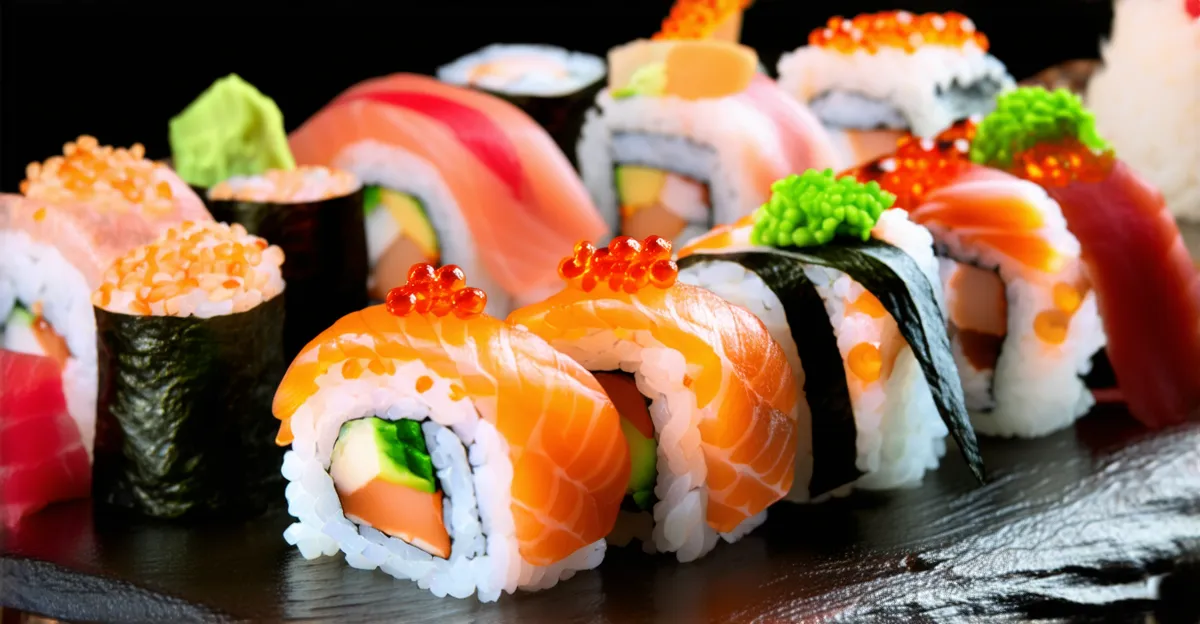
While traditional Edomae sushi holds its charm, Tokyo also hosts a variety of creative sushi rolls that cater to different palates. These rolls have gained popularity among locals and visitors alike, showcasing an imaginative side to Tokyo sushi culture. For instance, the California roll features fillings like crab, avocado, and cucumber, rolled with sushi rice and nori, making it a favorite for beginners.
Another must-try is the spicy tuna roll, combining fresh tuna with spicy mayonnaise, delivering an explosion of flavor in every bite. Vegetarian options are also available, like the tempura roll, which includes crispy fried vegetables for added texture.
Pro Tip: Don’t hesitate to ask for recommendations; sushi chefs often possess invaluable insights on seasonal specials and lesser-known options.
For those eager to experience these rolls, visit Genki Sushi for a casual conveyor-belt experience or Sushi Zanmai for a more traditional take on popular rolls.
4. Conveyor Belt Sushi: A Unique Dining Experience
Conveyor belt sushi, or kaiten-zushi, is a fun and interactive way to enjoy sushi in Tokyo. Imagine sitting at a counter where plates of sushi glide by on a moving conveyor belt, making it easy to pick your favorites as they pass. This dining style originated in Japan and has become incredibly popular due to its convenience and affordability.
At these sushi bars, each plate is typically color-coded to indicate price, allowing diners to make choices based on their preferences and budget. Additionally, many kaiten-zushi restaurants feature touchscreen menus for ordering specific dishes that may not be on the conveyor belt. This blend of tradition with modern technology enhances the overall experience.
Don’t miss out on trying unique toppings or seasonal specialties offered at kaiten-zushi spots!
Where to eat: A popular choice is Sushi Zanmai, with multiple locations around the city. Another great option is Uobei, known for its speedy service and fresh ingredients.
5. Sushi-Making Classes: Learning the Craft
🎯 Insider Tip: Discover the best Tokyo experiences with Viator Tours!
For those looking to dive deeper into the Tokyo sushi culture, participating in sushi-making classes can be a thrilling experience. These classes are often led by experienced chefs, allowing you to learn traditional techniques and secrets. You will gain hands-on experience in preparing sushi rice, selecting fresh fish, and crafting perfect rolls.
Many classes begin with a visit to a local fish market where you can choose ingredients, followed by a guided session at the cooking studio. This not only enhances your culinary skills but also provides a deeper appreciation for the artistry behind sushi.
Pro Tip: Wear comfortable clothes as sushi-making can be both fun and a little messy!
Where to learn: Check out Sushi Academy in Tokyo or ABC Cooking Studio, both highly rated for their engaging and informative classes.
6. Seasonal Specials: Enhancing Your Sushi Experience
One of the joys of exploring Tokyo sushi culture is discovering seasonal specials that enhance the sushi experience. Sushi chefs often highlight the freshest ingredients based on the season, ensuring diners get the best flavor profile possible. For example, during spring, you might find sushi featuring delicate ingredients like sakura shrimp or fresh shiso leaves, while autumn may showcase chestnuts and mackerel.
These seasonal ingredients are not only delicious but also reflect the chefs’ commitment to quality and freshness. Visiting during different times of the year allows you to sample unique creations that showcase Japan’s culinary heritage.
Seasonal specials can often be found at high-end sushi restaurants, making the experience even more unique.
Where to enjoy seasonal sushi: Check out Jiro Sushi or Tsukiji Sushiko, where chefs take pride in their seasonal selections.
7. Omakase: The Chef’s Culinary Journey
Omakase, meaning “I leave it up to you,” is a unique dining experience that showcases the Tokyo sushi culture at its finest. When you choose omakase, you entrust the chef to prepare a carefully curated selection of dishes. This approach allows chefs to showcase their skills, creativity, and the freshest seasonal ingredients available. The journey typically begins with an appetizer, followed by assorted sushi pieces, each served in a specific order intended to enhance flavor.
Furthermore, omakase is not just a meal; it’s an experience. Diners often sit at the chef’s counter, providing a view of the mastery on display as fish is sliced and rice is shaped. Since the menu changes daily based on fresh catches and seasons, each visit is a new adventure. The chef may share stories or insights about each piece, enriching your understanding of Tokyo sushi.
Pro Tip: Always express your appreciation, as it fosters a deeper connection with the chef.
Where to enjoy omakase: For an unforgettable experience, consider visiting Sukiyabashi Jiro or Ginza Sushi Iku, where skilled chefs create sushi masterpieces that leave you craving more.
8. Sustainable Sushi: Eco-Friendly Choices in Tokyo
As awareness of sustainability grows, the Tokyo sushi culture is slowly adapting to eco-friendly practices. Many chefs are now selecting fish from sustainable sources to ensure that future generations can enjoy sushi. Sustainable sushi emphasizes the importance of responsible fishing methods and aims to reduce overfishing. Diners are encouraged to look for restaurants that openly discuss their sourcing policies.
Moreover, some establishments work closely with local fisheries committed to sustainable practices. These restaurants often feature seasonal fish that are abundant, thereby allowing diners to enjoy fresher sushi while supporting environmentally friendly practices. With restaurants like Sushi Saito and Katsukura, sustainability is prioritized alongside tradition and quality.
Did you know? Opting for sustainable sushi helps maintain the balance of ocean ecosystems, ensuring that sushi remains a delicious culinary tradition for years to come.
Choosing sustainable sushi is not only beneficial for the environment but also enhances your dining experience, making it even more meaningful.
9. Sushi Etiquette: Tips for Dining in Tokyo
🎯 Insider Tip: Discover the best Tokyo experiences with Viator Tours!
Additionally, when dipping your sushi into soy sauce, only dip the fish side to avoid overpowering the rice. It’s generally not appropriate to mix wasabi into the soy sauce; instead, a small amount of wasabi is placed directly on the sushi by the chef. Remember to avoid wasting food: take only what you can finish.
Pro Tip: If you’re unsure about something, observe local diners or ask the chef for guidance.
Where to dine: Consider places like Sushi Yoshitake, where the staff will happily guide you through the dining experience, ensuring you feel at ease while enjoying the best of Tokyo’s sushi culture.
10. street food Sushi: Creative Takes on Traditional Dishes
Tokyo’s street food scene is vibrant and offers a fresh twist on traditional sushi culture. While sushi is often associated with high-end dining, many vendors serve delightful street food versions that are both creative and accessible. One popular adaptation is the sushi roll, which can be found in many street stalls. Unlike the classic sushi, these rolls are filled with a variety of ingredients, often including tempura or fruity flavors, making them a fun take on the original.
Another unique offering is sushi burgers, which feature sushi rice molded into a bun shape and filled with fresh fish and vegetables. This modern twist is both portable and delicious, perfect for enjoying on-the-go. Additionally, chirashi, or scattered sushi, is often available from street vendors. It consists of a bed of sushi rice topped with an assortment of sashimi and colorful vegetables, showcasing the flavors of the sea.
Did you know? Street food sushi in Tokyo often changes with the seasons to showcase the freshest ingredients available.
Where to eat: For an authentic experience, visit Yuyake Dandan in the Yanaka district for their sushi rolls. Tsukiji Outer Market is another great spot where you can find delicious chirashi bowls and creative sushi variations as well. Don’t miss out on experiencing this unique side of Tokyo’s sushi culture!
Tokyo sushi culture presents an irresistible opportunity to immerse yourself in Japan’s gastronomic traditions. From savoring world-class sushi in renowned establishments to exploring creative styles at street-side vendors, every bite tells a story of the city’s culinary heritage. Challenge yourself to experience the depth of flavors and techniques that define sushi in Tokyo, and don’t forget to share your experiences of this exquisite cuisine with fellow food enthusiasts!
Frequently Asked Questions
A: Tokyo’s sushi culture incorporates traditional Edomae techniques with modern influences, focusing on fresh, local ingredients.
A: Some of the best sushi spots include Sukiyabashi Jiro, Sushi Yoshitake, and various local izakayas.
A: Omakase is a dining style where guests are served a curated selection of dishes selected by the chef, providing a unique tasting experience.
A: Yes, many sushi restaurants in Tokyo offer vegetarian options such as vegetable rolls and sushi made with tofu.
A: It’s generally recommended to eat sushi with your hands, dip fish only (not rice) into soy sauce, and remain quiet while enjoying your meal.
A: Yes, there are several sushi-making classes available for travelers looking to learn this craft during their visit.