
Tokyo Seasonal Cuisine: A Taste of Japan’s Best Flavors
Explore Tokyo’s seasonal cuisine! Discover fresh local dishes, cooking techniques, and food experiences that reflect Japan’s changing seasons.
On this page
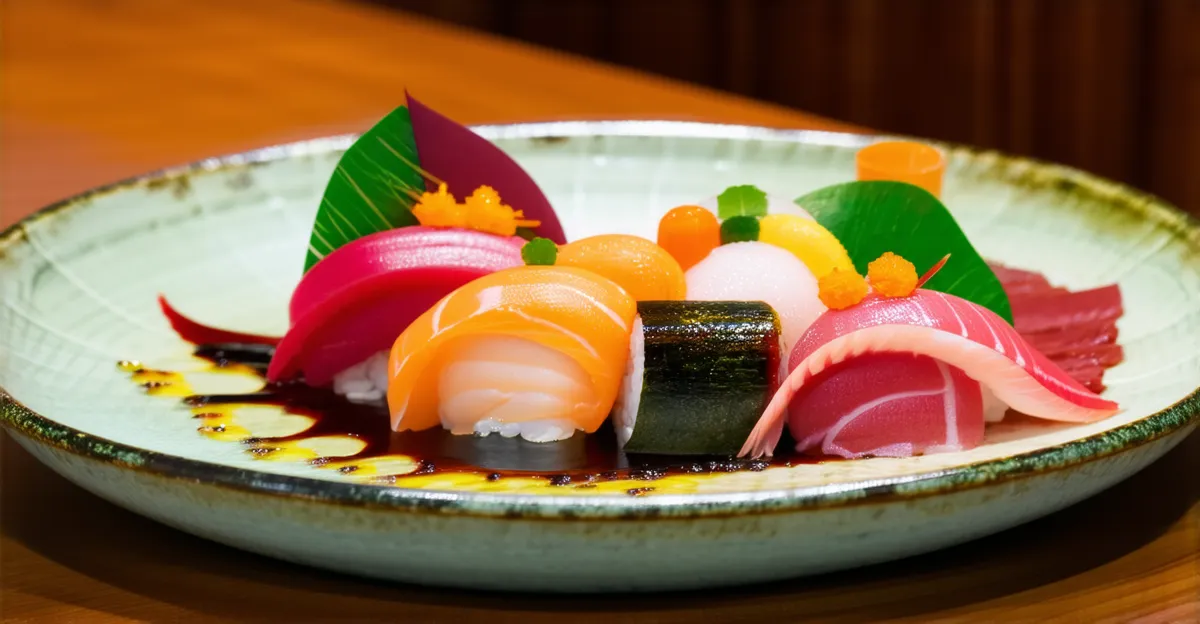
Tokyo’s seasonal cuisine beautifully demonstrates the country’s dedication to harmony with nature and the local bounty. Emphasizing the freshest ingredients, Tokyo’s culinary offerings change with the seasons, creating unique dining experiences for food lovers. From spring’s delicate cherry blossoms to autumn’s rich harvests, each season brings a variety of local dishes and flavors that celebrate the essence of Tokyo. In this guide, we delve into must-try seasonal specialties to enhance your food exploration in Japan’s vibrant capital.
Key Takeaways
- Tokyo seasonal cuisine reflects Japan’s natural rhythms and ingredients.
- Each season presents unique local dishes, from spring’s chirashi to winter’s fugu.
- Food culture in Tokyo embraces seasonal freshness, enhancing flavors.
- Visiting during seasonal festivals offers exclusive culinary experiences.
1. Spring Delicacies: Cherry Blossom Cuisine
As spring arrives in Tokyo, so does the beautiful season of cherry blossoms, or sakura. This time of year, you’ll find a unique culinary trend centered around these delicate pink flowers. In fact, local chefs incorporate sakura into various dishes, infusing them with a subtle floral flavor. One of the most popular items is sakura mochi, a sweet rice cake wrapped in a preserved cherry blossom leaf.
Moreover, many eateries offer sakura-flavored desserts and seasonal drinks to celebrate the blossoms. This is a delightful opportunity to indulge in seasonal cuisine while enjoying the magnificent views of cherry blossoms. Picnic spots, such as Ueno Park, are perfect for trying these seasonal delights amid the blooming landscape.
Pro Tip: Don’t miss the chance to taste sakura-infused sake, which adds a unique twist to traditional Japanese drinks.
Where to eat: For authentic cherry blossom treats, visit Inao and Yoshinobu, both known for their exquisite sakura-themed desserts.
2. Tokyo’s Summer Flavors: Chilled Dishes and Fresh Seafood
Summer in Tokyo brings a refreshing shift in seasonal cuisine. As temperatures rise, locals often turn to chilled dishes and fresh seafood to stay cool. A popular choice is hiyashi-chuka, a chilled noodle salad topped with colorful vegetables and cold slices of meat or seafood. This dish is not only refreshing but also visually appealing.
Furthermore, summer is the perfect time to savor sashimi and grilled fish, which are abundant during this season. Many restaurants offer special summer menus showcasing the freshest catch. Additionally, consider trying yakitori, grilled chicken skewers, which can be enjoyed in the warm evening air.
Did you know? Tokyo is famous for its kaiseki dining, where you can enjoy a multi-course meal featuring seasonal ingredients.
Where to eat: For delicious hiyashi-chuka, check out Noodle Café Ippudo or Tsukiji Outer Market for unbeatable fresh seafood options.
3. Autumn Harvest: Savoring Tokyo’s Best Ingredients
🎯 Insider Tip: Discover the best Tokyo experiences with Viator Tours!
As autumn approaches, Tokyo’s markets come alive with seasonal ingredients. This is the time to savor rich flavors and hearty dishes that highlight the best of the season’s bounty. Notably, dishes featuring matsutake mushrooms and kabocha squash become prevalent. They add unique flavors and textures, enhancing various traditional meals.
One noteworthy dish is kabocha nankotsu, a delightfully soothing pumpkin soup that warms the heart. Additionally, chestnuts are often incorporated into pastries and rice dishes, showcasing the essence of Japanese autumn cuisine.
Pro Tip: Joining harvest festivals during autumn will provide you with unique tasting experiences of local cuisine.
Where to eat: Experience autumn flavors at Chuo Fire Station Restaurant for seasonal kabocha dishes or Sobakawa for a plate of matsutake soba.
4. Winter Warmth: Hearty Dishes in Tokyo
As the cold winds sweep through Tokyo in winter, the city’s cuisine transforms into a celebration of warmth and comfort. Hearty dishes take center stage during this season, providing not just nourishment but a sense of belonging. One iconic dish is nabe, a hot pot filled with a variety of ingredients, such as tender meats, seasonal vegetables, and tofu. It is often enjoyed communally, warming both the body and the spirit.
Another winter favorite is tonkotsu ramen, a rich pork bone broth that’s simmered for hours. This dish is perfect for those chilly nights and can be found across countless ramen shops throughout Tokyo. Furthermore, curry rice is another rapidly warming dish, with variations ranging from mild and sweet to spicy hot.
Pro Tip: Pair your nabe with some freshly brewed sake to enhance flavors and enjoy a true Tokyo winter experience.
Where to eat: Enjoy a delicious nabe experience at Hozantei, known for its fresh seafood nabe, or try Ichiran ramen for a soul-satisfying bowl of tonkotsu ramen.
5. Osechi Ryori: Traditional New Year Cuisine
🎯 Insider Tip: Discover the best Tokyo experiences with Viator Tours!
Osechi Ryori is a beautiful culinary tradition in Japan, particularly enjoyed during the New Year. This special cuisine consists of an array of colorful dishes, each with its own meaning and symbolism. Families often prepare these dishes in advance, so they can celebrate the New Year without cooking.
Each layer of the beautifully arranged jubako (bento box) holds delicacies like kuromame (sweet black soybeans for health), kazunoko (herring roe for prosperity), and ebi (shrimp for longevity). The presentation is key, as it reflects wishes for a fruitful year ahead.
Did you know? Eating Osechi Ryori is not just about the delicious food but also a way to honor family traditions.
Where to eat: For an authentic taste of Osechi Ryori, visit Takashimaya Department Store during the New Year season, where you can find beautifully pre-packaged trays. Alternatively, many restaurants, like Ginza Shiseido, offer exquisite Osechi options.
6. Yuba: Fresh Tofu Skin, A Seasonal Delight
Yuba, or fresh tofu skin, is a unique and tasty addition to Tokyo’s seasonal cuisine, especially enjoyed during winter. Made from the top layer of soy milk, it’s delicate, yet packed with flavor and nutrition. Yuba can be enjoyed in various forms, such as raw, boiled, or even deep-fried, providing a versatile experience for diners.
This delightful ingredient is often featured in hot pots or served with a dipping sauce called ponzu. The texture is silky, adding a unique element to any dish. Moreover, it’s an excellent source of protein, making it a favored choice among vegetarians.
Pro Tip: Look for yuba in traditional kaiseki meals where it shines in its simplicity, complementing other seasonal flavors.
Where to eat: Visit Yuba Shokudo to enjoy a fantastic array of yuba dishes, or head to Kajitsu, where you can experience exquisite kaiseki dining featuring seasonal yuba.
7. Fugu: The Delicacy of Winter in Tokyo
Fugu, or pufferfish, is a notorious delicacy in Tokyo’s winter cuisine. It is famous for its alluring but dangerous reputation. This fish contains potent toxins, which is why only licensed chefs are allowed to prepare it. The thrill of eating fugu lies not only in its unique taste but also in the meticulous skill involved in its preparation. When correctly cooked, fugu offers a delicate flavor that melts in your mouth.
Typically enjoyed as sashimi or in a hot pot known as fugu-chiri, this dish is often served with soy sauce and citrus fruits for added freshness. Eating fugu is considered an experience, where the presentation and ambiance elevate its consumption.
Did you know? Eating fugu can be an exhilarating experience, drawing food lovers from all over the world to taste this seasonal delicacy safely prepared.
Where to eat: For an authentic fugu experience, visit Fugu Shenzen in Shinjuku, renowned for its quality and safety. Another excellent option is Usukifugu Yamadaya, where you can indulge in a premium fugu course.
8. Local Sake Options: Pairing Seasonal Dishes
Tokyo offers a rich variety of local sake options that beautifully complement its seasonal cuisine. Sake, Japan’s traditional rice wine, comes in various styles, including Junmai, Ginjo, and Daiginjo. Each style has distinct flavors, making them great partners for different seasonal dishes. For example, a crisp Ginjo sake pairs well with fresh sashimi, while a warming Junmai is perfect for hearty winter meals like oden.
Local izakayas and sake bars often feature seasonal sake that showcases the finest qualities of each season. These venues provide a cozy atmosphere to explore various flavors, making it an essential aspect of Tokyo’s dining culture.
Pro Tip: Don’t hesitate to ask for sake recommendations at restaurants; knowledgeable staff can suggest the best pairings for your meals!
Where to eat: Check out Shinjuku’s Sake Bar Kappo Kazu for an extensive sake menu and delicious seasonal dishes. Alternatively, Sake Bar Shinjuku Sake Mura offers a memorable tasting experience.
9. Tsukimi: Celebrating the Moon with Food
🎯 Insider Tip: Discover the best Tokyo experiences with Viator Tours!
Tsukimi, or “moon viewing,” is a traditional Japanese festival that celebrates the harvest moon in autumn. This event includes special foods like tsukimi dango, rice dumplings shaped into balls. These dumplings are often placed as offerings to the moon for gratitude and good fortune. Additionally, seasonal dishes such as chestnuts and sweet potatoes are prominent during this time, celebrating the bounty of the season.
During Tsukimi, people often enjoy picnics under the moonlight, accompanied by delicious foods and drinks. It’s a lovely way to honor the changing seasons while partaking in the flavors that Tokyo has to offer.
Did you know? Many restaurants in Tokyo offer special Tsukimi menus during this season, making it an excellent time to explore autumn flavors!
Where to eat: Visit Kagura in Ginza, which features a seasonal Tsukimi menu, or Yuraku in Akihabara, known for its cozy atmosphere and traditional dishes. Experience the serenity of moon viewing alongside delicious seasonal cuisine.
10. Seasonal Festivals: Food Experiences to Discover
Tokyo is a vibrant city that celebrates its seasonal cuisine through various festivals held throughout the year. Each festival showcases unique dishes that celebrate the ingredients of that particular season. For example, the famous Hanami festival in spring encourages people to gather under blooming cherry blossom trees and enjoy traditional dishes like sakura mochi and chirashi sushi. These foods, often adorned with cherry blossoms, create a stunning visual presentation that enhances the festive atmosphere.
In summer, the Sumida River Fireworks Festival offers a culinary delight with stalls serving yakitori (grilled chicken skewers) and kakigori (shaved ice). These refreshing treats perfectly complement the sweltering heat and are a staple during outdoor celebrations. Transitioning into autumn, the Jingoji Daidai Matsuri honors seasonal harvests by featuring dishes made from fresh vegetables and locally-produced ingredients.
Pro tip: Make sure to arrive early at festivals to experience not only the food but also the lively atmosphere, games, and performances.
During winter, the Yukimatsuri or Snow Festival is a must-visit event featuring heartwarming dishes such as oden, a hot pot filled with various ingredients, serving as comfort food for cold nights. Discovering these seasonal festivals allows visitors to immerse themselves in Tokyo’s rich culinary culture and savor the city’s diverse offerings.
Tokyo’s seasonal cuisine is a testament to the city’s rich culinary landscape, showcasing the best of what nature offers throughout the year. Each season invites culinary adventures that tantalize the palate with fresh, local flavors. Whether you’re indulging in a taste of spring cherry blossom dishes or warming up with hearty winter meals, Tokyo’s seasonal cuisine is a must-experience for any food lover. Share your favorite seasonal dishes or plan your next food trip to Tokyo—it promises unforgettable tastes!
Frequently Asked Questions
A: Seasonal cuisine in Tokyo focuses on dishes made with ingredients that are freshest for that particular time of year.
A: In spring, try hanami sushi, made with seasonal cherry blossoms, and sakura mochi.
A: Yes, many restaurants offer vegetarian options that celebrate the seasonal produce.
A: Cold noodles such as zarusoba and fresh sashimi are popular choices during the hot summer months.
A: Join food tours, visit local markets, and dine at restaurants that focus on seasonal ingredients.
A: Yes, seasonal dishes can vary slightly year to year based on ingredient availability.