
Thimphu Traditional Cuisine: A Flavorful Journey
Discover Thimphu traditional cuisine! Dive into unique local dishes, authentic flavors, and top dining spots in Bhutan’s vibrant capital.
On this page
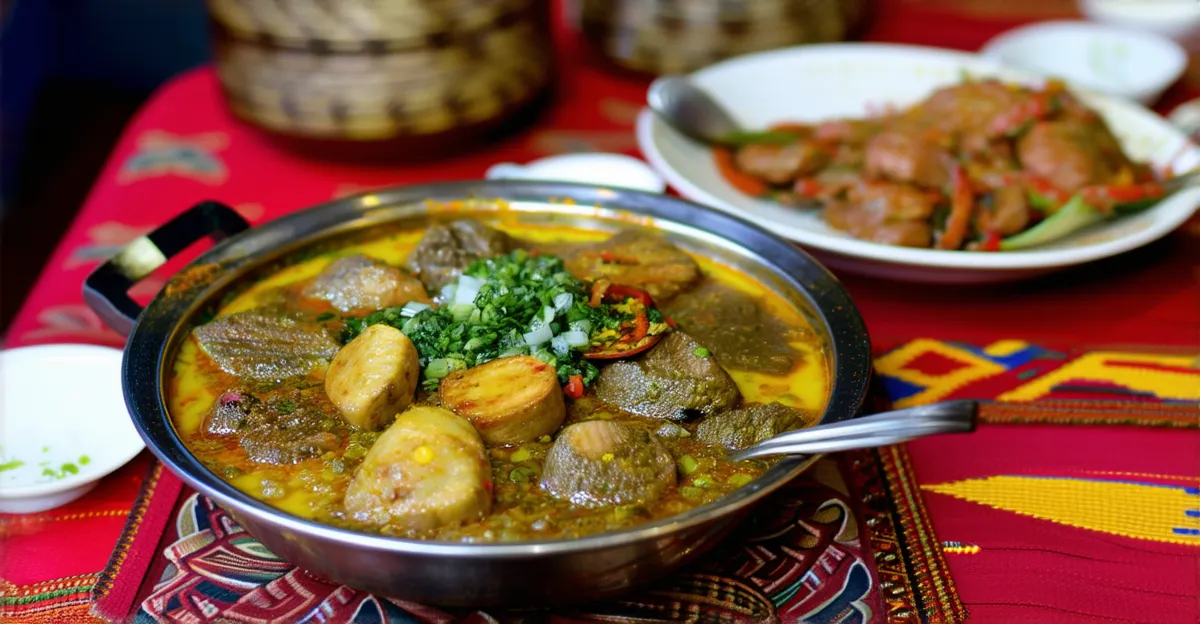
Thimphu traditional cuisine offers a delightful exploration into the heart of Bhutanese culinary heritage. With its unique blend of flavors, ingredients, and cultural influences, Thimphu is a gastronomic paradise for food enthusiasts. From the iconic spicy chili dishes to hearty meals featuring locally sourced ingredients, this guide presents an array of authentic experiences that reflect the rich culinary traditions of Bhutan. Join us as we delve into the vibrant food scene of Thimphu, where every dish tells a story and every bite is an adventure.
Key Takeaways
- Thimphu traditional cuisine is a harmonious blend of flavors and ingredients.
- Signature dishes like Ema Datshi and Jasha Maru exemplify the region’s culinary traditions.
- Dining options range from street food to upscale restaurants, catering to all budgets.
- Immersive experiences like cooking classes and food tours offer deeper insights into Bhutanese cuisine.
1. Ema Datshi: The National Dish of Bhutan
When exploring Thimphu traditional cuisine, Ema Datshi stands out as the national dish of Bhutan. This hearty meal consists of chili peppers and cheese, typically made with local Bhutanese cheese called datshi. The dish is loved for its simplicity yet robust flavors, embodying the essence of Bhutanese cooking.
Furthermore, the heat of fresh green or red chilies blends perfectly with the creamy cheese, creating a delightful contrast. Most Bhutanese people have it daily, showcasing its importance in the cultural landscape. As a vegetarian delight, it often pairs well with red rice, another staple of Bhutan.
Pro Tip: If you want to experience authentic Ema Datshi, ask for it at local eateries for a true taste of Bhutan!
Where to eat: You can find some of the best Ema Datshi at Folk Heritage Museum Restaurant and Chh’a Bistro in Thimphu.
2. Jasha Maru: Spicy Chicken Stew
Jasha Maru is another must-try dish that showcases the excitement of Thimphu traditional cuisine. This spicy chicken stew is prepared with succulent pieces of chicken cooked in a rich, flavorful broth seasoned with a variety of spices. The prominent use of chilies gives it a unique kick, truly representing Bhutan’s love for spice.
Chopped onions, garlic, ginger, and sometimes tomatoes enhance the flavor profile, making it a comforting meal. People often serve Jasha Maru with rice, and it pairs excellently with a side of Ema Datshi for those who enjoy fiery food.
Did you know? Jasha Maru is often enjoyed during celebrations, symbolizing the warmth of Bhutanese hospitality.
Where to eat: For an authentic bowl of Jasha Maru, try Bukhari Restaurant or Hotel Druk, both known for their traditional dishes.
3. Suja: Beaten Butter Tea from Thimphu
🎯 Insider Tip: Discover the best Thimphu experiences with Viator Tours!
Suja is a distinctive drink beloved in Bhutan, particularly in Thimphu. It is made by churning tea with butter and salt, creating a creamy beverage that is both unique and invigorating. Unlike typical teas, Suja offers a rich, savory flavor, making it a perfect companion for local snacks and meals.
This traditional drink is not only refreshing but also provides warmth during the chilly Bhutanese winters. Many locals enjoy Suja throughout the day, often sharing it with visitors as a gesture of hospitality. In addition, it’s a great way to experience Bhutanese culture through its culinary practices.
Pro Tip: Try Suja with breads or semi-dried meats for an authentic taste of traditional Bhutanese snacking!
Where to drink: You can find great Suja at Tea House Thimphu or Chilip Restaurant, where it is served hot and fresh.
4. Red Rice: The Staple Grain of Bhutan
🎯 Insider Tip: Discover the best Thimphu experiences with Viator Tours!
Red rice holds a special place in Thimphu traditional cuisine as a staple grain cherished by locals. This semi-milled variety, known as Bhutanese red rice, is cultivated in the high-altitude terraced fields of the country. Distinct for its nutty flavor and chewy texture, it is a healthier alternative to white rice due to its high nutritional value, rich in fiber and minerals.
This vibrant grain is typically served alongside curries, stews, and vegetables, making it a versatile base for many traditional dishes. Moreover, red rice is often celebrated for its role in cultural gatherings and ceremonies, reflecting its importance in Bhutanese heritage.
Pro Tip: Don’t miss the chance to experience red rice in a traditional meal, as it enhances the overall flavor and sustenance.
Where to eat: One of the best places to enjoy a meal featuring red rice is Restaurant Kuenray. They pride themselves on serving authentic Bhutanese meals, highlighting this nutritious grain.
5. Phaksha Paa: Pork with Radishes
Phaksha Paa is a traditional Bhutanese dish that showcases the country’s love for pork and spicy flavors. This hearty stew consists of tender pork cooked with radishes and flavored with various spices, including chili peppers and ginger. The dish is admired for its rich flavor profile and the balance between the savory meat and the crispness of the radishes.
This comforting meal is often enjoyed with a side of red rice or noodles, making it a satisfying choice for any meal. Additionally, it’s common to find Phaksha Paa at local celebrations, further emphasizing its prominence in Thimphu traditional cuisine.
Pro Tip: Pair Phaksha Paa with a chilled local beer for a delightful dining experience!
Where to eat: For a taste of authentic Phaksha Paa, visit Ambient Restaurant, known for its traditional Bhutanese offerings.
6. Goep: A Unique Beef Tripe Dish
Goep is a unique dish that is beloved in Bhutan, especially in Thimphu. It features beef tripe cooked until tender, seasoned with spices, and usually served with fresh herbs. This dish often garners mixed reactions due to its unconventional ingredient, but those who savor it appreciate the depth of flavor and the culinary skill involved.
Pro Tip: If you’re unfamiliar with tripe, consider trying it in a mixed platter to experience various textures and flavors!
Where to eat: To try Goep, head to Chharo Restaurant, which specializes in authentic Bhutanese delicacies and local favorites.
7. Kewa Datshi: Potato Cheese Delight
Kewa Datshi is a beloved dish in Thimphu traditional cuisine, showcasing the rich flavors of potatoes and cheese. This comforting dish features tender potatoes cooked with Bhutanese cheese, known as datshi, and is often flavored with green chilies. It is a staple in many households and represents the essence of Bhutanese comfort food.
The taste of Kewa Datshi is creamy and slightly spicy, making it a perfect accompaniment to rice. Additionally, many Bhutanese enjoy adding extra chili for a kick. The simplicity of the ingredients highlights the quality of local produce and dairy, ensuring a rich and satisfying meal.
Pro Tip: Pair Kewa Datshi with ema datshi for a truly authentic Bhutanese dining experience!
Where to eat: To taste an authentic Kewa Datshi, visit Folk Heritage Museum Restaurant in Thimphu, where they serve this dish made with fresh local ingredients.
8. Sikkam: Traditional Bhutanese Dumplings
🎯 Insider Tip: Discover the best Thimphu experiences with Viator Tours!
Sikkam are traditional Bhutanese dumplings that are a must-try when exploring Thimphu traditional cuisine. These dumplings are typically filled with a mixture of local vegetables, cheese, and sometimes minced meat. They are either steamed or fried, making them a delightful snack or appetizer.
The flavor of sikkam is both savory and satisfying, often enjoyed with a spicy sauce called chatney. The dumplings are a great representation of Bhutan’s focus on fresh, wholesome ingredients. They are often found at local eateries or served during festivals.
Did you know? Sikkam are not just delicious but also a symbol of Bhutanese hospitality, often served when guests arrive.
Where to eat: You can find tasty Sikkam at Bhutan Restaurant in Thimphu, where they serve a variety of dumplings with different fillings.
9. Chatamari: Bhutanese Rice Crepes
Chatamari is often referred to as the “pizza of Bhutan.” This unique dish is made from rice flour, creating a thin, crepe-like base that is then topped with a variety of ingredients. Common toppings include minced meat, vegetables, and eggs, making it a flavorful option for any time of the day.
The texture of chatamari is slightly crispy on the outside, while remaining soft inside. It can be enjoyed as a snack or a full meal. The combination of flavors and textures makes it a popular choice among locals and visitors alike.
Pro Tip: Don’t forget to add a sprinkle of chili for an extra kick when enjoying your Chatamari!
Where to eat: For the best Chatamari in Thimphu, stop by Jigme Namgyel LSS Cafe, known for its authentic preparation and generous toppings.
10. Zowdung: A Rice and Meat Dish
Zowdung is a beloved dish in Thimphu traditional cuisine that showcases the rich flavors of Bhutanese cooking. This hearty meal combines rice with tender meat, often chicken or pork, along with a variety of vegetables and spices. The dish is hearty and filling, making it perfect for a satisfying lunch or dinner.
The preparation of Zowdung varies by household, but it typically involves boiling the meat with aromatic herbs and spices, allowing the flavors to meld beautifully. Rice is cooked separately and served alongside the meat mixture, allowing diners to enjoy the dish in their preferred proportions. This dish is a great representation of the culinary practices of Bhutan, where communal dining and shared meals are valued.
Did you know? Zowdung is often enjoyed during family gatherings and special occasions, symbolizing unity and togetherness.
For those looking to enjoy authentic Zowdung, various local eateries in Thimphu offer this dish on their menu. Don’t miss out on tasting this essential part of Thimphu traditional cuisine to get a true sense of Bhutan’s culinary heritage.
11. Exploring Thimphu’s Food Markets
Thimphu is home to vibrant food markets that provide a glimpse into the city’s traditional cuisine. The Centenary Farmer’s Market is a must-visit destination for food lovers. Here, you can find a wide range of local produce, spices, and unique ingredients that make up Bhutanese dishes. From fresh vegetables to homemade cheeses, the market is bustling with activity and flavor.
As you wander through the stalls, you’ll encounter friendly vendors eager to share their products and culinary tips. Fresh Ema Datshi peppers, special herbs, and even traditional sweets can be found here. Besides fresh ingredients, you can also enjoy snacks and hot meals from local food vendors, giving you a taste of Thimphu’s culinary traditions.
Tip: Visit early in the morning for the best selection of produce and an authentic market experience.
Exploring Thimphu’s food markets is not only about shopping; it’s about connecting with the local culture and savoring the rich flavors of Thimphu traditional cuisine.
12. Dining Experiences: Where to Eat in Thimphu
When it comes to experiencing Thimphu traditional cuisine, there are several local restaurants that stand out. For authentic Bhutanese flavors, you can’t go wrong with Folk Heritage Museum Restaurant. This place not only serves delicious dishes but also immerses you in Bhutan’s rich culture and history.
Another great spot is Bhutan Kitchen, which offers a variety of local delicacies, including Ema Datshi and Phaksha Paa. The ambiance is cozy, and the pricing is quite reasonable. If you’re in the mood for a more upscale experience, try Zombala, known for its stylish decor and modern take on traditional dishes.
Pro Tip: Pair your meal with a Bhutanese beverage like Suja for a complete dining experience.
Thimphu also has some charming cafes where you can sample lighter dishes or freshly brewed teas, making it easy to explore the diverse offerings of Thimphu traditional cuisine.
13. Cooking Classes: Learn to Cook Bhutanese Cuisine
🎯 Insider Tip: Discover the best Thimphu experiences with Viator Tours!
If you’re looking to immerse yourself in Thimphu traditional cuisine, cooking classes are a fantastic opportunity. These classes often take place in family-run homes or community centers, allowing you to learn authentic recipes directly from locals. During these sessions, you’ll typically cook popular dishes such as Ema Datshi and Jasha Maru. Additionally, instructors will share insights into the history and cultural significance of each dish.
Moreover, most classes include a market tour where you can select fresh ingredients. This experience not only enhances your skills but also gives you a deeper appreciation of Bhutanese food. Typically, classes last a few hours, making it an enjoyable way to spend an afternoon. At the end of the session, participants often sit together to enjoy the fruits of their labor with a warm meal.
Pro Tip: Remember to ask about dietary restrictions, as many classes can cater to vegetarians or those with specific allergies.
Where to learn: Try the cooking classes offered by Bhutan Cuisine Center or join a workshop hosted by local chefs through Druk Hospitality.
14. Local Beverages: Ara and Other Drinks
When exploring Thimphu traditional cuisine, don’t overlook the local beverages that enhance the dining experience. One of the most notable drinks is Ara, a potent rice wine enjoyed by many Bhutanese. It is often served warm and can sometimes be infused with spices for added flavor. While enjoying a meal, Ara is usually shared among friends and family, reflecting the communal spirit of Bhutanese culture.
In addition to Ara, you’ll find Suja, or butter tea, which is a staple drink in Bhutan. This creamy, salty tea pairs perfectly with spicy dishes and is especially popular in the winter months. Another refreshing option is millet beer, a traditional drink that complements the vibrant flavors of Bhutanese cuisine.
Fun Fact: Ara is considered a spirit of hospitality in Bhutan, often served to guests as a gesture of welcome.
Where to drink: To experience Ara and Suja, visit Chharo Restaurant or explore the eateries along Norzin Lam street, where these traditional beverages are proudly served.
15. festivals and Food: Celebrating Bhutanese Cuisine
festivals in Bhutan are vibrant and lively, and they provide a unique opportunity to experience Thimphu traditional cuisine in its full glory. Throughout the year, various festivals take place, featuring traditional foods that are deeply rooted in Bhutanese culture. During these celebrations, dishes like Ema Datshi and Phaksha Paa are often prepared in large quantities to share with the community.
Aside from the food, attendees enjoy mesmerising traditional dances, music, and colorful attire, creating an unforgettable atmosphere. food stalls at these festivals showcase a variety of local delicacies, allowing visitors to taste Bhutanese flavors while engaging with the culture.
Tip: Participating in festivals is a great chance to discover regional variations in dishes and enjoy the rich food heritage of Bhutan.
Notable festivals to experience include Thimphu Tshechu and Punakha Drubchen, where food is central to the celebration. Be sure to indulge in the festive foods when you attend!
Thimphu traditional cuisine is a rich tapestry of flavors that truly represents Bhutan’s cultural identity. Whether you’re seduced by the heat of chilies or the comforting warmth of local stews, this city has a culinary experience waiting for everyone. Don’t miss out on tasting these unique dishes on your next visit. Share your favorite Bhutanese meal or plan your food journey to Thimphu today!
Frequently Asked Questions
A: Thimphu is renowned for its spicy chili dishes, particularly Ema Datshi, which is considered the national dish.
A: Must-try dishes include Ema Datshi, Jasha Maru, Phaksha Paa, and Kewa Datshi.
A: Yes, Thimphu offers a variety of affordable eateries and food stalls specializing in traditional dishes.
A: Engage in food tours and local cooking classes to immerse yourself in the authentic culinary scene.
A: Yes, many restaurants offer vegetarian and vegan options, featuring fresh vegetables and local spices.
A: You can savor the best Ema Datshi at local restaurants such as Folk Heritage Museum Restaurant and Chharo Restaurant.