
Thimphu Food Festivals: A Culinary Adventure
Experience Thimphu food festivals! Discover local flavors, traditional dishes, and vibrant food events in Bhutan’s capital with this engaging guide.
On this page
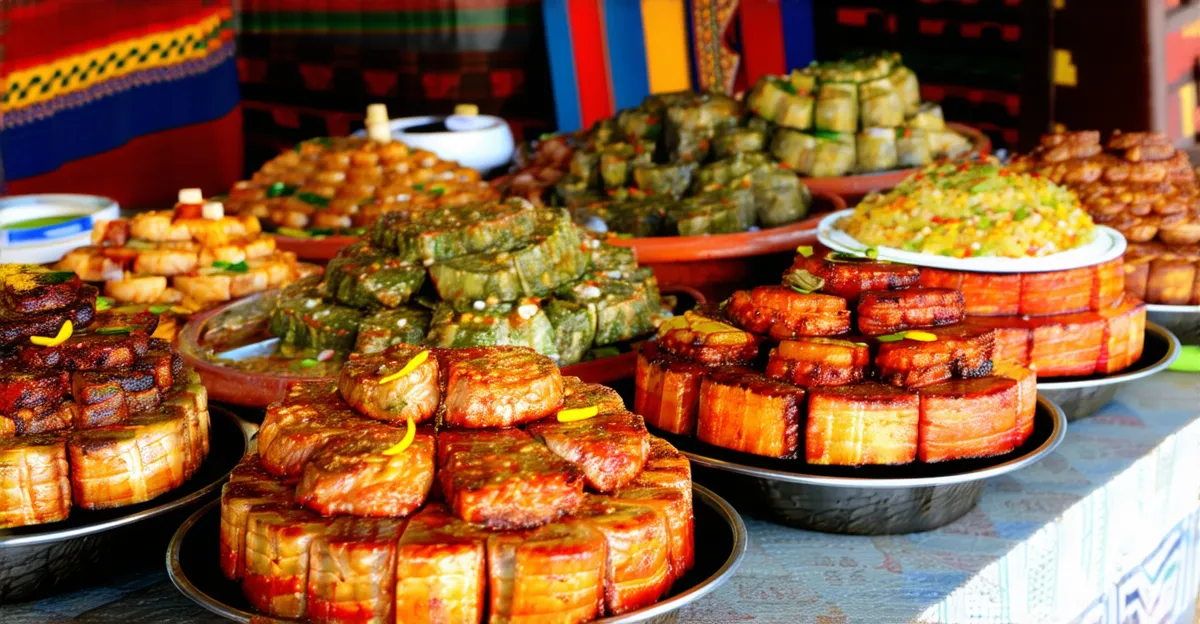
Thimphu, the capital city of Bhutan, is a treasure trove of rich cultural experiences and remarkable culinary delights. The vibrant food scene is adorned with unique local dishes, and the city’s food festivals offer a splendid opportunity to indulge in traditional recipes and flavors unique to Bhutanese cuisine. These festivals showcase not just food, but also the spirit of hospitality and community that defines Thimphu. From colorful displays to tastings of traditional dishes like ema datshi and momos, exploring Thimphu’s food festivals is a must for every food lover traveling through Bhutan.
Key Takeaways
- Thimphu food festivals are a vibrant celebration of local culinary traditions.
- Signature dishes like ema datshi and momos highlight Bhutan’s unique flavors.
- Events foster community engagement, showcasing the essence of Bhutanese hospitality.
- Visitors can enjoy a diverse range of food experiences, from street vendors to competitions.
1. The Thimphu Tshechu: A Celebration of Culture and Cuisine
The Thimphu Tshechu is not only a religious festival but also a vibrant celebration of Bhutanese culture and food. Every year, this festival attracts visitors from all over the country and beyond. During the festivities, the air is filled with the sounds of traditional music and the sight of colorful dresses, but the highlight for many is the delicious array of dishes available.
At this grand festival, local vendors set up stalls offering a variety of traditional Bhutanese foods. You can experience ema datshi and other iconic dishes. This cultural and culinary event also showcases the unique fusion of flavors that define Bhutanese cuisine.
Pro Tip: Make sure to arrive early to secure your spot. This popular event can get quite crowded, especially at peak meal times.
As you enjoy the festivities, indulge in the local traditions reflected in the food served at the Thimphu Tshechu. It’s an unforgettable way to immerse yourself in the local culture.
2. Wangdue Phodrang Tshechu: Explore Local Flavors
The Wangdue Phodrang Tshechu is another thrilling food festival held in Bhutan. It is renowned for showcasing local flavors and dishes that reflect the culinary diversity of the region. Similar to the Thimphu Tshechu, this festival combines cultural presentations with food stalls celebrating traditional fare.
At the festival, visitors can sample a variety of dishes that are often infused with local ingredients. Popular options include momos and spicy curries, which are beloved by locals and tourists alike.
Don’t miss out! Try the handmade momo dumplings, a festival favorite that showcases the rich culinary heritage of Bhutan.
Additionally, the Wangdue Phodrang Tshechu brings communities together through food, making it a vibrant representation of Bhutanese culture and spirit. It is truly a feast for the senses!
3. Bhutanese Cuisine: Must-Try Dishes at Food Festivals
🎯 Insider Tip: Discover the best Thimphu experiences with Viator Tours!
When attending Thimphu food festivals, enjoying traditional Bhutanese cuisine is essential. Various dishes are highlighted, showcasing the depth and flavor of the local ingredients. Ema datshi stands out as the national dish, made with cheese and green chili peppers, making for a spicy yet comforting meal.
Another must-try at these festivals is momos, which are savory dumplings filled with minced meat or vegetables. They are frequently accompanied by a spicy dipping sauce that enhances their flavor.
Did you know? Many festivals also feature unique dessert offerings that reflect Bhutan’s culinary richness.
Overall, the variety and richness of Bhutanese dishes make the food festivals an exciting opportunity to savor the local cuisine. Be sure to try different stalls to discover unique flavors and preparations!
4. Ema Datshi: The National Dish of Bhutan
🎯 Insider Tip: Discover the best Thimphu experiences with Viator Tours!
Ema Datshi holds a special place in Bhutanese hearts as the national dish of Bhutan. This beloved dish features green chilies (ema) and cheese (datshi), creating a delightful combination that is both spicy and savory. Traditionally, Bhutanese people often pair Ema Datshi with rice, making it a comforting meal enjoyed by many.
At Thimphu food festivals, you can indulge in various regional takes on Ema Datshi, each adding subtle twists in flavors and textures. Additionally, you might find versions made with different types of cheese, showcasing the diversity of local ingredients. As one of the staples of Bhutanese cuisine, it’s essential to experience this dish to truly appreciate the flavor profile that defines Bhutanese meals.
Pro Tip: For the best Ema Datshi, look for vendors that use fresh, locally sourced ingredients at the Thimphu food festivals.
Where to eat: You can enjoy Ema Datshi at local eateries such as Chhundu Restaurant or explore festival stalls that specialize in traditional Bhutanese dishes.
5. Momo Mania: Taste the Dumplings of Thimphu
At the heart of Bhutanese cuisine lies the momo, a delicious dumpling that has become an iconic street food at Thimphu food festivals. These steamed or fried dumplings are typically filled with minced meat, vegetables, or both, and they are often served with a spicy dipping sauce, which enhances their flavor.
Momos are not just a snack; they are a social experience. As you wander the festival grounds, the aroma of freshly made momos will draw you in. Try a variety of fillings, from classic chicken to vegetarian options, as each vendor has its unique recipe. Furthermore, you can often watch the skilled hands of vendors shaping these dumplings, adding a personal touch to your dining experience.
Did you know? Momos were influenced by Tibetan cuisine and have become a celebrated comfort food throughout Bhutan.
Where to eat: For the freshest momos, visit Wangchuk Restaurant or enjoy them from the many street stalls found during the festivals.
6. Jasha Maru: Spicy Chicken Delight
Jasha Maru is another staple of Bhutanese cuisine that often makes its way to Thimphu food festivals. This spicy chicken dish consists of tender chicken pieces cooked in aromatic spices like ginger, garlic, and chili, often served with rice or noodles. The bold flavors and hearty consistency make it a favorite among locals and visitors alike.
As you delve into the culinary delights at festivals, don’t miss the chance to savor this dish. Each vendor may have their signature style, bringing unique elements to Jasha Maru. Some might include a variety of vegetables, while others focus on the boldness of the spices. Regardless of the variation, this dish is sure to tantalize your taste buds.
Pro Tip: Ask for extra chili if you prefer a spicier experience with your Jasha Maru!
Where to eat: For authentically prepared Jasha Maru, check out Bharal Restaurant, where you can enjoy this dish in a cozy setting.
7. Local Beverages: Sip on Traditional Bhutanese Drinks
When attending Thimphu food festivals, experiencing the local beverages is a must. Bhutan is home to unique drinks that reflect its rich culture and traditions. One of the most popular is ara, an alcoholic beverage made from fermented rice or barley. Typically served during festivals, it is a favorite among locals.
In addition, suja or butter tea is a warming drink made from tea infused with butter and salt. This drink is perfect to sip on during the cool evenings of Thimphu. Moreover, you can enjoy a refreshing glass of jujube tea, made with dried jujubes, which is said to have health benefits.
Pro Tip: Don’t hesitate to ask locals for their favorite drinks! They’ll often recommend hidden gems that you might not find on the menu.
Where to drink: For the best ara, head to local festivals to taste homemade varieties, or try Chharo Restaurant for a pleasant dining experience with traditional drinks.
8. street food Stalls at Thimphu Festivals
🎯 Insider Tip: Discover the best Thimphu experiences with Viator Tours!
The streets of Thimphu come alive during festivals, and the street food stalls are a significant highlight. Here, vendors set up colorful stalls offering a variety of tantalizing snacks. Among the must-try items are momos, which are dumplings filled with vegetables or meat, and fried to perfection. These are sure to be a crowd-pleaser!
Moreover, you’ll find pancakes served with sweet syrup and filled with local fruits. Another delightful treat is ezay, a spicy chili dip served with almost every dish, making it a popular condiment.
Tip: Arrive early to avoid long queues—it’s worth it for the delicious street eats!
Where to eat: As you explore the festival, look for stalls near Tashichho Dzong for the best street food options or follow the crowd to known vendors for a truly local experience.
9. Participating in Cooking Competitions: A Hands-On Experience
One of the most exciting aspects of Thimphu food festivals is the opportunity for visitors to participate in cooking competitions. These events highlight the art of Bhutanese cooking and promote community involvement. Participants can showcase their skills by preparing traditional dishes, often using locally sourced ingredients.
During the competitions, you will see a variety of dishes being made, including Ema Datshi and Momos. In addition, many festivals offer workshops where you can learn about spices and techniques unique to Bhutanese cuisine.
Participating in these events is not just about cooking; it’s a way to connect with locals and learn about their culture!
Where to join: Keep an eye out for announcements regarding competitions at the Thimphu Tshechu and other local festivals—all you need to do is register!
10. The Importance of Community in Thimphu Food Festivals
The Thimphu food festivals are more than just a delightful display of flavors; they are a celebration of community spirit and togetherness. These festivals bring together local residents and visitors alike, fostering a sense of belonging and cultural pride. At every event, you will notice how families and friends come together to share traditional dishes, fostering connections over food.
Furthermore, these festivals highlight the collaboration of artisans, chefs, and farmers who contribute their unique skills and ingredients. This unity not only reflects Bhutanese hospitality but also emphasizes sustainability in food practices. For example, local farmers often showcase seasonal produce, encouraging an appreciation for what is grown within the community.
Did you know? The food festivals are a platform for cultural exchange, where visitors can learn about Bhutanese traditions and the stories behind each dish.
Additionally, community involvement is vital in organizing these festivals. Volunteers help in setup, cooking, and serving, showcasing the strong camaraderie among participants. Therefore, visiting a food festival in Thimphu is not just a culinary experience; it is an opportunity to immerse oneself in Bhutanese culture and community life.
Thimphu’s food festivals are not just events; they are cultural celebrations that immerse you in the rich traditions and flavors of Bhutan. Whether you’re indulging in delicious ema datshi or the delightful momos, the culinary landscape of Thimphu offers a unique experience for every visitor. Join the festivities, savor the local cuisine, and create unforgettable memories in Bhutan’s capital. Share your favorite dishes and experiences or plan your food adventure to Thimphu today!
Frequently Asked Questions
A: Major food festivals include the Thimphu Tshechu and Wangdue Phodrang Tshechu, which feature a variety of local dishes.
A: Don’t miss out on ema datshi, momos, and jasha maru for an authentic taste of Bhutan.
A: Yes, many dishes served at the festivals cater to vegetarian preferences.
A: Food festivals generally coincide with cultural celebrations in the spring and autumn seasons.
A: Yes, many festivals have cooking competitions that you can join and learn more about Bhutanese cooking.
A: Expect cultural performances, local artisans showcasing their crafts, and community gatherings.