
Sapa Traditional Dishes: A Culinary Exploration
Savor Sapa traditional dishes! Discover unique flavors, local specialties, and dining spots that showcase this enchanting region’s cuisine.
On this page
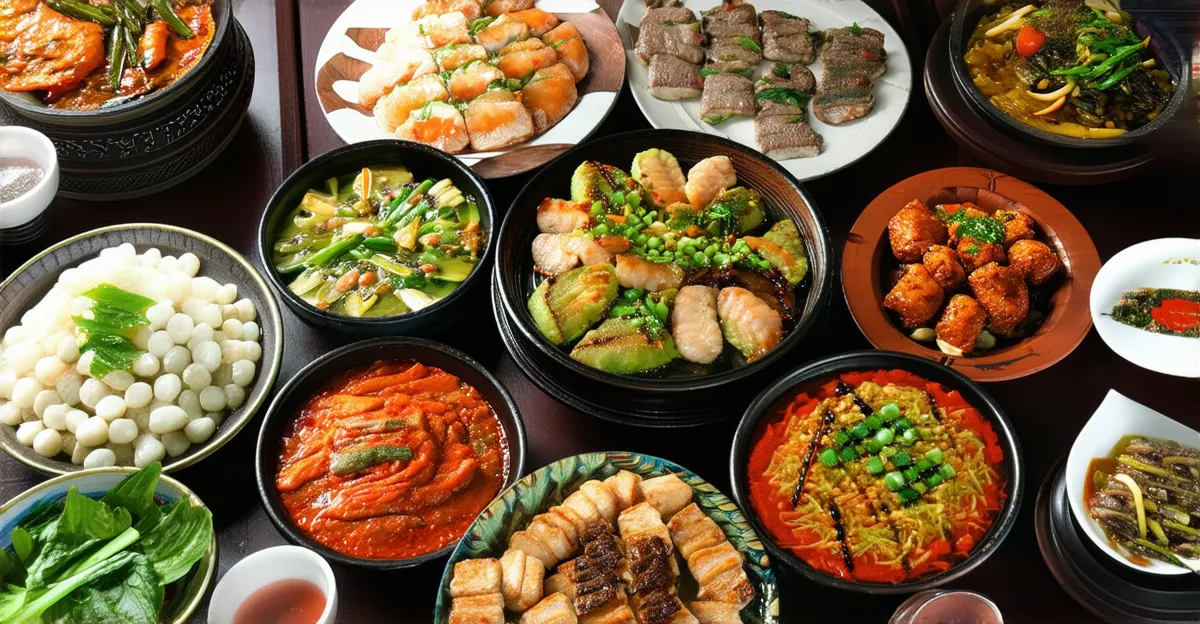
Sapa, nestled in the breathtaking mountains of Vietnam, is not just renowned for its stunning landscapes, but also for its rich culinary heritage. The traditional dishes of Sapa reflect the diverse ethnic cultures that inhabit the region, each contributing their own unique flavors and specialties. From hearty stews to fragrant rice dishes, Sapa’s cuisine is a must-try for food enthusiasts. This guide will take you through an unforgettable culinary journey, exploring local dishes, vibrant food experiences, and the best dining spots in Sapa.
Key Takeaways
- Sapa traditional dishes offer a blend of unique flavors and cultural significance.
- local specialties such as Thang Co and Com Lam highlight the region’s culinary diversity.
- Dining options range from cozy local eateries to scenic mountain views.
- Food experiences in Sapa include market visits and participating in cooking classes.
1. Thang Co: A Unique Sapa Traditional Stew
One of the most famous Sapa traditional dishes is Thang Co, a hearty and aromatic stew that has been a staple in the region for centuries. Typically made with horse meat and various herbs, this dish is cooked slowly to enhance the flavors. It is often served during special occasions and festivals, making it a symbol of Sapa’s rich cultural heritage.
The unique taste of Thang Co comes from the combination of spices such as ginger, star anise, and black cardamom, which reflect the local ingredients available in the mountainous regions. Additionally, this stew is usually enjoyed with a side of fresh rice and herbs, making it a complete and satisfying meal.
Pro Tip: If you want to experience authentic Thang Co, try it at local eateries in Sapa, where the dish is prepared using traditional methods.
Where to eat: Head to Thang Co 24 or visit family-run eateries in the area to taste this unique dish prepared with generations of experience.
2. Com Lam: Grilled Sticky Rice in Bamboo
Com Lam is another popular Sapa traditional dish that highlights the region’s unique cooking techniques. This delicious treat is made with sticky rice, which is packed into bamboo tubes and grilled over an open flame. The result is a fragrant, slightly smoky rice dish that pairs perfectly with a variety of meats or can be enjoyed on its own.
The preparation method not only adds flavor but also reflects the harmony with nature that the local communities embrace. To enhance the taste, some locals add coconut milk or salt before grilling the rice, offering a delightful balance of sweet and savory.
Did you know? Com Lam is often served during festivals and celebrations, making it a must-try when visiting Sapa.
Where to eat: For the best Com Lam, visit Local Food Stall in Sapa market, where you can savor this rustic dish alongside other local specialties.
3. Sapa Salmon: A Fresh Water Delight
⭐ Recommendation: Don't miss out on amazing Sapa tours - book now!
Sapa is not only known for its picturesque landscapes but also for its unique freshwater salmon, which is a notable part of the Sapa traditional dishes. Due to the region’s cool climate and clear waters, the salmon thrives here, making it a popular choice for both locals and visitors alike. This fish is often grilled, smoked, or made into various dishes such as salads and soups.
The taste of Sapa salmon is distinct, with a tender texture and rich flavor that pairs beautifully with local herbs and spices. Many restaurants in Sapa create special salmon dishes that fuse traditional Vietnamese flavors with this local catch, resulting in a culinary experience you won’t want to miss.
Pro Tip: When visiting Sapa, don’t miss the chance to try smoked salmon, a unique preparation that brings out the fish’s natural richness.
Where to eat: Try Rose Salmon Restaurant for a delightful selection of salmon dishes, or explore local eateries that specialize in preparing fresh Sapa salmon.
4. Wild Mountain Vegetables: Nature’s Bounty
Wild mountain vegetables are a cherished part of Sapa traditional dishes, showcasing the natural bounty of this stunning highland region. These vegetables, often foraged from the lush forests and rugged mountainsides, bring unique flavors and textures to the local cuisine. Many of these greens are not only delicious but also packed with nutrients. For example, leafy greens such as rau dớn and rau dâm are popular choices that are sautéed, steamed, or used in salads.
Moreover, the cooking methods often enhance their natural flavors. Typically, these vegetables are quickly stir-fried with garlic and seasoned with fish sauce. This simple preparation keeps the vegetables crisp while allowing their taste to shine. As a result, they are both a healthy choice and a culinary delight.
Pro Tip: Don’t miss trying these vegetables alongside a hearty bowl of Thang Co for a truly authentic experience!
Where to eat: For an authentic experience, visit Chapa Restaurant in Sapa town, which serves a variety of local dishes featuring these wild greens.
5. Fritters and Pancakes: Crispy Sapa Snacks
In Sapa, snacks often take the form of crispy fritters and pancakes, beloved for their delightful crunch and flavor. These dishes, reminiscent of home-cooked comfort food, are made using locally sourced ingredients. For instance, the bánh khoái (crispy pancake) is a standout. Filled with shrimp, pork, and bean sprouts, it’s pan-fried to perfection and served with a delicious dipping sauce.
Another popular option is bánh ngô, a cornbread fritter. This dish is made from fresh corn and typically fried until golden brown, creating a satisfying crunch with each bite. Many street vendors and local eateries serve these snacks, often enjoyed as a light meal or a tasty appetizer.
Did you know? Pair your fritters with a sweet and sour sauce for an added flavor boost!
Where to eat: For the best bánh khoái, head to Lan’s House, where you can enjoy these crispy delights in a cozy setting.
6. Sapa Goat Meat: A Delectable Specialty
⭐ Recommendation: Don't miss out on amazing Sapa tours - book now!
Sapa goat meat, known locally as thịt dê, is not just a dish; it’s a culinary hallmark of the region. Renowned for its tenderness and unique flavor, this specialty is often grilled, sautéed, or stewed. The goats are typically raised in the cool mountainous climate, which contributes to the meat’s distinctive taste. One popular way to enjoy goat meat is in a hot pot, simmered with a variety of fresh herbs and vegetables.
Furthermore, locals often prepare it with spices and herbs for grilling. This method brings out the meat’s richness and pairs excellently with rice or fresh bread. Visitors will find that Sapa goat meat can be quite a celebration for the taste buds!
Pro Tip: Try it with a side of herbal tea to balance the flavors.
Where to eat: For an unforgettable goat meat experience, visit Quang Trung Restaurant, which specializes in traditional Sapa dishes, including this delectable specialty.
7. Pho Sapa: A Local Twist on the Classic
Pho is a beloved dish across Vietnam, but in Sapa, it takes on a unique local twist. Pho Sapa features a fragrant broth infused with herbs and spices, complemented by fresh ingredients sourced from the region. Instead of the typical beef or chicken, many places offer locally raised meats, making each bowl a reflection of Sapa’s culinary heritage.
The rice noodles are soft and chewy, providing a delightful texture that pairs perfectly with the tender meat and aromatic broth. Adding fresh herbs such as mint and basil enhances the flavor, while lime juice adds a refreshing zest.
Tip: Don’t forget to request a side of spicy chili for that extra kick!
Where to eat: For a memorable Pho Sapa experience, visit Du Sapa Restaurant or Viet Bamboo Restaurant, both known for their authentic interpretations of this beloved dish.
8. Herbal Tea: Refreshing Sapa Brews
Herbal tea is an integral part of Sapa’s food culture, reflecting the region’s rich biodiversity. Locals often use fresh herbs like lemongrass, ginger, and chrysanthemum to create fragrant brews that not only taste delightful but also provide health benefits. These teas are particularly refreshing after a long trek through the stunning Sapa landscapes.
Each cup of herbal tea tells a story of the land and its people, and it’s often served alongside traditional snacks or meals. Many locals believe that these herbal drinks aid in digestion and boost overall wellness.
Pro Tip: Try the ginger tea for a warming effect during cooler evenings in Sapa.
Where to eat: For an authentic herbal tea experience, visit Tea House Sapa or stop by a local market where vendors offer freshly brewed options.
9. Rice Wine: A Traditional Drink of Sapa
Rice wine, known locally as rượu, is a traditional drink enjoyed throughout Sapa. It is often homemade, using glutinous rice that is fermented with a blend of herbs. The result is a clear, potent beverage that pairs harmoniously with many local dishes.
This drink not only accompanies meals but is also a staple at celebrations and gatherings. Locals believe that sharing rice wine strengthens bonds among friends and families. Its unique flavor varies from one household to another, making every sip a potential adventure.
Did you know? Rice wine is often served warm and can be used in various cooking methods to enhance flavors.
Where to eat: Seek out Sapa Local Restaurant or H’mong Family Restaurant to sample traditional rice wine and enjoy a true taste of Sapa.
10. street food Adventures: Exploring Local Flavors
Sapa is a vibrant destination that hosts an array of street food, making it a haven for food enthusiasts. Here, you can find a delightful mix of Sapa traditional dishes, each telling a story of the region’s culture and agriculture. Strolling through the streets, you’ll encounter colorful stalls brimming with both familiar and unique foods.
One of the must-try street foods is Banh Mi, a Vietnamese sandwich filled with a variety of savory ingredients such as meat, pickled vegetables, and fresh herbs. Additionally, Grilled Meat Skewers are a popular choice. They are often marinated with local spices and grilled right in front of you, offering an irresistible smoky flavor.
Pro Tip: Don’t hesitate to try the local specialties when you explore the street food scene, as they can provide a true taste of Sapa’s culture.
For dessert, look out for sticky rice balls coated with coconut or sesame. These sweet treats are not just delicious, but also a reflection of the region’s culinary traditions. And when you need a break, indulge in a cup of fresh herbal tea made from local herbs, known for its refreshing qualities.
Where to eat: For an authentic street food experience, visit the Sapa Night Market, where you can find numerous stalls offering Sapa traditional dishes. Additionally, explore local corners like Pham Dinh Ho Street for a variety of delicious bites.
The culinary scene in Sapa is a delightful journey through flavors that reflect the rich culture of the region. Trying Sapa traditional dishes will not only satisfy your palate but also deepen your appreciation for the local heritage. Embark on your culinary adventure in Sapa and share your favorite dishes with fellow food lovers!
Frequently Asked Questions
⭐ Recommendation: Don't miss out on amazing Sapa tours - book now!
A: Thang Co, Com Lam, and Sapa Goat Meat are highly recommended dishes.
A: Local markets and food stalls are great places to discover authentic cuisine.
A: Yes, many restaurants offer vegetarian options, especially utilizing local vegetables.
A: Thang Co is traditionally made with horse meat and a variety of herbs and spices.
A: Yes, many local establishments offer cooking classes to experience Sapa’s culinary arts.
A: Yes, street food in Sapa is generally safe, but ensure it’s from reputable stalls.