
Sapa Cuisine: Discover Local Flavors and Cooking Classes
Explore Sapa cuisine! Join local cooking classes and experience authentic food and flavors in this ultimate guide for food enthusiasts.
On this page
Sapa cuisine is a delightful fusion of traditional mountain flavor and vibrant local ingredients, reflecting the diverse cultures of its indigenous tribes. Known for its fresh produce, aromatic herbs, and hearty meals, Sapa offers food lovers a unique culinary adventure. This guide delves into the exciting cooking classes available in Sapa, along with must-try local dishes and dining spots that will satisfy any palate. Whether you seek to master local recipes or simply enjoy the rich flavors, Sapa has something special in store for every visitor.
Key Takeaways
- Sapa cuisine showcases fresh, local ingredients that highlight the region’s rich farming traditions.
- Signature dishes such as sticky rice, grilled meats, and herbal soups represent Sapa’s culinary diversity.
- Sapa cooking classes provide hands-on experiences that immerse you in local food culture.
- Exploring traditional markets is the best way to gather ingredients and learn about local culinary practices.
1. local Ingredients: The Heart of Sapa Cuisine
Sapa cuisine is deeply rooted in its local ingredients, which are vital to its identity and flavor. Nestled in the picturesque mountains of northern Vietnam, Sapa benefits from a diverse climate that allows farmers to grow a variety of fresh produce. One of the hallmarks of Sapa cuisine is its use of organic vegetables, which include greens, herbs, and unique mountain vegetables.
Additionally, rice plays a crucial role in Sapa’s traditional dishes, particularly the fragrant and glutinous rice that the region is known for. Local herbs, such as *thai basil* and *lemongrass*, infuse dishes with aromatic flavors. Furthermore, for protein, the communities often utilize locally sourced meats like goat and pork, providing authenticity to every meal.
Remember: Exploring local markets helps you appreciate these ingredients and their origins, enriching your culinary experience.
When visiting Sapa, make it a point to try out cooking classes that embrace these local ingredients, offering a true taste of the region’s flavors.
2. Must-Try Sapa Dishes: A Culinary Tour
Embarking on a culinary tour of Sapa means tasting its **must-try dishes**. First and foremost, you cannot miss *Thang Co*, a traditional horse meat soup flavored with local herbs and spices. This dish embodies the spirit of the High Land communities and is often served in festive gatherings.
Another delightful dish is *Mận*, seasonal plums that are locally cherished. For something hearty, try *Sapa grilled pork*—marinated and grilled over charcoal for a smoky flavor. Additionally, *Sapa’s sticky rice*, often served with bamboo-wrapped chicken, is a comforting staple that reflects the simple yet delicious nature of the local cuisine.
Pro Tip: Pair these dishes with a cup of *local herbal tea* to enhance your meal and experience.
Whether you explore local eateries or participate in **Sapa cooking classes**, savoring these dishes is essential for anyone visiting the area.
3. Unique Cooking Classes in Sapa
⭐ Recommendation: Don't miss out on amazing Sapa tours - book now!
If you’re eager to dive into the culinary experience of Sapa, enrolling in unique **Sapa cooking classes** should be at the top of your list. These classes often focus on using local ingredients, offering participants an authentic experience. You’ll learn techniques that reflect the region’s rich traditions.
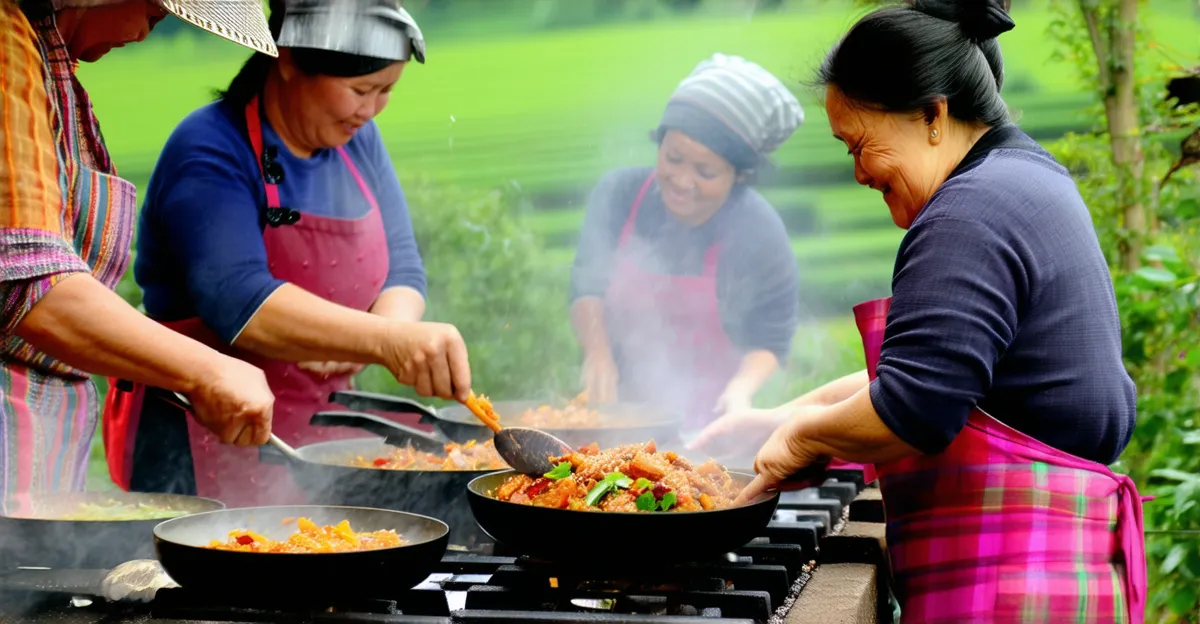
Many classes are conducted by local chefs who share their culinary secrets passed down through generations. In the hands-on setting, you’ll prepare dishes like *vegetable stir-fry*, using fresh ingredients sourced from nearby markets. Moreover, some classes even include outdoor cooking experiences, which immerse you in the breathtaking scenery of Sapa.
Did you know? Some cooking classes also offer market tours as part of the experience, allowing you to select fresh ingredients before cooking.
For an enriching experience, consider options such as *Sapa Cooking Class* or *H’mong Cooking Class*, both highly recommended for their engaging sessions and knowledgeable instructors.
4. Traditional Outdoor Cooking Experiences in Sapa
Embarking on a traditional outdoor cooking experience in Sapa is a delightful way to connect with local culture and natural beauty. Such experiences usually take place in picturesque locations, surrounded by breathtaking landscapes. Here, the focus is on utilizing fresh, local ingredients while learning age-old cooking techniques from local chefs or families. This not only offers a hands-on experience but also dives deep into the stories behind each dish.
Typically, these outdoor classes involve preparing favorite local dishes over an open flame. For instance, participants may learn how to make thắng cố, a traditional meat and herb dish, or practice grilling fresh fish caught from the nearby rivers. It’s a great way to bond with fellow travelers and locals alike, sharing stories and laughter while savoring the delightful aromas of freshly cooked food.
Pro Tip: Don’t forget to bring your camera—these picturesque settings make for perfect photo opportunities!
Such outdoor experiences not only teach valuable culinary skills but also allow you to appreciate the landscapes and culture of Sapa in a truly immersive way.
5. Market Tours: Gathering Ingredients for Your Dishes
One of the highlights of joining Sapa cooking classes is the market tour, where you can gather fresh ingredients for your cooking session. Sapa’s markets, particularly the Sapa Market, are vibrant and full of colors, filled with local farmers and vendors selling fresh produce, herbs, and spices. Walking through the stalls, you’ll find everything from aromatic basil and ginger to a variety of locally grown vegetables.
Engaging with local sellers provides insight into the seasonal produce available and the fundamental role it plays in Sapa cuisine. Additionally, vendors might share tips on selecting the best ingredients or even the secrets behind their own traditional recipes. While the bustling atmosphere may feel overwhelming at first, it quickly turns into an enjoyable hunt for the freshest ingredients for your meal.
Did you know? Sapa’s high altitude creates unique conditions for growing specialty herbs and vegetables that you won’t find elsewhere!
Completing the market tour and returning to your cooking class with fresh, local ingredients marks the beginning of a delicious culinary adventure.
6. Popular Sapa Restaurants Featuring Local Cuisine
⭐ Recommendation: Don't miss out on amazing Sapa tours - book now!
When visiting Sapa, exploring its local cuisine at various restaurants is a must. Several eateries specialize in traditional dishes that beautifully showcase the flavors of the region. One standout is Dallas Restaurant, known for its cozy ambiance and delightful dishes like grilled pork and Sapa-style hotpot. Each meal here tells a story of the community’s rich culinary heritage.
Another popular spot is Little Vietnam Restaurant, where you can enjoy authentic local flavors paired with warm hospitality. Their signature dish, black chicken soup, is a favorite among locals and tourists alike. For something sweet, don’t miss out on trying Sapa’s traditional rice wine, available at many local eateries.
Pro Tip: Make sure to chat with the staff about their seasonal recommendations; they can guide you towards the best dishes to try!
Whether you’re craving hearty meals or light snacks, Sapa’s restaurants offer a diverse range of options to satisfy every palate.
7. Cooking Class: Mastering Sapa’s Famous Dried Meat
Sapa is renowned for its unique dried meats, particularly the dried pork and dried beef that showcase the region’s flavors. Participating in a Sapa cooking class focused on mastering these meats offers an authentic culinary experience. In these classes, you’ll learn traditional techniques, from selecting the right cuts of meat to marinating them with local herbs and spices.
Typically, local chefs guide participants through the process, explaining how the high altitude and cool climate of Sapa contribute to the ideal drying conditions. As you prepare the meat, you’ll also discover the significance of each ingredient in enhancing the flavors. Sessions often include hands-on practice, enabling you to create your own dried meat to take home.
Pro Tip: Pair your dried meat with tangy dipping sauces for a flavorful experience that captures the essence of Sapa.
Where to eat: If you’re looking to taste Sapa’s famous dried meat, visit Cháo Sapa or \u0110ống Lào, where you can savor expertly prepared dishes made from traditional recipes.
8. Herbal Soups: Healing Dishes of Sapa Cuisine
Herbal soups are a staple in Sapa cuisine, beautifully reflecting the region’s connection to nature. These healing dishes are made from a blend of local herbs, vegetables, and meats, providing both nourishment and flavor. The knowledge of herbal remedies passed down through generations is what makes these soups special.
In Sapa, attending a cooking class that focuses on herbal soups can enhance your culinary skills. You’ll learn to identify and use various herbs, crafting soups that not only taste great but may also have health benefits. Participants are often encouraged to experiment with different combinations.
Did you know? Using fresh, seasonal ingredients enhances both the health benefits and the flavors of your soups.
Where to eat: To try traditional herbal soups, head to Nhà Hàng A Phủ or Sapa Lotus Restaurant, both known for their delicious and aromatic soup options.
9. Fermented foods: Traditional Preserving Techniques
Fermentation is a vital part of Sapa’s culinary culture, with traditional techniques passed down over centuries. Fermented foods, such as fermented vegetables and fish, not only enhance the flavor of meals but also serve as a means of preservation. Joining a cooking class on this topic allows you to dive into the art of fermentation.
In these classes, you’ll learn about the different types of ingredients that can be fermented, as well as the specific processes required to achieve the perfect taste and texture. This hands-on experience includes preparation and tasting, making it a delight for any food lover.
Pro Tip: Fermented foods in Sapa are often served as accompaniments, adding a delightful tang to grilled or stir-fried dishes.
Where to eat: Experience traditional fermented foods at local eateries like Quang Minh Restaurant or Hoang Ha Restaurant, where you can taste authentic dishes made using these techniques.
10. Sapa’s Rice Cooking: Techniques for Perfect Texture
When it comes to Sapa cuisine, nothing is quite as essential as rice. Known for its distinct textures and flavors, rice is a staple in many traditional dishes. In Sapa, the most common variety grown is glutinous rice, which has a sticky consistency when cooked. This type of rice is typically served with many local meals and can be steamed or boiled to achieve the perfect texture.
To cook rice perfectly, it’s vital to start with the right washing technique. First, rinse the rice under cold water until the water runs clear. This process removes excess starch and prevents the rice from becoming overly sticky. After rinsing, let it soak for about 30 minutes to achieve an ideal softness, ensuring the grains cook evenly.
Pro Tip: Use a rice cooker for consistent results, as they automatically optimize the cooking time and water absorption.
Once your rice is ready, practice serving it in the traditional way. Pair it with ethnic dishes such as dried meat or fermented vegetables to enhance the flavor experience. Cooking classes in Sapa often include these techniques, providing hands-on training to perfect your rice dishes.
Where to eat: For a taste of expertly prepared rice dishes, visit Chapa Restaurant or Red Dao House, where you can enjoy local recipes featuring this essential grain.
Sapa cuisine offers a remarkable opportunity to explore the beautiful flavors of Vietnam’s northern mountains. From cooking classes that teach traditional techniques to savoring local dishes in cozy restaurants, this region presents an unforgettable culinary journey. Share your favorite Sapa dishes or plan your food adventure to embrace the rich culture of Sapa cuisine!
Frequently Asked Questions
⭐ Recommendation: Don't miss out on amazing Sapa tours - book now!
A: Sapa is known for its fresh produce, unique herbs, and traditional dishes such as grilled pork and sticky rice.
A: You can expect hands-on instruction, ingredient sourcing from local markets, and personalized recipes to take home.
A: Yes, many cooking classes in Sapa offer vegetarian options using fresh local vegetables.
A: Participating in local cooking classes and market tours is an excellent way to immerse yourself in Sapa’s food culture.
A: Top cooking classes can be found in various lodges and restaurants within Sapa, such as [insert popular names].
A: Classes usually range from $25 to $60 per person, depending on the inclusions and duration.