
Samarkand Cuisine: Explore Traditional Dishes
Discover the rich flavors of Samarkand cuisine! This guide unveils traditional dishes, local dining experiences, and must-try spots in this historic city.
On this page
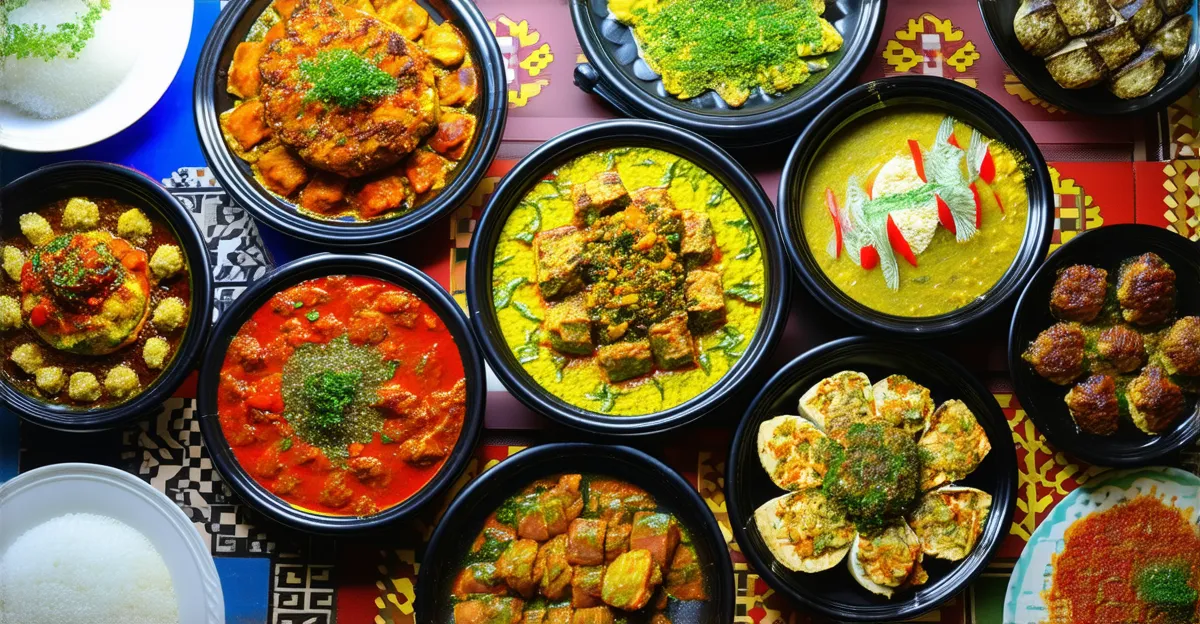
Samarkand cuisine is a vibrant tapestry woven from centuries of diverse cultural influences, embodying the city’s historical significance on the Silk Road. Renowned for its aromatic spices, hearty dishes, and culinary creativity, Samarkand offers a unique food exploration that captivates every visitor. From succulent plov to aromatic laghman, the traditional dishes of Samarkand reflect the heart and soul of Central Asian gastronomy. This guide introduces you to the must-try local specialties and dining locations, ensuring an unforgettable culinary journey.
Key Takeaways
- Samarkand cuisine boasts a rich variety of traditional dishes infused with spices.
- Signature dishes like plov and laghman highlight the region’s unique food culture.
- Affordable street food and cozy local eateries cater to all budgets.
- Culinary tours offer immersive experiences to truly savor the flavors of Samarkand.
1. Plov: The Quintessential Samarkand Dish
Plov, often considered the heart of Samarkand traditional dishes, is a rich and flavorful rice dish. Typically cooked with lamb or beef, carrots, onions, and a unique blend of spices, it is a staple of Uzbek cuisine. This dish is not just food; it’s a cultural symbol often served during celebrations and family gatherings.
The preparation of plov involves layering the ingredients in a large kazan (a traditional cooking pot) and allowing them to cook together, enriching the flavors. As you take your first bite, you’ll notice how the fragrant spices and tender meat meld with the perfectly cooked rice.
Did you know? In Samarkand, plov is often served with a side of tomato salad, enhancing its deliciousness even further.
Where to eat: For an authentic taste of plov, visit Plov Center, where it’s made in large quanitities, or try Samarkand Plov House for a cozy atmosphere.
2. Laghman: Hand-pulled Noodles of Samarkand
Laghman is a beloved dish in Samarkand, known for its hand-pulled noodles. These tender and chewy noodles are typically served with a rich, flavorful broth made from beef or lamb, along with fresh vegetables like bell peppers and onions. The balance of flavors in laghman represents the essence of Samarkand traditional dishes.
Many locals enjoy laghman as a hearty main course, especially during colder months. Moreover, it can be served either dry or with a broth, allowing for versatility depending on personal preference.
Pro Tip: Don’t forget to add a dash of vinegar or chili sauce for an extra kick of flavor!
Where to eat: Make sure to visit Chaihanai Laghman for a bowl made by seasoned chefs or head to Old Samarkand for their famous variations.
3. Manti: Delicious Steamed Dumplings
🌟 Local Expert Tip: Get the most out of your Samarkand visit with guided tours!
Manti is another crowd-pleaser, showcasing the creativity of Samarkand traditional dishes. These steamed dumplings are usually filled with minced meat, such as lamb or beef, and seasoned with onions and spices. The result is a soft and delightful dumpling that bursts with flavor in every bite.
Manti can be served with a dollop of sour cream or a spicy sauce, making them even more enjoyable. They are often eaten during gatherings or holidays, becoming a comforting favorite among families.
Did you know? Manti is sometimes made in large batches, allowing families to share and enjoy together!
Where to eat: For the best manti in town, try Samarkand Manti House known for its authentic recipes, or Bazaar Food Court, where various stalls offer delicious dumplings.
4. Shashlik: Grilled Meat Skewers
🌟 Local Expert Tip: Get the most out of your Samarkand visit with guided tours!
Shashlik is a beloved dish that embodies the essence of Samarkand traditional dishes. These grilled meat skewers are prepared using marinated chunks of meat, typically lamb, that are threaded onto skewers and cooked over an open flame. The marination process often includes a blend of spices, garlic, and onions, which infuse the meat with rich flavors.
This dish is not just a meal; it’s a social event as well. In Samarkand, it’s common to see families and friends gathering around the grill, sharing stories and enjoying each other’s company. Shashlik is typically served with fresh herbs, onion slices, and a variety of sauces, enhancing its taste profile and making each bite memorable.
Pro Tip: Pairing shashlik with local bread will create a delightful harmony of flavors!
Where to eat: For authentic shashlik, head to Plov Center or Shashlik House, both renowned for their expertly grilled skewers and festive atmosphere.
5. Samarkand Bread: The Soul of Local Cuisine
Samarkand bread is often regarded as the soul of local cuisine, with a unique flavor and texture that truly represents the region. Known as non, this traditional bread is baked in a tandoor, giving it a distinct crust and chewy interior. It’s fluffy, has a lovely golden color, and features beautiful patterns that are stamped into its surface.
In Samarkand, bread is more than just a staple; it holds cultural significance. It is often served at every meal, symbolizing hospitality and generosity. The locals believe that wasting bread is a sign of bad luck, making it an essential part of their daily lives.
Did you know? Samarkand bread is typically enjoyed with all sorts of dishes, from hearty stews to kebabs!
Where to eat: Don’t miss visiting Non Center in Samarkand, where you can watch the bread being baked and experience the traditional flavors firsthand.
6. Dolma: Flavorful Stuffed Grape Leaves
Dolma is yet another delightful inclusion in the list of Samarkand traditional dishes. These flavorful stuffed grape leaves are filled with a hearty mix of rice, minced meat, and various spices. The art of making dolma is usually passed down through generations, with each family having its unique twist on the recipe.
The preparation of dolma involves wrapping a small amount of filling in tender grape leaves, which are then cooked until perfectly tender. This dish is often served with a dollop of yogurt and a sprinkle of fresh herbs, making it a refreshing and delicious meal choice.
Pro Tip: Try dolma with a squeeze of lemon for an extra burst of flavor!
Where to eat: For an authentic taste of dolma, visit Old Town Restaurant or Shirin Restaurant, both known for their traditional Uzbek cuisine and welcoming ambiance.
7. Sumalak: Traditional Spring Dish
Sumalak is a traditional spring dish that holds a special place in Samarkand traditional dishes. This unique delicacy is prepared during the Navruz holiday, symbolizing the arrival of spring and renewal. Made primarily from sprouted wheat, the process of creating Sumalak involves boiling the sprouts for hours, allowing the natural sugars to develop. The result is a thick, sweet paste that is often enjoyed warm.
To cook Sumalak, families gather together, creating a festive atmosphere filled with laughter and joy. Many believe that the more hands that contribute to its preparation, the better the flavor. As a result, it’s not just about eating; it’s about community and sharing.
Pro Tip: When visiting Samarkand during spring, sample Sumalak to experience a piece of local culture and history.
Where to eat: If you’re looking to enjoy authentic Sumalak, explore local markets during the spring season or try it at traditional eateries like Restaurant Besh Qozon.
8. Qurut: Savory Dried Yogurt Snack
🌟 Local Expert Tip: Get the most out of your Samarkand visit with guided tours!
Qurut is a beloved snack in Samarkand and across Central Asia. These small, round balls made from dried yogurt are packed with flavor and offer a unique taste experience. The preparation begins with reconstituted yogurt, which is then shaped into balls and sun-dried, resulting in a tangy and slightly salty treat. It is a staple snack among locals, known for its protein content.
People enjoy Qurut as a snack or as a garnish for various dishes. It pairs well with soups and salads, adding a distinct flavor. Qurut is particularly refreshing during hot summer months, making it a vital part of the local diet.
Did you know? Qurut can also be mixed with herbs and spices for a delicious dip.
Where to eat: Look for Qurut at local markets or try it at traditional restaurants, such as Cafe 777, where it’s often served alongside Uzbek dishes.
9. Lagmann: A Bowl of Comfort
Lagmann, another gem among Samarkand traditional dishes, is a hearty noodle dish that represents comfort food at its finest. This dish features hand-pulled noodles, which are made from simple flour and water yet yield a wonderfully chewy texture. Lagmann is typically served with a rich, flavorful broth that includes a variety of meats and vegetables.
This dish can be customized with different ingredients, adding to its popularity among locals and visitors alike. Whether you prefer lamb, beef, or vegetables, Lagmann delivers a nourishing meal that warms the soul.
Pro Tip: For an extra kick, add some local chili peppers or herbs for a flavorful twist!
Where to eat: To experience the best Lagmann, visit Hotel Shahrisabz or Lagman House, where chefs prepare this traditional delight with care and artistry.
10. Uzbek Tea: A Cultural Staple
In Samarkand, tea is more than a beverage; it is a vital part of the cultural fabric. Uzbek tea, or chay, plays a crucial role in daily life and traditional gatherings. Served in elegant, patterned cups, it is often accompanied by sweets or pastries, creating a warm atmosphere for friends and family. The tea itself is typically brewed from green or black tea, with green tea being particularly popular in Samarkand.
Transitioning from the production to the consumption of tea, this beloved drink is often prepared using a special samovar—a traditional Russian-style kettle. The process of brewing tea in a samovar is seen as an art form, developing a rich flavor that captivates the senses. Furthermore, when hosting guests, offering tea is a sign of hospitality and respect.
Did you know? Uzbekistan cultivates its own tea, with many families having their own unique methods for preparing the perfect cup.
Tea drinking in Samarkand usually comes with nont, a type of Uzbek bread, and various manti or sweets, making it an integral part of meals throughout the day. Travelers exploring the city should not miss a chance to experience this quintessential part of Samarkand traditional dishes.
Where to drink: For an authentic experience, visit Café Shodlik or Restaurant Chai Khana, where you can savor delicious Uzbek tea accompanied by local treats.
Samarkand cuisine is a delightful celebration of tradition and flavor, offering culinary gems that reflect the city’s rich heritage. Dive into its vibrant food scene and don’t miss the chance to savor the unforgettable tastes of this ancient city. Join the conversation by sharing your favorite dishes or planning your food adventure to Samarkand!
Frequently Asked Questions
A: Samarkand is famous for its plov, laghman, and shashlik, which showcase rich flavors and traditional cooking methods.
A: Plov, manti, dolma, and sumalak are essential dishes for anyone visiting Samarkand.
A: Yes, street stalls and local bazaars offer delicious and budget-friendly meals.
A: Participate in local cooking classes, culinary tours, and visit traditional tea houses.
A: Yes, many local dishes can be found in vegetarian versions, including dolma and seasonal salads.
A: You can enjoy the best plov at local restaurants like ‘Plov Centre’ and ‘Chaykhona’.