
Samarkand Fine Dining: A Culinary Journey
Samarkand fine dining showcases rich flavors and exquisite dishes. Discover the top restaurants and local delicacies in this unparalleled food guide.
On this page
Samarkand fine dining represents a vibrant blend of ancient traditions and modern gastronomy, captivating food lovers from around the world. Nestled along the Silk Road, Samarkand’s culinary landscape features a medley of flavors influenced by Persian, Arabic, and Central Asian cuisines. From aromatic pilafs to delicately spiced kebabs, the local dishes reflect the region’s rich history and cultural heritage. This guide will take you through the best fine dining spots in Samarkand, where you can indulge in sumptuous meals and discover unique culinary experiences.
Key Takeaways
- Samarkand fine dining offers a rich selection of traditional dishes.
- Signature dishes like plov and kebabs showcase local flavor.
- The city’s dining scene blends history with modern culinary techniques.
- Dining in Samarkand is not just a meal, but a cultural experience.
1. Plov: The Heart of Samarkand Cuisine
Plov, a fragrant rice dish, is considered the heart of Samarkand cuisine. The preparation of plov is a ceremonious affair that involves layers of rice, meat, and vegetables, each contributing to its rich and diverse flavor profile. This signature dish often features tender lamb or beef, combined with carrots and a blend of spices, creating a comforting and savory experience that warms the soul.
Traditionally, plov is cooked in a large, shallow pan known as a kazan, where the ingredients are layered and slow-cooked to perfection. Furthermore, plov is often served during family gatherings and special occasions, symbolizing hospitality and togetherness.
Pro Tip: Don’t miss the chance to try the Samarkand-style plov, which is known for its unique blend of spices and the addition of raisins or dried apricots for a sweet touch.
Where to eat: For an authentic experience, visit Plov Lounge, renowned for its exceptional plov, or Samarkand Plov House, where you can savor this iconic dish and immerse yourself in local culture.
2. Kebabs: Grilled Perfection in Samarkand
Kebabs are another beloved staple of Samarkand cuisine, showcasing the art of grilling meat to perfection. Traditionally made from marinated lamb, chicken, or beef, these skewered delights are cooked over open flames, giving them a unique smoky flavor. The spices used in the marinade vary, but common ingredients include cumin, coriander, and garlic, adding depth and richness to the meat.
Moreover, kebabs are often served with fresh vegetables and flatbreads, making them a delightful, balanced meal. They are commonly enjoyed in social settings, where friends and families gather to share and savor these delicious bites.
Did you know? The kebab culture in Samarkand offers a variety of styles, including shashlik and tandoor kebabs, each with its own distinctive taste.
Where to eat: For the best kebabs, head to Shashlik House or Central Kebab, renowned for their grilled delicacies and vibrant atmosphere.
3. Samarkand Bread: A Culinary Staple
🌟 Local Expert Tip: Get the most out of your Samarkand visit with guided tours!
No meal in Samarkand is complete without its famous bread, known as non. This traditional flatbread boasts a unique texture and flavor, baked in a circular shape with a beautifully decorated crust. Non is typically made from wheat flour, salt, and water, and is baked in a tandoor, a clay oven that gives it a characteristic smokiness and chewiness.
Moreover, Samarkand bread is not just food; it symbolizes the rich culinary heritage of the region. It is commonly served with meals or used to wrap kebabs or dips, making it a versatile staple in everyday dining.
Tip: Look for the local bakeries where you can witness the traditional bread-making process—it’s an experience to cherish!
Where to eat: Visit Non Stop or Khalid’s Bakery to enjoy freshly baked non that pairs perfectly with your meal.
4. Dolma: Stuffed Delicacies from Samarkand
🌟 Local Expert Tip: Get the most out of your Samarkand visit with guided tours!
Dolma is a beloved dish in Samarkand and throughout Central Asia. This delightful cuisine features grape leaves or vegetables stuffed with a savory mixture of rice, meat, and spices. Commonly, the fillings include lamb or beef, seasoned with herbs like dill and mint. Often, the dish boasts rich flavors that reflect the area’s history and culture.
The process of making dolma is an art form. First, the leaves or vegetables are prepared with care. Then, they are lovingly filled and rolled into neat packages before being simmered in a fragrant tomato sauce. This dish is often accompanied by yogurt, which adds a refreshing creaminess.
Pro Tip: Enjoy dolma with a side of fresh white bread to soak up the delicious sauce!
Where to eat: For authentic dolma in Samarkand, visit Restaurant Bukhara, known for its traditional recipes and warm atmosphere. Another great choice is Registan Restaurant, which offers a variety of stuffed delicacies that will leave your taste buds dancing.
5. Lagman: Noodle Soup with a Local Twist
Lagman is a traditional noodle soup that represents the rich culinary heritage of Samarkand. This hearty dish consists of hand-pulled noodles served in a flavorful broth, which is usually infused with spices and vegetables. It is commonly topped with stir-fried meat, often beef or lamb, which adds to its depth of flavor.
This soup is not just filling; it tells a story of cultural exchange along the ancient Silk Road. Additionally, lagman can be enjoyed both as a soup or a dry noodle dish, known as lagman qovurma, making it versatile for all tastes.
Did you know? Lagman is often considered a communal dish, meant to be shared and enjoyed with family and friends.
Where to eat: You can savor a delightful bowl of lagman at Shodlik Restaurant, famous for its authentic flavors and cozy ambiance. Another wonderful option is Samarkand Oasis, where the lagman is made freshly every day.
6. Regional Wine: Pairing with Samarkand Dishes
Samarkand is not just known for its delicious food; it is also home to a growing wine industry. The region’s unique climate and fertile land are ideal for grape cultivation, particularly for varieties such as Cabernet Sauvignon and Chardonnay. As a result, local wines beautifully complement traditional Samarkand cuisine.
When dining in Samarkand, consider pairing your meal with a glass of regional wine. For instance, rich red wines pair excellently with hearty dishes like plov and kebabs, while white wines enhance lighter options like dolma and salads.
Pro Tip: Don’t hesitate to ask your server for wine recommendations based on your dish; it can elevate your dining experience remarkably!
Where to taste local wines: Wine House Samarkand offers an excellent selection along with delicious food pairings. Alternatively, Artel Samarkand is another fine spot to explore both the wines and the authentic flavors of local dishes.
7. Fine Dining Experiences: Top Restaurants in Samarkand
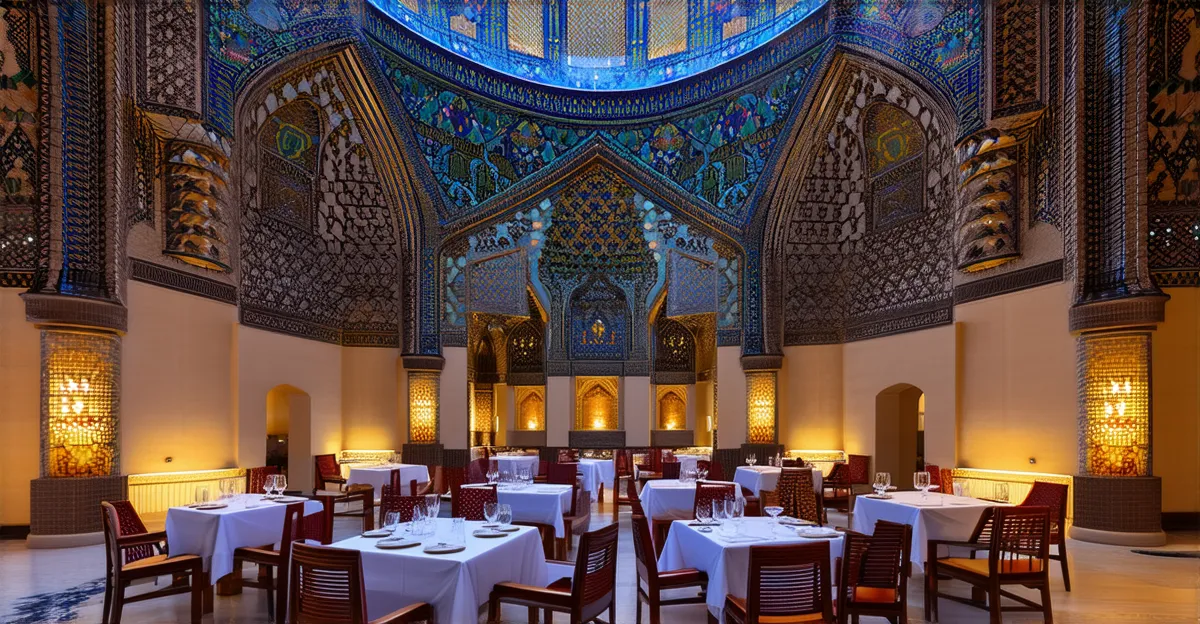
When searching for Samarkand fine dining, several restaurants stand out for their exquisite cuisine and luxurious atmospheres. One of the top spots is Platan, known for its elegant setting and a menu that highlights traditional recipes with a modern twist. Diners can enjoy a sumptuous Plov made with tender lamb and fragrant saffron.
Another fantastic option is Silk Road, featuring an exquisite interior and a flavorful selection of regional dishes. Here, guests can savor Kebabs grilled to perfection, reflecting the rich culinary heritage of Samarkand.
For a more casual yet refined experience, visit Orient Plaza. It offers a delightful blend of authentic dishes and local wines. Additionally, the attentive service ensures that every meal feels special. Lastly, don’t forget to indulge in delightful desserts at Shirin, featuring sweet treats that beautifully complement your dining experience.
8. Traditional Desserts: Sweets Influenced by History
🌟 Local Expert Tip: Get the most out of your Samarkand visit with guided tours!
In Samarkand, desserts offer a glimpse into the rich history and cultural influences of the region. Traditional sweets, such as halva and qorgon, are staples at special occasions and celebrations. Halva, a sweet made from sesame or sunflower seeds, is often enjoyed with tea. It has a delicate texture and is sweetened with honey or sugar.
Another popular dessert is chak-chak, a delightful fried dough dessert drenched in honey syrup. This dish is not only sweet but is also a symbol of hospitality, often served to guests. Additionally, Baklava, layered with nuts and honey, showcases the Middle Eastern influence on Samarkand’s culinary scene.
Pro Tip: Enjoy these desserts with a cup of traditional green tea for a delightful end to your meal.
9. The Cultural Significance of Dining in Samarkand
Dining in Samarkand is not just about the food; it is an integral part of the culture and hospitality of the region. Meals here are often a communal affair, where family and friends gather to share food and stories. This tradition of sharing reflects the deep-rooted values of unity and community.
Moreover, the preparation of dishes like Plov is treated as an art form, passed down through generations. Each recipe comes with its own history and significance, often connected to family gatherings and celebrations. For visitors, partaking in a meal can feel like stepping into the heart of Samarkand’s rich cultural tapestry.
Furthermore, local customs emphasize the importance of hospitality. Guests are treated with utmost respect, and offering food is a sign of generosity. Thus, enjoying traditional dishes in Samarkand is an experience deeply embedded in local customs and societal norms.
10. Seasonal Highlights: What’s Fresh and Local?
In Samarkand, the changing seasons bring exciting opportunities to savor fresh, local ingredients. Each season influences the cuisine, making it vibrant and unique. Spring welcomes an array of herbs and greens, perfect for enhancing dishes and adding freshness. The arrival of fresh vegetables, such as radishes and leafy greens, sets the stage for delightful salads. As the weather warms up, you can enjoy a variety of fruits, especially apricots and cherries, which are celebrated in many local desserts.
During summer, the markets overflow with ripe tomatoes, cucumbers, and peppers, essential for popular dishes like salads and kebabs. The plentiful supply enhances the rich flavors found in Samarkand fine dining establishments. Additionally, the long summer days encourage alfresco dining, allowing visitors to enjoy their meals under the stars.
As autumn arrives, heartier foods take the spotlight. This is the season for savory plov, made with fresh produce and local spices. During this time, traditional meals often feature nuts and dried fruits, adding a touch of sweetness to the savory foundation.
Finally, winter brings a focus on warmth and comfort, with dishes like lagman noodle soup being particularly popular. Each bowl is filled with seasonal vegetables and rich flavors, providing a cozy dining experience.
Pro Tip: Always inquire at local restaurants about the seasonal dishes to enjoy the freshest flavors of Samarkand.
Samarkand fine dining is an exploration of flavors that reflect the city’s rich culinary heritage and vibrant culture. From traditional dishes to innovative culinary experiences, Samarkand invites food lovers to indulge and explore its gastronomic delights. Don’t miss the chance to taste its famous plov, sip on local wines, and enjoy the warmth of its hospitality. Plan your journey today and share your culinary experiences with us!
Frequently Asked Questions
A: Samarkand is famous for its pilov (plov), kebabs, and rich spices that reflect its diverse heritage.
A: Must-try dishes include plov, kebabs, and traditional lagman.
A: Yes, Samarkand hosts several fine dining restaurants offering exquisite local and international dishes.
A: Many restaurants in Samarkand feature traditional folklore music, enhancing the dining atmosphere.
A: Yes, several fine dining establishments offer vegetarian and vegan-friendly dishes.
A: Joining local culinary tours or cooking classes to learn about the ingredients and methods can enhance your experience.