
Samarkand Rice Pilaf: A Culinary Journey
Discover the flavors of Samarkand rice pilaf, a rich blend of spices and local ingredients. Explore the best dining spots and experiences in Samarkand cuisine.
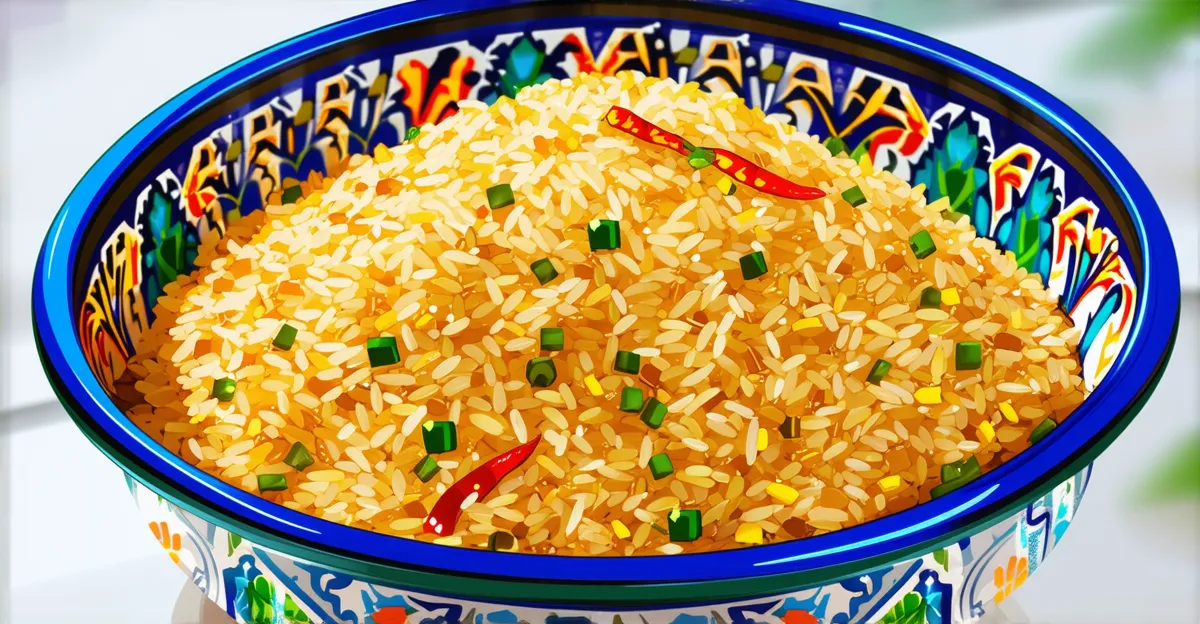
On this page
Samarkand cuisine showcases the rich cultural tapestry of this historic city, famed for its vibrant markets and aromatic dishes. At the heart of its culinary identity lies the legendary Samarkand rice pilaf, a dish that represents the essence of local flavors. This article dives into the world of Samarkand rice pilaf, detailing its history, preparation, unique variations, and the best dining spots to savor this delicacy. A true must-experience for food lovers and travelers alike, exploring this exquisite dish offers a taste of Samarkand’s hospitality and culture.
Key Takeaways
- Samarkand rice pilaf is a cherished dish with deep cultural significance.
- Unique ingredients and preparation methods highlight its local flavors.
- Restaurants and markets in Samarkand offer authentic pilaf experiences.
- Culinary tours provide an immersive journey into Samarkand’s rich food culture.
1. Samarkand Rice Pilaf: The Heart of Local Cuisine
Samarkand rice pilaf, known locally as plov, is not just a dish but a significant part of the cultural identity of Samarkand, Uzbekistan. This delectable rice dish serves as the heart of local cuisine, often made for celebrations, family gatherings, and everyday meals. The aromatic blend of basmati rice, tender meat, and spices creates a flavor that is deeply rooted in the traditions of the region.
What makes Samarkand rice pilaf truly special is its rich taste, achieved through the slow cooking process. The rice absorbs the flavors of the meat and spices, resulting in a dish that is both savory and aromatic. Moreover, plov is typically served on large communal plates, emphasizing the importance of sharing meals and fostering connections among family and friends.
Insider Tip: Always accompany your pilaf with a side of fresh salad or pickles to balance the flavors.
Experiencing Samarkand rice pilaf allows visitors to connect with the local history and culinary practices, making it a must-try while in the city.
2. The History Behind Samarkand Rice Pilaf
The history of Samarkand rice pilaf dates back centuries, showcasing the rich culinary heritage of the Silk Road. This iconic dish was influenced by various cultures and peoples who passed through the region. As a result, each generation has contributed to its evolution, making it a beloved staple in Uzbek culture.
Originally, plov was prepared by nomadic tribes, using natural ingredients that were readily available. Over time, it became a symbol of hospitality and celebration. In historic Samarkand, the dish gained prominence and was served at banquets to honor guests.
Interestingly, the methods of cooking pilaf were passed down through generations, becoming an art of its own. Today, chefs in Samarkand often pride themselves on their unique techniques and secret family recipes, ensuring that every bowl of pilaf reflects the flavors of history.
Did you know? Samarkand rice pilaf has variations that include different types of meat, vegetables, and spices, showcasing the region’s diverse influences.
By enjoying this dish, you are tasting the history of a city that has been a crossroads of cultures for centuries.
3. How to Prepare Authentic Samarkand Rice Pilaf
🌟 Local Expert Tip: Get the most out of your Samarkand visit with guided tours!
Preparing authentic Samarkand rice pilaf, or plov, requires attention to detail and a few key ingredients. To start, you will need high-quality basmati rice, succulent lamb or beef, and aromatic spices such as cumin, coriander, and garlic. The process begins with sautéing the meat in a heavy pot until it is nicely browned.
Next, add chopped onions and cook them until translucent. This step is crucial as it adds depth to the flavor. Then, incorporate grated carrots and give them a quick sauté before mixing in the spices. Afterward, layer the washed rice on top of the meat, ensuring it is evenly distributed.
Finally, pour water over the rice, bringing it to a boil before reducing it to simmer. Cover the pot and allow the rice to cook fully, absorbing all the flavors from the meat and spices. The final product should be fluffy and aromatic—truly a masterpiece of Uzbek cuisine.
Pro Tip: For the best texture, let the rice sit covered for a few minutes off the heat before serving.
Once prepared, serve it on a large dish, garnished with herbs for a beautiful presentation.
4. Unique Variations of Rice Pilaf in Samarkand
🌟 Local Expert Tip: Get the most out of your Samarkand visit with guided tours!
In Samarkand, rice pilaf is more than just a dish; it’s a tradition rich with diverse variations that reflect the region’s cultural influences. One popular version is Osh, a hearty rice pilaf cooked with a mixture of vegetables and seasoned meat. It is not uncommon for this dish to feature rich combinations of lamb or beef, accompanied by carrots and spices, creating a flavorful medley.
Another interesting variation is Pilaf with Dried Fruits, which may include apricots or raisins, combining sweet and savory elements. This dish is often served during special occasions, emphasizing the celebration of flavors.
Did you know? Each family may have its own secret recipe, passed down through generations, making every experience unique when tasting pilaf in Samarkand.
Additionally, you may encounter Rice Pilaf with Fish, showcasing the versatility of this beloved dish. Sampling these unique variations allows you to truly appreciate the culinary heritage of Samarkand.
5. Discovering Local Ingredients in Samarkand Rice Pilaf
The signature flavor of Samarkand rice pilaf comes from its carefully selected local ingredients. The region is known for its high-quality long-grain rice, which absorbs flavors beautifully. When cooked, the grains remain fluffy and separate, creating the perfect texture.
Another key ingredient is the aromatic herbs and spices that elevate the dish. Cumin, coriander, and saffron are commonly used to infuse the pilaf with rich aromas and vibrant colors. Additionally, fresh vegetables such as carrots and onions bring sweetness and depth to the dish.
Pro Tip: Opt for traditional dried fruits like raisins or apricots. They add a delightful sweetness that enhances the flavor profile of the rice pilaf.
Hidden gems like local markets are where you’ll find these essential ingredients. Sourcing ingredients fresh from the market is part of the unique experience that makes Samarkand rice pilaf special.
6. Best Restaurants to Taste Samarkand Rice Pilaf
When in Samarkand, indulging in authentic rice pilaf is a must. One of the finest places to try this local specialty is Plov Center, renowned for its traditional pilaf prepared in the time-honored way. The rich flavors and generous portions make it a favorite among both locals and travelers.
Another great spot is Amir Timur Restaurant, which offers various pilaf options, including the delicious Osh you shouldn’t miss. The ambiance reflects the cultural heritage of the region, enhancing your dining experience.
Remember: Most restaurants serve pilaf as a communal dish, so don’t hesitate to share and enjoy it with friends.
For an authentic and cozy setting, consider visiting Marco Polo, where the chef showcases family recipes, promising a memorable taste of Samarkand rice pilaf that captures the heart of local cuisine.
7. food markets: The Best Place for Pilaf Ingredients
Exploring the vibrant food markets of Samarkand is an adventure in itself, especially for those interested in Samarkand rice pilaf. These markets are teeming with fresh spices, vegetables, and high-quality rice, which are essential for creating this iconic dish. Notably, the Siab Bazaar is one of the most famous markets. Here, you can find aromatic saffron, sweet carrots, and plump raisins, all of which are key components of the best pilaf.
In addition to local ingredients, these markets also showcase the lively atmosphere of Samarkand, with vendors calling out to attract customers. Feel free to haggle and interact with the locals to discover the freshest ingredients.
Pro Tip: Arrive early to enjoy the bustling energy of the market and get the freshest produce!
After shopping, you can take your ingredients to a nearby restaurant where they can help you prepare an authentic dish, or you can try making it yourself with the local culinary techniques.
8. Pairing Samarkand Rice Pilaf with traditional Side Dishes
🌟 Local Expert Tip: Get the most out of your Samarkand visit with guided tours!
When enjoying Samarkand rice pilaf, pairing it with the right side dishes can enhance your dining experience. traditional accompaniments include shashlik, which are skewered and grilled meats, often marinated for extra flavor. Furthermore, a fresh salad, commonly made with tomatoes, cucumbers, and herbs, provides a refreshing balance to the rich flavors of the pilaf.
You might also consider serving a tangy nane (flatbread) to scoop up the rice and meat. Additionally, yogurt sauce, infused with garlic and herbs, can be a wonderful and creamy contrast. Together, these dishes work harmoniously to celebrate the culinary heritage of Samarkand.
Did You Know? The balance of flavors in Uzbek cuisine emphasizes both rich and fresh elements, making every meal well-rounded.
Experimenting with these pairings can elevate your taste experience, as well as give you a deeper understanding of local customs and traditions.
9. Samarkand Rice Pilaf in a Cultural Context
Samarkand rice pilaf is not just a meal; it’s a reflection of the cultural tapestry of Uzbekistan. Historically, this dish has been served on special occasions, symbolizing hospitality and abundance. In many cultures, especially in Central Asia, pilaf signifies health and prosperity, making it a popular dish during festivities and gatherings.
Additionally, the preparation of pilaf often involves communal cooking, where friends and family come together to share in the experience. This practice fortifies social bonds and creates lasting memories centered around food. The way pilaf is presented—often in large, ornate platters—also highlights the cultural significance placed on dining and sharing.
Pro Tip: Participate in community meals during your visit to truly embrace the essence of Samarkand’s culinary culture.
To fully appreciate Samarkand rice pilaf, one must understand its history, significance, and the joy it brings to gatherings and celebrations in the Uzbek culture.
10. Culinary Tours: Experience Samarkand Rice Pilaf Hands-On
One of the best ways to appreciate Samarkand rice pilaf is through immersive culinary tours that offer hands-on experiences. These tours provide an excellent opportunity to learn about the traditional methods of preparing this iconic dish while exploring the rich culture of Samarkand.
Most culinary tours begin at local markets, where you will shop for fresh ingredients such as fragrant spices, plump rice, and tender cuts of meat. After gathering your supplies, you typically head to a local home or cooking school where experienced chefs guide you through the process of cooking authentic Samarkand rice pilaf. Additionally, these sessions are often paired with stories about the history and significance of the dish.
Pro Tip: Engaging with local chefs not only enhances your cooking skills but also deepens your understanding of the cultural context of this beloved dish.
On these culinary adventures, participants might also enjoy tasting variations of the pilaf and even other traditional dishes, which adds to the overall experience. Whether you’re a budding chef or simply passionate about food, participating in a culinary tour can be a memorable way to connect with Samarkand’s vibrant food culture.
Where to book: Look for local operators like Samarkand Culinary Tours or Uzbekistan Food Adventure, who specialize in creating personalized experiences around Samarkand rice pilaf.
Samarkand rice pilaf is more than just a meal; it represents the rich traditions of this historic city. The unique flavors and heartwarming recipes invite everyone to indulge in the culinary essence of Samarkand. Whether you’re visiting for the first time or returning to savor it again, don’t miss out on tasting and exploring the gorgeous flavors of Samarkand rice pilaf. Share your experiences or plan your own trip today!
Frequently Asked Questions
A: Samarkand rice pilaf is renowned for its rich flavor, made with aromatic spices, tender meat, and colorful vegetables.
A: You can find the best pilaf at local eateries like [famous restaurant names], which serve authentic recipes.
A: It is not overwhelmingly spicy; instead, it features warm spices that enhance its flavor without heat.
A: Yes, many places offer vegetarian pilaf options, using vegetables and chickpeas.
A: It is typically served in large platters, with pilaf as the centerpiece and accompanied by side dishes.
A: Yes, authentic cooking classes are available for those interested in mastering the dish.