
Salvador Traditional Dishes: A Culinary Adventure
Discover Salvador traditional dishes! Explore the best local flavors, must-try foods, and dining spots in this guide for culinary enthusiasts.
On this page
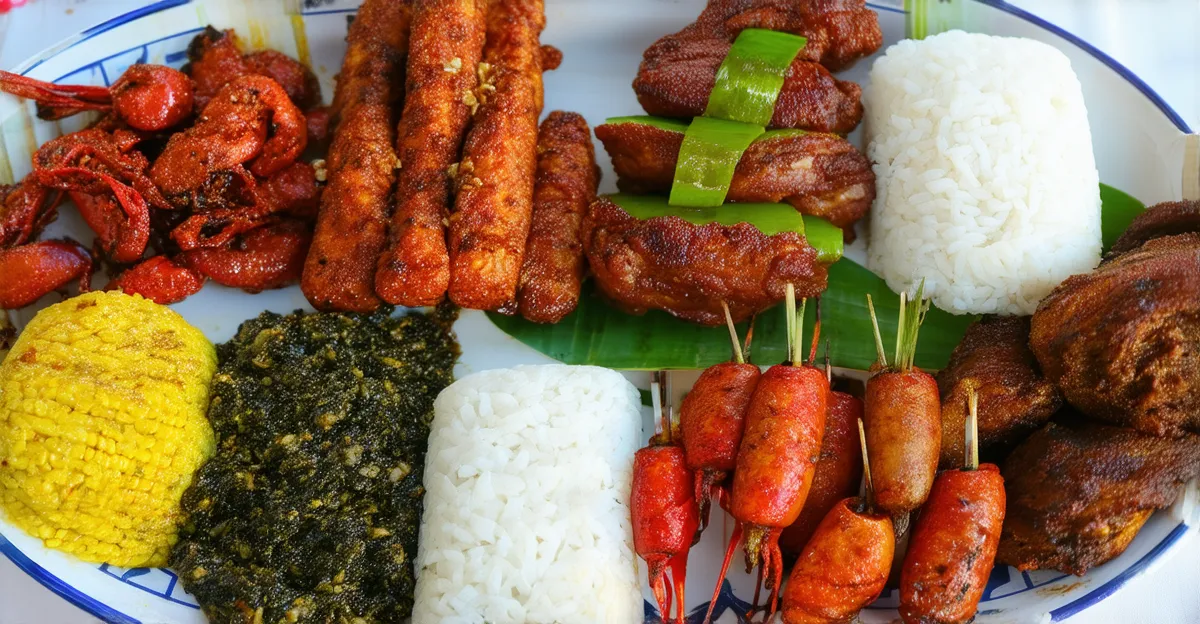
Salvador, the vibrant capital of Bahia, is a cultural melting pot bursting with rich history, music, and, most importantly, incredible food. The cuisine reflects African, Indigenous, and Portuguese influences, creating a unique gastronomic experience. From the spicy heat of hot pepper to the comforting flavors of coconut milk, Salvador traditional dishes are a must-experience for any food lover. In this guide, we delve into the best local specialties, dining spots, and unforgettable culinary experiences that Salvador has to offer, ensuring you savor the essence of Bahian culture.
Key Takeaways
- Salvador traditional dishes reveal a rich diversity of flavors and ingredients.
- Dishes like moqueca and acarajé showcase the unique Bahian cooking methods.
- street food, fine dining, and local markets offer culinary adventures for every budget.
- Exploring local markets and participating in culinary tours are ideal for food enthusiasts.
1. Moqueca: The Essence of Bahian seafood Stew
Moqueca is a beloved Bahian dish that exemplifies the region’s rich culinary traditions. This vibrant seafood stew combines fresh fish, shrimp, and sometimes even octopus, cooked in a mix of coconut milk, palm oil, onions, tomatoes, and peppers. The result is a dish that is both flavorful and aromatic. Moreover, Moqueca can vary by region; the two most famous types are Moqueca Baiana and Moqueca Capixaba. Each offers its unique twist on the classic recipe.
Often served with white rice and farofa, this dish makes for a satisfying and hearty meal. To enhance your experience, consider pairing it with pirao, a fish stew thickened with cassava flour.
Did you know? Moqueca is often cooked in a traditional clay pot, which helps intensify the flavors and keeps the dish warm longer!
Where to eat: For an authentic Moqueca, visit Restaurante Solar do Unhão, which offers a fantastic view of the bay and serves quality Bahian cuisine. Another great spot is Canteiro do Siri, known for its traditional recipes and vibrant atmosphere.
2. Acarajé: The Iconic street food of Salvador
Acarajé is undoubtedly one of the most iconic street foods of Salvador. This delicious treat is made from black-eyed peas that are mashed, formed into balls, and then deep-fried in palm oil until crispy. What makes Acarajé a standout is its filling: it is generously stuffed with shrimp, vatapá, and various seasonings. This delightful explosion of flavors perfectly represents the essence of Salvador traditional dishes.
Traditionally served with a spicy pepper sauce, Acarajé makes for an exciting snack or meal on the go. It is often sold by street vendors, especially during cultural festivals. So make sure to grab one while exploring the city!
Pro Tip: The best Acarajé can often be found at local street markets or food stalls—so don’t hesitate to ask locals for their recommendations!
Where to eat: Local favorites include Bar da Dona Onete and Esquina do Acarajé, both renowned for their authentic flavors and friendly service.
3. Bobó de Camarão: A Shrimp Delight with a Twist
⭐ Recommendation: Don't miss out on amazing San Salvador tours - book now!
Bobó de Camarão is a creamy shrimp dish that showcases the rich culinary heritage of Salvador. This unique dish is made from shrimp cooked in a thick, luscious sauce of cassava puree, coconut milk, and a medley of spices. The texture is smooth, making it an unforgettable experience with each bite. It is often flavored with cilantro, garlic, and onions that heighten its aromatic qualities.
Bobó de Camarão is typically served with rice, creating a wonderful and balanced meal. It is particularly popular during special occasions and gatherings, showcasing the essence of Salvador traditional dishes when families come together.
Did you know? The use of cassava in Brazilian cuisine is deeply rooted in the indigenous culture, making dishes like Bobó de Camarão a blend of heritage flavors.
Where to eat: To savor Bobó de Camarão, check out Rua da Mão, known for its traditional menu, and Restaurante Pyschodélico, where you can enjoy this dish along with other Bahian specialties.
4. Vatapá: A Rich and Creamy Culinary Wonder
Vatapá stands out as one of the most beloved Salvador traditional dishes. This rich and creamy dish features a blend of bread, shrimp, coconut milk, and a mix of spices such as ginger and turmeric. Traditionally served with rice, Vatapá has its roots in Afro-Brazilian cuisine and is often highlighted during festive celebrations. It offers an exquisite taste, combining the flavors of the sea with aromatic herbs and the creaminess of coconut.
Did you know? Vatapá is traditionally prepared using fresh ingredients, ensuring that each bite bursts with authentic Bahian flavors!
When tasting this dish, one can appreciate the layers of texture and richness that make it unique. It’s often enjoyed at family gatherings and social events, showcasing the warmth of Bahian hospitality. To experience authentic Vatapá, visiting local restaurants is a must.
Where to eat: For some of the best Vatapá, head to Restaurante do Senac, where skillfully trained chefs honor traditional methods. Another excellent place is Casa de Tereza, renowned for its authentic Bahian dishes.
5. Farofa: The Perfect Side Dish to Accompany Meals
Farofa is an essential side dish in Bahian cuisine that perfectly complements various main dishes. Made from toasted manioc flour, it adds a delightful crunch to meals. While simple in its ingredients, it can be enriched with items like bacon, onions, or fried eggs, providing a burst of flavor. This versatile dish holds a special place in Salvador traditional dishes and is often served alongside hearty stews.
Pro Tip: A sprinkle of Farofa over your meal enhances both the texture and taste, making it a popular addition to any Bahian feast!
Farofa is not only enjoyed during family meals but is also a staple at celebrations and gatherings. Its preparation varies, with some families adding regional ingredients, making each recipe unique. You’ll find this dish at many local eateries and markets.
Where to eat: For tasty Farofa, don’t miss Restaurante do Mercado Modelo or Acarajé da Cira, where locals flock for authentic flavors!
6. Pato no Tucupi: Traditional Duck Dish with Flavor
Pato no Tucupi is a savory duck dish that highlights the magical flavors of Brazilian cuisine. This dish consists of duck simmered in tucupi, a yellow sauce extracted from the cassava root. The dish is seasoned with herbs, garlic, and the potent spice, jambu, which gives your mouth a delightful tingling sensation. Indeed, it is one of the Salvador traditional dishes that stands out for its complex flavors.
Typically served with rice, Pato no Tucupi offers a warm and comforting meal. The duck absorbs the flavors of the tucupi, making every bite a culinary experience to remember. This dish often features on menus during festive occasions.
Interesting Fact: Pato no Tucupi has Indigenous roots and reflects the harmonious blend of cultures present in Brazilian gastronomy.
Where to eat: To try this unique dish, visit O Bar da Bia or Siri Cascudo, where traditional cooking meets a cozy atmosphere.
7. Quindim: The Decadent Coconut Custard
⭐ Recommendation: Don't miss out on amazing San Salvador tours - book now!
Quindim is a luscious dessert that embodies the sweet flavors of Salvador’s traditional dishes. This delightful treat is a combination of coconut, sugar, egg yolks, and butter, which results in a creamy custard with a sunny yellow color. The unique texture and rich taste make it a favorite among locals and visitors alike.
Typically served in small, round molds, each quindim is topped with a glossy layer that glistens under the light. When you take a bite, you’ll experience the perfect balance of sweetness and a subtle hint of coconut. This dessert is often enjoyed during festivities but can be found in many bakeries throughout the city.
Pro Tip: Pair quindim with a strong Brazilian coffee for an amazing dessert experience!
Where to eat: To savor authentic quindim, be sure to visit Confeitaria Colombo or Casa do Pão de Queijo, both well-known for their rich and flavorful desserts.
8. Cocada: Sweet Coconut Treats to Satisfy Your Cravings
Cocada is a popular Brazilian sweet made predominantly from coconut and sugar, making it a must-try for anyone exploring Salvador’s traditional dishes. Available in various forms, such as soft and chewy or hard and crunchy, cocada is often found at street vendors or local markets. The primary ingredients—fresh coconut, sugar, and sometimes condensed milk—create a rich and delightful treat.
In Salvador, cocada comes in different flavor variations, with some incorporating nuts or chocolate. The versatility of this dessert offers something for every coconut lover. Even more appealing, cocada is typically presented in attractive packaging, making it a great gift to bring home.
Did you know? Cocada is not only delicious, but it’s also a great source of energy due to its coconut content.
Where to eat: For the best cocada, head to Mercado Modelo, where you can find many stalls selling this mouthwatering treat.
9. Bolo de Rolo: The Typical Bahian Cake
Bolo de Rolo is a traditional Brazilian cake that holds a special place in Bahian cuisine. Its distinctive feature is the thin layers of cake rolled with a guava paste filling, creating a beautiful spiral effect when sliced. This cake is not only visually appealing but also offers a delightful combination of flavors that will please your taste buds.
Typically enjoyed during festive occasions or gatherings, bolo de rolo is often paired with coffee or served as a dessert. Its unique preparation method makes it a true testament to the artistry of Bahian cooking. While the primary flavor is guava, some variations may include other fillings like coconut or chocolate.
Pro Tip: To fully appreciate its flavors, try warming the slice slightly before serving!
Where to eat: For a genuine taste of bolo de rolo, visit Panetteria da Mãe or Casa do Bolo de Rolo, where you can enjoy this typical Bahian cake fresh and delicious.
10. Sarapatel: A Hearty and Spicy Offal Dish
⭐ Recommendation: Don't miss out on amazing San Salvador tours - book now!
Sarapatel is a traditional dish that showcases the rich culinary heritage of Salvador. This hearty dish is made primarily from pork offal, particularly liver, heart, and other assorted parts. These ingredients are seasoned with a mix of spices, including garlic, onions, and sometimes even hot peppers, creating a robust flavor profile that is both savory and spicy.
Moreover, the dish is often cooked with tomatoes, vinegar, and occasionally, a dash of wine to enhance its deep flavor. The mix of spices and cooking techniques makes sarapatel a beloved comfort food among locals. Traditionally, it is served with rice, allowing the flavors to meld together beautifully.
Did you know? Sarapatel is especially popular during festive occasions and gatherings, making it a dish laden with cultural significance.
To truly experience authentic sarapatel, visit local markets or restaurants in Salvador, such as Restaurant Casa de Tia Acarajé or Bar do Vovô. These places offer a homely atmosphere where you can savor this spicy dish along with other delicious Salvador traditional dishes.
The culinary charm of Salvador is an integral part of its vibrant identity. From the savory spices of moqueca to the delightful sweetness of quindim, Salvador traditional dishes offer a flavorful journey through Bahia’s culture. Don’t miss the opportunity to explore these authentic flavors during your visit, and share your favorite Salvador dishes with fellow food enthusiasts!
Frequently Asked Questions
A: Salvador is known for its traditional Bahian dishes, particularly moqueca, acarajé, and vatapá, which highlight its rich culinary heritage.
A: Don’t miss out on moqueca, acarajé, bobó de camarão, and quindim!
A: Absolutely! street food such as acarajé and coconut treats are delicious and budget-friendly.
A: Explore local markets, join food tours, and dine at traditional restaurants.
A: Yes, Salvador offers several vegetarian options, including dishes made with vegetables, beans, and coconut.
A: The best acarajé is often found at street stalls, especially in the Pelourinho district.