
Pyongyang Fine Dining: Explore Local Culinary Delights
Discover Pyongyang fine dining! Experience unique local dishes and dining venues in North Korea’s capital, a must for adventurous food lovers.
On this page
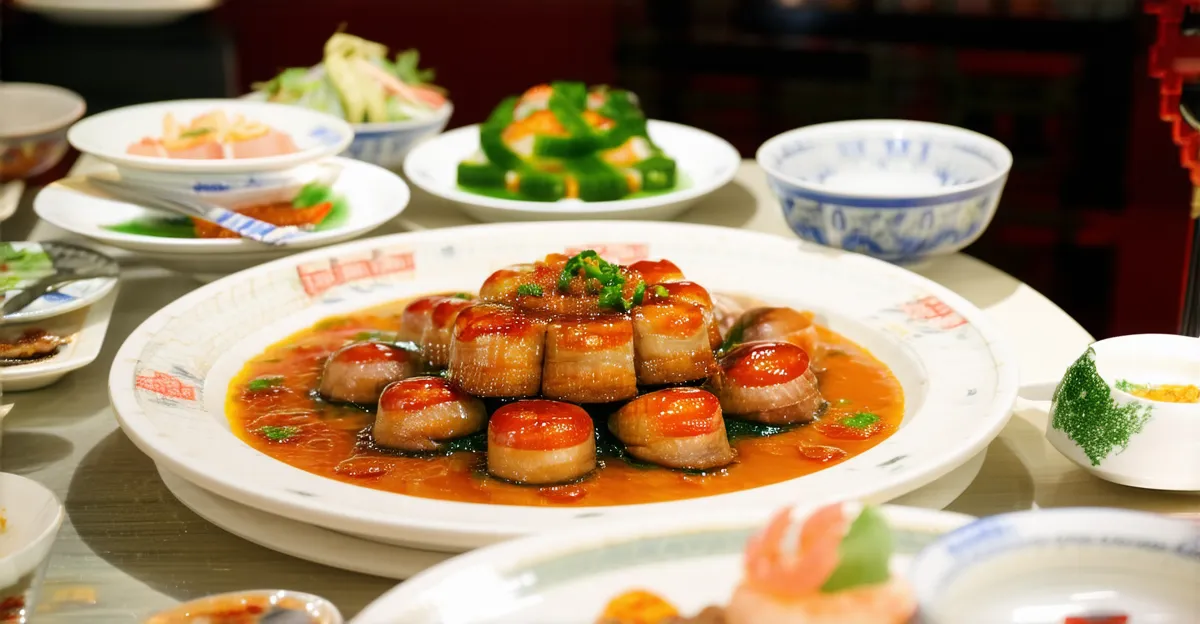
Pyongyang fine dining reflects the unique culture and history of North Korea, offering a rare glimpse into the country’s culinary landscape. With a blend of traditional recipes and modern influences, dining in Pyongyang can be a memorable experience, especially for those eager to explore new flavors. From delicacies like Pyongyang cold noodles to charming restaurants with stunning views, this guide will lead you through the best culinary experiences in the capital.
Key Takeaways
- Pyongyang fine dining offers a glimpse into North Korea’s unique culinary heritage.
- Signature dishes like cold noodles and kimchi showcase local flavors.
- From casual eateries to formal banquets, there’s a variety of dining options.
- Experiencing traditional Korean BBQ is a must for food enthusiasts.
1. Pyongyang Cold Noodles: A traditional Specialty
One of the most renowned dishes in Pyongyang cuisine is the Pyongyang Cold Noodles, also known as naengmyeon. This dish epitomizes the freshness of Korean culinary tradition. Traditionally made from buckwheat and starch, these long, thin noodles are served chilled in a flavorful beef broth. This refreshing dish is typically garnished with sliced cucumbers, boiled eggs, and sometimes, a splash of vinegar for extra zing.
Did you know? Pyongyang Cold Noodles are often enjoyed during summer, providing a cool relief during hot days.
When tasting this dish, be prepared for a delightful textural contrast and an explosion of flavors. Pair it with kimchi or seasoned vegetables to enhance your dining experience. A visit to Pyongyang is incomplete without savoring this traditional specialty, as it reflects the essence of North Korean cuisine.
Where to eat: For an authentic taste of Pyongyang Cold Noodles, stop by Okryu-gwan, a well-known restaurant that specializes in this dish.
2. The Flavors of Kimchi: A Side Dish Staple
Kimchi is more than just a simple side dish; it is a cornerstone of Korean cuisine. This fermented vegetable dish, typically made with Napa cabbage and radishes, is seasoned with a variety of spices, including chili powder and garlic. Kimchi boasts a complex flavor profile that varies from sweet and spicy to tangy and salty, making it a versatile accompaniment to almost any meal.
In Pyongyang, you’ll find a range of kimchi varieties, each bringing unique tastes to your dining experience. Not only does kimchi add flavor, but it is also known for its health benefits due to probiotics and vitamins.
Pro Tip: Always try different varieties of kimchi when dining out to fully experience the diversity of this staple.
Where to eat: For the best kimchi in Pyongyang, visit Jongro Gochujang, where you can also learn about the fermentation process behind this beloved dish.
3. Naengmyeon: Chilled Noodles for the Summer
⭐ Recommendation: Don't miss out on amazing Pyongyang tours - book now!
Naengmyeon, or chilled buckwheat noodles, is a dish that cools off the palate and provides comfort during the hot summer months. Originating from North Korea, these noodles stand out for their delicate texture and are typically served in a tangy ice-cold broth that refreshes and invigorates. Paired with slices of beef and garnishes like kimchi, it offers a harmonious blend of flavors.
The dish is also customizable, often enjoying toppings such as sliced pear or cucumber, providing a sweet and crunchy contrast. It’s common to enjoy naengmyeon as part of a larger meal, showcasing the communal nature of dining in Pyongyang.
Did you know? Naengmyeon is often enjoyed during special occasions, bringing families and friends together.
Where to eat: For a delectable serving of naengmyeon, check out Pyongyang Naengmyeon Restaurant, renowned for its traditional recipe and inviting atmosphere.
4. Korean BBQ: Grilling in Pyongyang
Korean BBQ is one of the most popular dining experiences in Pyongyang. Here, friends and families gather around a grill to prepare their meals together, creating an interactive dining atmosphere. The most common meats include marinated beef, pork belly, and chicken, all seasoned with delicious spices and marinades. It’s a truly communal experience where everyone participates in the cooking.
While grilling, diners often enjoy side dishes called banchan, which feature everything from pickled vegetables to spicy sauces. Moreover, diners typically wrap grilled meat in lettuce leaves with garlic and sauces, creating flavorful bites. This adds an extra layer of texture and taste.
Did you know? The experience of Korean BBQ in Pyongyang is not just about the food; it’s also about the social interactions that it fosters among diners.
Where to eat: To enjoy an authentic Korean BBQ experience in Pyongyang, consider visiting Taedonggang Seafood Restaurant. Another excellent choice is Chosun Korean Restaurant, known for its bustling atmosphere and mouth-watering grilled meats.
5. Traditional Rice Dishes: Exploring Banchan
⭐ Recommendation: Don't miss out on amazing Pyongyang tours - book now!
Rice is a staple in Pyongyang’s fine dining scene, often served as the centerpiece of meals. One of the highlights is the traditional dish called bibimbap, which features a mix of rice, vegetables, marinated meat, and a fried egg, all topped with gochujang or spicy pepper paste. This dish is not only delicious but also visually appealing.
In addition to the main rice dishes, banchan, or side dishes, play an essential role. These small plates include various pickled vegetables, seafood, and tofu, complementing the main meal with diverse flavors. They allow diners to experience a range of tastes in one sitting.
Pro Tip: Always start with the banchan. It’s a great way to experience the variety of traditional dishes available.
Where to eat: For a genuine experience, try the Pyongyang Restaurant, where you can sample a wide range of rice dishes and banchan. Another popular choice is Kaesong Restaurant, which showcases traditional North Korean cuisine.
6. Seafood Delicacies: Savoring Fresh Flavors
Seafood is an integral part of the culinary landscape in Pyongyang. Diners can enjoy fresh catches from the nearby waters, making it a treat for seafood lovers. Some of the most popular dishes include grilled fish, octopus, and various shellfish, all prepared with traditional marinades and sauces that enhance their natural flavors.
One exciting aspect of seafood dining in Pyongyang is that many restaurants offer live seafood, allowing guests to select their meals. This guarantees freshness and a unique dining experience. It’s also common to find seafood served alongside bowls of rice and various side dishes.
Did you know? Seafood dishes are often enjoyed during celebrations, highlighting their importance in North Korean culinary customs.
Where to eat: For seafood lovers, the Seafood Restaurant Rodongja is a must-visit, renowned for its fresh and expertly prepared dishes. Additionally, Chollima Restaurant offers a fantastic selection of seafood dishes, promising an unforgettable dining experience.
7. The Art of Celebrating with Pyongyang’s Banquets
In Pyongyang, celebrating with banquets is a significant cultural tradition that showcases the richness of Pyongyang fine dining. These lavish gatherings often feature a variety of traditional dishes that symbolize hospitality and community. Banquets are typically hosted during special occasions such as national holidays, weddings, or anniversaries. Guests are treated to an array of meticulously prepared meals, beautifully arranged to highlight their aesthetic appeal.
The layout of a banquet table is equally important. Each dish is presented with care, emphasizing color and presentation. Popular dishes include court cuisine, which features delicacies like steamed dumplings and seasoned vegetables, served alongside a selection of rich meats. Additionally, fresh fruits and traditional desserts often crown the meal, providing a sweet finish.
Pro Tip: To truly appreciate these banquets, try to sample each dish and pay attention to the unique flavors and presentations.
Where to experience this culinary feast: Okryu Garden is known for its exceptional banquets, while Changgwang Sogong Restaurant offers a vast selection of traditional dishes that make every celebration memorable.
8. Local Desserts: Sweet Treats of Pyongyang
When it comes to Pyongyang fine dining, desserts are a delightful highlight that shouldn’t be overlooked. Traditional sweet treats often include patbingsu, a shaved ice dessert topped with sweet red bean paste and various fruits. Another beloved dessert is songpyeon, chewy rice cakes filled with sweetened sesame or chestnut paste and shaped like half-moons.
Additionally, honey cakes are commonly served during special occasions, boasting a rich, sweet flavor that pairs beautifully with tea. These desserts reflect the region’s agricultural heritage and the importance of natural ingredients.
Did you know? Most desserts in Pyongyang emphasize a balance of sweetness and texture, making them a perfect end to any meal.
For a taste of these sweets, visit Pyongyang Children’s Camp or Ryanggang Restaurant, both known for their exquisite selection of local desserts.
9. Drinks to Pair: Traditional Korean Beverages
⭐ Recommendation: Don't miss out on amazing Pyongyang tours - book now!
No meal in Pyongyang is complete without traditional Korean beverages. When exploring Pyongyang fine dining, consider pairing your dish with soju, a popular distilled spirit known for its smooth flavor. This versatile drink complements both hearty and lighter dishes, making it a perfect choice for any banquet or meal.
Additionally, makgeolli, a milky rice wine, offers a unique, slightly sweet taste that pairs well with Korean BBQ. It is commonly enjoyed in social settings, enhancing the communal aspect of dining.
Pro Tip: If you prefer non-alcoholic beverages, try barley tea or traditional Korean herbal teas, which provide a refreshing end to your meal.
For the best drink experiences, visit Taedonggang Brewery for local beers or Pohang Traditional Tea House for an array of soothing herbal teas.
10. Dining Etiquette: Understanding Fine Dining Norms in Pyongyang
When it comes to Pyongyang fine dining, understanding the local etiquette is essential for a respectful and enjoyable experience. Dining in Pyongyang is often formal, and certain customs reflect the culture’s deep-rooted traditions. First, it is customary to wait for the host to begin the meal, which is a sign of respect and politeness.
Moreover, you should be mindful of your chopstick usage. Never stick chopsticks upright in rice, as this resembles funeral practices. Instead, rest them on the side of your bowl when not in use. Additionally, it’s common to pour drinks for others at the table before filling your own glass. This reflects a sense of care and community.
Pro Tip: If you are invited to a local home, bringing a small gift, like fruit or sweets, is appreciated and shows gratitude.
Furthermore, be sure to engage in conversation, as it promotes a warm atmosphere, but avoid discussing sensitive topics. Lastly, once the meal has concluded, thanking your host or the restaurant staff is highly encouraged to express appreciation for their hospitality.
Exploring Pyongyang fine dining unveils a world of intricate flavors and cultural significance. From traditional dishes that have stood the test of time to modern interpretations, food enthusiasts will find a delightful experience in every meal. Ready to embark on a culinary journey through Pyongyang? Join us in sharing your favorite dishes or plan your dining adventure today!
Frequently Asked Questions
A: Cold noodles, kimchi, and Korean BBQ are essential dishes to try.
A: Yes, there are several reputable fine dining venues in the city.
A: Yes, restaurants in Pyongyang are monitored and adhere to safety standards.
A: While limited, some restaurants do offer vegetarian-friendly options.
A: Politeness and respect are crucial; do not leave food uneaten.
A: Photography may be restricted in some places; ask for permission first.