
Pyongyang Cuisine: Discover Unique Local Dishes
Explore Pyongyang cuisine! Delve into traditional flavors, must-try dishes, and dining spots in the capital of North Korea with our guide.
On this page
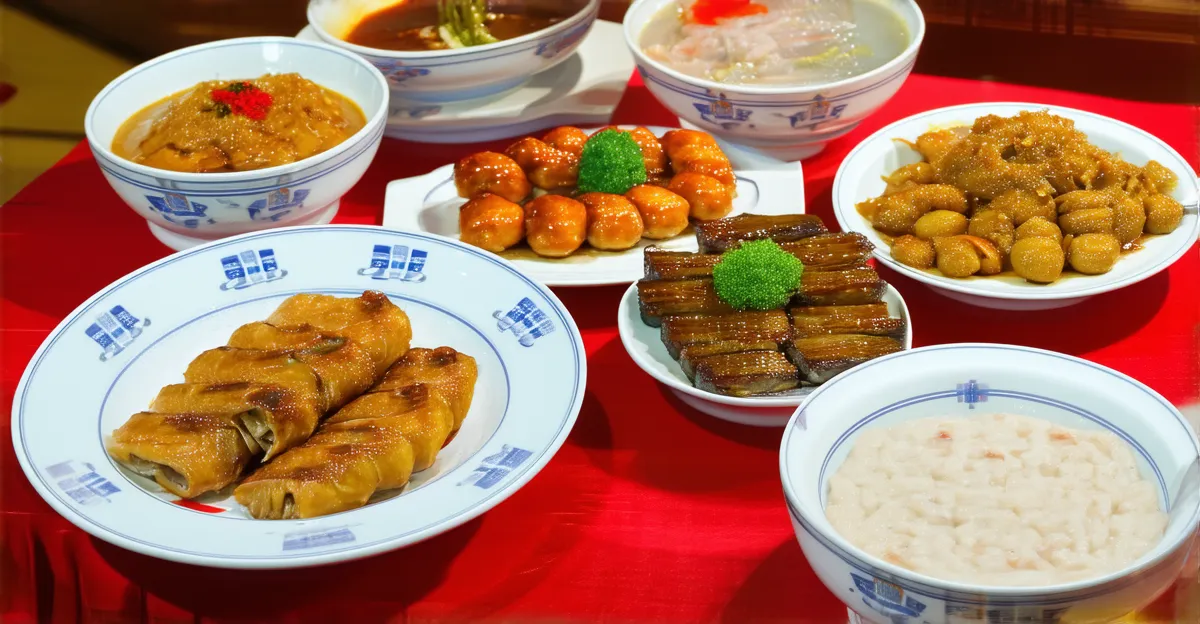
Pyongyang cuisine offers a fascinating glimpse into the rich culinary culture of North Korea’s capital. Known for its unique blends of flavors and traditional methods, this cuisine reflects the country’s history and cultural significance. From savory kimchi to flavorful cold noodles and local specialties, Pyongyang is a destination for adventurous food lovers. In this guide, we will explore the best dining experiences and signature dishes that showcase the essence of Pyongyang cuisine.
Key Takeaways
- Pyongyang cuisine features a mix of unique flavors and traditional cooking techniques.
- Signature dishes like cold noodles and ginseng chicken soup highlight local culinary practices.
- Dining experiences range from street vendors to formal restaurants, showcasing diverse aspects of the cuisine.
- Understanding the cultural context of dishes enhances the culinary experience in Pyongyang.
1. Cold Noodles: A Staple in Pyongyang Cuisine
Cold noodles, known as naengmyeon, are a beloved dish in Pyongyang cuisine. This refreshing meal features long, thin noodles made from buckwheat or sweet potato starch. Typically served chilled, cold noodles come with a rich broth made from beef or chicken, garnished with slices of cucumber, pear, and boiled egg. The cold temperature makes it a perfect dish, especially during the hot summer months.
Moreover, the simple yet delightful flavors are enhanced by a dressing of soy sauce and vinegar. Many locals enjoy adding gochujang, a red chili paste, to give their noodles an extra kick. This combination creates a harmony of sweet, savory, and tangy flavors that is simply irresistible!
Pro Tip: Don’t forget to mix your noodles well before eating to coat them with all the delicious flavors!
Where to eat: To sample authentic cold noodles, visit Okryu-gwan, a famous restaurant known for its traditional recipes and vibrant atmosphere.
2. Pyongyang Kimchi: A Local Fermentation Craft
Kimchi is an essential part of Pyongyang cuisine, showcasing the region’s unique approach to fermentation. Unlike other types of kimchi, Pyongyang kimchi is known for its distinct taste, often featuring fewer spices and a milder flavor profile. It typically includes ingredients like Napa cabbage, radishes, and various seasonings, allowing the natural flavors to shine.
The fermentation process is crucial, as it develops the dish’s beneficial probiotics. Kimchi can be enjoyed on its own or as a side dish with various meals, adding depth to the dining experience. It’s also common to see kimchi used in other traditional dishes, enhancing their flavor.
Did you know? Pyongyang kimchi is often made in large batches to last through the winter months, reflecting the local culinary traditions!
Where to eat: For a taste of traditional kimchi, try Chongryu Restaurant, where they serve homemade variations that highlight the wholesome flavors of this local staple.
3. Ginseng Chicken Soup: A Nourishing Delicacy
⭐ Recommendation: Don't miss out on amazing Pyongyang tours - book now!
Ginseng chicken soup, or samgyetang, is a traditional dish cherished in Pyongyang cuisine. This nourishing soup consists of a whole young chicken, stuffed with glutinous rice, ginseng roots, and various herbs. It’s slow-cooked to tender perfection, allowing the rich flavors to meld together beautifully.
Not only is ginseng regarded as a health booster, but the soup is also known for its comforting qualities, making it a popular choice during cold seasons. The fragrant broth is both rejuvenating and satisfying, enriching the palate with its unique taste.
Pro Tip: To enhance the flavors, you can add garlic and sesame oil before serving!
Where to eat: For an authentic bowl of ginseng chicken soup, visit Pyongyang Myeonok, celebrated for its focus on traditional preparation methods and fresh ingredients.
4. BBQ in Pyongyang: Grilled Meat at Its Finest
Barbecue in Pyongyang is not just a meal; it’s an experience! The local BBQ focuses on grilling marinated meats over an open flame. Often, pork and beef are the stars of the show, marinated in a mix of soy sauce, sesame oil, and garlic, providing a rich flavor with each bite. Furthermore, locals often enjoy these grilled delicacies with a side of Kimchi and rice, which complement the smokiness of the meat.
Pro Tip: Try the samgyeopsal, a grilled pork belly, for a truly authentic taste of Pyongyang BBQ.
A popular way to enjoy BBQ is at local eateries where you can grill the meat at your table. This not only allows for freshness but also adds a social aspect to dining. Be sure to pair your BBQ with local dipping sauces, which enhance the overall flavor profile. To truly savor the local culinary traditions, experience this affectionate approach to grilling.
Where to eat: For a delightful barbecue experience, visit Pyongyang’s Changgwang Restaurant, known for its warm atmosphere and delicious grilled offerings. Another gem is Hanchon Pyeongyang Noodles, famous for its BBQ and accompanying dishes.
5. Dumplings: Steamed and Fried Varieties
⭐ Recommendation: Don't miss out on amazing Pyongyang tours - book now!
Dumplings are a significant part of Pyongyang cuisine, with both steamed and fried varieties available. These little pockets of flavor can be filled with various ingredients, including pork, chicken, or vegetables. The dough is made fresh, which gives the dumplings a soft and chewy texture. Steamed dumplings, known as mandu, are typically served with a light soy-based dipping sauce.
On the other hand, fried dumplings have a crispy outer layer that contrasts nicely with the tender filling inside. They are often enjoyed as a snack or starter before a meal. Whether you prefer them steamed or fried, dumplings are a must-try when you visit Pyongyang.
Did you know? Many families in Pyongyang prepare dumplings together during holidays, showcasing the dish’s cultural importance.
Where to eat: For exceptional dumplings, head to Okryu-gwan, a popular restaurant famous for its dumpling dishes. Another great choice is Pyongyang Myeonok, which serves both steamed and fried dumplings with excellent flavor.
6. Pyongyang Style Bibimbap: Colorful Bowl of Goodness
Pyongyang Style Bibimbap is a colorful and vibrant dish that beautifully represents the essence of Pyongyang cuisine. This dish typically consists of a mix of rice topped with seasoned vegetables, marinated meats, and a fried egg. The array of colors—greens, reds, and yellows—makes it not just a treat for the palate, but also for the eyes!
What sets this bibimbap apart is the flavor that each ingredient brings. The vegetables are usually sautéed with sesame oil, adding a nutty taste that complements the meat. A generous drizzle of gochujang (Korean chili paste) creates a spicy kick when mixed in. The combination creates a harmony of flavors and textures, making each mouthful delightful.
Pro Tip: Mix everything together right before eating to ensure all the flavors blend beautifully!
Where to eat: To savor authentic Pyongyang Style Bibimbap, visit Gwangjang Gukbap, known for its delicious offerings. Pyongyang Onul Restaurant also provides a great ambiance to enjoy this traditional dish.
7. Traditional Rice Cakes: Sweet and Savory Options
In Pyongyang, traditional rice cakes—known locally as tteok—hold a significant place in both everyday meals and festive celebrations. These rice cakes come in a variety of flavors and textures, showcasing the versatility of Korean cuisine. Commonly made from glutinous rice, they can be found in both sweet and savory forms.
Sweet options often include fillings of red bean paste or a sprinkle of sesame seeds, providing a deliciously rich taste. In contrast, the savory varieties may be mixed with vegetables or meats, offering a more hearty experience. Songpyeon, which is made during the Chuseok holiday, is a must-try, as it is shaped like a half-moon and filled with sweetened ingredients.
Did you know? Traditional rice cakes are often served during ceremonies and special occasions, symbolizing good fortune and prosperity.
Where to try: For authentic rice cakes, consider visiting Pyongyang Daejin Restaurant or Okryu Restaurant, where you can indulge in various traditional delicacies, including these delightful rice cakes.
8. Sunaetang: Pyongyang’s Unique Seafood Soup
Sunaetang is a signature seafood soup that is emblematic of Pyongyang cuisine. This dish is made with fresh fish and a variety of seafood, which contribute to its rich and invigorating flavor. The soup is often made with local freshwater fish, ensuring that diners experience an authentic taste of the region.
Furthermore, Sunaetang is typically flavored with a blend of spices, garlic, and ginger, creating a warming and comforting meal, especially during the colder months. Diners often enjoy it with a side of rice or traditional kimchi to balance the meal.
Pro Tip: Sunaetang is particularly appreciated for its health benefits, as it is believed to boost energy and enhance digestion.
Where to eat: For the best Sunaetang in Pyongyang, head to Jong Il Restaurant or Hanamagu Restaurant where the seafood is always fresh and the ambiance reflects traditional North Korean hospitality.
9. Local Drinks: An Overview of Pyongyang Beverages
⭐ Recommendation: Don't miss out on amazing Pyongyang tours - book now!
When exploring Pyongyang cuisine, one cannot overlook the unique local drinks that complement the delicious meals. The most famous beverage is Soju, a traditional Korean distilled spirit that is often enjoyed neat or in cocktails. In Pyongyang, you may find local variations of Soju made from rice or fruits.
Additionally, Makgeolli, a milky rice wine, offers a slightly sweet and tangy flavor and goes well with savory dishes. For non-alcoholic options, barley tea (bori-cha) is a refreshing choice and is commonly served with meals. Locals also enjoy fruit juices made from seasonal fruits, adding a touch of freshness.
Interesting Fact: While Soju and Makgeolli are popular, tea drinking is also a common practice in Pyongyang, often serving as a social activity.
Where to drink: For great Soju and Makgeolli selections, visit Koryo Restaurant or try Pyongyang Beer Factory to enjoy locally brewed beers along with traditional dishes.
10. Best Restaurants to Experience Pyongyang Cuisine
Exploring Pyongyang cuisines is an unforgettable experience that combines traditional flavors with unique local ingredients. To truly appreciate the culinary diversity of the city, visiting local restaurants is essential. One of the most famous spots is Okryu-Gwano, renowned for its exceptional cold noodles (naengmyeon). This restaurant not only serves delicious food but also offers a view of the Taedong River, enhancing your dining experience.
Another recommended place is Pyongyang Naengmyeon Restaurant, dedicated solely to the famous cold noodles, where you can taste various preparations. For those craving authentic grilled flavors, Chongryu Restaurant is a must-visit, as it serves some of the best BBQ dishes in the region.
Pro Tip: Don’t miss visiting local eateries, as street food and small restaurants often provide authentic takes on traditional dishes.
If you’re looking for a cozy spot to enjoy comforting stews, Seongyojang Restaurant is perfect for trying Ginseng Chicken Soup. Lastly, for an all-in-one dining experience, Dongdaemun Restaurant offers a variety of traditional North Korean dishes including dumplings and bibimbap, making it a great choice for anyone wanting to sample a bit of everything.
Exploring Pyongyang cuisine opens a window to the remarkable flavors and traditions of North Korea. Whether you are savoring the local cold noodles or dining on ginseng chicken soup, each dish tells a story of its rich heritage. Plan your culinary journey in Pyongyang and don’t forget to share your experiences or favorite dishes with fellow food enthusiasts!
Frequently Asked Questions
A: Pyongyang cuisine is known for its cold noodles, kimchi, and hearty traditional dishes that reflect North Korean culture.
A: Must-try dishes include cold noodles, ginseng chicken soup, and Pyongyang-style bibimbap.
A: Yes, street food is available, with vendors offering a variety of snacks and local specialties.
A: Traditional drinks include ginseng tea, local beers, and various herbal infusions.
A: Top dining spots include the Kaesong Restaurant and Pyongyang Duck BBQ Restaurant for authentic experiences.
A: Vegetarian options are limited; however, some dishes such as vegetable dumplings and bibimbap are available.