
Pokhara Cuisines: Taste the Flavors of Nepal
Discover Pokhara cuisines! Explore traditional Nepali dishes, local flavors, and top dining spots in this guide for food lovers visiting Nepal.
On this page
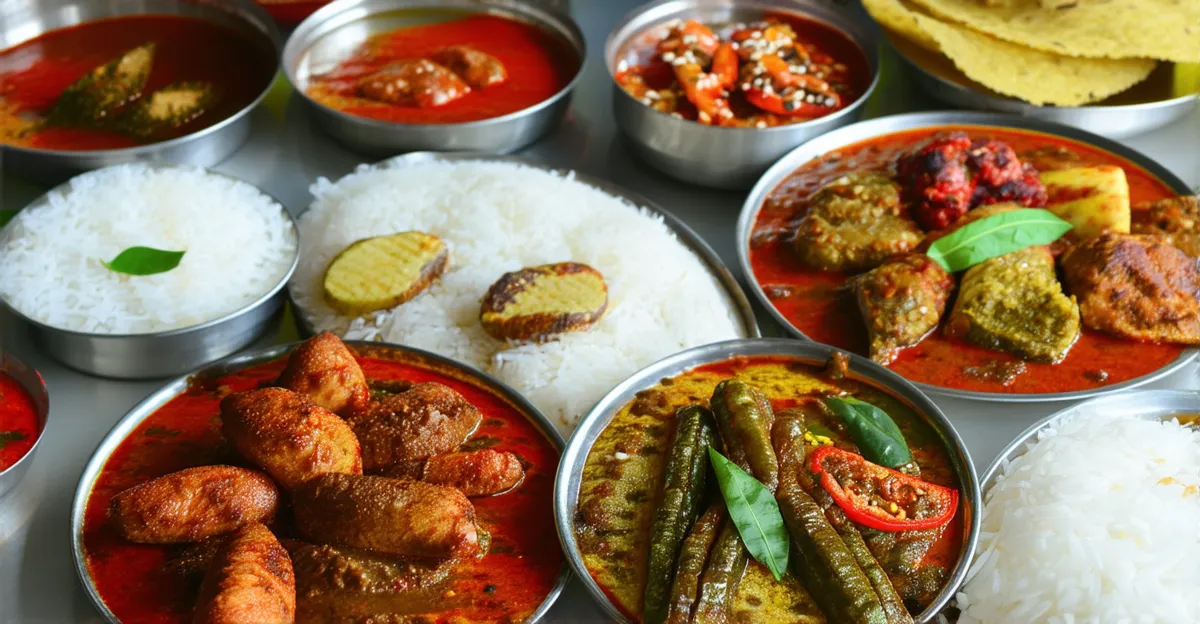
Pokhara cuisines offer a delightful experience that combines the vibrant flavors of Nepal’s diverse culture. Nestled by the serene Phewa Lake and surrounded by stunning mountains, Pokhara is a haven for food enthusiasts looking to indulge in authentic Nepali meals. From hearty dal bhat to mouthwatering momos, this city showcases a variety of local dishes and food experiences that reflect its rich heritage. Join us as we explore the best dining spots and culinary delights Pokhara has to offer, making it a must-visit destination for food lovers.
Key Takeaways
- Pokhara cuisines showcase a rich variety of traditional Nepali flavors.
- Signature dishes like dal bhat and momos highlight the city’s culinary heritage.
- Pokhara offers amazing dining experiences, from local eateries to upscale restaurants.
- Participate in food tours to explore the best of Pokhara’s culinary scene.
1. Dal Bhat: The Heart of Nepali Cuisine
Dal Bhat is more than just a meal; it is the very essence of Pokhara cuisines and a staple in many Nepali households. This traditional dish consists of steamed rice (bhat) served with lentil soup (dal) and an assortment of accompaniments like vegetable curries, pickles, and sometimes meat. The beauty of Dal Bhat lies in its simplicity and the combination of flavors. Eating it is not just a feast for the stomach; it’s an experience that connects you to Nepali culture.
Furthermore, this dish is often a communal experience. Families gather around the table and enjoy Dal Bhat together, highlighting the importance of sharing in Nepali culture. Locals say, “You haven’t truly tasted Nepali cuisine until you’ve had Dal Bhat.”
Tip: For an authentic experience, savor your Dal Bhat with a side of gundruk (fermented greens) and achar (spicy dips).
Where to eat: For the best Dal Bhat in Pokhara, try Moondance Restaurant, known for its generous portions and local flavors. Another excellent spot is Café Coffee Day, which offers a lovely ambiance and traditional meals.
2. Momos: Tasty Steamed Dumplings of Pokhara
Momos are undoubtedly a beloved snack in Pokhara, adored by locals and tourists alike. These delightful steamed dumplings can be filled with a variety of ingredients, such as minced meat, vegetables, or cheese. They are often served with a spicy dipping sauce known as achar, which elevates the flavor experience. The delicate texture of the dough combined with the savory filling makes momos a must-try in Pokhara cuisines.
Moreover, they can be found at numerous street stalls, making them a convenient and tasty option for a quick meal. The popularity of momos has led to many creative variations, including fried or even stuffed with local herbs and spices.
Did you know? The best momos are often handmade and come with a secret family recipe!
Where to eat: Visit Fresh Elements to savor fluffy chicken momos or Yin Yang Restaurant for excellent vegetarian options. Both places offer a cozy environment to enjoy these delicious dumplings.
3. Newari Cuisine: A Unique Taste of Tradition
⭐ Recommendation: Don't miss out on amazing Pokhara tours - book now!
Newari cuisine is an essential part of Pokhara’s culinary landscape, showcasing traditional flavors and techniques. This cuisine originates from the Newar community in the Kathmandu Valley but has gained popularity throughout Nepal, including Pokhara. Some common dishes include bhaisi chorba (buff soup), yomari (sweet dumplings), and bara (fried lentil patties). The complexity of spices used in Newari dishes reflects a rich heritage that dates back centuries.
In addition, Newari celebrations often feature a grand feast that showcases this unique cuisine, making it a central aspect of cultural rituals. Exploring Newari cuisine is a fantastic way to understand Nepal’s diverse food culture.
Pro Tip: Don’t miss the chance to try kwati—a delicious mixed bean soup that is often served during festivals.
Where to eat: Head over to Newari Kitchen for an authentic Newari meal. Alternatively, Mitho Newari Kitchen offers a delightful array of traditional dishes, perfect for food enthusiasts.
4. Thukpa: Hearty Noodle Soup in Pokhara
Thukpa is a beloved dish in Pokhara, celebrated for its warmth and heartiness. This noodle soup is a perfect blend of local flavors, featuring thick, chewy noodles served in a flavorful broth. Traditionally, Thukpa is made with meat or vegetables, along with a variety of spices that give it a satisfying kick. It’s an ideal dish to enjoy after a day of trekking or exploring the stunning landscapes of Pokhara.
The ingredients of Thukpa may vary, but each version offers a comforting and delicious experience. You can expect to find ingredients like fresh vegetables, chilies, and perhaps even some herbs floating atop the broth. Moreover, Thukpa is not just about sustenance; it represents the essence of warmth and community in Nepali culture.
Pro Tip: Don’t forget to try adding a dash of lemon or chili sauce to enhance the flavors!
Where to eat: For the best Thukpa in Pokhara, head to Yangshuo Restaurant or Thakali Kitchen. Both places serve rich, authentic bowls of this comforting noodle soup.
5. Sel Roti: Traditional Nepali Rice Doughnut
⭐ Recommendation: Don't miss out on amazing Pokhara tours - book now!
Sel Roti is a traditional Nepali sweet that holds a special place in the hearts of many locals. This rice doughnut is often enjoyed during festivals and special occasions. It is made from a fermented mixture of rice flour and sugar, which gives it a unique flavor and texture. The dough is deep-fried until golden brown, resulting in a crispy outer layer while remaining soft and chewy on the inside.
Sel Roti is typically served warm and can be enjoyed plain or with various accompaniments such as chai or curries. Its delightful sweetness makes it a popular breakfast item or snack throughout the day. Notably, the cultural significance of Sel Roti in Nepali traditions adds to its charm, as it often represents hospitality and celebration.
Did you know? Sel Roti is a must-try during Dashain and Tihar, two of Nepal’s biggest festivals!
Where to eat: You can find this delicious treat at Shree Krishna Sweets or street vendors around the Tal Barahi Temple area.
6. Samosas: Delicious Fried Pastries from Pokhara
Samosas are a staple snack that visitors must try when in Pokhara. These golden, crispy pastries are filled with a savory mixture of spiced potatoes, peas, and sometimes meat. The shells are made from flour and are deep-fried until they achieve a perfect crunch. They are often served with tangy tamarind or mint chutneys, enhancing their delicious flavor.
The popularity of samosas stems from their versatility; they can be found at street stalls, cafes, and restaurants across Pokhara. Eating a samosa while walking along the lake or exploring local markets is a delightful way to experience Sid the city. Furthermore, they make for an excellent appetizer or snack for groups.
Pro Tip: Pair your samosas with a refreshing drink like lassi for the perfect snack experience.
Where to eat: For the best samosas in Pokhara, try Everest Bakery Café or indulge at a local street vendor for an authentic experience.
7. Gundruk: Fermented Greens of Nepal
Gundruk is a cherished part of Pokhara cuisines, made from fermenting leafy greens, typically mustard or radish leaves. This traditional dish is not only packed with flavor but also rich in nutrients, making it a favorite among locals. The fermentation process gives Gundruk a unique sour taste, which can elevate various dishes when used as a condiment or a side.
For the perfect taste, Gundruk is often cooked with spices and paired with rice or as a filling for various curries. Many families in Pokhara prepare Gundruk at home, especially during the winter months when fresh greens are not available. In a country where preserving food for longer durations is essential, this dish holds great cultural importance.
Pro Tip: Try Gundruk combined with Dal Bhat for an authentic Nepali experience.
Where to eat: To savor authentic Gundruk, visit Kitchen Hut or Newa Momo Restaurant, both offering local culinary delights.
8. Dhido: The Authentic Nepali Staple
Dhido is often regarded as the healthier alternative to rice and is a significant staple in Pokhara cuisines. Made from whole wheat flour or buckwheat flour, it’s cooked into a dense, sticky consistency. Unlike rice, which is commonplace, Dhido is gradually gaining more attention, thanks to its nutritious aspects and gluten-free nature.
This dish is usually served with a variety of side dishes, like lentils, vegetable curries, and sometimes meat. Moreover, it has a delightful ability to soak up flavors, making each bite thoroughly satisfying. Dhido is particularly popular during festivals and gatherings, showcasing the communal aspect of Nepali eating traditions.
Did you know? Dhido can be enjoyed with Gundruk for a complete traditional meal!
Where to eat: For an authentic Dhido experience, head to Mandala Restaurant, which specializes in rural Nepali cuisines.
9. Aloo Tama: A Unique Bamboo Shoot and Potato Curry
⭐ Recommendation: Don't miss out on amazing Pokhara tours - book now!
Aloo Tama is a distinctive dish that reflects the essence of Pokhara cuisines. This curry combines potatoes with bamboo shoots, offering a delightful mix of flavors and textures. The bamboo shoots bring a crunchy quality, complementing the softness of the potatoes, making each mouthful an adventure.
This dish is typically prepared with spices like turmeric, ginger, and sometimes meat, adding depth to its flavor. Aloo Tama is not only popular for its taste but also for its health benefits, as bamboo shoots are a good source of nutrients. It’s a dish often served with rice, making it a fulfilling and comforting choice.
Pro Tip: Don’t forget to ask for a spicy achar (sauce) to elevate the flavors of your Aloo Tama!
Where to eat: You can find the best Aloo Tama at Himalayan Java Coffee and Ghar-E-Himal Restaurant, where traditional flavors thrive.
10. Traditional Nepali Desserts: A Taste of Sweetness
When it comes to Pokhara cuisines, desserts play a significant role in rounding off a delightful meal. Traditional Nepali desserts are often made with simple ingredients but possess unique flavors that make them special. One of the most popular options is Gulab Jamun, deep-fried dough balls soaked in sugar syrup, which are sweet and chewy.
Another favorite is Kheer, a rice pudding made with milk, sugar, and various flavors like cardamom or nuts. This creamy dessert is a staple during festivals and celebrations. Moreover, Yomari, a steamed dumpling filled with a sweet mixture of coconut and jaggery, highlights the creativity of Nepali sweets.
Pro Tip: Many local eateries in Pokhara serve these desserts fresh, allowing you to enjoy their authentic flavors, best enjoyed after a savory meal!
For those with a love for dairy, Rasbhari is a must-try. These small balls made from curd and soaked in syrup are a delightful treat. Don’t forget to explore local sweet shops such as Newari Sweets & Snacks and Shrestha Sweets to discover even more varieties of traditional Nepali desserts.
Embarking on a culinary adventure in Pokhara allows you to discover the rich and diverse flavors of Nepali cuisine. From hearty meals to mouthwatering snacks, each dish tells a story of the region’s culture and history. Don’t miss the chance to indulge in these unique flavors and share your favorites when you visit Pokhara!
Frequently Asked Questions
A: Pokhara is known for its delicious dal bhat and a variety of momos, showcasing the essence of Nepali cuisine.
A: Dal bhat, momos, thukpa, and sel roti are must-try dishes that every visitor should taste.
A: Yes, Pokhara has vibrant street food options, including local snacks like samosas and fried items.
A: Lakeside is a popular area with numerous restaurants and eateries offering diverse selections.
A: Absolutely! Many restaurants cater specially to vegetarian customers with diverse offerings.
A: Nepali food can be mildly spicy, but the level can vary based on personal preference and the dish.