
Padang Food Culture: Discover Local Delicacies
Explore Padang food culture through its iconic dishes, vibrant street food, and authentic dining experiences in this guide for food lovers.
On this page
Padang food culture is a treasure trove of flavors, showcasing the rich culinary heritage of West Sumatra, Indonesia. Renowned for its bold spices and diverse dishes, the cuisine incorporates fresh ingredients and traditional cooking methods that reflect the region’s history and cultural identity. From the famous rendang to a wide variety of sambals and side dishes, exploring Padang cuisine is a must for anyone looking to indulge in authentic Indonesian flavors. Join us as we unveil the must-try dishes and dining experiences that embody the essence of Padang food culture.
Key Takeaways
- Padang food culture is characterized by its bold flavors and spicy dishes.
- Signature dishes such as rendang and nasi Padang highlight the region’s culinary diversity.
- The communal dining style of Padang cuisine creates a unique and social eating experience.
- street food and local eateries provide an affordable way to explore authentic Padang flavors.
1. Rendang: The Crown Jewel of Padang Cuisine
When it comes to Padang food culture, Rendang stands out as the crown jewel. This rich, slow-cooked beef dish is simmered in a mix of coconut milk and a variety of spices, creating an explosion of flavor. Traditionally, this dish is cooked for hours, allowing the beef to absorb the aromatic spices. Notably, it features ingredients like lemongrass, galangal, and turmeric, which contribute to its deep, earthy flavor profile.
Rendang can be enjoyed on its own or served with nasi (rice), making every meal a delightful experience. In fact, this dish hails from the Minangkabau ethnic group of West Sumatra. As a result, it holds significant cultural importance and often represents hospitality and tradition.
Pro Tip: To truly appreciate Rendang, try it with steamed rice and a side of spicy side dishes for a full Padang experience.
Where to eat: For the best Rendang, head to Restoran Sederhana or Rendang Sari, popular spots known for their authentic Padang cuisine.
2. Nasi Padang: A Feast of Diverse Flavors
Nasi Padang is a central element of Padang food culture, offering a unique dining experience. This dish consists of steamed rice served with an array of side dishes, including meats, vegetables, and sambals. Each restaurant boasts its own assortment of choices, which can be overwhelming yet exciting for new diners. Typically, guests select various dishes from a vibrant display, resulting in a personalized feast.
This communal eating style encourages sharing and discovery of flavors, making each meal feel like a celebration. Moreover, the balance of spicy, sweet, and savory elements reflects the rich heritage of the Minangkabau people.
Did you know? People often enjoy Nasi Padang family-style, where everyone gets to sample multiple dishes at once.
Where to eat: Visit RM Padang Sederhana or Warung Nasi Padang for an authentic Nasi Padang experience that highlights these enticing flavors.
3. Sate Padang: Spiced Beef Skewers
🌟 Local Expert Tip: Get the most out of your Padang visit with guided tours!
Sate Padang is another beloved dish within Padang food culture. These spiced beef skewers are marinated with a unique blend of spices and then grilled to perfection. What sets Sate Padang apart is its rich sauce, made from a combination of spices and peanut, which adds a delightful creaminess. This sauce is often generously poured over the skewers before serving.
Available at many Padang restaurants and street food vendors, Sate Padang is enjoyed as an appetizer or main dish. The smoky flavor from the grill combined with the multi-layered spices makes it an irresistible choice. Additionally, the dish showcases the culinary ingenuity of the Minangkabau people.
Pro Tip: Pair Sate Padang with a side of rice or lontong for a complete meal.
Where to eat: For top-notch Sate Padang, try Sate Padang Ajo Ramon, known for its superbly seasoned skewers and sauce.
4. Gulai: A Creamy Curry Delight
Gulai is an iconic dish in Padang food culture, celebrated for its rich, creamy sauce and aromatic spices. This curry is typically made with a variety of meats, including beef, chicken, or fish, slow-cooked in a blend of coconut milk and spices. The use of turmeric, ginger, lemongrass, and chilies gives gulai its signature golden color and tantalizing flavor.
The beauty of gulai lies in its versatility. Each region in West Sumatra may have its own twist on this dish, depending on local ingredients and personal family recipes. It’s a comforting dish that warms the heart, often served over a bowl of steaming white rice.
Pro Tip: Enjoy gulai with a drizzle of fresh lime juice to enhance its flavors and add a zingy depth.
Where to eat: For an authentic gulai experience, visit Restoran Sederhana in Padang, where the tradition of this creamy delight is upheld with passion and care.
5. Ikan Bakar: Grilled Fish Perfection
Ikan Bakar, translating to “grilled fish,” is a dish that perfectly encapsulates the essence of Padang food culture. This dish typically features fresh fish marinated in a blend of spices before being grilled to perfection over hot coals. The marination process usually involves ingredients like turmeric, garlic, and lime, which enhance the fish’s natural flavors.
Moreover, ikan bakar is often served with sambal, adding a delightful spicy kick to each bite. The smoky flavor from the grilling process elevates this dish and makes it a favorite for many locals and visitors alike.
Did You Know? There are different regional variations of Ikan Bakar, so feel free to explore different types of fish during your culinary journey.
Where to eat: Head to Warung Ikan Bakar 99, a local favorite known for its succulent grilled fish and vibrant atmosphere.
6. Ayam Pop: The Savory Fried Chicken
Ayam Pop is a beloved staple in Padang cuisine, known for its savory flavor and tender meat. This dish features chicken that is first boiled with aromatic spices like lemongrass, garlic, and shallots. After boiling, the chicken is deep-fried, resulting in a crispy outside while retaining a juicy interior. The unique preparation gives Ayam Pop its distinct taste, setting it apart from typical fried chicken.
This dish is often served with a drizzle of spicy sambal and side dishes like rice or fresh vegetables, making it a complete meal that delights the palate. It’s a favored choice for both locals and visitors exploring Padang food culture.
Pro Tip: Enjoy Ayam Pop with a side of sambal for a flavor explosion that brightens each bite!
Where to eat: For a fantastic Ayam Pop experience, visit RM Cibiuk, renowned for its authentic preparations and cozy dining atmosphere.
7. Sambal: The Essential Spicy Condiment
🌟 Local Expert Tip: Get the most out of your Padang visit with guided tours!
Sambal is a vital element in Padang food culture, celebrated for its fiery flavors and versatility. This spicy condiment primarily consists of chili peppers, and it can be enhanced with ingredients like garlic, shallots, tomatoes, and various spices. Each region in Indonesia has its own sambal recipe, providing a unique twist to this staple.
In Padang cuisine, sambal is often served alongside main dishes, bringing an explosion of flavor to meals. There are many types of sambal, but sambal lado is perhaps the most popular choice in Padang. The intense heat of sambal will tantalize your taste buds while perfectly complementing dishes like rendang and ayam pop.
Pro Tip: No Padang meal is complete without a generous serving of sambal!
Where to eat: To experience authentic sambal, visit Restoran Sederhana, known for its extensive selection of sambal options to enjoy with your meal.
8. Kerupuk: Crispy Crackers to Complement Your Meal
Kerupuk, or crispy crackers, is a beloved side dish that wonderfully complements the bold flavors of Padang food culture. Made from various ingredients, including shrimp, fish, or rice flour, these crunchy snacks add an enjoyable texture to your dining experience. Kerupuk are often served as appetizers or as a side dish with meals, making them a staple in many Padang restaurants.
One of the most popular types is kerupuk udang, or shrimp crackers. These are light, crispy, and packed with flavor, making them an ideal pairing with spicy dishes like nasi Padang or gulai. Not only do kerupuk provide a delightful crunch, but they also enhance the overall meal’s experience.
Did you know? Kerupuk can be found in various flavors, with the most common being krecek, fried crackers made from beef skin.
Where to eat: For a tasty variety of kerupuk, don’t miss Warung Padang, where you can enjoy these snacks alongside your meal.
9. Lontong: Compressed Rice Cake Delicacy
Lontong is another essential component of Padang food culture, serving as a delicious and versatile base for various dishes. This compressed rice cake is made by steaming rice wrapped in banana leaves, giving it a unique flavor and texture. Often, lontong is sliced into pieces and served with curries, sambal, or as part of a rice platter.
Lontong is frequently included in celebratory dishes like lontong sayur, which features a vegetable curry—making it a popular choice at festive occasions. The subtle taste of lontong helps balance the spiciness of Padang dishes, making it a perfect accompaniment to meals.
Pro Tip: Enjoy lontong with gulai for a comforting and hearty meal.
Where to eat: For an authentic taste of lontong, visit Restoran Padang Raya, known for serving this delightful dish with various delicious curries.
10. traditional Padang Restaurants: A Cultural Experience
🌟 Local Expert Tip: Get the most out of your Padang visit with guided tours!
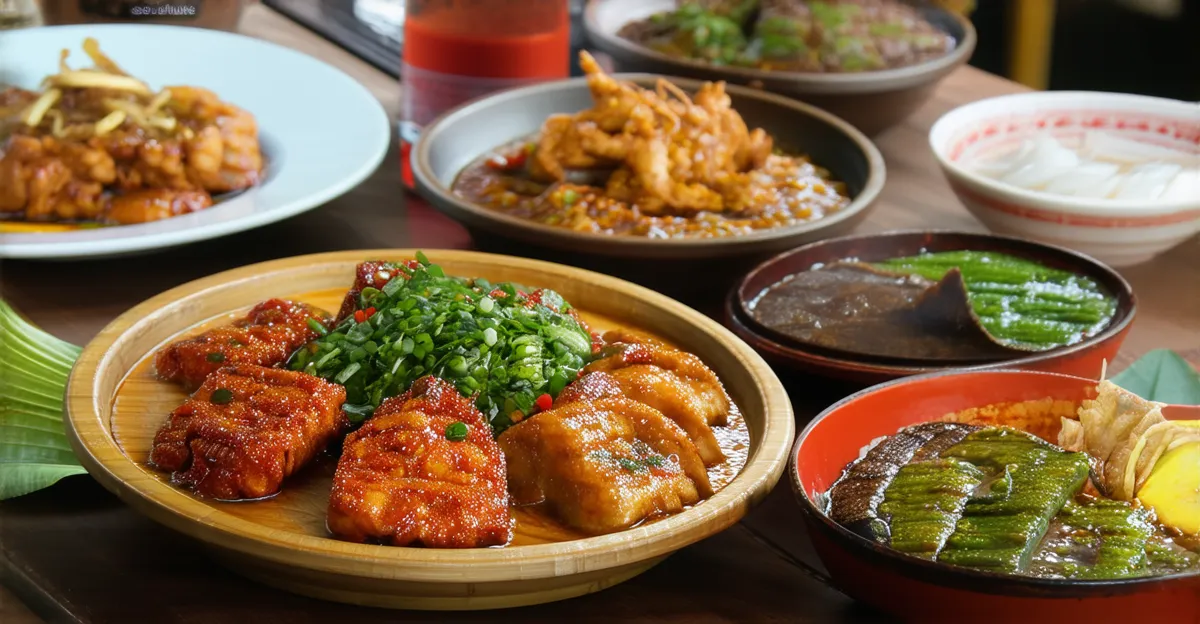
To truly experience the richness of Padang food culture, dining at a traditional Padang restaurant is essential. These restaurants, known as “warung,” offer a unique dining experience where a wide array of dishes is presented on the table for you to choose from. You can enjoy a colorful display of various meats, vegetables, and side dishes, typically served with rice.
One of the most famous Padang restaurants is Restoran Sederhana, which is known for its authentic rendang and diverse offerings. Another notable mention is Rendang Minangkabau, a local favorite where you can savor the distinct flavors of Padang cuisine in a vibrant atmosphere.
Pro Tip: When dining at a Padang restaurant, don’t hesitate to try a little bit of everything. The communal style allows you to taste a variety of flavors and dishes!
For a truly cultural experience, many restaurants also embrace local art and music, enhancing the vibrant ambiance. So, while you enjoy your meal, you can also appreciate the rich cultural heritage of the Minangkabau people.
In summary, visiting a traditional Padang restaurant not only satisfies your taste buds but also immerses you in the fascinating Padang food culture. It’s a feast for both the palate and the senses!
Padang food culture is not just a feast for the senses; it’s an invitation to explore the culinary traditions of West Sumatra. From the rich, flavorsome rendang to the vibrant array of sambals, every bite tells a story of heritage and community. We encourage you to dive into Padang’s culinary delights and share your experiences with us!
Frequently Asked Questions
A: Padang food culture is celebrated for its rich flavors, diverse dishes, and communal dining style.
A: Must-try dishes include rendang, nasi Padang, gulai, sate Padang, and ayam pop.
A: Yes, many Padang dishes can be made vegetarian, including gulai and various sambals.
A: You can find the best Padang restaurants in major cities, especially in West Sumatra.
A: Dining in Padang is typically communal, with an array of dishes served on a table, allowing guests to choose what they want.
A: Yes, Padang cuisine is known for its spiciness, often complemented with various sambals.