
Padang Cuisines: Discover Local Flavors and Dishes
Experience Padang cuisines! Explore the best rendang, sambal, and traditional meals in this guide for food enthusiasts visiting Indonesia.
On this page
Padang cuisine, originating from West Sumatra, Indonesia, is known for its bold, spicy flavors, vibrant colors, and diverse offerings that embody the culture and traditions of the Minangkabau people. This culinary journey is a feast for the senses, with dishes that range from rich rendang to tangy sambal. For food lovers, immersing in Padang cuisines is not only about tasting exquisite food but also experiencing the warm hospitality and communal dining practices that accompany each meal. Let’s dive into the depths of Padang cuisines and uncover the local dishes and dining spots that should not be missed.
Key Takeaways
- Padang cuisines offer a rich variety of authentic and spicy flavors.
- Signature dishes like rendang and nasi padang highlight its culinary culture.
- street food and local eateries cater to every budget and preference.
- Food markets and cooking classes provide an immersive culinary experience.
1. Rendang: The Iconic Padang Cuisine
Rendang is undoubtedly the star of Padang cuisines and is revered not just in Indonesia but also around the globe. This slow-cooked beef dish is rich in spices, giving it a deep, complex flavor that resonates with anyone who tastes it. Made with tender chunks of meat simmered in coconut milk, lemon grass, and an array of spices, Rendang is cooked until the sauce thickens, creating a taste that is both spicy and aromatic.
There are different variations of Rendang, each reflecting the regional styles of cooking. As you savor this dish, you will appreciate the love and care put into its preparation. Traditionally served during special occasions, it is a must-try for visitors seeking to experience authentic Padang cuisine.
Pro Tip: Don’t forget to pair Rendang with steamed rice to balance the flavors beautifully!
Where to eat: For a delightful Rendang experience, visit Restoran Sederhana, a famous Padang eatery known for its authentic dishes.
2. Nasi Padang: A Feast of Flavors
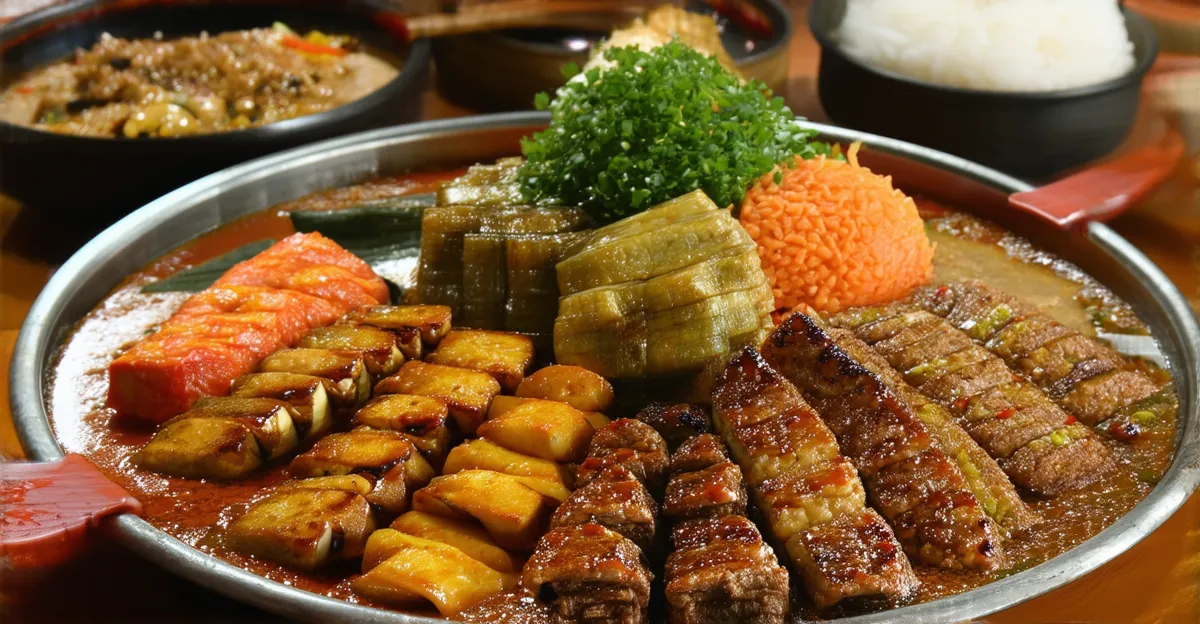
Nasi Padang is a culinary feast that showcases the diverse flavors of Padang cuisines. This dish typically consists of steamed rice served with a variety of side dishes, including meat, fish, and vegetables, all steeped in rich and spicy sauces. The allure of Nasi Padang lies in its selection; diners can choose from numerous dishes, allowing for a personalized feast every time.
Each component complements the rice, creating a balanced meal that is both filling and satisfying. The food is often displayed in a vibrant array, offering an enticing visual experience before the first bite.
Did you know? Nasi Padang is often enjoyed family-style, with everyone sharing delicious servings from the center of the table.
Where to eat: To indulge in authentic Nasi Padang, do visit Padang Restaurant 99, where you’ll find an extensive menu full of delightful options.
3. Ayam Pop: traditional Fried Chicken in Padang
🌟 Local Expert Tip: Get the most out of your Padang visit with guided tours!
Ayam Pop is a beloved dish in Padang cuisines, known for its unique preparation method that results in juicy and flavorful fried chicken. The process typically involves marinating the chicken in a mix of spices and then frying it to a golden brown. The secret to Ayam Pop’s exquisite flavor is the inclusion of fresh herbs and spices that infuse the chicken with depth and aroma.
This dish is often served with rice, sambal, and a side of greens, creating a delightful combination that excites the palate. Ayam Pop is not only popular among locals but also loved by tourists for its incredible taste.
Pro Tip: Try dipping the chicken in sambal for an extra kick that elevates the flavors!
Where to eat: Head to Warung Sari Bundo for some of the best Ayam Pop in town; it’s a favorite among locals.
4. Gulai: Rich and Creamy Curries
Gulai is a beloved dish that embodies the essence of Padang cuisines. This rich and creamy curry is often made with various proteins such as beef, chicken, or fish. The secret to a good gulai lies in its spices, which typically include turmeric, ginger, garlic, and lemongrass. These ingredients combine to create a fragrant sauce that coats the meat perfectly, giving it an unforgettable flavor.
One of the most popular variations is Gulai Kepala Ikan, or fish head curry, which features tender fish cooked until flaky. Also, Gulai Ayam, or chicken curry, is a must-try. The dish is usually served with steamed rice, allowing you to relish every morsel.
Pro Tip: For a truly authentic experience, enjoy your gulai with some sambal on the side to enhance the flavors even further.
Where to eat: To indulge in authentic gulai, visit Restoran Sederhana or Gulai Jariang, both of which are known for their delicious interpretations of this dish.
5. Sambal: The Soul of Padang Cuisines
No discussion of Padang cuisines would be complete without mentioning sambal. This spicy chili paste is a fundamental aspect of Indonesian culinary culture. In Padang, sambal comes in many varieties, with each restaurant boasting its unique twist. Typically, it’s made with fresh chilies, garlic, shallots, and some version of citrus or vinegar for balancing flavors.
Sambal enhances every meal, adding heat and depth to dishes like rendang or gulai. It’s often served as a side condiment, so you can adjust the spice level to your liking. Furthermore, sambal really brings traditional Padang dishes to life, transforming an already flavorful meal into an unforgettable culinary experience.
Did you know? Most locals consider the quality of sambal to be a significant indicator of a Padang restaurant’s authenticity.
Where to eat: For a variety of sambal, try Restoran Padang Shinta or Sambal Cibiuk, both famous for their delicious offerings.
6. Ikan Bakar: Grilled Fish Specialties
Ikan Bakar, or grilled fish, is another highlight of Padang cuisines. This dish showcases the region’s abundance of fresh seafood, with fish marinated in a blend of spices before being grilled to perfection. The marinade typically includes ingredients like garlic, turmeric, tamarind, and chili, which impart a unique flavor to the fish.
One of the most popular types of ikan bakar is Ikan Bakar Jimbaran, known for its smoky aroma and succulent texture. This dish is best enjoyed with a side of rice and sambal, allowing the vibrant flavors to meld beautifully.
Pro Tip: Try enjoying your ikan bakar with a squeeze of fresh lime for an extra zing!
Where to eat: For the best ikan bakar, head to Restaurant Ikan Bakar 99 or Warung Ikan Bakar, where you can enjoy a delightful seafood feast.
7. Dendeng: Savory Minangkau Beef Jerky
🌟 Local Expert Tip: Get the most out of your Padang visit with guided tours!
Dendeng is a beloved snack in Padang cuisines, renowned for its unique flavors and textures. This traditional Minangkau dish consists of marinated beef that is sliced thin and then dried, creating a jerky-like consistency. The meat is typically seasoned with a rich blend of spices, including garlic, shallots, and lime leaves, providing a deliciously savory taste that reflects the depth of Padang flavors.
To make dendeng, the meat is first boiled and then seasoned with a mixture of spices. After marinating, it is dried until it becomes firm but retains a bit of chewiness. This delightful dish can be enjoyed as a snack on its own or as a side dish to accompany rice. Dendeng serves not only as a delicious treat but also as an essential source of protein in the Padang diet.
Pro Tip: Pair dendeng with fresh steamed rice and a side of sambal for an authentic experience!
Where to eat: One of the best places to savor dendeng is at Restoran Sederhana, a popular Padang restaurant known for its traditional dishes. Another excellent option is Restoran Padang Merdeka, where you can indulge in authentic Minangkau cuisine.
8. Perkedel: Delicious Corn Fritters
Perkedel are delightful corn fritters that are a staple in Padang cuisines, loved for their crispy texture and sweet flavor. These fritters are made primarily from corn kernels mixed with flour, herbs, and sometimes mashed potatoes to create a smooth, flavorful batter. They are then shaped into patties and deep-fried until golden brown.
These scrumptious snacks are often served as a side dish or appetizer, complementing a variety of main courses within Indonesian meals. Their crispy exterior and soft, sweet inside make them incredibly satisfying. Moreover, perkedel can be enjoyed at any time of the day, making them a versatile addition to any meal.
Did you know? Perkedel can also be adapted with different ingredients, such as shrimp or chicken, for variation in flavor!
Where to eat: To try the best perkedel in town, visit Warung Nasi Padang 99, where they serve these fritters fresh and hot. You can also find them at Restoran Taman Palm, which offers a wide selection of Padang delights.
9. Soto Padang: Hearty Traditional Soup
Soto Padang is a comforting noodle soup that holds a special place in Padang cuisines. This hearty dish is made with a flavorful broth infused with spices like turmeric, ginger, and lemongrass. Typically, it features tender beef slices and rice noodles, creating a satisfying meal that warms the soul. The combination of the vibrant broth and fresh herbs makes each bowl a delight.
This dish is often garnished with fried shallots and cilantro, adding texture and freshness to the soup. Soto Padang is traditionally served with a side of steamed rice, and some may enjoy it with sambal for an extra kick. Given its rich flavor and aromatic spices, Soto Padang is perfect for enjoying at lunch or dinner.
Pro Tip: Don’t shy away from adding a squeeze of lime; it brightens up the flavors beautifully!
Where to eat: For an authentic Soto Padang experience, head to Soto Padang H. Manto, known for its rich broth, or visit Restoran Sederhana for a soul-satisfying bowl of this traditional soup.
10. Cendol: Refreshing Dessert in Padang
🌟 Local Expert Tip: Get the most out of your Padang visit with guided tours!
Cendol is a beloved dessert in Padang cuisines, celebrated for its refreshing and sweet flavors. This delightful treat consists of green rice flour jelly served in coconut milk and sweetened with palm sugar syrup. The unique texture of the jelly, which is often made with pandan leaves, adds a distinctive element to this dessert. Typically served chilled, cendol offers a perfect respite from the warm tropical climate of Indonesia.
Moreover, it is not just about the jelly; cendol desserts can also come with toppings such as red beans or shaved ice. The combination of creamy coconut milk with the sweetness of palm sugar creates a symphony of flavors that dance on the palate.
Did you know? Cendol is often enjoyed as a street food dessert, making it easily accessible throughout Padang.
Where to eat: To savor an authentic bowl of cendol, head to Warung Cendol in Padang city center, known for its generous portion sizes and delightful taste or check out Cendol Alang-Alang, popular among both locals and tourists.
11. The Best Padang Restaurants to Visit
Padang cuisine is best experienced in its local restaurants. One of the top spots is Restoran Sederhana, famous for its Nasi Padang, which showcases an array of side dishes served with rice. The vibrant atmosphere and generous servings make it a favorite among locals.
Another must-visit is Restoran Pagi Sore, renowned for their flavorful rendang and gulai. Here, diners can enjoy a mix of classic dishes and modern takes on traditional recipes.
For an authentic dining experience, RM Marco is a hidden gem that serves a variety of Padang specialties. Thanks to their home-cooked feel, this restaurant is a top choice for experiencing the heart of Padang cuisines.
Tip: Visiting during lunch hours is perfect for indulging in the freshest selections of Padang dishes.
12. Food Market Tour: Discovering Padang Cuisines
A food market tour is an excellent way to immerse yourself in Padang cuisines. Start your journey at the Pasar Atas, a bustling market filled with stalls offering fresh produce, spices, and traditional snacks. Here, you can witness locals buying ingredients and preparing meals, bringing the culinary culture of the region to life.
Next, explore Pasar Raya where you can taste samples of local delicacies such as fried snacks and Nasi Padang. It’s a great chance to engage with vendors and learn about the ingredients used in Padang cooking.
These markets not only provide an insight into everyday culinary practices but also the opportunity to try fresh and home-cooked meals at an affordable price.
Pro Tip: Bring a camera to capture the vibrant colors and unique dishes you’ll find in these markets!
13. Padang Food Etiquette: How to Dine Like a Local
When it comes to enjoying Padang cuisines, understanding the local dining etiquette can enhance your experience. Generally, meals are served family-style. This means that various dishes are placed in the center of the table, allowing guests to share. It’s common to see an array of vibrant dishes like Rendang and Nasi Padang inviting you to explore new flavors.
As a guest, it’s polite to wait for the host to begin the meal. Once they start, you’re free to help yourself. Typically, meals are enjoyed with your right hand, which is a customary practice in Indonesia. However, forks and spoons are also available if you prefer.
Tip: Don’t be shy to ask for more dishes or ask about ingredients. Locals love to share their culinary knowledge!
After finishing your meal, it’s a good practice to indicate that you’ve enjoyed it. You can do this simply by leaving a bit of food on your plate. This signals that you are full and satisfied.
14. Cooking Classes: Learn to Make Padang Dishes
🌟 Local Expert Tip: Get the most out of your Padang visit with guided tours!
If you’re eager to dive deeper into Padang cuisines, joining a cooking class can be a rewarding experience. Many local chefs offer interactive classes, guiding you through traditional recipes. You could start by learning how to make the famous Rendang, a rich, spicy beef dish that takes hours to perfect.
Classes often cover various aspects of Padang cooking, including how to use local spices and techniques unique to Minangkabau culture. Throughout the session, you can discuss ingredient sourcing and cooking tips to recreate these dishes at home.
| Cooking Class | Location | Highlights |
|---|---|---|
| Padang Cooking School | Central Padang | Focus on Rendang and Nasi Padang |
| Minangkabau Culinary Center | Sungai Penuh | Traditional dishes with local spices |
Participating in a cooking class not only teaches you how to recreate delicious meals but also immerses you in the rich culture of Padang. It’s a fun way to meet fellow food enthusiasts and take home a unique culinary skill!
Experiencing Padang cuisines is a delightful journey through Indonesia’s rich culinary heritage. With its tantalizing spices, unique dishes, and inviting communal dining atmosphere, Padang cuisine offers something for everyone. Plan your culinary adventure to Padang now and savor the local flavors that make this destination a food lover’s paradise!
Frequently Asked Questions
A: Padang cuisine is famous for its rich flavors, especially spicy and fragrant dishes like rendang, gulai, and sambal.
A: Must-try dishes include rendang, nasi padang, egi bakar, gulai, and sambal.
A: Yes, street stalls and casual dining spots offer budget-friendly options to enjoy Padang cuisines.
A: Padang food is often eaten communally, and guests can choose several dishes from a spread, usually paired with rice.
A: Yes, many Padang restaurants offer vegetarian options, including dishes made with vegetables and tofu.
A: Participate in local food tours, visit traditional restaurants, and take cooking classes to fully immerse in Padang culinary culture.