
Otavalo Indigenous Cuisine: A Journey into Flavor
Discover Otavalo indigenous cuisine! Explore traditional dishes, local markets, and authentic culinary experiences that highlight rich cultural roots.
On this page
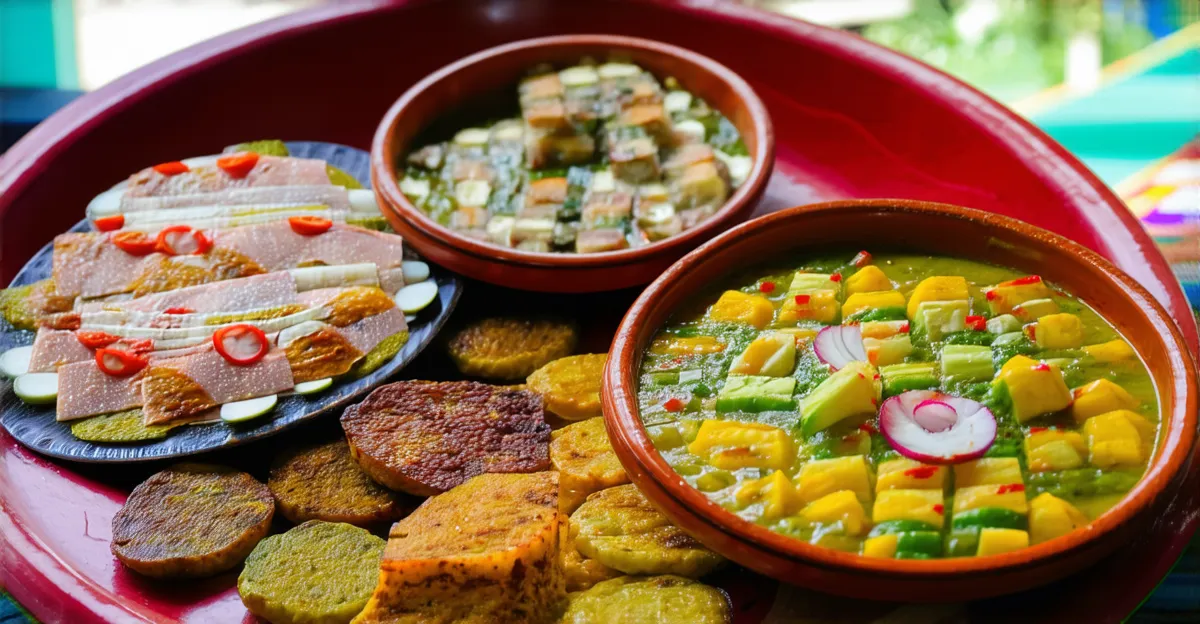
Otavalo indigenous cuisine is a vibrant celebration of the cultural heritage and culinary practices of the Andean people. Rich in flavors, textures, and colors, Otavalo’s gastronomy reflects its indigenous roots and the region’s agricultural bounty. Visitors to this charming Ecuadorian town can indulge in local dishes such as llapingachos, cuy, and a variety of fresh produce from its famous markets. This guide dives deep into Otavalo’s unique culinary experiences, showcasing must-try dishes and dining spots for culinary enthusiasts and travelers alike.
Key Takeaways
- Otavalo indigenous cuisine offers a rich variety of authentic flavors influenced by Andean traditions.
- Signature dishes like llapingachos, cuy, and locro de papas showcase the region’s culinary culture.
- local markets provide an excellent opportunity to experience fresh ingredients and traditional snacks.
- Food tours and cooking classes allow visitors to immerse themselves in the indigenous culinary experience.
1. Llapingachos: The Delightful Potato Dumplings
One of the most loved dishes in Otavalo indigenous cuisine is llapingachos, which are delightful potato dumplings. These savory treats are made from mashed potatoes, mixed with cheese, and formed into patties. They are then fried until golden brown, creating a crispy exterior that perfectly complements the soft, cheesy inside. Typically served with a tangy salsa, llapingachos are a must-try dish when visiting Otavalo.
Moreover, they are often paired with avocado, salad, and a protein like chorizo or fried egg, making them a hearty meal. This dish not only offers a taste of traditional Andean flavors but also fills you up, providing energy for your busy day of exploring.
Pro Tip: Enjoy llapingachos during breakfast or lunch for an authentic experience. Locals love them!
Where to eat: For a truly authentic experience, visit La Abuela, where you can savor fresh llapingachos made with local ingredients.
2. Cuy: A traditional Andean Delicacy
Cuy, or guinea pig, is a traditional Andean delicacy that is a staple in Otavalo indigenous cuisine. This dish dates back thousands of years and is often prepared during special occasions. The cuy is typically marinated with garlic, herbs, and spices, then roasted to perfection. The skin becomes crispy, while the meat inside remains tender and flavorful.
In addition, cuy is traditionally served with a side of potatoes and a spicy peanut sauce, enhancing its rich taste. While it may seem unusual to some, trying cuy is essential for a complete culinary experience in Otavalo.
Did you know? Cuy is considered a symbol of wealth and prosperity in Ecuadorian culture!
Where to eat: To taste authentic cuy, head to El Patio del Cuy, known for its delicious preparations and traditional setting.
3. Fritada: Enjoying Fried Pork in Otavalo
🌟 Local Expert Tip: Get the most out of your Otavalo visit with guided tours!
A beloved dish in Otavalo is fritada, which features succulent pieces of fried pork. In Otavalo indigenous cuisine, fritada is prepared by slow-cooking the pork in its own fat until tender, then crisping it up on the outside. The result is a flavorful and crispy pork dish, often garnished with fresh herbs and accompanied by mote (hominy) and llapingachos.
Moreover, fritada is more than just a dish; it’s a social meal. It’s typically shared among family and friends, making it a popular choice for gatherings and celebrations. The deep, rich flavors are complemented by the freshness of tomato and onion salad.
Pro Tip: Don’t forget to try the spicy dipping sauce that comes with fritada—it adds an extra kick!
Where to eat: For the freshest fritada, visit Comedor Popular, a local favorite known for serving traditional meals that reflect the essence of Otavalo’s flavors.
4. Locro de Papas: Hearty Potato Soup with Cheese
Locro de Papas is a beloved traditional dish in Otavalo indigenous cuisine, particularly cherished during the cooler months. This hearty potato soup is rich, creamy, and often enhanced with a generous amount of cheese, making it a comforting staple. Typically, it incorporates native potatoes, which are the star of the dish, along with onions, garlic, and a dash of spices for flavor.
Locro is not just about taste; it reflects the local culture and traditions. It is common to serve this dish with a sprinkling of avocado and a side of aji (a spicy condiment), adding an extra layer of enjoyment. The soup embodies the fusion of simplicity and richness that characterizes Otavalo’s culinary offerings.
Pro Tip: Pair your Locro de Papas with a refreshing salad or crusty bread for a complete meal experience.
Where to eat: For an authentic taste of Locro de Papas, head over to Casa de los Abuelos or El Mercado del Pueblo, where you can also enjoy a vibrant atmosphere as locals gather.
5. Chicha: Traditional Fermented Corn Drink
Chicha is an essential beverage in Otavalo indigenous cuisine, often enjoyed during festive occasions and gatherings. This traditional fermented corn drink has a rich history, dating back to pre-Columbian times. Made from maize, Chicha is prepared through a labor-intensive process that involves soaking, grinding, and fermenting the corn.
The drink is slightly fizzy, with a unique sweet and sour taste, making it a refreshing choice. While it is traditionally consumed plain, some variations feature added fruits or spices for extra flavor. Chicha holds cultural significance as a symbol of hospitality among the indigenous community.
Did you know? Chicha is often served in communal settings, promoting sharing and fostering connections among friends and family.
Where to drink: To experience authentic Chicha, visit Café de la Abuela or La Casa de Chicha, where you can enjoy a glass of this ancient beverage while mingling with locals.
6. Humitas: Savory Corn Cakes Wrapped in Leaves
🌟 Local Expert Tip: Get the most out of your Otavalo visit with guided tours!
Humitas are a delightful dish in the realm of Otavalo indigenous cuisine, showcasing the region’s abundant corn. These savory corn cakes are made from ground corn mixed with cheese, spices, and sometimes additional ingredients like herbs or peppers, creating a flavorful treat. The mixture is then wrapped in corn husks and steamed, resulting in a moist, aromatic dish.
Humitas are often enjoyed as a snack or light meal, highlighting the simplicity and natural flavors of local ingredients. This dish represents the ingenuity and resourcefulness of the Andean people, transforming humble corn into a cherished delicacy.
Pro Tip: Enjoy Humitas with a dollop of peace (a type of salsa) for an extra kick.
Where to eat: For a great Humitas experience, stop by Restaurante La Tierra or Mercado 24 de Mayo, where the flavors of traditional Andean cuisine truly shine.
7. Encebollado: A Flavorful Fish Stew
Encebollado is a traditional Ecuadorian fish stew that is especially popular in Otavalo. This hearty dish is primarily made from tuna or white fish, which is cooked in a flavorful broth with onions, yuca, and spices. The delicious combination of seasonings gives Encebollado its unique taste. It’s often served with a side of choclo (Andean corn) and a sprinkle of fresh cilantro.
This dish is not only known for its delightful flavors but also for its medicinal qualities. Many locals enjoy Encebollado as a remedy for hangovers or as a comforting meal to warm up after a cool Andean day. Because of its savory richness, it has become synonymous with comfort food in the region.
Pro Tip: For the best Encebollado, stop by Restaurante El Mercado, where it’s served fresh and often with homemade hot sauce for an extra kick!
Don’t miss this delicious experience; tasting Encebollado will certainly give you a glimpse into the heart of Otavalo’s indigenous cuisine.
8. Otavalo Market: A Culinary Adventure Awaits
The Otavalo Market, one of the largest indigenous markets in South America, is a feast for the senses. Here, visitors can explore a vibrant array of stalls filled with colorful textiles, handcrafted jewelry, and, of course, local foods. The market is a hub of Otavalo indigenous cuisine, offering everything from fresh produce to cooked dishes ready to savor.
As you wander through the market, be sure to try local treats such as empanadas de viento and quimbolitos, which are delicious desserts made from the region’s staple ingredients. The lively atmosphere, combined with the enticing aromas of traditional cooking, makes it a must-visit destination for food lovers.
Did you know? Visiting the Otavalo Market on Saturdays offers you the chance to experience the market at its busiest, showcasing the full vibrancy of local culture.
Beyond food, the market is a cultural experience where you can interact with local artisans and learn about their crafts, enriching your understanding of Otavalo’s indigenous heritage.
9. Sweets and Desserts: A Taste of Andean Confectionery
Otavalo is not just about savory dishes; it also boasts a delightful array of sweets and desserts that reflect its indigenous culinary traditions. Traditional treats such as miel de caña (cane honey) and helado de paila (a delicious ice cream made from fresh fruits) are popular among locals and visitors alike. These sweets are crafted using simple ingredients and traditional methods, making them a unique part of the region’s cuisine.
Another must-try is the bizcochos, crispy, buttery pastries, often enjoyed with coffee or hot chocolate. They are perfect for snacking or as a dessert after a hearty meal. You can find these treats in various bakeries around Otavalo, each with its own twist on the recipes.
Pro Tip: Visit Los Choclos for a selection of mouthwatering desserts and pastries, where you can taste the essence of Otavalo’s confectionery traditions.
Experiencing these sweets gives you a sweetened insight into the rich heritage of Otavalo’s indigenous cuisine, making your visit truly memorable.
10. Cooking Classes: Learn the Secrets of Otavalo Cuisine
If you’re eager to dive deeper into the Otavalo indigenous cuisine, participating in a cooking class is an excellent idea. These hands-on experiences allow you to learn traditional recipes directly from local chefs and home cooks, offering insights into the culinary traditions of Ecuador. You’ll discover how to create classic dishes using fresh, local ingredients, while also learning about their cultural significance.
Many classes focus on popular dishes like llapingachos, cuy, and humitas. During the session, you’ll not only master cooking techniques but also gain an appreciation for the flavors and history behind the cuisine. Moreover, cooking together fosters a strong sense of community, as sharing meals is an essential part of Otavalo culture.
Pro Tip: Don’t hesitate to ask your instructor about their favorite ingredients and personal culinary tips; every chef has unique secrets!
Where to learn: Look for classes offered by local restaurants or culinary schools in Otavalo, such as Casa de Artesanías or Runa Tupari Cooking School. These venues provide a warm, inviting atmosphere for not only cooking but also enjoying the traditional dishes you create.
Otavalo indigenous cuisine is a vibrant tapestry of traditional flavors and regional ingredients that reflect the spirit of the Andean culture. From savory dishes like llapingachos and fritada to refreshing drinks like chicha, the culinary delights of Otavalo invite you to savor its rich heritage. Plan your visit today and dive into the flavors of Otavalo—your taste buds will thank you!
Frequently Asked Questions
🌟 Local Expert Tip: Get the most out of your Otavalo visit with guided tours!
A: Otavalo indigenous cuisine is known for its diverse flavors, traditional ingredients, and dishes like llapingachos and cuy.
A: You must try llapingachos, cuy, humitas, fritada, and locro de papas while visiting.
A: Yes, many dishes utilize fresh vegetables and grains that cater to vegetarian diets.
A: Visiting local markets, taking food tours, and enrolling in cooking classes are the best ways to experience Otavalo cuisine.
A: You can find authentic Otavalo dishes at local eateries, markets, and specialized restaurants.
A: Try chicha, a local fermented corn drink, when enjoying the indigenous culinary experience.