
Otavalo Culinary Festivals: A Food Lover’s Paradise
Discover Otavalo culinary festivals! Explore local dishes, food experiences, and vibrant markets that make this Ecuadorian city a must-visit for foodies.
On this page
Otavalo, famed for its stunning markets and vibrant culture, is also a gastronomic haven for food lovers. The local cuisine reflects the rich indigenous heritage of the region, bringing together flavors and ingredients that are unique to Ecuador. From traditional dishes like fritada to the mesmerizing culinary festivals that celebrate seasonal harvests and local traditions, Otavalo’s food scene is an exploration of authenticity and flavor. Join us as we delve into the diverse offerings of Otavalo’s culinary festivals, where the essence of cultural sustainability meets a feast for the senses.
Key Takeaways
- Otavalo culinary festivals highlight the richness of Ecuadorian cuisine.
- Local dishes like fritada and cuy showcase authentic flavors.
- The vibrant markets play a significant role in the culinary experience.
- Food festivals provide a unique opportunity to taste traditional dishes and meet local chefs.
1. Fritada: The Heart of Otavalo’s Cuisine
In Otavalo, fritada holds a special place as a quintessential dish deeply rooted in local traditions. This savory delight features tender, slow-cooked pork, usually marinated in spices, and then fried to achieve a crispy exterior. It is often served with a variety of side dishes, including llapingachos (potato patties) and a fresh avocado salad.
Many households have their own secret recipes for making fritada, using local spices that enhance the flavors of the meat. The dish is a popular choice at family gatherings, festivals, and markets, reflecting the harmonious blend of indigenous practices and culinary craftsmanship.
Pro Tip: Don’t forget to pair fritada with local aji, a tangy chili sauce that adds a kick to this delectable dish.
Where to eat: For an authentic experience, head to Restaurante Tierra del Sol, renowned for its flavorful fritada, or visit the bustling Otavalo Market where many vendors serve this cherished dish.
2. Celebrating Inti Raymi: A Culinary Experience
Inti Raymi, the Festival of the Sun, is a vibrant celebration in Otavalo that showcases not only music and culture but also an incredible selection of local dishes. During this festival, community members come together to prepare and share traditional foods, making it a truly unique culinary experience.
As part of the festivities, you can enjoy communal meals featuring cuy (guinea pig), savory stews, and regional specialties sourced from local farms. The celebration emphasizes organic ingredients and traditional cooking methods, which help preserve the rich culinary heritage of the Otavalo community.
Did you know? Inti Raymi is not just about food; it’s an important time for indigenous people to connect with their ancestors, culture, and community.
To immerse yourself in the festival, try to participate in communal cooking activities or simply stroll through the vibrant festival tents filled with delicious treats. Enjoying food here is an experience that goes beyond taste, as it connects you with the spirit of Otavalo.
3. Discovering the Flavors of the Otavalo Market
🌟 Local Expert Tip: Get the most out of your Otavalo visit with guided tours!
The Otavalo Market is a treasure trove for food lovers and is often considered one of the largest markets in Ecuador. Strolling through its stalls, you’ll encounter a colorful array of fresh produce, spices, and local delicacies that reflect the rich culinary culture of the region. From handcrafted cheeses to organic corn and vibrant fruits, the market offers a sensory delight with every step.
One of the highlights is the food section, where you can discover traditional dishes like locro de papa and empanadas. These foods are typically prepared with care by local vendors who use age-old recipes that have been passed down through generations.
Pro Tip: Arrive early in the morning to experience the market at its liveliest, with vendors showcasing their freshest ingredients and aromatic foods.
Where to eat: Grab a bite at Centro de Artesanías Otavalo within the market, where you can sample a variety of traditional dishes while enjoying the vibrant atmosphere.
4. Cuy: A Traditional Delicacy at Culinary Festivals
Cuy, or guinea pig, is more than just a dish; it is a significant aspect of Otavalo culinary festivals and an important part of local culture. This traditional delicacy symbolizes pride and heritage in Otavalo. Typically roasted and served with a variety of sides, cuy is often accompanied by potatoes, corn, and aji sauces that add a delightful kick to the meal.
During festivals, it’s common to see cuy featured prominently at food stalls and served at family gatherings. The preparation of cuy is a skill passed down through generations, with each cook adding their unique touch. Many locals recommend trying cuy with a side of llapingachos, which are potato pancakes often served with avocado, tomato salad, and a spicy peanut sauce.
Fun Fact: Cuy is not just a dish; it’s often part of rituals and celebrations, linking the community’s culinary traditions with their cultural identity.
Where to eat: For an authentic experience, visit Mirador del Cuy, known for expertly roasted cuy, or La Casa del Cuy, where the flavor and technique meet tradition.
5. The Richness of Locro de Papa for Winter Celebrations
Locro de papa is a hearty potato soup that stands out during winter celebrations in Otavalo. This comforting dish is made with ground potatoes, cheese, and avocado, providing a creamy and rich taste. It warms the heart and soul as much as it warms the body, which is why it’s often found during festive gatherings.
The preparation of locro de papa highlights the importance of local ingredients, particularly the diverse varieties of potatoes native to Ecuador. Families have their own recipes, often featuring secret ingredients that enhance the flavor. Additionally, it is commonly garnished with fresh herbs and served with a side of corn for a complete meal.
Pro Tip: Do not skip the possibility of adding spicy salsa to your locro de papa, which elevates its flavor profile and makes it even more enjoyable.
Where to eat: For the best locro de papa in town, stop by Restaurante San Pedro or La Casona, both beloved for their traditional take on this comforting dish.
6. street food Adventures at the Otavalo Food Festival
🌟 Local Expert Tip: Get the most out of your Otavalo visit with guided tours!
The Otavalo Food Festival is a vibrant celebration of culture and cuisine, attracting both locals and tourists. It’s a fantastic opportunity to explore the rich tapestry of Otavalo culinary festivals through street food. Visitors can enjoy an array of dishes, including freshly made empanadas, ceviche, and various types of grilled meats.
street food vendors at the festival offer a taste of the region’s diverse culinary heritage. The lively atmosphere combines music, culture, and food, making it a feast for the senses. Seeking out these food stalls is essential for anyone wishing to experience the local flavor.
Did You Know? Street food at the Otavalo Food Festival often features unique fusion dishes that incorporate traditional ingredients with modern culinary techniques.
Where to eat: To truly immerse yourself in street food culture, explore kiosks within the festival grounds, especially stalls by El Choclo and Palenque Gourmet, which offer authentic and delicious local dishes.
7. Traditional Indigenous Cooking Techniques Unveiled
The Otavalo culinary festivals showcase not only delicious food but also the rich heritage of indigenous cooking techniques. Traditional methods are passed down through generations, emphasizing natural ingredients and time-honored practices. For instance, one common technique is using a paila, a large clay pot, which allows for even cooking while imparting a unique flavor to the dishes.
Another fascinating method involves the use of firewood for cooking, which imbues the food with a smoky taste. Many local chefs still rely on this technique to prepare traditional dishes like fritada and locro de papa. Additionally, many indigenous cooks use a metate for grinding corn and spices, which helps to release essential oils and flavors.
Pro Tip: Observing these techniques during the festivals offers a deeper understanding of Otavalo’s culinary culture and its connection to the land.
As you explore the festivals, take time to watch local chefs at work, and perhaps even participate in a cooking demonstration that allows you to learn these ancient techniques firsthand.
8. Warm Up with Chicha: The Beverage of Festivals
No Otavalo culinary festival is complete without chicha, a traditional beverage that embodies the cultural spirit of the region. This fermented drink, made mainly from corn, is often served during festivals, celebrations, and communal gatherings. Chicha comes in various forms, with some recipes incorporating fruits or spices that enhance its flavor.
The preparation of chicha itself is a social event, bringing together family and friends. Often, it involves a method where the corn is chewed and then fermented, creating a unique taste that is both refreshing and slightly tangy. During the festivals, you will find chicha sellers offering samples, allowing you to taste the different variations.
Did you know? Chicha symbolizes community and tradition and is often shared among family and friends during festive occasions.
If you’re keen to get a taste, head to any local market or festival stall. It’s not just a drink; it’s a part of Otavalo’s cultural fabric!
9. Fresh Ingredients: Otavalo’s Local Produce Market
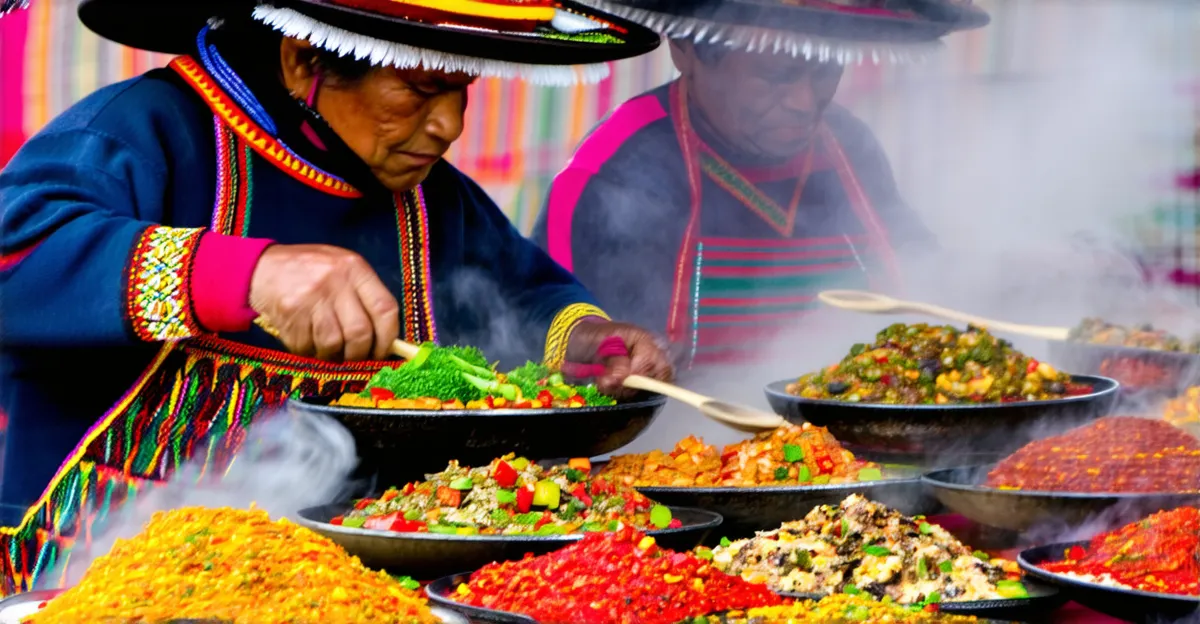
One of the highlights of the Otavalo culinary festivals is the abundance of fresh ingredients sourced from the local produce market. From vibrant fruits and vegetables to aromatic herbs and spices, the market reflects the heart of Otavalo’s culinary scene. Each week, vendors gather to sell their fresh harvests, where you can find ingredients like potatoes, corn, and various indigenous herbs.
The market atmosphere is lively, filled with colorful stalls and friendly vendors eager to share their knowledge about the produce. As you wander through the market, take note of unique local items such as aji, a spicy sauce made from local chili peppers that adds an authentic touch to many dishes.
| Must-try Ingredients | Typical Uses |
|---|---|
| Locro de Papa (Potato Soup) | Utilizes various local potatoes along with cheese and avocado |
| Fresh Corn | Used in chicha and a variety of traditional dishes |
| Aji Sauce | Serves as a condiment for meats, salads, and soups |
Visiting the local market not only provides access to fresh food but also an opportunity to immerse yourself in Otavalo’s vibrant culinary culture.
10. Experience the Aroma of Traditional Ecuadorean Spice Blends
The spice blends of Ecuador, particularly those found in Otavalo, are a vital part of the region’s culinary identity. These blends are much more than ingredients; they embody the rich cultural heritage of the Andean peoples. Aromatic spices such as aji, cumin, and cilantro create a distinctive flavor profile for many traditional dishes.
During the Otavalo culinary festivals, these spice blends are showcased in various forms—from marinades to sauces. Notably, the use of aji amarillo, a yellow chili pepper, provides a vibrant flavor that enhances local specialties. In addition, achiote, with its earthy and slightly sweet notes, is often used for coloring and flavoring dishes.
Pro Tip: When visiting the festivals, don’t miss the chance to try local dishes like fritada and locro de papa sprinkled with these aromatic spice blends.
Where to buy: For an authentic experience, visit the Otavalo Market, where local vendors sell fresh spices. Additionally, many stalls offer cooking demonstrations, giving visitors insight into how to incorporate these flavors into their own cooking.
Otavalo’s culinary festivals are not just an exploration of food but a celebration of rich traditions and community spirit. From the vibrant atmosphere of the markets to the diverse flavors on offer, these events provide an unforgettable experience for any food lover. Plan your visit to Otavalo to indulge in the local cuisine, share your favorite dishes, and experience the gastronomic delights of Ecuador!
Frequently Asked Questions
🌟 Local Expert Tip: Get the most out of your Otavalo visit with guided tours!
A: Expect to find traditional dishes like fritada, locro de papa, and cuy served at various food stalls.
A: Key festivals typically align with local harvests, including Inti Raymi and others celebrated throughout the year.
A: Yes, many stalls offer vegetarian choices utilizing local vegetables and grains.
A: Join food tours, visit local markets, and attend culinary festivals to immerse yourself in the food culture.
A: They celebrate the indigenous heritage and seasonal flavors unique to the region, featuring authentic local dishes.
A: Look for local eateries and food stalls that specialize in traditional dishes for an authentic experience.