
Nikkō Traditional Cuisine: A Food Lover’s Guide
Explore Nikkō traditional cuisine! Discover must-try dishes, hidden gems, and authentic food experiences in this culinary guide for travelers.
On this page
Nikkō traditional cuisine embodies the rich cultural heritage of this historic city, known for its beautiful temples and stunning natural scenery. With influences from regional farming practices and local ingredients, eating in Nikkō is a delightful experience that showcases the flavors of the region. This guide reveals the essential dishes, dining spots, and culinary traditions that every food lover should experience while visiting Nikkō.
Key Takeaways
- Nikkō traditional cuisine is a celebration of local ingredients and rich flavors.
- Signature dishes like yuba and soba highlight the region’s culinary identity.
- Seasonal vegetables and local fish offer a fresh, authentic taste of Nikkō.
- Dining experiences range from casual street food to traditional multi-course meals.
1. Yuba: The Delicate Tofu Skin of Nikkō
Nikkō is renowned for its yuba, or tofu skin, which is a traditional delicacy unique to this area. The process of making yuba involves heating fresh soy milk until a thin layer of skin forms on its surface. This delicate creation is then harvested, resulting in a delightful texture that is both rich and smooth. Locals and visitors alike cherish yuba for its subtle flavor and versatility.
This delicacy can be enjoyed in various forms—fresh, fried, or simmered in soups. It is often served cold as a part of sashimi dishes or heated in a savory broth, making it a popular choice among those exploring Nikkō traditional cuisine. Plus, yuba is not only delicious but also packed with protein and nutrients.
Did you know? Yuba is often regarded as a symbol of wellness in Japanese cuisine due to its health benefits.
Where to eat: For authentic yuba dishes, visit Kanaya Hotel, where traditional recipes are honored, or try Ashikaga Yuba for a modern twist on this classic dish.
2. Nikkō’s Soba: Local Buckwheat Noodles
Nikkō’s soba noodles are another must-try when delving into Nikkō traditional cuisine. Made from locally sourced buckwheat, these noodles are flavorful and have a delightful chewy texture. Traditionally, soba is served chilled with a dipping sauce, but it can also be found in hot soups, especially during the colder months.
Soba holds a special place in the hearts of the locals, who often enjoy it in a peaceful setting with beautiful surroundings. A unique experience is savoring soba while admiring the historic temples and pristine nature of Nikkō. The noodles can be paired with various toppings such as green onions, tempura, or fresh yuba, enhancing their taste.
Pro Tip: Don’t miss the chance to try freshly made soba at a local soba shop for an authentic experience.
Where to eat: Meiji no Yakata is highly recommended for its handmade soba, while Yubatei Watanabe offers a cozy atmosphere and delicious soba dishes.
3. Yuba Cuisine: Creative Dishes Beyond Tofu
🎯 Insider Tip: Discover the best Tokyo experiences with Viator Tours!
Beyond the traditional serving of yuba, Nikkō showcases a vibrant array of yuba cuisine that creatively incorporates this ingredient into various dishes. Chefs in Nikkō have embraced yuba to craft innovative meals that celebrate local flavors while highlighting this unique food. For instance, you can find yuba in salads, wrapped around fresh vegetables, or even in desserts.
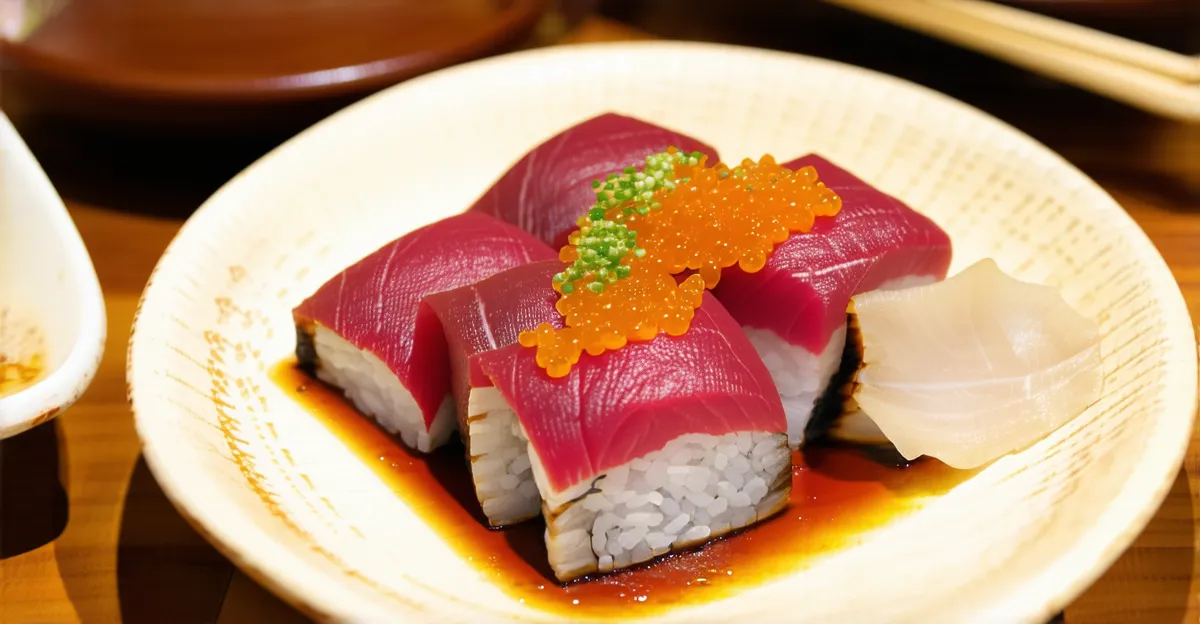
One popular dish is yuba tempura, where the delicate tofu skin is fried to crispy perfection, providing a delightful contrast to its soft interior. Another exciting offering is yuba sushi, where the fermented soy skin is expertly combined with seasonal fish and rice, providing an interesting twist to classic sushi.
Fun Fact: Yuba is considered a versatile ingredient, often used in both savory and sweet dishes!
Where to eat: For a diverse yuba experience, check out Yubatei, which specializes in yuba-based dishes, or head to Kadokura for their unique yuba-inspired sushi creations.
4. Nikkō’s Seasonal Vegetables: Bright and Fresh
Nikkō is a treasure trove of seasonal vegetables that reflect the region’s fertile soils. The local farmers produce exceptional varieties that burst with flavor and color. During spring, you might taste tender asparagus and vibrant radishes, while summer brings sun-ripened tomatoes and crisp cucumbers. In autumn, root vegetables like carrots and turnips shine with sweetness, perfect for hearty dishes.
One of the best aspects of Nikkō’s seasonal vegetables is their integration into traditional meals. Locals cherish shojin ryori, a Buddhist vegetarian cuisine that showcases these fresh ingredients. Additionally, you can find them in colorful bento boxes or served alongside yuba and soba dishes. This commitment to seasonal produce not only enhances flavor but also supports sustainable farming practices.
Pro Tip: Visit local markets to experience the vibrancy of these vegetables firsthand and support the community.
Where to eat: For a unique experience, try Nikkō Yuba Tonkatsu, where seasonal vegetables accompany their famed yuba dishes. Additionally, Yuba Shokudo offers a delicious vegetarian menu highlighting local produce.
5. Sake from Nikkō: A Distinctive Drink Experience
🎯 Insider Tip: Discover the best Tokyo experiences with Viator Tours!
Nikkō is renowned for its unique sake, which benefits from the pure, soft waters that flow from the nearby mountains. The distinct flavor profile of Nikkō sake reflects the precise brewing techniques and premium local rice used. What sets Nikkō’s sake apart is the incorporation of unique flavors, often with a fruity or floral aroma that provides a refreshing experience.
When visiting Nikkō, taking the time to sample different varieties of sake is essential. You may encounter options ranging from dry to sweet, each offering an exquisite touch to your dining experience. Pairing sake with local dishes enhances the overall culinary enjoyment.
Did you know? Many sake breweries in Nikkō offer tastings and tours, making it a perfect opportunity to learn about the brewing process.
Where to drink: Don’t miss Kanematsu Sake Brewery, which offers tastings and informative tours. Also, try Sake House Hachiman, known for its excellent selections and cozy atmosphere.
6. Mitsuke: A Unique Local Dish to Try
Mitsuke is a traditional dish that showcases the rich flavors and culinary heritage of Nikkō. This unique dish is made primarily with local ingredients that are expertly prepared to create a delightful taste experience. While the main components vary, they typically include fresh vegetables, meats, and sometimes yuba, all simmered to perfection.
What makes Mitsuke stand out is its connection to the region’s seasonal offerings. The dish changes throughout the year, ensuring diners enjoy the freshest possible flavors. With each season, you could find a new surprise—whether it’s summer vegetables or heartier winter ingredients. Eating Mitsuke not only allows you to savor local cuisine but also immerse yourself in the culture of Nikkō.
Pro Tip: Ask your server about the seasonal variations when ordering Mitsuke to experience the dish at its best.
Where to eat: For an authentic Mitsuke experience, visit Yoshikawa Honten, renowned for its traditional take on the dish. Another great option is Kanaya Hotel’s Dining Room, which features locally-inspired dishes.
7. Nikkō’s River Fish: Freshness from Nature
Nikkō’s cuisine thrives on the abundance of fresh river fish sourced from its surrounding waters. The rivers and streams around Nikkō are rich in various types of fish, making it a prime location for those seeking authentic Japanese flavors. The most popular types of river fish include Ayum (sweetfish) and Iwana (trout), which are delicately grilled or prepared in traditional dishes.
One of the best ways to experience these fresh fish is through a signature dish called Iwana no Shioyaki, which is simply salt-grilled trout, allowing the natural flavors of the fish to shine. The dish is often enjoyed with a splash of wasabi and a side of steamed rice.
Did you know? Nikkō’s rivers provide fish that are not only fresh but also packed with flavors unique to the region, making them a culinary treasure.
Where to eat: For the best river fish experience, visit Yasuda Restaurant, known for its Iwana dishes, or try Nikko Soba for a combined experience of soba and fresh river fish.
8. Nikko-ryū Cuisine: The Local Traditional Style
Nikko-ryū cuisine represents a unique culinary tradition distinct to the Nikkō region. This style emphasizes the use of local natural ingredients, particularly seasonal vegetables and fish from nearby rivers. Meals often feature beautifully arranged courses that highlight the seasonal flavors and aesthetics of Japanese dining.
A typical Nikko-ryū meal might include yuba, paired with fresh vegetables and river fish, providing a balanced and wholesome experience. The focus is not only on taste but also on presentation, making each meal a feast for the eyes.
Pro Tip: When dining in Nikkō, look for restaurants that offer a full-course Nikko-ryū meal to experience the depth of local flavors.
Where to eat: For an authentic Nikko-ryū experience, head to Gokō or Higashiyama Shokudo, where you can enjoy this traditional cuisine in a cozy, local setting.
9. Snacks and street food: Flavors of Nikkō
🎯 Insider Tip: Discover the best Tokyo experiences with Viator Tours!
Nikkō’s bustling streets are lined with food stalls and markets offering quick bites and snacks, perfect for those on the go. Traditional street food here is a delightful way to sample the flavors of the region. Nikkō Yuba Sushi, for instance, is a portable sushi made with the delicate tofu skin (yuba)—a true local specialty.
Another must-try snack is grilled fish skewers, often prepared with seasonal catches and served hot off the grill. These savory treats provide a taste of the fresh aquatic bounty from Nikkō’s rivers.
Explore the local flavors by trying Dango, sweet rice dumplings grilled and coated in a savory soy glaze.
Where to eat: Be sure to check out the Nikkō Food Market for a variety of street food options, or visit Nikko Edomura, where the atmosphere is lively and filled with delightful local snacks.
10. Food Markets: Discover Local Treats
Nikkō, known for its stunning natural landscapes, also features vibrant food markets that offer a delightful tour of local flavors. These markets are the perfect place to discover nikkō traditional cuisine and sample fresh, seasonal produce, handmade snacks, and artisanal goods. For example, the Nikkō Food Market is a must-visit, where local farmers showcase their best seasonal vegetables and fruits.
In addition, visitors can find stalls selling unique specialty items, such as yuba (tofu skin) and traditional buckwheat soba noodles. These markets often provide opportunities to taste and buy products made from fresh, locally sourced ingredients, ensuring that every bite captures the essence of Nikkō’s culinary heritage.
Pro Tip: Arrive early to enjoy the freshest items, particularly during peak harvest seasons.
Don’t forget to try some of the local snacks produced in the area. Tasting wrapped rice cakes or sweet red bean buns can be both a filling treat and a great souvenir to bring home. Be sure to check out Yōkūkan market for a variety of local delicacies and unique food experiences.
Nikkō traditional cuisine invites you to experience the flavors and heritage of this beautiful city. From delicate yuba to hearty soba, Nikkō offers culinary delights that are sure to leave you with lasting memories. Don’t miss the chance to explore and savor these unique dishes on your next food adventure!
Frequently Asked Questions
A: Nikkō is known for yuba (tofu skin), soba noodles, and fresh seasonal produce that showcase its rich culinary heritage.
A: Yuba dishes, soba noodles, and local river fish dishes are must-try delicacies.
A: Yes, street food stalls and casual eateries provide budget-friendly dining options.
A: Try visiting local markets, joining food tours, and tasting traditional multi-course meals.
A: Yes, many dishes such as yuba and seasonal vegetable salads cater to vegan and vegetarian diets.
A: You can find the best soba at local restaurants known for their handmade buckwheat noodles.