
Nara Traditional Cuisine: A Food Lover’s Guide
Explore Nara traditional cuisine’s finest local dishes, hidden gems, and unique food experiences in this ultimate guide for culinary enthusiasts.
On this page
Nara traditional cuisine is a treasure trove of flavors and culinary secrets that reflect its rich historical legacy as Japan’s first capital. Known for its emphasis on seasonal ingredients and delicate presentation, Nara offers food lovers a unique blend of ancient recipes and modern interpretations. Whether you’re indulging in a plate of kakinoha-zushi or sipping matcha in a serene tea house, Nara’s culinary experiences are a journey through time and culture that shouldn’t be missed. This guide will delve into the must-try local dishes and dining spots that define Nara’s vibrant food scene.
Key Takeaways
- Nara traditional cuisine emphasizes seasonal ingredients and historical dishes.
- Signature dishes like kakinoha-zushi and yudofu highlight the region’s unique flavors.
- Culinary experiences range from fine dining to casual eateries and street food.
- Nara’s rich history is reflected in its food culture, making it a must-visit for food lovers.
1. Kakinoha-zushi: Nara’s Iconic Sushi Roll
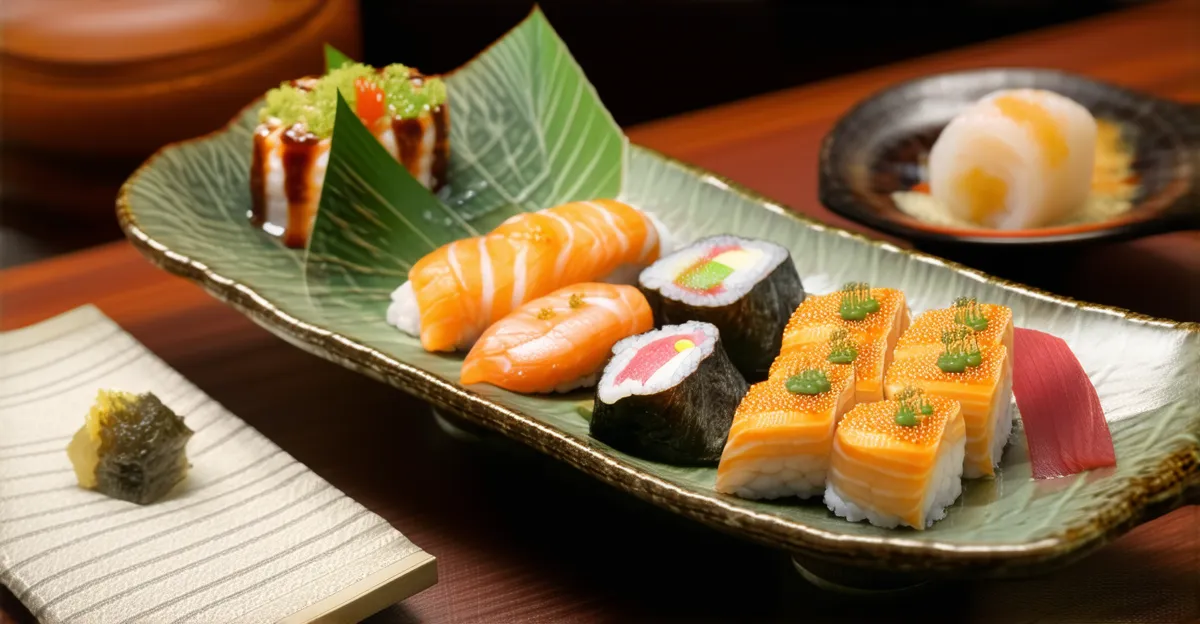
Nara is famous for its unique culinary treasure, Kakinoha-zushi. This sushi, unlike the conventional rolls found elsewhere, is wrapped in fragrant persimmon leaves. The leaves not only enhance the flavor but also act as a natural preservative, giving the sushi a delightful aroma. Often, the sushi is filled with marinated mackerel or salmon, providing a savory bite that locals love.
What makes Kakinoha-zushi even more special is its historical significance. This dish dates back to the Edo period and showcases the region’s ingenuity in preserving fish. Typically, this sushi is served during celebrations and festivals, reflecting Nara’s rich cultural heritage.
Did you know? Kakinoha-zushi is often referred to as “sushi for on-the-go,” making it a perfect snack while exploring Nara’s historic sites.
Where to eat: To savor authentic Kakinoha-zushi, head to Ganko Sushi or visit the popular Chikuyotei, known for their traditional preparation methods.
2. Nara Pickles: Traditional Tsukemono Delights
Another essential part of Nara traditional cuisine is Tsukemono, or pickled vegetables. These pickles are served as a side dish at almost every meal, enriching the dining experience with crunch and zest. The most popular varieties include nappa cabbage, radish, and even local mushrooms, pickled in different seasonings.
Additionally, Tsukemono is not just about taste; it represents the agricultural bounty of the Nara region. Many families have their own unique recipes, passed down through generations. The pickling process often involves fermenting vegetables with salt, which enhances their flavors while preserving them for longer periods.
Pro Tip: Pair these delightful pickles with rice and miso soup for a well-rounded traditional meal.
Where to eat: For the best Tsukemono experience, visit Tsukemono Shokudo, where you can try various pickles accompanied by local dishes.
3. Yudofu: A Simple and Savory Tofu Dish
🌟 Local Expert Tip: Get the most out of your Nara visit with guided tours!
Yudofu is a beloved dish in Nara, showcasing the region’s specialty in tofu production. This simple yet savory dish involves boiling fresh, high-quality tofu in a light broth, often flavored with seaweed and green onions. The essence of Yudofu lies in its purity and the delightful texture of the tofu.
This dish is typically served with dipping sauces such as soy sauce and ponzu, allowing diners to enhance the flavor according to their preference. Furthermore, Yudofu is often enjoyed in colder months, making it a comforting choice.
Fun Fact: The best Yudofu can be found in traditional temples, where it is often served to visitors experiencing the serene atmosphere.
Where to eat: For an authentic Yudofu experience, consider dining at Sanshotei or Yudofu Sagano, both renowned for their exquisite tofu dishes.
4. Sake: Nara’s Historical Rice Wine
🌟 Local Expert Tip: Get the most out of your Nara visit with guided tours!
Nara is renowned for its traditional rice wine, known as sake. This beverage is an integral part of Nara’s culinary culture, deeply intertwined with its history and rituals. The production of sake in this region dates back centuries, utilizing local rice and pure water sourced from the mountains. As a result, Nara’s sake features a distinct flavor profile, often described as smooth and aromatic.
Moreover, visiting a sake brewery in Nara offers a unique experience. You can witness the brewing process and taste various types of sake, each with its own character and depth. Junmai sake, made purely from rice and water, is particularly popular among locals and visitors alike.
Did you know? Sake can be enjoyed warm or cold, depending on the season and personal preference.
Where to taste: Head to the Kizakura Sake Brewery for a tour and tasting session, or visit Nara Sake Brewery to explore their wide range of sake options.
5. Nasubi: Eggplant Dishes in Nara Cuisine
In Nara, nasubi, or eggplant, is a beloved ingredient featured in various traditional dishes. Specifically, Nara’s climate produces exceptionally flavorful eggplants that are celebrated for their tender texture. One popular dish is grilled eggplant, seasoned simply with salt or miso, showcasing the vegetable’s natural sweetness.
Another dish worth trying is nasubi no nitsuke, which consists of simmered eggplant in a savory soy sauce broth. This method highlights the eggplant’s rich flavor while providing a comforting dish perfect for any meal.
Pro Tip: Look for eggplant dishes at local restaurants to truly appreciate the flavors unique to Nara.
Where to enjoy: Yamato Hōrai is known for its delicious nasubi dishes and local ingredients, making it a must-visit for food lovers.
6. Hōba-miso: Grilled Miso on Magnolia Leaves
Hōba-miso is a unique dish that exemplifies the simplicity and depth of Nara traditional cuisine. This dish features miso paste grilled on magnolia leaves, infusing the miso with a subtle aromatic flavor. Typically enjoyed with seasonal vegetables and seafood, Hōba-miso emphasizes the natural ingredients, making it a delightful culinary experience.
To prepare, the miso is spread on the magnolia leaf, then grilled over an open flame. The unique cooking method enhances the flavors, creating a deliciously charred and smoky taste that’s hard to resist.
Did you know? Hōba-miso is not just a dish but a symbol of Nara’s rich connections to nature and traditional cooking methods.
Where to try: Visit Uemura Café for a cozy atmosphere and authentic Hōba-miso experience right from the heart of Nara’s nature.
7. Chagayu: A Warm Rice Porridge
Chagayu is a traditional dish that holds a special place in Nara’s culinary legacy. This warm rice porridge is often cooked with green tea, giving it a distinct flavor that is both comforting and aromatic. The gentle infusion of tea not only enhances the taste but also adds a nutritional benefit.
Typically served during special occasions or cold weather, Chagayu is cherished for its simplicity and heartwarming qualities. It can be paired with various toppings, such as pickles or a sprinkle of sesame seeds, making it versatile and adaptable to individual tastes.
Pro Tip: For an authentic experience, try Chagayu at a local eatery where you can enjoy the warmth and tradition wrapped in each bowl.
Where to eat: Visit Ichimonji, a quaint spot famous for its Chagayu. It’s an excellent place to enjoy a bowl that captures the essence of Nara’s traditional cuisine.
8. Local Confectioneries: Nara’s Sweets
🌟 Local Expert Tip: Get the most out of your Nara visit with guided tours!
Nara is not just known for its savory delights; it also boasts an impressive selection of traditional sweets. Local confectioneries, known as wagashi, are typically made using natural ingredients and are beautifully crafted to reflect the seasons. One highlight is kuzumochi, a soft, chewy dessert made from yam flour and often served with syrup.
Another popular sweet is nerikiri, a delicate treat that showcases seasonal ingredients and is often shaped into intricate designs. These confections not only satisfy your cravings but also provide a glimpse into Japan’s rich cultural artistry.
| Confectionery Name | Key Ingredient | Where to Try |
|---|---|---|
| Kuzumochi | Yam flour | Kudara Shokudo |
| Nerikiri | Red bean paste | Nara Confectionery Museum |
Don’t miss out on these unique flavors when exploring Nara’s traditional cuisine!
9. Tofu Dishes: Celebrating Nara’s Specialty
Nara has a longstanding reputation for its exceptional tofu dishes, owing to the region’s clean water and rich soybeans. Various forms of tofu can be found in Nara’s traditional cuisine, each prepared with care and artistry. One popular dish is yudofu, a simple boiled tofu enjoyed with dipping sauces.
You can also find tofu stews that combine fresh vegetables and aromatic herbs, which not only enhance the flavors but also celebrate the natural goodness of the ingredients.
Did you know? Tofu in Nara is often made fresh daily, retaining its creamy texture and delicate flavor.
Where to eat: For tofu lovers, Shizuka is a must-visit restaurant. Here, you can indulge in a variety of tofu dishes that highlight this beloved ingredient in Nara traditional cuisine.
10. Dining at Historic Temples: A Unique Experience
In Nara, dining transcends mere sustenance; it becomes a profound experience intertwined with culture and history. Many visitors seek out the unique opportunity to enjoy meals at historic temples, where the atmosphere is tranquil and the setting is beautiful. These meals often feature Nara traditional cuisine, offering a glimpse into the dietary practices of monks and the ancient locals.
One of the highlights of dining in these sacred spaces is the shojin ryori, a Buddhist vegetarian meal that emphasizes simplicity, seasonal ingredients, and aesthetic presentation. For instance, a typical meal may include dishes made from fresh vegetables, grains, and tofu, highlighting the natural flavors of these ingredients.
Pro Tip: To truly immerse yourself in the experience, consider participating in the meal preparation. Many temples offer workshops where you can learn about the philosophy behind the food.
Some notable temples where you can experience this culinary adventure include Todai-ji and Kofuku-ji. Be sure to reserve in advance, as these unique dining experiences are quite popular among tourists and locals alike. Not only will you savor delicious food, but you’ll also create lasting memories in the serene environment of Nara’s historic temples.
Nara traditional cuisine offers a delightful blend of history, culture, and flavors that beckon food enthusiasts to explore. From unique local dishes to cultural dining experiences, the gastronomy of Nara is nothing short of remarkable. Don’t miss the chance to indulge in these traditional flavors and share your culinary journey with fellow travelers and food lovers!
Frequently Asked Questions
A: Nara is renowned for dishes like kakinoha-zushi, yudofu, and traditional tsukemono pickles.
A: Must-try dishes include kakinoha-zushi, hōba-miso, and local sake.
A: Yes, many casual eateries and street food vendors provide budget-friendly options.
A: Culinary tours, local markets, and traditional restaurants are great for immersive experiences.
A: Yes, several restaurants cater to vegetarian diets, especially with tofu dishes.
A: Local sushi shops and traditional markets are ideal spots for authentic kakinoha-zushi.