
Nara Seasonal Dishes: A Culinary Journey
Explore the flavors of Nara with this guide on seasonal dishes, local specialties, and dining experiences that every food lover must try.
On this page
Nara, Japan’s ancient capital, celebrates a vibrant culinary heritage that reflects the changing seasons. The region’s climate and agricultural richness inspire a diverse array of seasonal dishes that highlight fresh, local ingredients. From sakura-themed sweets in spring to savory wild game in winter, Nara offers food lovers a unique culinary experience. This guide delves into the must-try seasonal dishes, authentic food experiences, and hidden dining gems in Nara, ensuring you savor the flavors of this culturally rich city.
Key Takeaways
- Nara seasonal dishes showcase local ingredients and culinary traditions.
- Dishes like sakura mochi and kurigohan highlight the region’s flavors throughout the year.
- Visitors can enjoy a range of dining experiences, from traditional kaiseki to casual eateries.
- Pairing local sake with seasonal dishes enhances the overall culinary experience.
1. Spring Delicacies: Sakura Mochi and More
Spring in Nara introduces a delightful culinary experience, highlighted by the famous Sakura Mochi. This sweet treat consists of glutinous rice wrapped around a red bean paste and encased in a pickled cherry blossom leaf. The fragrance of the sakura enhances the taste, making it a beloved seasonal dish.
In addition to Sakura Mochi, spring also features other fresh ingredients. Locals often enjoy Nanohana, or rapeseed blossoms, which are typically blanched and dressed in a light vinaigrette. These delicate greens offer a fresh start to the year’s meals.
Did you know? Sakura Mochi is not just a treat; it symbolizes the transient beauty of cherry blossoms in Japanese culture.
Where to eat: For the best Sakura Mochi, head to Tsukimi Cafe during cherry blossom season. You can also find other traditional spring dishes at Fukuzushi, a restaurant that highlights seasonal flavors.
2. Nara’s Summer Specialties: Hōtō Noodles
During the sweltering summer months, Nara’s culinary scene transforms to embrace hearty dishes like Hōtō Noodles. These flat udon-style noodles are served in a rich miso broth, brimming with seasonal vegetables like pumpkin and zucchini. The dish is not only filling but also perfect for combating summer heat with its warm, nourishing flavor.
While enjoying Hōtō, locals often relish cold soba noodles, which are refreshing and can be dipped in a savory sauce. This combination of hot and cold noodle dishes is popular among residents and visitors alike.
Pro Tip: Add a squeeze of lemon to your Hōtō for a refreshing twist!
Where to eat: For an authentic taste of Hōtō, visit Hōtō Shokudo, known for its rich miso flavor. Alternatively, Nara Soba serves up fresh soba, perfect for those looking to cool off.
3. Autumn’s Harvest: Kuri Gohan (Chestnut Rice)
🌟 Local Expert Tip: Get the most out of your Nara visit with guided tours!
As the leaves begin to change, Nara’s autumn specialties shine through with the delicious Kuri Gohan, or chestnut rice. This traditional dish is made by cooking sticky rice with sweet, roasted chestnuts. The combination of textures and flavors makes it a cherished comfort food during the cooler months.
In addition to Kuri Gohan, autumn also heralds the harvest of various mushrooms, which are integrated into both home-cooked meals and restaurant dishes. For instance, Shiitake and Enoki mushrooms are often stir-fried or used in soups, enhancing the season’s flavors.
Did you know? Chestnuts are not only delicious but also high in nutrients, making Kuri Gohan a wholesome dish!
Where to eat: Try Kuri Gohan at Kanchō, where they focus on seasonal produce. Another great spot is Yamato Shokudo, known for its comforting rice dishes.
4. Winter Comfort: Nara’s Wild Game Cuisine
🌟 Local Expert Tip: Get the most out of your Nara visit with guided tours!
During the winter months, Nara showcases a rich and hearty cuisine centered around wild game. Hunters in the region pursue various animals, including deer and boar, which are integral to Nara’s traditional recipes. These game meats are often featured in stews and hot pots, creating warming meals that are perfect for the chilly season.
One popular dish is shika nabe, a flavorful deer meat hot pot, combined with fresh vegetables and typically simmered in a rich broth. The natural flavors of the game are well-complemented by seasonal vegetables, making it a wholesome and nourishing meal. As a result, this dish not only fills the stomach but also warms the soul.
Did you know? Wild game cuisine in Nara has been a part of the region’s tradition for centuries, influenced by ancient hunting practices.
Where to eat: To enjoy authentic wild game dishes, consider visiting Nara-no-Kusune or Izakaya Hachiya, both renowned for their expertise in preparing game meat dishes.
5. Seasonal Salads: Fresh Greens and Local Produce
Nara’s winter culinary offerings also include delightful seasonal salads. The local climate allows for a variety of fresh greens and root vegetables that are harvested during this time. The cool weather brings out the unique flavors in these ingredients, creating delicious salads that refresh the palate even in winter.
Often, Nara’s salads feature greens such as mizuna and tatsoi, combined with colorful vegetables like carrots and radishes. These salads are usually dressed with local dressings made from sesame or soy sauce, highlighting the natural taste of the produce.
Pro Tip: Pair these salads with a side of miso soup for a complete and nutritious meal!
Where to eat: For a taste of seasonal salads, check out Furusato Shokudo or Wakuwaku Kitchen, where fresh seasonal ingredients take center stage.
6. Nara’s Fermented Dishes: Tsukemono and Miso
Nara is also famous for its fermented dishes, particularly tsukemono (pickled vegetables) and miso. These traditional foods are not only delicious but also integral to Japanese cuisine, offering flavors that enhance winter meals. Fermentation preserves the vegetables, allowing them to be enjoyed year-round.
Tsukemono often includes locally sourced ingredients, which are pickled in various mediums such as rice bran or salt, creating unique and flavorful accompaniments. Miso, on the other hand, is made from fermented soybeans and is a staple in soups and stews, deeply enriching the flavors of winter dishes.
Note: Fermented foods are known for their health benefits, particularly for digestion.
Where to eat: You can relish authentic tsukemono and miso dishes at Naramachi Komiyama or the well-known Yoshino Miso Shoten, famous for its traditional methods.
7. Traditional Multi-Course Dining: Kaiseki Experience
Kaiseki is a traditional multi-course dining experience that showcases the essence of Nara’s seasonal dishes. The term “kaiseki” originates from the Japanese tea ceremony and emphasizes the beauty and taste of seasonal ingredients. Typically, a kaiseki meal consists of several courses, each crafted with meticulous attention to detail and presentation.
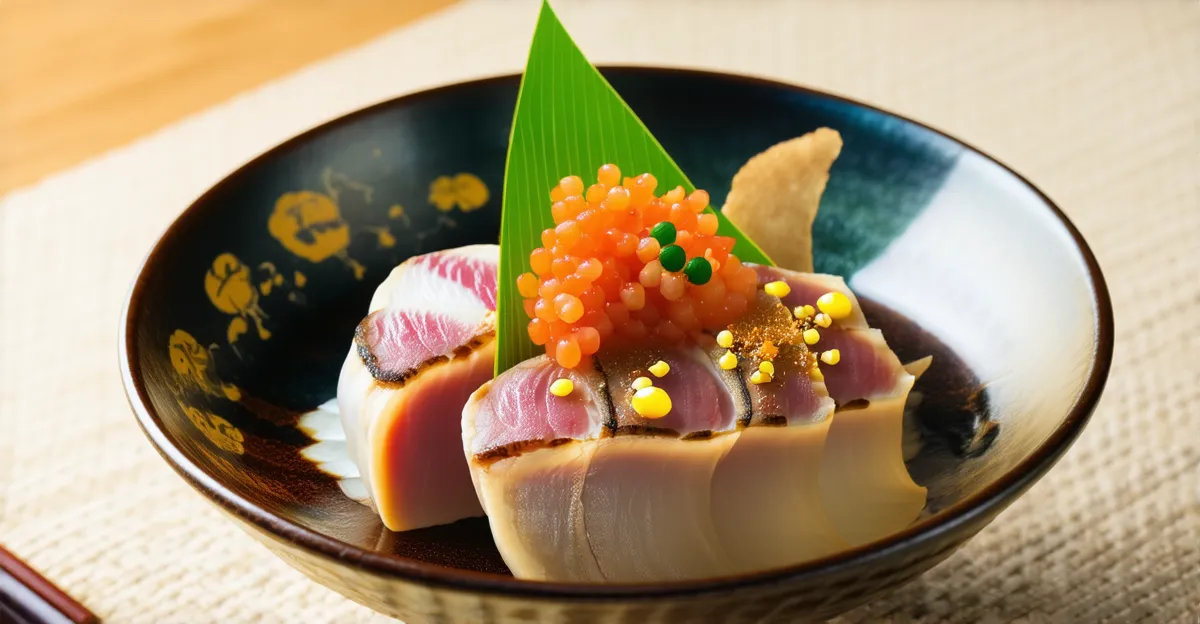
As you indulge in kaiseki, expect to enjoy a collection of beautifully arranged dishes that reflect the flavors of each season. Dishes often include elements like grilled fish, seasonal vegetables, and delicate soups. Each course is served in small portions, allowing diners to savor a variety of tastes without feeling overwhelmed.
Pro Tip: Traditional kaiseki restaurants may change their menus frequently to highlight the freshest ingredients respective to the season.
Where to eat: For an authentic kaiseki experience in Nara, visit Kōraku, known for its use of local ingredients. Another excellent choice is Naramachi Yukimura, which offers a stunning view alongside their exquisite seasonal dishes.
8. Local Sake: A Complement to Nara’s Seasonal Dishes
🌟 Local Expert Tip: Get the most out of your Nara visit with guided tours!
When it comes to pairing food with beverages, local sake is an ideal complement to Nara’s seasonal dishes. Sake is deeply rooted in Japanese culture, and Nara, with its long-standing sake brewing tradition, has some exceptional varieties to offer. Each sake type varies in taste and aroma, enhancing the culinary experience.
For a crisp and refreshing pairing, opt for junmai sake, which is perfect with lighter dishes like sashimi. On the other hand, ginjo sake, known for its fruity and fragrant qualities, pairs well with richer seasonal meals like Kuri Gohan (chestnut rice).
Did you know? Nara’s sake-making techniques date back centuries, and you can visit local breweries to learn about their craft.
Where to try: Sample a variety of local sake at Nara Sake Brewery or Hana No Mai. Both spots provide a unique tasting experience that will enhance your appreciation for Nara’s cuisine.
9. Must-Try Nara Desserts: Warabi Mochi and Zenzai
Nara is home to some delightful sweets, with Warabi Mochi and Zenzai topping the list of must-try desserts. Warabi Mochi is a traditional treat made from bracken starch, resulting in a chewy, jelly-like texture. Usually dusted with soybean flour and drizzled with sweet syrup, it’s a refreshing delight, especially in warmer months.
Zenzai, on the other hand, is a comforting, sweet red bean soup, often served with mochi or rice cakes. It’s a popular dessert during colder months, offering warmth and sweetness. Savoring zenzai while exploring Nara’s scenery creates a perfect nostalgic experience.
Pro Tip: Pair Warabi Mochi with a cup of green tea for a harmonious balance of flavors.
Where to find: Treat yourself to Warabi Mochi at Nakatanidou, renowned for its handmade delights. For a soothing bowl of Zenzai, head over to Yamato Zenzai, where each spoonful offers a taste of tradition.
10. Where to Find the Best Seasonal Dishes in Nara
When exploring Nara’s seasonal dishes, you’ll find numerous eateries showcasing the region’s culinary heritage. First on your list should be Nara Kenko Shokudo, where you can taste a variety of seasonal specialties in a cozy setting. Additionally, Hōkiji is known for its traditional dishes, especially the delicious Hōtō noodles during summer.
If you’re in the mood for autumn delicacies like Kuri Gohan, visit Ikoma, a restaurant focused on local ingredients. For winter, Yasaka Shinto Shrine’s food stalls often serve wild game fare, showcasing dishes unique to the season. Remember, the local markets, especially Naramachi, offer fresh produce and crafted seasonal snacks, making it an ideal spot to discover taste.
Pro Tip: Consider joining a seasonal food tour that can guide you to hidden gems serving authentic Nara cuisine.
For a sweet ending, don’t miss Kamakura Café, renowned for its delightful Warabi Mochi and Zenzai. This café truly captures the essence of Nara’s desserts, providing the perfect way to conclude your meal.
Nara’s seasonal dishes offer a delightful exploration of the region’s culinary traditions and flavors. Indulging in these local specialties not only tantalizes the taste buds but also connects visitors with the city’s rich history and culture. I invite you to plan your food journey to Nara, savor its unique dishes, and share your culinary discoveries!
Frequently Asked Questions
A: Must-try dishes include sakura mochi in spring, kuri gohan in autumn, and wild game dishes in winter.
A: Explore local izakayas and traditional restaurants in Naramachi for the best offerings.
A: Yes, many restaurants offer seasonal vegetable dishes and plant-based options.
A: Kaiseki is a traditional multi-course meal that celebrates seasonal ingredients, and you can experience it at select restaurants in Nara.
A: Yes, Nara is known for its sake, which complements seasonal dishes beautifully.