
Naha Cuisine: Explore Local Dishes and Flavors
Naha local dishes await! Discover the best Okinawan delicacies, unique dining experiences, and vibrant food spots in this culinary guide.
On this page
Naha, the capital city of Okinawa, boasts a culinary scene rich in history and diverse influences, making it a true haven for food lovers. The cuisine of Naha is characterized by its unique blend of indigenous ingredients, adapted techniques from Japan’s mainland, and a sprinkle of Chinese and Southeast Asian flavors. Unique local dishes, such as Okinawa soba and goya champuru, reflect the island’s cultural heritage and earned them a spot on every traveler’s must-try list. This guide will take you through the vibrant culinary landscape of Naha, exploring its rich flavors and must-visit dining spots that celebrate Okinawa’s remarkable food culture.
Key Takeaways
- Naha cuisine is a diverse blend of flavors from local ingredients and cultural influences.
- Signature local dishes like Okinawa soba and goya champuru highlight the island’s unique food culture.
- There are options for every budget, from casual street food to traditional dining.
- Food tours and cooking classes present excellent opportunities to engage with Okinawan culinary traditions.
1. Okinawa Soba: A Heartwarming Local Dish
When exploring Naha local dishes, one cannot miss Okinawa Soba. This beloved dish is a comforting bowl of noodles made from wheat, resembling ramen but with its own unique flavor. Often served in a rich broth made from pork or bonito, Okinawa Soba is topped with slices of roasted pork, green onions, and sometimes a splash of shoyu (soy sauce) for added depth.
For many locals, Okinawa Soba represents more than just a meal; it’s a symbol of home and comfort. Each bite encapsulates the warm spirit of Okinawa’s culinary tradition. Additionally, the dish is usually accompanied by pickled ginger and radish, which enhance its taste.
Pro Tip: Don’t hesitate to ask for extra toppings, as they can elevate your soba experience even further!
Where to eat: Check out Kijimuna in Naha for some of the best Okinawa Soba, known for its authentic flavors and welcoming atmosphere.
2. Goya Champuru: Stir-Fried Bitter Melon Delight
Goya Champuru is one of the standout Naha local dishes you must try. This stir-fry dish features bitter melon, a staple ingredient in Okinawa’s cuisine. The bitterness of the vegetable balances beautifully with tofu, pork, and sometimes eggs. This hearty combination offers a delightful contrast of textures and flavors.
Not only is Goya Champuru delicious, but it is also renowned for its health benefits. Bitter melon is rich in vitamins and antioxidants, making this dish a nutritious choice. As you savor each bite, you’ll appreciate how this simple dish has become a favorite among both locals and visitors alike.
Did you know? Goya is a key component of the Okinawan diet, which is linked to the region’s longevity.
Where to eat: For an authentic experience, visit Yamaguchi-ya, a local restaurant where you can enjoy Goya Champuru prepared with fresh ingredients.
3. Rafute: Okinawan Braised Pork
⭐ Recommendation: Don't miss out on amazing Naha tours - book now!
Rafute is another must-try from the repertoire of Naha local dishes. This dish consists of succulent pork belly that is slow-cooked and then braised in a mixture of soy sauce, sake, and brown sugar, resulting in tender meat that melts in your mouth. The sweet and savory glaze creates an irresistible flavor profile.
Traditionally, Rafute is served during celebrations and gatherings, symbolizing abundance and joy. Many families have their own secret recipes passed down through generations, which adds a personal touch to this beloved dish.
Tip: Pair Rafute with steamed rice or pickled vegetables for a complete meal experience.
Where to eat: Head to Shuri Soba in Naha for a delightful plate of Rafute that captures the essence of Okinawan cuisine.
4. Taco Rice: A Unique Naha Fusion
Taco Rice is a beloved dish that showcases the unique blend of cultures in Naha. Originating from American influence during the post-World War II era, this dish combines the flavors of traditional Mexican tacos with the elements of Japanese cuisine. Essentially, it consists of seasoned ground beef served over white rice, topped with shredded lettuce, diced tomatoes, and a sprinkle of cheese.
While it may sound simple, taco rice has become a staple in Okinawan households and is fondly referred to as “Okinawan soul food.” It is often enjoyed in casual dining settings, making it a popular choice for both locals and visitors. Plus, it’s versatile; you can add salsa, avocado, or even sour cream to personalize your plate.
Did you know? Taco Rice is frequently served in restaurants all over Naha, often with a side of kimchi for a tasty fusion twist!
Where to eat: For an authentic experience, visit King Taco or J.A. Farmers Market, both known for their delicious taco rice. These spots capture the essence of this warming local dish.
5. Awamori: Traditional Okinawan Spirit
⭐ Recommendation: Don't miss out on amazing Naha tours - book now!
Awamori is a traditional Okinawan spirit that holds a significant place in the culture of Naha. Made primarily from long-grain Indica rice, this unique alcoholic beverage undergoes a distinctive fermentation process. Unlike sake, Awamori is distilled, resulting in a richer flavor and a higher alcohol content, typically ranging from 25% to 30%.
Typically, Awamori is enjoyed chilled or at room temperature, and it is often paired with traditional Okinawan dishes. The spirit is not only popular among locals but has also gained recognition internationally. Its smooth, earthy taste makes it an ideal introduction to Okinawa’s drinking culture.
Pro Tip: When in Naha, don’t miss trying Awamori with a side of Okinawan cuisine for a complete experience.
Where to savor it: Check out places like Awamori Shokudo or Okinawa Soba no Ramen for a taste of this traditional spirit and to learn more about its significance in Okinawan culture.
6. Sata Andagi: Okinawan Fried Doughnuts
Sata Andagi, often referred to as Okinawan fried doughnuts, is a delightful snack that embodies the sweet indulgence of Naha local dishes. These golden-brown treats are made from a simple dough of flour, sugar, and eggs, blended together to create a sweet batter. Once fried, they have a crispy exterior while remaining soft and fluffy on the inside.
Traditionally served at celebrations, festivals, and family gatherings, Sata Andagi captures the essence of Okinawan hospitality. With a slightly sweet flavor, they are best enjoyed fresh, and they often make a perfect snack or dessert option.
Fun Fact: Sata Andagi can be found in various flavors, with sweet potato and chocolate being popular options!
Where to try: For a taste of these delicious doughnuts, visit Sata Andagi Shiten or local markets where fresh Sata Andagi is served hot and warm.
7. champsuro: Exploring Okinawa’s Vegetable Dishes
Champsuro is a delightful stir-fry dish that highlights the fresh, vibrant vegetables of Okinawa. Okinawa’s unique climate allows for an abundance of local produce, which is often the star of this dish. Generally, you can find ingredients like goya (bitter melon), carrots, and a variety of greens in a typical champsuro. Furthermore, these vegetables are sautéed with some tofu, adding a delightful texture to the dish.
This dish not only celebrates Okinawa’s rich agricultural offerings but also emphasizes health, as it is packed with nutrients. Additionally, the bitterness of goya is said to have health benefits, including lowering blood sugar levels.
Pro Tip: Enjoy champsuro alongside a bowl of Okinawa soba for a wholesome meal experience.
Where to eat: For an authentic experience, visit Tamagusuku, a local eatery known for its emphasis on fresh vegetables. Another great option is Sakae, a restaurant that serves champsuro with a side of traditional Okinawan pickles.
8. Umi-budo: Sea Grapes from Okinawa
Umi-budo, also known as sea grapes, is a unique Okinawan delicacy that showcases the region’s coastal bounty. This marine plant resembles tiny green grapes and is often served as a refreshing salad or appetizer. When you pop these little “grapes” in your mouth, they release a burst of briny flavor that captures the essence of the sea.
Commonly enjoyed with a simple dipping sauce made from soy sauce and vinegar, umi-budo is not just delicious but also rich in nutrients. Furthermore, sea grapes are full of minerals, making them a popular choice among health-conscious eaters.
Did you know? Umi-budo can also be used in sushi or as a garnish in various dishes.
Where to eat: Look for umi-budo at Shuri Soba, where it’s served fresh. Alternatively, try Umi no Ue, a restaurant committed to using fresh, local ingredients to prepare their dishes.
9. Okinawa’s Sweet Potatoes: A Local Staple
⭐ Recommendation: Don't miss out on amazing Naha tours - book now!
Okinawa’s sweet potatoes are famous for their unique flavor and vibrant purple Hue. They are a staple in the local diet and can be enjoyed in various forms, from steamed to roasted and even in desserts. These sweet potatoes are not just delicious but are also considered a superfood due to their high nutritional value.
In Okinawa, you will find dishes like sweet potato tempura and sweet potato pie, which highlight this local ingredient beautifully. Additionally, these potatoes are often used to make iroha, a traditional Okinawan sweet that is enjoyed during festivals and celebrations.
Pro Tip: Make sure to try the sweet potato ice cream – a unique treat you won’t want to miss!
Where to eat: For the best sweet potato dishes, head to Shirokuma, a café specializing in sweets made from this regional favorite. Okinawa Sweet Potato Factory is another fantastic spot where you can indulge in various sweet potato treats and snacks.
10. Local Sushi: An Island Twist on Tradition
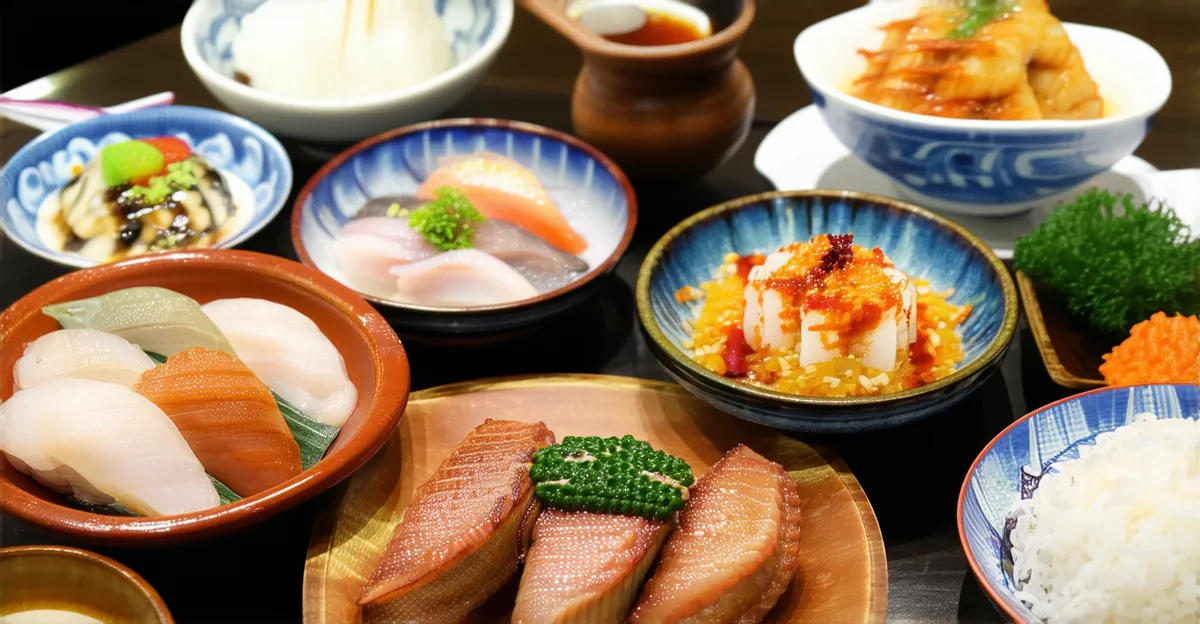
Local sushi in Naha offers a unique twist on traditional Japanese cuisine, reflecting the rich flavors and fresh ingredients found in Okinawa. Unlike typical sushi found in mainland Japan, Okinawan sushi often features locally sourced seafood and ingredients, resulting in a fresh and vibrant taste. One of the standout offerings is sushi-konnyaku, made with konnyaku, a type of yam cake, which provides a chewy texture and is often paired with fresh fish.
Additionally, Naha’s sushi scene has embraced fusion elements. For instance, temaki (hand rolls) are filled not only with raw fish but also with Okinawa’s popular local vegetables, such as goya (bitter melon) and shikwasa (a citrus fruit). This blend creates an exciting flavor profile that keeps diners coming back for more.
Pro Tip: Always ask for today’s catch when ordering sushi to discover the freshest seasonal offerings.
Where to eat: To experience the best local sushi, visit Daikon Beya, known for its fresh fish and innovative sushi rolls. You might also want to check out Sushi Naka, where chefs skillfully prepare dishes with an Okinawan flair.
The culinary charm of Naha offers a delightful journey through its local flavors and heritage. From the iconic Okinawa soba to unique dishes such as goya champuru, food lovers will find plenty to tempt their taste buds. Share your own favorite dishes or plan a gastronomic adventure in Naha to fully immerse yourself in the island’s culinary traditions!
Frequently Asked Questions
A: Naha is known for its unique Okinawa soba, goya champuru, and many fresh seafood dishes.
A: Okinawa soba, rafute, goya champuru, and sata andagi are must-try local delicacies.
A: Yes, local markets and casual eateries offer many affordable options to enjoy Naha’s cuisine.
A: Joining food tours, exploring local markets, and participating in cooking classes provide immersive experiences.
A: Yes, Naha has many vegetarian-friendly options, particularly in vegetable-based dishes and salads.
A: Popular spots include Shuri Soba and Okashigoten for the best Okinawa soba dishes.