
Muscat Cuisines: Discover Local Flavors and Dining Gems
Muscat cuisines are a delight! Discover the best local dishes, unique flavors, and dining experiences in this guide for food lovers exploring Oman.
On this page
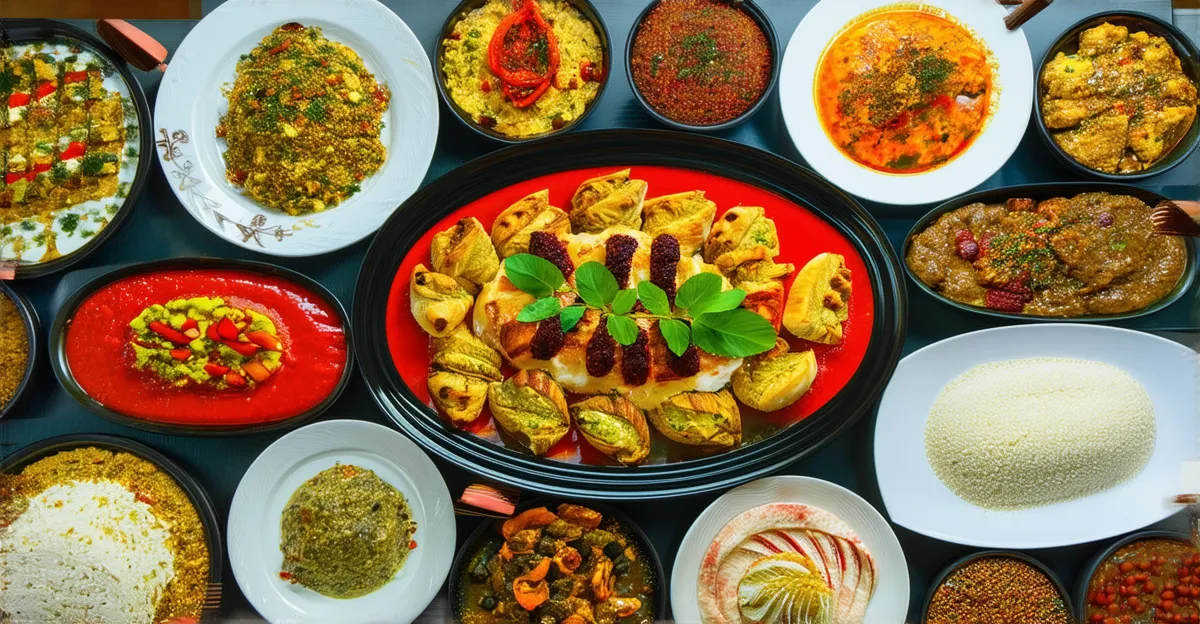
Muscat cuisines represent a vibrant tapestry of flavors that reflect the rich heritage and culture of Oman. From aromatic spices to fresh seafood, the culinary scene in Muscat is a feast for the senses. Highlights include traditional dishes such as Shuwa and Harees, showcasing the unique blend of Middle Eastern and Asian influences. This guide takes you on a journey through Muscat’s best local dishes and dining experiences, making it a must-visit for gastronomes and travelers alike.
Key Takeaways
- Muscat cuisines offer a rich array of flavors influenced by Middle Eastern and Asian traditions.
- Signature dishes like Shuwa and Majboos highlight Oman’s unique food culture.
- From street food to upscale dining, Muscat cuisines cater to various tastes and budgets.
- Exploring local souqs and attending food festivals enhance the culinary experience of Muscat.
1. Shuwa: A Traditional Omani Feast
Shuwa is a celebrated traditional dish from Oman, often referred to as a true Omani feast. This dish features marinated lamb, sometimes even goat, which is wrapped in banana leaves and slow-cooked in an underground sand oven. The method of cooking preserves the moisture and flavors, resulting in tender, juicy meat that is infused with the rich spices used in the marinade.
Typically served during special occasions, Shuwa is more than just a meal; it is a cultural experience. Families often gather around this hearty feast, showcasing the warmth of Omani hospitality. The dish is often accompanied by rice and various side dishes, which enhance its flavor.
Pro Tip: If you visit during Eid or weddings, don’t miss the opportunity to taste this remarkable dish!
Where to eat: To enjoy proper Shuwa, head to local eateries like Al Mandoos or check community events that celebrate this iconic Omani dish.
2. Harees: A Comforting Grain Dish
Harees is a cherished dish in Muscat cuisines, showcasing the simplicity and heartiness of Omani food. Made with wheat and meat, this dish entails cooking the grains and meat together until they achieve a porridge-like consistency. The result is a creamy, flavorful dish that is both filling and comforting.
During the holy month of Ramadan, Harees becomes especially popular, as it provides nourishment and energy after fasting. Each region in Oman might have its unique twist on the recipe, sometimes adding spices or ghee to enhance the flavor.
Did you know? Harees is often enjoyed with a drizzle of ghee, which adds richness to this wholesome dish.
Where to eat: For a delicious Harees experience, consider visiting Bin Ateeq or Golden Fork—both are known for their authentic preparations of this traditional grain dish.
3. Majboos: Spiced Rice with Meat
⭐ Recommendation: Don't miss out on amazing Muscat tours - book now!
Majboos is a beloved aromatic rice dish synonymous with Muscat cuisines. It consists of seasoned rice, usually coupled with chicken, lamb, or fish. The dish is enriched with a variety of spices including saffron, cardamom, and cinnamon, making every bite a flavorful delight.
This dish not only serves as a staple in Omani households but is also a common feature at gatherings and celebrations. Majboos is typically served on a large platter, encouraging communal dining, which is an integral part of Omani culture.
Pro Tip: Pair your Majboos with a side of yogurt or a refreshing salad to balance the spices!
Where to eat: Excellent Majboos can be found at popular restaurants like Al Ameerat or Al Shorfa Restaurant, both acclaimed for their authentic Omani flavors.
4. Fresh seafood: Muscat’s Coastal Delights
Muscat, with its picturesque coastline along the Arabian Sea, is renowned for its fresh seafood. The local fishermen bring in daily catches that make their way onto dining tables across the city. Traditional Omani seafood dishes showcase the freshness and unique flavors of the ocean. Popular choices include grilled kingfish, fried sardines, and shrimps marinated in spices.
Seafood is often seasoned with a blend of indigenous spices and served alongside fragrant rice or fresh vegetables. In addition to that, prawns and crabs are common highlights in coastal restaurants, ensuring a delightful dining experience. Many establishments choose to serve seafood simply, to let the natural flavors shine through.
Pro Tip: Enjoy your seafood with a squeeze of fresh lemon juice for an added zing!
Where to eat: For a memorable seafood feast, visit Bait Al Bahr, known for its exquisite fish dishes. Another excellent choice is Seafront Restaurant, where you can dine with a stunning view of the sea.
5. Omani Bread: A Staple of local Cuisine
No exploration of Muscat cuisines is complete without trying Omani bread. Bread is an essential part of everyday meals in Oman, often accompanied by a variety of dishes. The traditional khubz and rakhal are especially popular. Khubz is a round flatbread, baked in a clay oven, while rakhal is a thicker bread that is perfect for mopping up sauces.
Omani bread is usually enjoyed fresh, and it pairs excellently with curries, stews, or even just a sprinkle of olive oil. Additionally, you will find vendors selling freshly baked bread in local markets, making it easy to experience this staple food.
Did you know? Omani bread is often made using a traditional method called ‘tandoori,’ which gives it a unique texture and flavor.
Where to eat: Stop by Al Hoot Restaurant for freshly baked Omani bread served with a variety of local dishes. Another option is Souq Al Mawal, where you can explore various authentic Omani breads.
6. Halwa: A Sweet Delight from Oman
⭐ Recommendation: Don't miss out on amazing Muscat tours - book now!
One of the must-try desserts in Muscat is Omani Halwa, a sweet treat that reflects the country’s rich culinary heritage. This sticky, fragrant dish is typically made from sugar, rosewater, saffron, and cardamom, resulting in a delightful blend of flavors. It is often garnished with nuts like almonds or pistachios, adding texture and richness.
Halwa is not only enjoyed as a dessert but also served during special occasions and celebrations. When paired with traditional Omani coffee, it creates a perfect ending to a meal. The sweet aroma of Halwa filled with spices captures the essence of Oman’s hospitality.
Pro Tip: Make sure to try Halwa during Ramadan, as it is particularly popular during this festive season!
Where to eat: For the best Omani Halwa, head to Halwa House, known for its authentic recipes. Alternatively, visit Taste of Oman to experience various traditional desserts, including Halwa.
7. Dates: The Sweet Treasure of Muscat
In Muscat, dates hold a special place in the heart of its cuisine and culture. These sweet, nutritious fruits are not just a delightful treat; they are also a symbol of hospitality. You will often find dates served during Omani coffee ceremonies, making them an essential part of any meal or gathering.
Oman produces a variety of date types, including the famous Khalas and Maktoum. Khalas dates are known for their rich sweetness and soft texture, while Maktoum dates are larger and slightly chewy. Both varieties are packed with vitamins and minerals, making them a healthy snack.
Did you know? Dates are often consumed to break the fast during Ramadan, showcasing their importance in Omani culture.
Where to try: For an authentic experience, visit the Mutrah Souq, where you can find stalls dedicated to fresh dates. Don’t miss sampling the stuffed dates, which are filled with nuts and flavored with spices to create a unique taste.
8. Kebabs and Grills: Savory Options for Meat Lovers
Kebabs and grilled meats are a staple in Muscat’s culinary scene, offering savory options for meat lovers. These dishes are often marinated in a blend of spices, then cooked over open flames or charcoal for a smoky flavor. The most popular types include shish kebabs and grilled kofta, both made from lamb or chicken.
One of the highlights is Kebab Hindi, featuring juicy chunks of marinated meat served with fresh vegetables and pita bread. Additionally, a traditional Mashuai dish combines grilled fish, rice, and a spicy sauce, showcasing Muscat’s coastal influences.
Pro Tip: Pair your kebabs with Omani rice for a satisfying meal that highlights local flavors.
Where to eat: To enjoy authentic kebabs, head to Al Mandi Restaurant or Turquoise Restaurant, both well-known for their grilled specialties.
9. Omani Coffee: The Traditional Brew
No visit to Muscat is complete without experiencing Omani coffee, known as Kahwa. This traditional brew is made from lightly roasted green coffee beans and flavored with cardamom, giving it a unique aromatic profile. Typically served in small cups, Omani coffee embodies the essence of hospitality in Oman.
In Omani culture, serving coffee is a ritual, often accompanied by dates as a sign of generosity. The coffee is generally poured from a traditional جزوة (dallah), a beautifully crafted pot that enhances the experience.
Did you know? Omani coffee is often enjoyed without sugar, allowing you to appreciate its rich flavors.
Where to sample: To immerse yourself in this tradition, visit local coffee houses or the Mutrah Souq, where you can witness the traditional preparation and enjoy a cup of Kahwa with dates.
10. Souqs: The Best Spots for Authentic Omani Food
When exploring Muscat cuisines, visiting the local souqs is a must. Souqs are bustling marketplaces filled with vibrant sights, sounds, and, of course, flavors. These markets offer an authentic experience of Omani culinary culture, showcasing a variety of traditional foods. One of the most famous souqs is Mutrah Souq, renowned for its spices, jewelry, and delicious street food.
As you stroll through the narrow lanes, indulge in freshly made kebabs and local snacks like puffed bread dressed with fragrant spices. Don’t miss out on sampling Omani Halwa, a sweet treat made from a mix of nuts, spices, and sugar, which makes for a delightful dessert. Moreover, you might find vendors selling fresh dates that are perfect to enjoy as a snack or gift.
Pro Tip: Bargaining is common in souqs. Don’t hesitate to negotiate prices, especially for food items!
For authentic Omani cuisine experiences, visit Mutrah Souq for its bustling atmosphere and flavorful food stalls, and check out Ruwi Souq for a mix of local eateries that serve traditional dishes. These souqs are not only great for food but also provide a glimpse into the vibrant culture and community spirit of Muscat.
Muscat cuisines offer a tantalizing experience that celebrates Oman’s rich culinary heritage. From savory delights to sweet treats, every meal is a journey into the heart of Oman. Don’t miss out on the opportunity to indulge in these local flavors and share your culinary findings or plan your next food adventure in Muscat!
Frequently Asked Questions
⭐ Recommendation: Don't miss out on amazing Muscat tours - book now!
A: Muscat is known for its authentic dishes like Shuwa, Majboos, and fresh seafood.
A: Must-try dishes include Shuwa, Harees, Majboos, and Omani Halwa.
A: Yes, local markets and casual restaurants provide budget-friendly meals throughout the city.
A: Visit traditional souqs, join culinary tours, and try cooking classes.
A: Yes, many restaurants offer vegetarian options, including salads and lentil dishes.
A: The best Shuwa can often be found at local family restaurants or during festivals.