
Matsumoto Cuisine: Discover Local Dishes and Delights
Matsumoto local dishes are a culinary treasure! Explore the best regional flavors, dining spots, and unique food experiences in this guide.
On this page
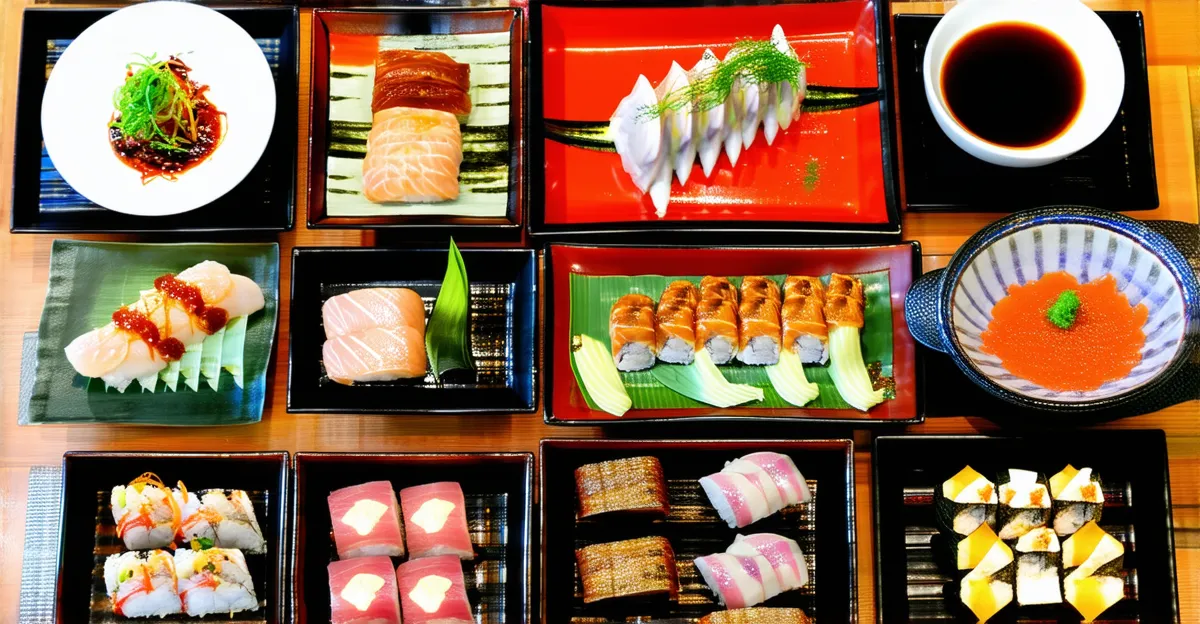
Matsumoto cuisine is a vibrant tapestry of flavors, drawing on the surrounding mountains and rivers to offer a unique array of local dishes. From hearty soba noodles to the freshest river fish, this city in the heart of the Japanese Alps is a paradise for food lovers. Visiting Matsumoto provides a chance to explore not only its iconic dishes but also the hidden gems of its culinary scene, making it a must-visit for anyone eager to indulge in authentic Japanese flavors.
Key Takeaways
- Matsumoto cuisine is rich in local flavors, blending tradition and innovation.
- Signature dishes like soba and grilled ayu represent the best of local ingredients.
- Diverse dining options exist, from street food to full-course meals.
- Engaging in food tours or visiting local markets enhances the culinary experience.
1. Soba: The Heart of Matsumoto Local Dishes
Soba noodles, made from buckwheat, are not only a staple in Japanese cuisine but also the heart of Matsumoto local dishes. Known for their nutty flavor and chewy texture, soba can be enjoyed hot or cold. In Matsumoto, you can find various soba styles, including zarusoba, served with a dipping sauce, and kake soba, served in a warm broth. Visit local soba shops to experience the authenticity of this beloved dish.
Furthermore, Matsumoto is celebrated for its high-quality buckwheat due to the region’s clean mountain air and pure water. Therefore, enjoying fresh homemade soba here is a must. Additionally, many restaurants incorporate unique ingredients or local toppings, which makes each visit special.
Pro Tip: Pair your soba with tempura for a delightful combination of flavors!
Where to eat: Head to Soba Kaneyama for an authentic soba experience. Another great spot is Matsumoto Soba Shokudo, known for its handmade noodles.
2. Matsumoto Jikasei Ramen: A Local Twist on Tradition
One dish that stands out in the culinary scene of Matsumoto is Matsumoto Jikasei Ramen. This local ramen boasts a unique flavor profile, characterized by rich broth and finely crafted noodles. Unlike many other ramen styles, it typically features a lighter, more delicate broth, often prepared with local vegetables and seafood.
As you savor a hearty bowl of Matsumoto Jikasei Ramen, you will notice the emphasis on fresh, locally-sourced ingredients. These ingredients not only enhance flavor but also showcase the area’s agricultural abundance. Additionally, various toppings such as green onions and bamboo shoots further complement the dish.
Did you know? Many ramen shops offer a choose-your-own adventure style, allowing you to customize your bowl!
Where to eat: Visit Akira Ramen for a bowl that highlights local ingredients. Another excellent choice is Ramen Tsubame, famous for its inviting atmosphere and unique flavors.
3. Hōtō: Comfort Food from the Mountains
⭐ Recommendation: Don't miss out on amazing Matsumoto tours - book now!
Hōtō is a traditional noodle soup dish that originates from the mountainous regions of Japan, including Matsumoto. This hearty dish features flat, wide noodles cooked with seasonal vegetables and miso broth, making it the perfect comfort food on chilly days. The warmth and richness of Hōtō are simply unmatched!
What sets Hōtō apart is its ingredient variety. Often made with regional vegetables such as pumpkin, mushrooms, and greens, it reflects the local harvest. Additionally, some eateries offer unique twists, such as adding meat or seafood to enhance the flavor further.
Note: Many local restaurants will serve Hōtō in a large communal pot, promoting a sharing experience!
Where to eat: Try Hōtō Fudou, a charming restaurant known for its traditional preparation. Another popular choice is Hōtō Nishi, where you can enjoy a cozy atmosphere while indulging in this beloved dish.
4. Grilled Ayu: A Delicacy from the Azusa River
⭐ Recommendation: Don't miss out on amazing Matsumoto tours - book now!
Grilled Ayu, or sweetfish, is one of the most cherished Matsumoto local dishes. This delicacy is often caught in the Azusa River and is famous for its subtle sweetness and tender texture. The Ayu fish is typically grilled over an open flame, resulting in a perfectly charred exterior and soft, flaky flesh inside. It is commonly enjoyed in summer months when the fish are at their best.
Many locals and visitors alike appreciate how simple seasoning, such as salt, allows the natural flavor of the fish to shine through. Additionally, dining on grilled Ayu while enjoying the scenic riverside provides a truly memorable experience.
Pro Tip: Pair your grilled Ayu with a local craft beer for a delightful culinary experience.
Where to eat: For an authentic taste of grilled Ayu, head to the popular Nozue Restaurant or visit Kawadamaru, which is known for its river views and fresh catches.
5. Shinshu Apples: A Sweet Taste of Matsumoto
Matsumoto is renowned for its delicious Shinshu apples, which thrive in the region’s fertile soil and cool climate. These apples are particularly famous for their crisp texture, bright red skin, and a perfectly balanced sweet-tart flavor. Apples from this area are harvested in autumn, making it the best time to indulge in them.
Moreover, there are plenty of ways to enjoy Shinshu apples, whether eaten fresh, baked in a pie, or turned into cider. Visitors can even pick their own apples in nearby orchards for a fun and delicious activity.
Did you know? Shinshu apples are often regarded as one of Japan’s finest apple varieties, making them a must-try!
Where to eat: For a sweet treat, visit Shinshu Apple Farm, where you can enjoy cider and fresh apple desserts. Alternatively, try Cafe Apple Blossoms for a delightful apple pie made from local fruits.
6. Matsumoto’s Local Tofu: Creamy and Authentic
Matsumoto’s local tofu is renowned for its creamy texture and fresh taste, making it an essential ingredient in many regional dishes. Made from high-quality soybeans sourced from the surrounding area, this tofu stands out for its richness and smooth consistency. It is often enjoyed in simple preparations, allowing the natural flavor to shine.
One popular way to savor local tofu is by serving it with a drizzle of soy sauce, topped with green onions or grated ginger. This preparation highlights the freshness while enhancing the taste. Tofu can also be found in local soups and hot pots, adding depth to the dishes.
Pro Tip: Look for “Matsumoto Tofu” in local markets to experience its authentic flavor.
Where to eat: For a delightful tofu experience, visit Tofuya Nakamura, which specializes in a variety of tofu dishes, including the traditional yudofu (hot tofu). Another great option is Kawaguchi Tofu, where you can sample fresh products straight from the source.
7. Basashi: Raw Horse Meat Speciality
Basashi, a unique delicacy in Matsumoto, is known for its raw horse meat served thinly sliced. While raw meat dishes may seem unusual to some, basashi is a traditional local dish that showcases the region’s culinary culture. The tenderness and rich flavor of the meat are often complemented by garlic, soy sauce, and wasabi, creating a delightful taste experience.
In Matsumoto, basashi is not just food; it is a tradition. Often consumed with a side of rice or as part of a larger meal, it is a must-try for those looking to explore authentic Matsumoto local dishes. Many locals recommend enjoying it alongside a glass of local sake to elevate the experience.
Pro Tip: Choosing high-quality basashi is essential. Look for restaurants that source their meat from reputable farms to ensure safety and taste.
Where to eat: For the best basashi in Matsumoto, visit Yakinikuroki or Basashi no Takumi, both known for their quality and flavors.
8. Local Craft Beer: Quenching Thirst in Matsumoto
⭐ Recommendation: Don't miss out on amazing Matsumoto tours - book now!
Matsumoto has seen a rise in the craft beer scene, with local breweries producing unique and flavorful beers that reflect the region’s ingredients and culture. Local craft beer often incorporates pure water from the Japanese Alps, which contributes to its exceptional quality. These brews range from hoppy IPAs to smooth stouts, catering to all preferences.
Visiting local breweries offers not just beer tastings but also a glimpse into the brewing process, enhancing your understanding of Matsumoto’s craft culture. Additionally, many breweries provide food pairings, allowing you to enjoy **Matsumoto local dishes** alongside a refreshing beer.
Did you know? The local craft breweries frequently change their seasonal flavors, so check their menus often!
Where to drink: Try Matsumoto Brewery or Yggdrasill Brewery for a truly local experience, as they provide tours and tastings.
9. Wagashi: Traditional Japanese Sweets of Matsumoto
Wagashi are traditional Japanese sweets that hold a special place in Matsumoto’s culinary landscape. These confections are often made with natural ingredients like mochi, sweetened bean paste, and seasonal fruits. The artistry involved in crafting wagashi makes them not only tasty but also visually stunning, often seen at tea ceremonies.
Some popular types of wagashi from Matsumoto include nerikiri, a sweet made from rice flour and red bean paste, and daifuku, which is mochi filled with sweet fillings. Each piece is a work of art representing the beauty of Japanese culture.
Pro Tip: When enjoying wagashi, pair it with matcha tea for a harmonious taste experience.
Where to buy: Visit Wagashi Matsumoto or Yoshida Confectionery to sample these exquisite traditional sweets.
10. Oden: A Nurturing Noodle Soup Experience
Oden is a beloved comfort food, especially popular in Matsumoto’s cool seasons. This delightful noodle soup is a warming blend of various ingredients simmered together in a flavorful broth. The soul of Matsumoto local dishes, oden typically includes items like daikon radish, boiled eggs, and various types of fish cakes, all soaking up the rich flavors from the broth.
What makes Matsumoto’s oden unique is the distinctive combination of local seasonings and ingredients that highlight the region’s culinary diversity. For instance, some recipes may incorporate locally sourced mushrooms or seasonal vegetables, adding freshness to every spoonful. You will find both regional takes and classic versions of oden on many menus.
Pro Tip: Enjoy oden with a dash of mustard for an extra kick! It’s a popular way to enhance the flavors.
Where to eat: To experience authentic oden, head to Oden Shokudo in Matsumoto, where the chef serves a house-special broth. If you’re exploring the area, don’t miss Chikugen, known for its cozy atmosphere and hearty portions.
Matsumoto cuisine is a delightful invitation to experience authentic Japanese flavors rooted in the landscape and culture of the region. Each local dish tells its own story, reflecting the vibrant heritage and natural bounty of Matsumoto. As you explore these culinary treasures, don’t forget to share your experiences and favorite dishes to inspire others to embark on their own delicious journey through Matsumoto!
Frequently Asked Questions
A: Matsumoto is famous for its soba noodles, grilled ayu, and Shinshu apples, showcasing local ingredients unique to the region.
A: You should try the soba, Matsumoto Jikasei ramen, and grilled ayu during your visit.
A: Yes, there are vegetarian options, particularly with dishes like tofu and vegetarian ramen.
A: Look for local eateries and soba shops, especially near Matsumoto Castle.
A: Yes, Matsumoto has several markets where you can explore local produce and food specialties.
A: Local craft beers and sake are excellent pairings for many Matsumoto dishes.